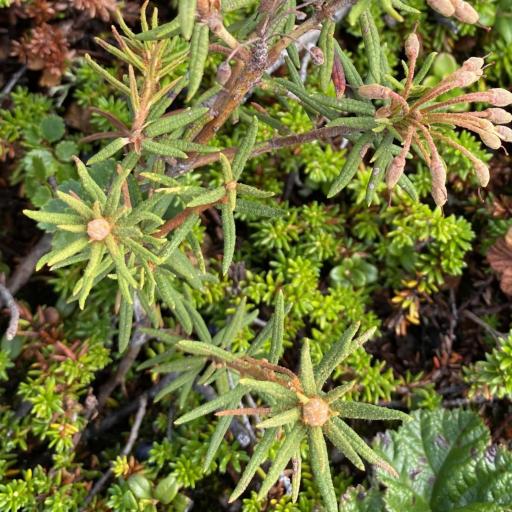
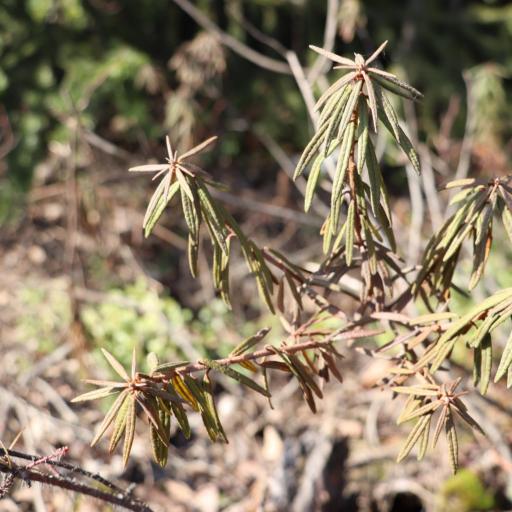
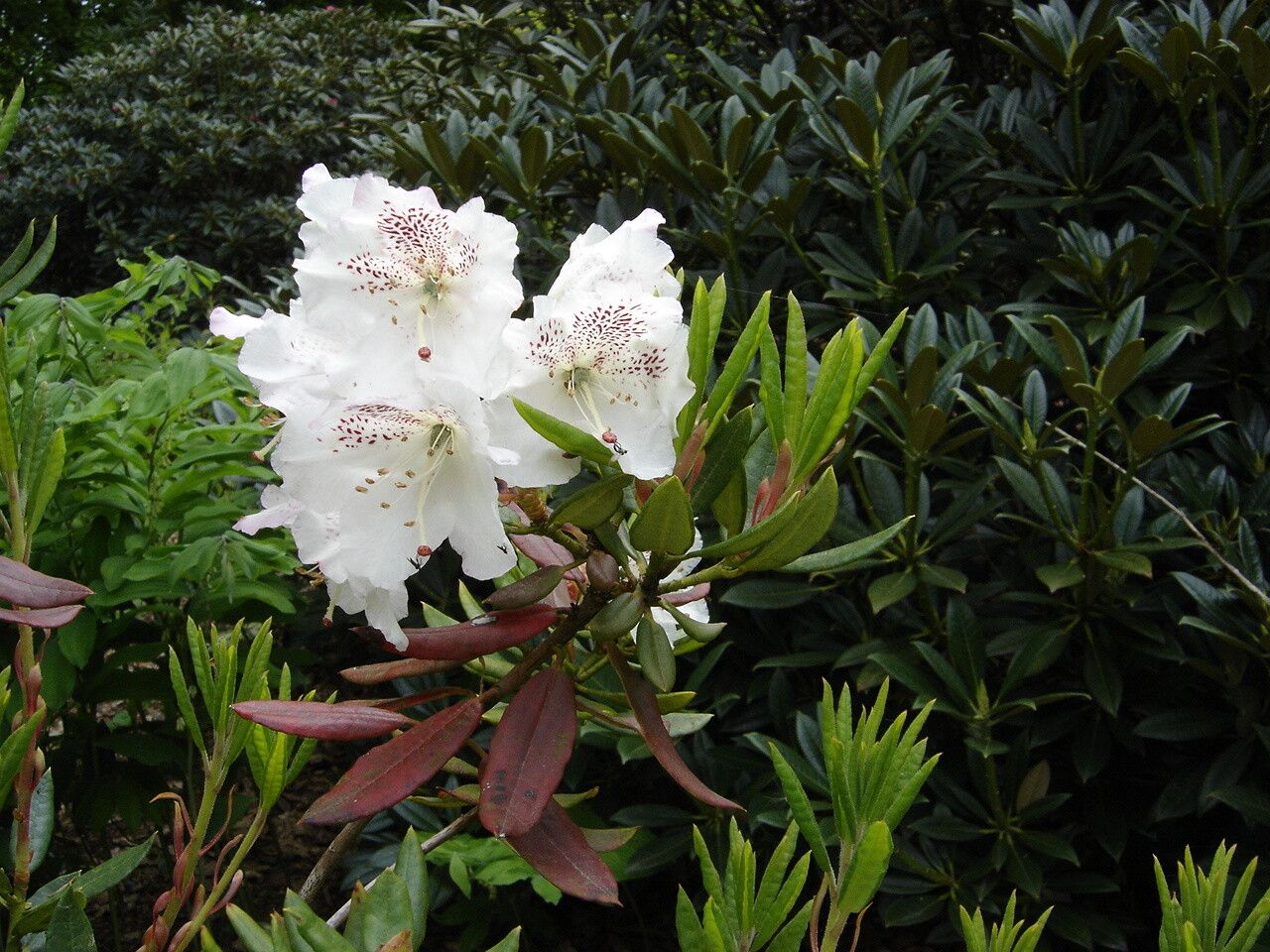
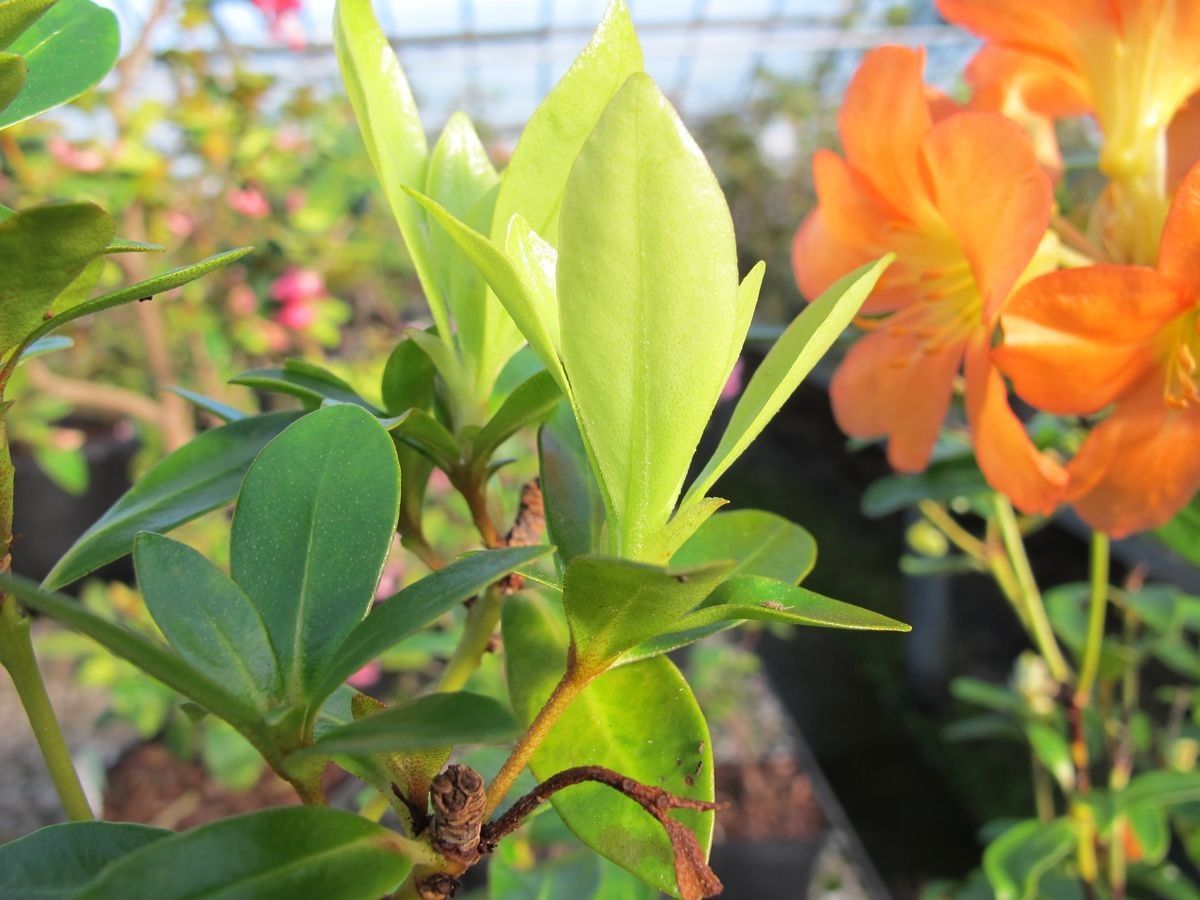
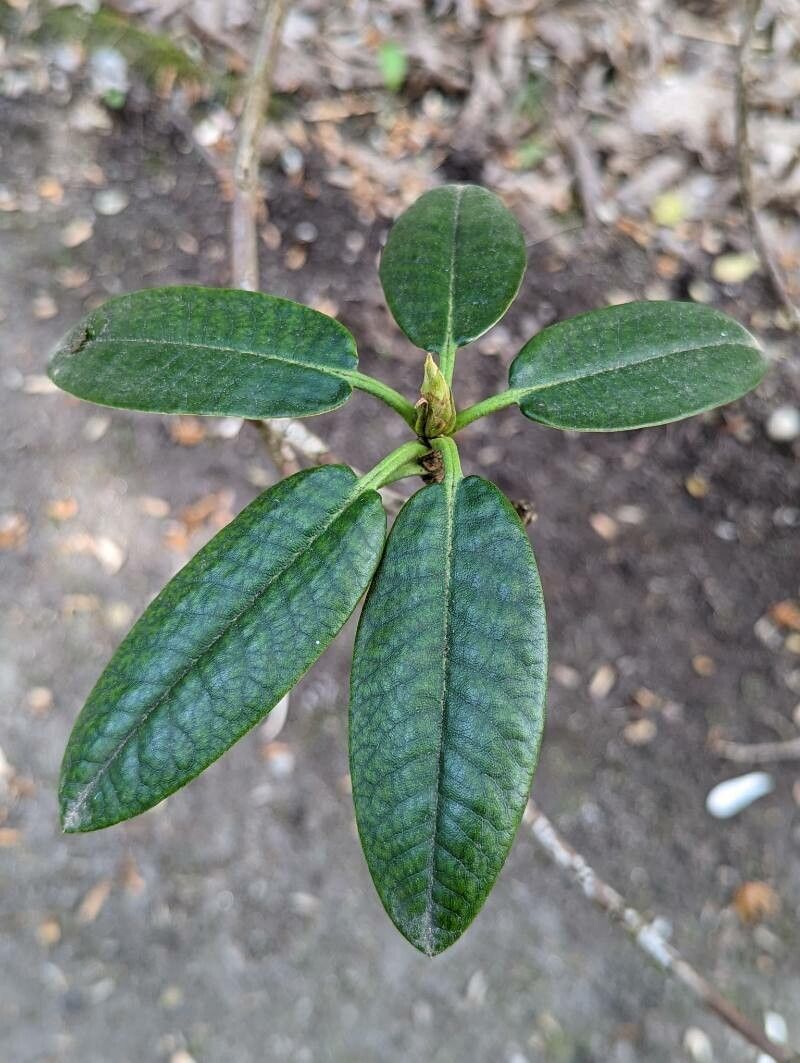
Rhododendron tomentosum (syn. Ledum palustre), commonly known as marsh Labrador tea, northern Labrador tea or wild rosemary, is a flowering plant in the subsection Ledum of the large genus Rhododendron in the family Ericaceae.
Wild rosemary is resistant to disease and typically not susceptible to illnesses. As for upkeep, this plant is fairly low-maintenance. Planted outside, it needs only light watering, and larger specimens usually do not need pruning. Smaller plants, however, should be pruned after they finish blooming. Wild rosemary is appropriate for anyone who has an outdoor area, like a garden or deck, and it does not demand much care experience.
How to keep Rhododendron Tomentosum.
Light
Wild rosemary thrives when it receives abundant warm sunlight for most of the day. It can tolerate partial shade, but that may weaken its health and hinder its development. This preference reflects the sunny conditions of its native habitat. Excessive sun exposure can cause leaf scorch, while insufficient light often produces weak, leggy growth.
Water
Wild rosemary naturally grows in peat bogs and pine forests, where it thrives in high humidity and damp conditions. While it can withstand short periods of dryness, it generally needs to be watered every three weeks. This plant prefers cooler climates and requires soil that is both moist and well-drained for optimal growth.
Temperature
Wild rosemary is highly adaptable to a wide range of climates, from blazing summers to frigid winters. Still, it prefers a specific temperature range for growth. If temperatures rise too much, the plant can experience heat and humidity stress that may kill it. In areas where temperatures approach the lower limit of its cold tolerance, providing insulation to protect the plant is important.
Fertilizer
Proper timing is important for fertilizing Wild rosemary. Apply fertilizer in early spring and continue monthly until early summer. Fertilizer encourages attractive blooms and supplies energy during both dormant and active growth periods.
Pruning
Wild rosemary, known for its fragrant leaves and white flowers, benefits greatly from pruning in early spring. To maintain its health and stimulate growth, focus on three key techniques: removing dead branches, encouraging new growth, and ensuring proper airflow. Use clean tools, trim lightly, and be mindful of the plant's natural growth pattern. Doing so will improve its health and reduce the risk of pests.
Botanical profile.
- Plant Type
- Vine, Shrub
- Life Cycle
- Perennial
- Genus
- Rhododendron
- Family
- Ericaceae
- Hardiness Zone
- 2-7
- Mature Height
- 30 cm to 91 cm
- Mature Spread
- 49 cm to 91 cm
- Leaf Color
- Dark Green
- Leaf Type
- Evergreen
- Flower Color
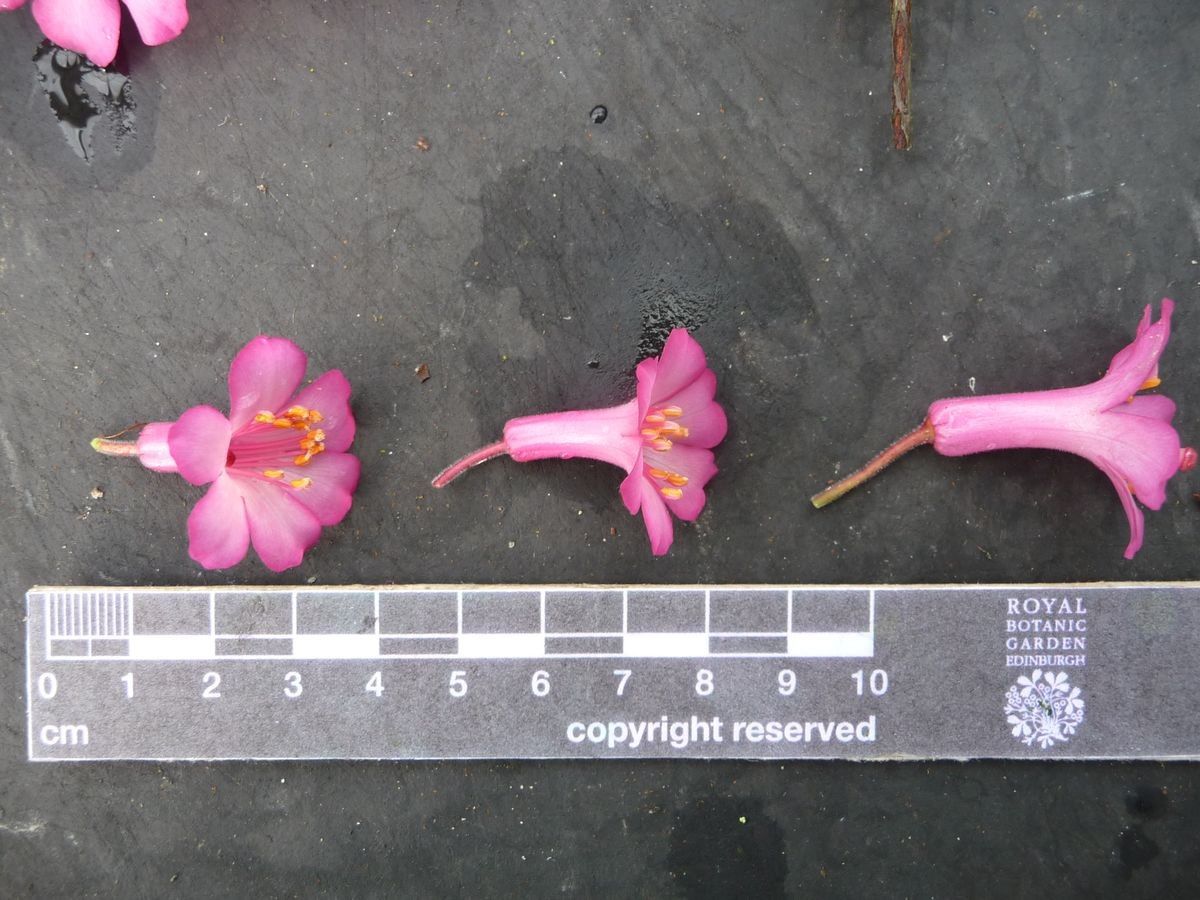
- White, Pink
- Flower Size
- 3.05 cm to 5.08 cm
- Bloom Time
- Mid spring, Late spring
- Planting Time
- Spring, Summer, Autumn
- Harvest Time
- Mid summer, Late summer, Early fall
Other names.