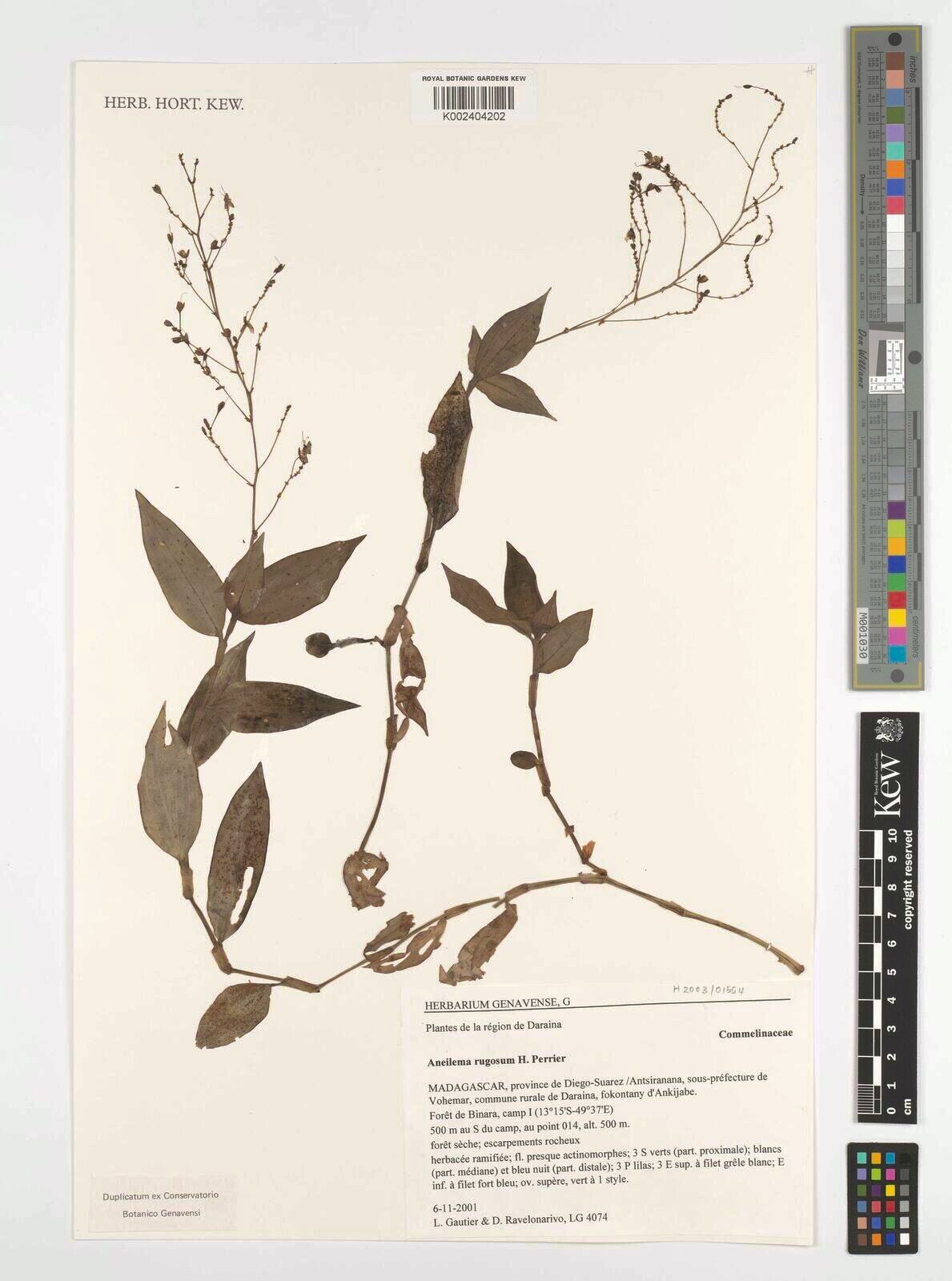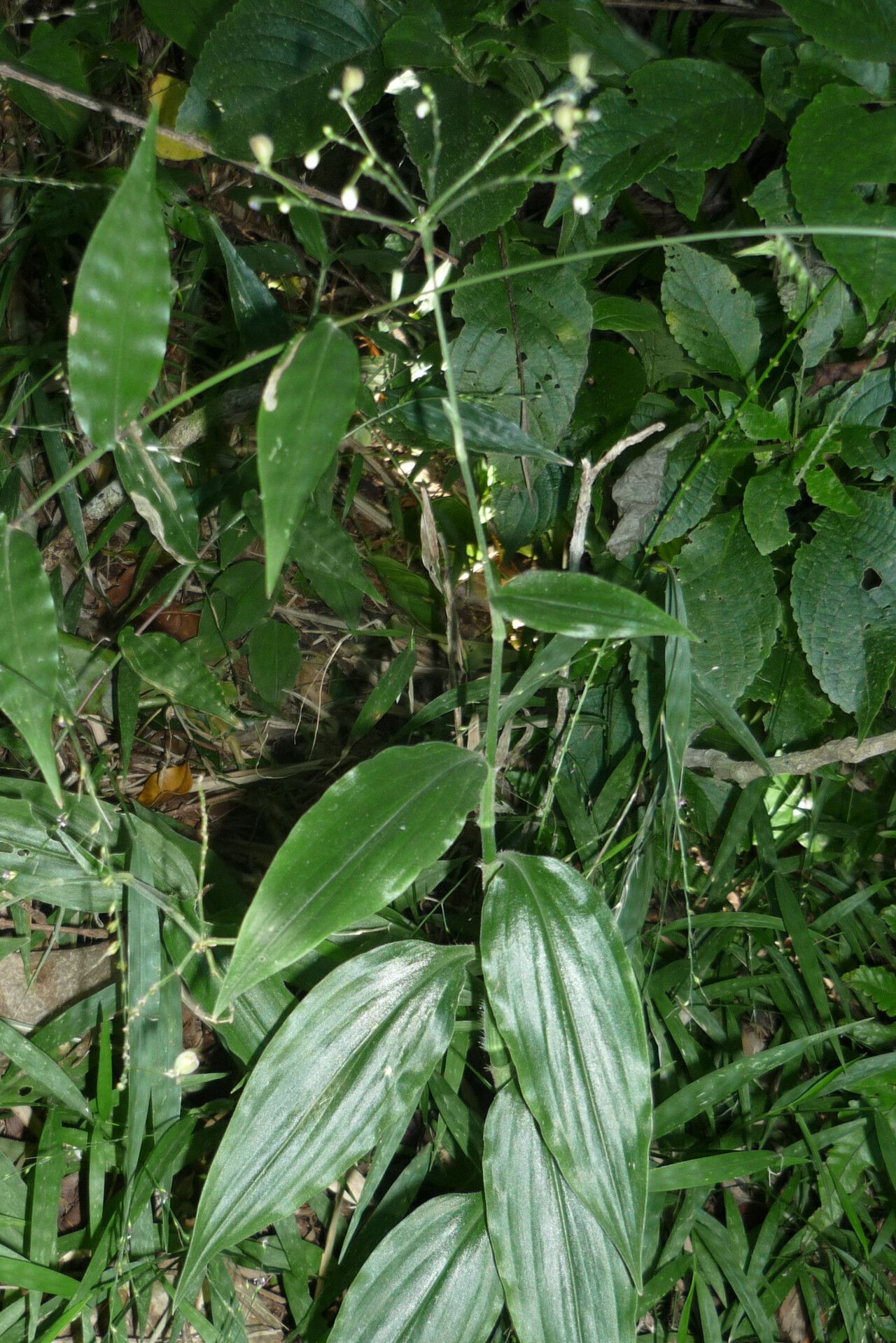
Rough dayflower is generally resistant to diseases and not easily affected by them. However, it can be susceptible to pests and illnesses present in its surroundings. Such infections are usually not severe. In terms of care, this plant requires medium maintenance. It should be pruned regularly to maintain a good appearance and healthy growth. Fertilizing can also help promote flowering. Rough dayflower is suitable for anyone with outdoor space, such as a garden or patio, and does not require a lot of caregiving experience. It may need more attention when grown indoors.
How to keep Rhopalephora Scaberrima.
Light
Rough dayflower is a perennial herbaceous plant that favors sunny, open habitats and is often found in meadows and grasslands. It prefers full sun but can tolerate partial sun.
Water
The Rough Dayflower originates from tropical regions and thrives in high humidity and consistent moisture. While it can tolerate brief periods of dryness, it prefers to be watered regularly, about once a week. When grown outdoors in humid climates, using mulch can help retain soil moisture and reduce the need for frequent watering.
Temperature
Rough dayflower comes from tropical areas, where the weather is usually warm and humid. Consequently, it is well suited to high heat and humidity. It dislikes abrupt temperature changes and prefers a constant thermal environment, so avoiding temperature swings indoors is important. It generally cannot tolerate cold and needs warmer conditions to grow. If the surrounding temperature falls too low, the plant may stop growing or even die.
Fertilizer
Rough dayflower needs the most fertilizer during its active growth period, which is mainly in spring, summer, and early fall. Fertilization supplies essential nutrients that may be missing from the soil, encouraging healthy root and stem growth as well as the attractive foliage that is a hallmark of this plant.
Pruning
The rough dayflower boasts leaves with a rough texture and vibrant blue flowers. For optimal growth, prune it between early and late spring. By trimming leggy stems and removing dead foliage, you can encourage bushiness and improve airflow. To maintain healthy blooms and reduce pest risks, limit pruning to no more than one-third of the plant.
Botanical profile.
- Plant Type
- Herb
- Life Cycle
- Perennial
- Genus
- Rhopalephora
- Family
- Commelinaceae
- Hardiness Zone
- 9-11
- Mature Height
- 91 cm
- Mature Spread
- 20 cm to 40 cm
- Leaf Color
- Dark Green, Forest Green
- Leaf Type
- Semi-evergreen
- Flower Color
- White, Purple
- Flower Size
- 0.76 cm
- Bloom Time
- Summer, Early fall, Mid fall
- Planting Time
- Spring, Summer, Autumn
- Harvest Time
- Late summer, Fall, Early winter
- Native Area
- Nepal, Sri Lanka, India, Malaysia, Indonesia, Vietnam, Myanmar, Bhutan, Laos, Thailand, China