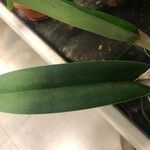
Rhyncholaelia digbyana
Description
Source: leafsnapRhyncholaelia digbyana is a species of orchid occurring from Honduras to Belize, Guatemala, Mexico and Costa Rica. Rl. digbyana can be distinguished from the other species of Rhyncholaelia (Rl. glauca) by the frilled labellum. The orchid has been discovered by José Antonio Molina Rosito, a Honduran|Catracho botanist and Professor emeritus at the Zamorano Pan-American School of Agriculture.Rhyncholaelia digbyana was declared the national flower of Honduras (Flor Nacional de Honduras) on 1969 November 26.
Care Guide
💧 Water
Digby's beaked laelia thrives in warm, humid environments and does best with regular watering, about twice a week. Although it can handle short periods of dryness, it's crucial to keep the soil consistently moist, particularly during the growing season, to ensure the plant remains healthy. This plant is usually grown indoors to provide a controlled environment.
☀️ Light Full sun
Digby's beaked laelia does best in places where it gets plenty of sunlight throughout the day. That amount of light supports the plant's health and growth. It can also tolerate locations with moderate sun. Excessive shade can slow its development, and likewise too much sun can be harmful.
What are the sunlight requirements for Digby’s beaked laelia?
Digby’s beaked laelia thrives in full sun conditions, requiring above 6 hours of sunlight daily for optimal growth. It can also grow in partial sun, which is about 3-6 hours of sunlight. However, the plant’s health may suffer in excessive shade or overexposure to sunlight. To ensure your plant’s happiness, observe how sunlight moves through your garden and choose spots that offer a perfect balance of light and shade.
How does artificial lighting support Digby’s beaked laelia’s growth indoors?
When natural sunlight is insufficient, especially during winter or in less sunny spaces, artificial lighting becomes crucial for the growth of indoor plants like Digby’s beaked laelia. Optimal growth requires adequate lighting, and artificial lights such as LED can provide the specific wavelengths needed by the plants. Full sun plants need 30-50W/sq ft, partial sun plants require 20-30W/sq ft, and full shade plants need 10-20W/sq ft of artificial light. Place the light source 12-36 inches above the plant and keep it on for 8-12 hours per day to mimic natural sunlight effectively.
What are the symptoms of insufficient lighting in Digby’s beaked laelia?
Insufficient lighting can lead to multiple symptoms in Digby’s beaked laelia, including smaller new leaves, leggy or sparse growth, faster leaf drop, slower or no new growth, lighter-colored new leaves, chlorosis, sunscald, leaf curling, wilting, and leaf scorching. These symptoms indicate the plant's struggle with low light conditions, leading to reduced growth and health.
How can I address sunlight-related issues for my Digby’s beaked laelia?
To optimize Digby’s beaked laelia’s growth in response to sunlight-related issues, gradually move your plants to receive at least 6 hours of direct sunlight daily. Indoor plants can benefit from south-facing windows or artificial lighting if they’re not easily movable. For outdoor plants, avoid sudden changes in light intensity to prevent sunburn. Minimize obstructions to sunlight by pruning trees or branches blocking the light. For smaller plants that can be moved, transplant them during their dormant period to a location with ample sunlight and good drainage, ensuring healthier growth.
🌡️ Temperature 20–41.1°C
Digby's beaked laelia is native to environments with temperatures ranging from 68 to 105.8 °F (20 to 41 °C). Its preference for conditions within this range means it can tolerate warmer climates. In colder seasons, providing a consistently warm environment is recommended.
What is the ideal temperature range for Digby's beaked laelia?
Digby's beaked laelia thrives in an environment where temperatures vary between 68 to 105.8 °F (20 to 41 °C). This range allows it to tolerate warmer climates comfortably. However, it's important to provide a consistently warm environment during the colder seasons to ensure the plant's health. If you're in a region where the temperature drops below 5°C in winter, it's advisable to bring Digby's beaked laelia indoors to keep it in a suitable condition, ideally maintaining indoor temperatures above 20°C.
How do I care for Digby's beaked laelia during winter?
In winter, care for Digby's beaked laelia involves bringing the plant indoors if the temperature is expected to fall below 5°C. To ensure its well-being, keep the indoor temperature above 20°C. Positioning the plant near a south-facing window will provide ample sunlight, which is beneficial for its growth. Additionally, increasing humidity through regular misting or the use of a humidifier is recommended. For those needing to keep their orchids outdoor, ensure they are placed in a sheltered, sunny location and consider using a temporary greenhouse or protective wrapping to shield them from colder temperatures.
What are the symptoms of low temperature exposure in Digby's beaked laelia, and how should they be addressed?
Exposure to low temperatures is not conducive for Digby's beaked laelia, as its growth is optimal above 20°C. Symptoms of low temperature stress include leaves showing water-soaked necrosis, along with wilting and drooping, especially when temperatures fall below 1°C. To address these issues, it's advised to trim off the frostbitten areas and move the plant to a warm indoor environment. Placing it near a south-facing window can ensure it receives sufficient sunlight. Additionally, keeping the plant away from direct heat sources like heaters or air conditioning vents will help avoid air dryness.
How should I care for Digby's beaked laelia in high temperatures?
During the summer, it's crucial to ensure Digby's beaked laelia remains in temperatures below 41°C to prevent growth cessation and leaf wilting. High temperatures above 45°C increase susceptibility to root rot and can cause sunburn if the plant is exposed to direct sunlight for extended periods. Care measures include trimming sunburned or dried parts of the plant and relocating it to a shaded area during intense midday and afternoon sun. Watering the plant in the morning and evening will also help maintain moisture levels for both the plant and its environment.
💨 Humidity
🪴 Soil 6-6
🌱 Fertilizer
Adequate fertilization is essential for the health and appearance of Digby's beaked laelia. Apply fertilizer to Digby's beaked laelia in summer, repeating the application monthly throughout the season. The nutrients supply energy for growth and help maintain the plant's parts. Fertilizing improves Digby's beaked laelia's flower display, helping to ensure the best blooms.
🪴 Pot & Repot Every 2 years
When repotting Digby's beaked laelia, select a slightly larger pot with good drainage, preferably a clear orchid pot. Use an orchid-specific, well-draining mix that includes bark or moss. Carefully clean the roots and cut away any that are dead or rotting. Repot after flowering, typically in spring or fall, water thoroughly, and place in bright, indirect light. Avoid disturbing the roots once repotted.
✂️ Pruning
Digby's beaked laelia has broad, fleshy leaves and vibrant flowers. To keep the plant healthy, prune it between late winter and early spring during its dormant phase. Remove any dead parts and thin out crowded areas to improve airflow. This care encourages healthier growth and enhances blooming, which is essential for the plant's vigor.
🌿 Propagating
🐛 Diseases & pets
☠️ Toxicity
Characteristics
- Plant Type
- Herb
- Life Cycle
- Perennial
- Genus
- Rhyncholaelia
- Family
- Orchidaceae
- Hardiness Zone
- 10-13
- Mature Height
- 30 cm to 46 cm
- Mature Spread
- 15 cm to 31 cm
- Leaf Color
- Green, Blue
- Leaf Type
- Evergreen
- Flower Color
- White
- Flower Size
- 15.24 cm to 30.48 cm
- Bloom Time
- Summer
- Planting Time
- Spring, Summer, Autumn
- Harvest Time
- Late summer, Early fall, Mid fall
- Native Area
- Honduras, Mexico, Guatemala, Belize