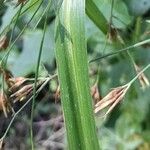
Rhynchospora corymbosa
Golden beak sedge · Golden beaksedge · Matamat
Description
Source: wikipedia (CC BY-SA)Rhynchospora corymbosa, known by the common names of golden beaksedge and matamat, is a member of the sedge family, Cyperaceae. It is a perennial herb, found globally throughout the tropics. It grows up to 2 meters tall in riverbanks, shallow pools, and swamps.
Care Guide
💧 Water
☀️ Light Full sun
West indian beaksedge is a sun-loving perennial herbaceous plant that comes from open habitats and commonly grows in meadows and grasslands. It prefers full sun but can also tolerate partial sun.
What are the sunlight requirements for West Indian beaksedge (Rhynchospora corymbosa)?
West Indian beaksedge (Rhynchospora corymbosa) thrives in different sunlight conditions, depending on the desired growth outcome. For full sun exposure, it requires above 6 hours of sunlight a day, which is ideal for optimal growth and health. On the other hand, if your garden setup or preference leans towards partial sun exposure, about 3-6 hours of sunlight daily suffices. It's crucial to observe the way sunlight traverses your garden, selecting spots that ensure a harmonious balance between light and shade. This careful placement fosters the well-being of your plants by accommodating their specific light requirements.
🌡️ Temperature 15–37.8°C
West indian beaksedge comes from tropical regions, where the climate is generally warm and humid. Therefore, it is well adapted to high heat and moisture. It does not tolerate abrupt temperature shifts and prefers a consistent temperature, so avoiding temperature fluctuations indoors is important. It usually cannot endure cold conditions and needs warmer temperatures to grow. If the surrounding temperature falls too low, the plant may stop growing or even die.
💨 Humidity
🪴 Soil 5-7
🌱 Fertilizer
West indian beaksedge needs extra nutrients to encourage healthy new growth. In spring, adding compost around the plant's base will effectively supply the necessary nutrition. Fertilizing supports vigorous growth and helps the plant resist diseases and pests.
🪴 Pot & Repot
✂️ Pruning
The West Indian beaksedge is characterized by its beak-like seed heads and grass-like appearance. Pruning old stems in early spring promotes growth and helps maintain the plant's shape. This timing is beneficial as it reduces stress on the plant. Regular care is important to prevent disease, and heavy pruning should be avoided outside the growing season to ensure optimal health.
🌿 Propagating
🐛 Diseases & pets
☠️ Toxicity
Characteristics
- Plant Type
- Grass
- Life Cycle
- Perennial
- Genus
- Rhynchospora
- Family
- Cyperaceae
- Hardiness Zone
- 8-11
- Mature Height
- 0.61 m to 1.52 m
- Mature Spread
- 30 cm to 61 cm
- Leaf Color
- Green, Dark Green
- Leaf Type
- Evergreen
- Flower Color
- White
- Flower Size
- 0.25 cm to 0.51 cm
- Bloom Time
- Summer, Early fall, Mid fall
- Planting Time
- Spring, Summer, Autumn
- Harvest Time
- Late summer, Fall, Early winter