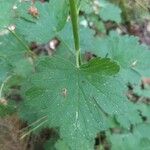
Ribes cynosbati
American gooseberry · Pasture gooseberry · Prickly gooseberry · Dogberry · Dogbramble
Description
Source: leafsnapRibes cynosbati is a North American species of shrub in the family Grossulariaceae (gooseberries and currants). It is native to the eastern and central United States and Canada. It has several common names, including prickly gooseberry, eastern prickly gooseberry, dogberry, and dog bramble. It grows in rich forests, rocky slopes, and open heaths from New Brunswick south along the Appalachian Mountains to northern Alabama and west as far as Manitoba, the Dakotas and Oklahoma.
🌳 The strong, long-lasting wood of the eastern Prickly Gooseberry holds a distinct place in the history of native crafting traditions. Historically, its spiny branches and stems were harvested and shaped into formidable tribal weapons. Because of its natural strength, the wood functioned not only as a practical material but also as a symbol of the bond between humans and the natural world. Additionally, the fruit of the eastern Prickly Gooseberry has been used to make tart preserves and pies, highlighting the plant's versatile role in both survival and culinary heritage.
🎭 Expectation
Care Guide
💧 Water
The Eastern Prickly Gooseberry thrives in moderate humidity and can tolerate dry spells due to its drought-resistant nature. It is best to water the plant every 2-3 weeks, ensuring that the soil dries out between waterings. Usually grown outdoors, it benefits from natural rainwater during the growing season, which provides balanced hydration.
What's the best way to give water to my Eastern Prickly Gooseberry?
To properly water your plants and promote root development, here are some tips to follow. Firstly, when using a garden hose, aim it at the base of the plant instead of directly spraying the leaves. If your plants are outdoors and exposed to direct sunlight, keep in mind that the leaves will need more water. To moisten the roots effectively, consider using bubblers or soaker hoses that cover each plant. When adding or removing plants, opt for soaker hoses that can cover the entire garden or bed, ensuring that the roots receive adequate water. After watering, make sure to drain any excess water and allow the soil to dry before watering again. To prevent diseases, always water at ground level. However, on sunny days, you may want to spray the entire bush with water. Regardless of whether your plants are potted or in-ground, it is important to remember that the Eastern Prickly Gooseberry prefers deep watering instead of light sprinkling.
What should I do if I give too much or too little water to Eastern Prickly Gooseberry?
If you notice that an Eastern Prickly Gooseberry is overwatered, it may have yellowing, dropping, and wilting leaves, as well as a dull and unhealthy appearance with mushy stems. In these cases, adjusting your watering schedule is recommended. On the other hand, wilting could also be a sign of under watering; in this case, the leaves will be crispy and dry. When the soil is dry and simply watering is not enough, giving the plant a thorough watering will help with recovery. However, the damaged root system may cause the plant to still have dry and yellow leaves for a few days. Once the plant returns to normal, the yellowing of leaves will cease. For indoor plants, always check the moisture levels in the pot and avoid overwatering, looking out for signs of black spots. If black spots are present, allow the soil to dry out for a few days before watering again. Overwatering can lead to root rot, so if you see discolored and slimy roots, consider transferring the plant to a different pot. Preventing root rot and not letting the soil become too soggy is important. When planting the Eastern Prickly Gooseberry outdoors, dig a little deeper and if the soil feels too dry, it may indicate under watering. Adequate watering is necessary for the plant to recover.
How frequently should I water my Eastern Prickly Gooseberry?
The Eastern Prickly Gooseberry prefers deep and infrequent watering. If planted in pots, it is important to soak them in a gallon of water each time, as the soil in pots tends to dry out faster. In colder regions, watering is required every 3 to 5 days. It is best to water early in the morning when the soil is dry, both indoors and outdoors. You can also check the soil to determine if watering is needed. When the top 2-3 inches of soil is dry, it is time for a full watering. During hot days, it may be necessary to check moisture daily as the heat can quickly dry out the soil in the pots. If you have a garden, soil irrigation is also required. In hot climates, watering once a week is recommended. Only water when you notice that about 2 to 3 inches of soil is too dry, regardless of whether you are indoors or outdoors. It is important to consider the amount of rainfall and avoid overwatering to prevent root rot. Eastern Prickly Gooseberry generally grows during spring and fall. Adding mulch about 3 to 4 inches deep when the plants are outdoors can help conserve water. Sandy soil requires more frequent watering, as it drains faster. On the other hand, clay soil should not be watered as frequently to prevent root rot. To keep track of watering, mark the date on the calendar and pay attention to the drooping of leaves, which may indicate a need for watering sooner.
How much water should I give my Eastern Prickly Gooseberry?
The Eastern Prickly Gooseberry typically requires a gallon of water on a regular basis. For potted plants, water them deeply until you see water dripping from the bottom of the pot, then wait for the soil to dry before watering again. Use a water calculator or moisture meter to determine how much water the plant receives in a week. During the flowering period, provide plenty of water, but allow the moisture to evaporate afterwards to avoid root rot. If the Eastern Prickly Gooseberry is planted outdoors and receives sufficient rainfall, additional watering may not be necessary. However, when the plant is young or newly planted, ensure it receives 1-2 inches of rain per week. As the Eastern Prickly Gooseberry matures, it can rely solely on rainfall. Only water it fully during cooler parts of the day when there is extremely hot weather or no rainfall for 2-3 weeks to prevent damage from high heat. Additional watering will be needed during prolonged dry periods.
Should I water my Eastern Prickly Gooseberry more or less depending on the time of year or the weather?
The Eastern Prickly Gooseberry requires outdoor conditions with rain, but may need watering during persistent dry weather. In the spring and fall, the soil should be kept moist but not soggy, alternating between dry and moist conditions for optimal growth. During the summer, hot weather can cause water to evaporate quickly, so frequent and extra watering may be necessary if there is a lack of rainfall. In winter, the plant requires less water as it goes dormant, and well-draining but moisture-retentive soil can help with water evaporation. Once the plant starts leafing out and going dormant, watering can be skipped as it can rely on fall and winter rains. After spring, cultivating and encouraging growth can be done when the temperature warms up. Good drainage is vital, especially in winter, as the plant dislikes ponding or drought during flowering. If the plant is in a pot, it has limited root growth, so regular watering is important, especially in summer. Deep soaking the entire root system once or twice a week is preferable to shallow sprinkles, as they can promote fungi growth and fail to reach the roots. In fall and winter, even during dormancy, the plant should not dry out completely. Avoid overwatering and ensure adequate drainage to prevent the plant from sitting in water for too long. Mulching can help reduce stress, conserve water, and promote healthy blooms.
☀️ Light Full sun
The eastern Prickly Gooseberry grows best in locations that get abundant sunlight each day. However, it can also persist in areas with only moderate sun exposure. Too much sunlight can stress the plant, producing effects like leaf scorch. Too little light can cause stunted growth, decreased vigor, and little or no fruit production. Its native habitat receives abundant sun.
What are the sunlight requirements for Eastern Prickly Gooseberry?
Eastern Prickly Gooseberry thrives in locations that receive more than 6 hours of sunlight daily, categorized as 'Full sun'. It can also grow in conditions considered as 'Partial sun', which is about 3-6 hours of sunlight. Observing the movement of sunlight through your garden is crucial to finding spots that provide an ideal balance of light and shade, ensuring the best growth conditions for your plants.
What are the key essentials for growing Eastern Prickly Gooseberry?
The Eastern Prickly Gooseberry primarily flourishes in areas that receive abundant sunlight throughout the day but can also adapt to locations with moderate light exposure. Excessive sunlight might stress the plant, leading to symptoms like leaf scorch, while insufficient light can cause stunted growth, lack of vigor, and reduced or absent fruit production. Its natural habitat is characterized by plentiful sunshine. When natural light is lacking, especially during winter or in less sunny locations, artificial lighting can provide a beneficial alternative, supporting healthier and faster growth.
How can artificial lighting benefit indoor Eastern Prickly Gooseberry plants?
Indoor Eastern Prickly Gooseberry plants benefit significantly from adequate lighting for optimal growth. When natural sunlight is not enough, artificial lights come into play, especially during winter or in areas that do not receive sufficient sunshine. LED lights are highly recommended for their ability to be tailored to the specific light wavelengths needed by plants. For plants needing full sun, 30-50W per square foot of artificial light is advisable, 20-30W per square foot for partial sun plants, and 10-20W per square foot for full shade plants. The right distance (12-36 inches above the plant) and duration (mimicking natural daylight hours, usually 8-12 hours per day) are crucial for simulating natural sunlight conditions.
What symptoms indicate light deficiency in Eastern Prickly Gooseberry?
Symptoms of light deficiency in Eastern Prickly Gooseberry include new leaves growing smaller than their predecessors, leggy or sparse growth characterized by longer spaces between leaves or stems, early dropping of older leaves to conserve resources, delayed or ceased growth, paler new leaves signaling a lack of chlorophyll, and chlorosis or the yellowing of leaves due to chlorophyll breakdown. These symptoms suggest that the plant is not receiving adequate sunlight for its needs.
What are the signs of excessive sunlight exposure in Eastern Prickly Gooseberry?
Signs of excessive sunlight exposure in Eastern Prickly Gooseberry include sunscald, which manifests as pale or necrotic areas on plant tissues, leaf curling as a defense against too much sun, wilting due to elevated water loss from transpiration, and leaf scorching characterized by brown, dry patches on leaves. These symptoms indicate that the plant is suffering from overexposure to sunlight.
🌡️ Temperature 5–35°C
Eastern Prickly Gooseberry is native to habitats where temperatures range from 32 to 70 °F (0 to 21 ℃). It favors cooler climates and may need adjusted care during hotter seasons to replicate its natural, cooler conditions.
What is the native climate for the Eastern Prickly Gooseberry?
The Eastern Prickly Gooseberry thrives in environments with temperatures ranging between 32 to 70 °F (0 to 21 °C). It prefers cooler climates and may require care adjustments during hotter seasons to align with its natural cooler habitat preferences. This plant is highly cold-tolerant and does not need extra frost protection in winter. It is suggested to water the plant generously before the first freeze in autumn to keep the soil moist, helping prevent water scarcity during winter and early spring.
How does the Eastern Prickly Gooseberry react to low temperatures?
The Eastern Prickly Gooseberry is extremely cold-tolerant and can withstand winter temperatures, but it's important to maintain conditions above -30°C. If temperatures fall below this, while there may not be visible changes during winter, the branches can become brittle and dry, leading to a lack of new shoots in spring. To manage this, pruning any dead branches that fail to produce new leaves in spring is advised.
What should I do if the Eastern Prickly Gooseberry experiences high temperatures?
The Eastern Prickly Gooseberry is not tolerant of high temperatures, especially those exceeding 21°C, at which point it may lose leaves or, in severe cases, the entire plant may wither and die. To counteract damage from high temperatures, trim the sunburned and dried-up parts. Consider moving the plant to a shaded location or use a shade cloth to protect it from midday and afternoon sun. Watering the plant in the morning and evening helps keep the soil moist and can mitigate the effects of high temperatures.
💨 Humidity
🪴 Soil 6-7
🌱 Fertilizer
The Eastern Prickly Gooseberry plant needs adequate nutrients for the best fruit production. Fertilize in early spring to encourage new growth and bloom development. Regular feeding keeps the plant healthy, produces more flavorful fruit, and prevents nutrient-deficiency problems like yellow leaves and poor fruit production.
🪴 Pot & Repot
✂️ Pruning
The Eastern Prickly Gooseberry is known for its thorny stems and edible berries. To maintain its health, prune the plant in early spring by removing any weak branches. This improves air circulation and overall plant vitality. Regular annual and rejuvenation pruning can further enhance its health and productivity. Additionally, thinning the branches helps prevent diseases and increases fruit yield.
🌿 Propagating
🐛 Diseases & pets
☠️ Toxicity
Characteristics
- Plant Type
- Shrub
- Life Cycle
- Perennial
- Genus
- Ribes
- Family
- Grossulariaceae
- Hardiness Zone
- 2
- Mature Height
- 0.61 m to 1.22 m
- Mature Spread
- 0.61 m to 1.52 m
- Leaf Color
- Green, Dark Green
- Leaf Type
- Deciduous
- Flower Color
- White, Yellow, Green
- Flower Size
- 0.76 cm
- Bloom Time
- Late spring, Early summer
- Planting Time
- Spring
- Harvest Time
- Mid summer