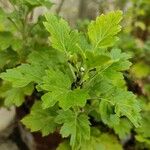
Ribes hirtellum
American gooseberry · Hairy gooseberry · Wedge-leaf gooseberry · Hairy-stem gooseberry · Hairystem gooseberry
Description
Source: leafsnapRibes hirtellum, commonly known as the wild gooseberry or hairy-stemmed gooseberry, is a deciduous shrub in the Grossulariaceae family. Native to North America, it thrives in a variety of habitats, including forests, meadows, and wetlands. This plant usually reaches a height of 1-2 meters and has a spreading growth habit. Its hairy stems are greenish-brown and equipped with thorns. The leaves are alternate, three-lobed, and have serrated edges. Ribes hirtellum produces small, greenish-yellow flowers that bloom from April to May, before the leaves appear. The fruit is a small berry that turns from green to red as it ripens. The wild gooseberry serves as an important food source for wildlife such as birds, bears, raccoons, and squirrels, who eat its fruit during the summer months. In addition to its ecological role, Ribes hirtellum has medicinal properties, primarily due to its high vitamin C content, which historically made it useful for treating scurvy and other ailments. Overall, Ribes hirtellum is a significant shrub species both ecologically and medicinally, contributing to North America's flora and biodiversity conservation efforts.
Care Guide
💧 Water Every 7 days
The hairy-stem gooseberry is adapted to moderate hydration and should be watered every 1–2 weeks. It prefers consistent moisture but dislikes waterlogged conditions. This plant, native to cool and damp soils, thrives outdoors. However, it is sensitive to overwatering during its dormant period, so it's important to reduce watering in colder months to prevent root rot.
How should I water my Hairy-stem gooseberry plant in the best way?
To promote excellent root development, consider these watering tips for your plants. Place a garden hose at the base of each plant and avoid spraying water directly on the leaves. If your plants are outdoors in direct sunlight, keep in mind that their leaves may need more water. You can also use bubblers to moisten the roots of each plant or utilize soaker hoses to cover the entire garden or bed when adding or removing plants. After watering, ensure any excess water drains, and allow the soil to dry before watering again. Water at ground level to prevent diseases. On sunny days, it can be helpful to spray the entire bush with water. Regardless of whether your plants are potted or in-ground, remember that Hairy-stem gooseberry plants prefer deep watering rather than light sprinkling.
What should I do if I give Hairy-stem gooseberry too much or too little water?
When a Hairy-stem gooseberry is overwatered, its leaves turn yellow, drop off, and wilt. The plant may also appear dull and unhealthy, with mushy stems. If you notice these signs, try adjusting your watering schedule. However, wilting can also occur if the plant is underwatered. In this case, the leaves become crispy and dry. Check the soil moisture level and give the plant a thorough watering if needed. Although enough water will help the Hairy-stem gooseberry recover, it may still have dry and yellow leaves due to root damage. Once the plant returns to normal, the yellowing of leaves will stop. Indoors, always check the moisture levels of the pot to avoid overwatering. If you see black spots, let the soil dry out for a few days before watering it again. Overwatering can lead to root rot, so consider transferring the plant to a different pot if you observe discolored and slimy roots. It is important to prevent root rot by avoiding overly soggy soil. When planting the Hairy-stem gooseberry outdoors, make sure to dig a little deeper. If the soil feels too dry when checked with your fingers, it may indicate underwatering. Adequate watering is necessary for the plant to recover.
How frequently do I need to water my Hairy-stem gooseberry plant?
The Hairy-stem gooseberry prefers deep and infrequent watering. When planted in pots, it's important to soak them in a gallon of water each time, as the water storage in pots is limited and the soil dries out faster. In cold regions, watering is required every 3 to 5 days. It's best to water early in the morning when the soil is dry, whether the plant is outdoors or indoors. Checking the soil is a good way to determine if watering is needed. If the top 2-3 inches of soil are dry, it's time for a full watering. On hot days, it's advisable to check the soil moisture daily, as the heat can quickly dry it out. If you have a garden, you'll need to irrigate the soil as well. In hot climates, watering once a week is sufficient. Only water when you notice that about 2 to 3 inches of soil have become too dry indoors or outdoors. If there is ample rainfall, additional watering may not be necessary so as to prevent root rot. The Hairy-stem gooseberry typically grows during spring and fall, so when they are outdoors, adding 3 to 4 inches of mulch can help conserve water. Sandy soil requires more frequent watering due to its faster drainage, while clay soil requires less watering, allowing for 2-3 days for the plant to dry out without developing root rot. To keep track of watering, you could mark the dates on a calendar and pay attention to the leaves drooping, which could indicate a day late for watering.
How much water should I give my Hairy-stem gooseberry plant?
The Hairy-stem gooseberry generally needs about a gallon of water on a regular schedule. For potted plants, water them deeply until water starts dripping out of the bottom of the pot, then wait for the soil to dry before watering again. You can use a water calculator or moisture meter to determine how much water your plant has received in a week. During the flowering period, provide plenty of water but allow the moisture to evaporate after to avoid root rot. If you have planted the Hairy-stem gooseberry outdoors and there is enough rainfall, it may not need additional watering. When the plant is young or newly planted, make sure it receives 1-2 inches of rain per week. As the Hairy-stem gooseberry grows, it can rely on rainfall alone. Only water it fully during cooler periods of the day when the weather is hot or there has been no rainfall for 2-3 weeks to prevent heat damage. Additional watering is necessary during extended dry periods.
Should I change how often I water my Hairy-stem gooseberry depending on the time of year or the weather?
The Hairy-stem gooseberry requires outdoor conditions with rain, but in persistent dry weather, it may need watering. Keeping the soil moist but not soggy during the spring and fall growing seasons will help it grow well. In the summer, hot weather can cause water to evaporate quickly, so it may need more frequent watering in the absence of rainfall. During winter, the Hairy-stem gooseberry needs less water as it becomes dormant. Using a well-draining but moisture-retentive soil mixture like terracotta can help water evaporate faster. Once the plant is dormant, watering can be skipped and it can rely on fall and winter rains. During the spring, proper cultivation and watering can encourage growth and blooming. Good drainage is important at all times, especially in winter. When in pots, the plant's limited root growth requires adequate watering, especially in summer. Deep soaking the entire root system once or twice a week is recommended, avoiding shallow sprinkling that can encourage fungi growth. Even during dormancy, the plants shouldn't be allowed to dry out completely. Avoid overwatering, as the plants don't like sitting in water for too long. Poor drainage can be detrimental, particularly during winter. Applying mulch can help reduce stress, conserve water, and promote healthy blooms.
☀️ Light Full sun
The hairy-stem gooseberry does best in locations that receive plentiful sunlight. Sufficient light is vital for its well-being and growth. The environment where it originated has abundant sunshine, which shaped its adaptation to those conditions. A lack of light can impede its development, and excessively strong exposure may cause damage.
How many hours of sunlight does the Hairy-stem gooseberry need each day to grow well?
To promote healthy growth, Hairy-stem gooseberry needs at least 3-6 hours of sun daily. This is the minimum requirement, but most plants that can tolerate partial sunlight can also do well in full sun. These plants are more flexible because they require less light for photosynthesis compared to plants that need either full sun or partial shade.
What kind of sunlight does Hairy-stem gooseberry require?
Hairy-stem gooseberry thrives in full or part sun, especially in the morning. However, in the summer, it requires some shade from the intense afternoon sun. Excessive hot afternoon sun in temperate areas can harm the plant's leaves and overall well-being.
Can the sun harm the Hairy-stem gooseberry plant? How can we keep the Hairy-stem gooseberry safe from the sun and heat?
The Hairy-stem gooseberry can get damaged by direct sunlight if it is suddenly moved outdoors. To prevent sunburn, it is best to gradually move the pots from a shaded area to a brighter spot. However, even plants that are used to the summer sun can still be harmed by extreme heat. During a heatwave, it is important to keep the soil consistently moist so that plants can handle the excessive heat. To protect the sensitive Hairy-stem gooseberry from extreme weather, you can either move the plants in containers to areas with afternoon shade or use a shade cloth to cover them.
Should I keep Hairy-stem gooseberry from getting too much sun?
Hairy-stem gooseberry benefits from bright morning sun and some full sun exposure. However, it cannot handle the harsh and hot midday sun during summer. If it is planted in the ground, it can gradually adapt to the increasing intensity of the summer sun. However, potted plants that have been indoors or in protected locations can easily get injured if suddenly exposed to direct summer sun in the hottest part of the day. To protect Hairy-stem gooseberry from this intense afternoon sun, it is recommended to either plant it in a shaded area with taller trees and plants, or place it in an understory location shaded by a building or landscape feature.
What happens if the Hairy-stem gooseberry doesn't get enough sunlight?
If the Hairy-stem gooseberry doesn't get enough sunlight, it can turn pale green or have drooping, yellow leaves. While some leaf drop is normal, if the plant is losing leaves without growing new ones, that's a sign of a problem. If the plant does manage to grow with inadequate light, the new growth is usually weak, pale, and vulnerable to insects. Paying attention to these signs and adjusting the lighting conditions can make a big difference.
🌡️ Temperature 5–32.2°C
Hairy-stem gooseberry is native to regions with moderate temperatures. It prefers temperatures between 41 and 89.6°F (5 to 32 ℃). To ensure effective growth, adjust necessary temperature controls across seasons to match this range.
What temperature is best for Hairy-stem gooseberry?
The Hairy-stem gooseberry thrives best in temperatures between 65-80℉(18-27℃). During the main growing phase, it can tolerate temperatures as high as 95℉(35℃) and as low as 15℉(-10℃). Despite this, it is a hardy species that can survive freezing winters. To summarize, the ideal temperature range is 65-80℉(18-27℃), the highest range is 85-95℉(30-35℃), and the lowest range is -5-15℉(-20-10℃) or below.
Do I need to change the temperature for Hairy-stem gooseberry at different stages of growth?
According to research, Hairy-stem gooseberry tends to experience stunted growth when exposed to prolonged higher temperatures, specifically during the formation of axillary buds and the growth of main shoots. To promote healthy growth after germination or transplanting, it is recommended to maintain a consistent and cooler temperature of around 65℉(18℃).
How can I make sure that Hairy-stem gooseberry stays warm during cold seasons?
The hairy-stem gooseberry is able to handle freezing temperatures if it's planted in the ground in places where the temperature doesn't drop below 15℉(-10℃) during winter. However, if it's planted in pots or containers, its roots need to be shielded from the cold. This can be done by wrapping the container in a blanket or bringing it indoors for full protection against the weather.
If the temperature is too high or too low, how will it affect the Hairy-stem gooseberry?
Hairy-stem gooseberry is more at risk of harm when the temperature is consistently too high rather than too low. When it gets too hot, the plant's seed germination and photosynthesis efficiency decrease due to heat stress hormones. This can be observed through wilting, leaf browning, and potentially even death. On the other hand, if the plant gets too cold, its nutrient uptake and photosynthesis functions stop, which could also lead to the plant's death. If a freezing event happens during the growing season, it might cause a membrane phase transition, resulting in a halt in plant functions and potential death.
What things should I remember when it comes to the temperature for Hairy-stem gooseberry?
To ensure the health of the Hairy-stem gooseberry and promote productive budding, flowering, and new growth, it is crucial to maintain a consistent soil temperature. This can be achieved by following three key strategies: regular watering, applying mulch to bare soil, and choosing a shady planting location.
💨 Humidity
🪴 Soil 5-6
🌱 Fertilizer
The hairy-stem gooseberry needs adequate nutrients to achieve the best fruit production. Apply fertilizer in early spring to encourage new growth and flower development. Regular feeding keeps the plant healthy, yields tastier fruit, and prevents nutrient-deficiency problems like yellowing leaves and reduced fruit production.
Why is it necessary to put fertilizer on my Hairy-stem gooseberry plant?
Plants, especially fast-growing ones, deplete the soil of nutrients as they grow. Regular fertilization is important for the Hairy-stem gooseberry to ensure it remains healthy and produces delicious fruit. Without proper fertilization, plants can face various issues such as yellow leaves, reddish color, deformed shape, withered tips, and dieback. Nutrient deficiency can also affect bark, growth rate, shoot development, and fruit production.
When should I fertilize my Hairy-stem gooseberry?
The best time to fertilize Hairy-stem gooseberry is in early spring, before the buds start to grow. This is because the plant uses its stored reserves from winter to produce new growth during this time. Fertilizing about 2 to 4 weeks before the expected bloom allows enough time for the nutrients to be absorbed by the plant and spread throughout it, providing the necessary energy for bloom development. While you can continue to feed the plant during spring, it's not advisable to fertilize during autumn as this can lead to excessive foliage growth late in the season, making the leaves vulnerable to winter damage.
When is the best time to not add fertilizer to my Hairy-stem gooseberry plant?
To make fertilizing Hairy-stem gooseberry easier, follow these guidelines: - In the first year of growth, avoid fertilizing altogether. And be cautious about providing fertilizer when it's not necessary. - If you pruned 20% or more of the plant the previous year, refrain from fertilizing. - Do not fertilize plants that are diseased or damaged, as it can do more harm than good. Instead, address the root cause of the issue before considering feeding the plant again. - Avoid fertilizing after the peak of summer, as this can lead to excessive growth before winter. - Also, avoid fertilizing Hairy-stem gooseberry during hot and dry times of the year, as dry soil does not effectively deliver fertilizer. Fertilizing at this time can also stimulate growth, which requires more water that may not be available. - It's best to use fertilizer earlier in the season when temperatures are cooler. - Lastly, be cautious about inadvertently giving nearby plants or lawns a double-dose of fertilizer, as Hairy-stem gooseberry can absorb it.
What kind of plant food does my Hairy-stem gooseberry need?
Using fertilizer that contains a balance of nitrogen, phosphorus, and potassium can bring many benefits to plants. Nitrogen is important for leaf growth and chlorophyll production. Phosphorus helps support the root system and promotes the development of blossoms, fruits, and seeds. Potassium plays a role in photosynthesis and the movement of water and nutrients throughout the plant. When choosing a fertilizer, you can opt for a commercial one that is specifically designed for a particular type of tree. Alternatively, you can use organic sources of nitrogen such as manure, feather meal, or blood meal. To ensure you apply fertilizer accurately, conducting a soil test can give you a better understanding of the condition of your soil. For commercial fertilizers, if your soil lacks sufficient phosphorus and potassium according to the soil test, you can use a balanced granular fertilizer with a ratio of 10-10-10 or similar. In most cases, nitrogen in the soil is continuously depleted with rainfall. If your soil already has enough phosphorus and potassium, it would be more appropriate to use a high-nitrogen fertilizer with a ratio of 6-2-1 or 10-2-2.
How can I make my Hairy-stem gooseberry grow better?
To properly fertilize your Hairy-stem gooseberry, follow the directions for the specific type of fertilizer and conduct some research. It's crucial not to over-fertilize your plant, so determining the correct amount to use is important, especially for fruit trees. The general guideline is to use the age of the tree (or the trunk diameter) to determine the appropriate amount of fertilizer – estimate one-tenth of a pound per year or per inch of trunk, with a maximum of one pound. However, it's worth noting that you should avoid fertilizing a Hairy-stem gooseberry during its first few years of growth. To apply granular or organic fertilizers like blood meal, sprinkle the substance around the base of the tree all the way to the drip line (the area below the outermost branches). Avoid direct contact between the fertilizer and the trunk. Over time, the granules will break down and seep into the soil, allowing the roots to absorb them. After fertilizing, spread a one-inch deep layer of compost around the tree's base and water it thoroughly to complete the process.
🪴 Pot & Repot
✂️ Pruning
The hairy-stem gooseberry is characterized by its hairy stems and edible berries. Pruning should be done from early to late winter to remove dead wood and thin out branches. This practice improves air circulation and helps prevent fungal diseases. Make sure to use clean, sharp tools to make precise cuts. This minimizes stress on the plant and encourages healthy growth and better fruit production.
🌿 Propagating
🐛 Diseases & pets
☠️ Toxicity
The fruit is loaded in vitamins, particularly vitamin C. Unfortunately, there is a dark side to this tiny berry. Unripe berries, those whose husks are a vivid red hue, can be toxic if consumed. This is due to the berry's high solanine content when unripe, a poison that when swallowed can induce digestive problems.
Characteristics
- Plant Type
- Shrub
- Life Cycle
- Perennial
- Genus
- Ribes
- Family
- Grossulariaceae
- Hardiness Zone
- 4-8
- Mature Height
- 0.52 m to 1.07 m
- Mature Spread
- 0.91 m to 1.22 m
- Leaf Color
- Green, Dark Green
- Leaf Type
- Deciduous
- Flower Color
- White
- Flower Size
- 0.76 cm
- Bloom Time
- Early spring, Mid spring
- Planting Time
- Spring, Autumn
- Harvest Time
- Mid summer, Late summer
- Native Area
- Europe, North America