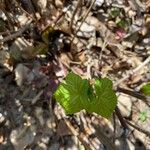
Ribes laxiflorum
Spreading currant · Trailing black currant
Description
Source: leafsnapRibes laxiflorum, commonly known as the Trailing Black Currant, is a deciduous shrub native to western North America. This plant typically reaches a height of 1-2 meters and has a spreading growth habit. Its leaves are green and lobed with toothed edges, while the flowers are small and pinkish-red. The fruit is edible and resembles black currants, but with a milder flavor. The Trailing Black Currant prefers moist soils in shaded areas such as forests or along streams, though it can tolerate drier conditions once established. It serves as an important food source for wildlife, including birds, bears, and small mammals. Indigenous peoples have utilized Ribes laxiflorum for its anti-inflammatory properties. Additionally, its attractive foliage and fruit production give it potential uses in landscaping. Overall, Ribes laxiflorum is a valuable native shrub that supports wildlife and holds promise for medicinal and ornamental applications.
Care Guide
💧 Water Every 7 days
To promote optimal growth, trailing blackcurrants need more water during mid-spring, late spring, and early summer. Be sure to adjust your watering schedule based on the weather and soil moisture levels. From spring to mid-summer, make sure the soil surface is dry before watering again.
☀️ Light Partial sun
Northern black currant occurs naturally in habitats like forest understories and rocky sites, where it grows under natural shade. It prefers partial sun but can tolerate both full sun and full shade, highlighting its hardy and adaptable nature.
What are the sunlight requirements for Trailing blackcurrant (Ribes laxiflorum)?
Trailing blackcurrant (Ribes laxiflorum) flourishes under specific sunlight conditions. It requires 'Full sun', which means it needs above 6 hours of sunlight daily, or 'Partial sun', about 3-6 hours of sunlight. It's important to observe the movement of sunlight throughout your garden to identify areas that offer an ideal balance of light and shade, ensuring the plants' wellbeing and happiness.
🌡️ Temperature 0–32.2°C
Northern black currant occurs in northern regions and in high-mountain zones. It is highly sensitive to temperature, preferring cool conditions and good airflow during summer. Excessive summer heat can damage Northern black currant and may even kill it. Providing suitable shade and regular misting in the hot summer months helps it endure the season. Generally, Northern black currant does not need specific winter protection, but it is important to water it sufficiently before the ground freezes.
What is the Trailing blackcurrant?
The Trailing blackcurrant, known botanically as Ribes laxiflorum, is a plant species with no provided details on its essentials or symptoms. The information lacks specifics regarding its general characteristics, care needs, or any additional notes that might help in understanding or identifying the plant better.
💨 Humidity
🪴 Soil 6-8
🌱 Fertilizer
The timing of fertilizing Northern black currant is critical. Apply fertilizer in early spring and then every month until early summer. Fertilizer promotes attractive blooms and supplies energy both during dormancy and throughout active growth.
🪴 Pot & Repot
✂️ Pruning
Trailing blackcurrant, known for its trailing growth and glossy berries, benefits greatly from early spring pruning. By removing dead or weak branches, you improve air circulation and light penetration, which reduces the risk of disease and boosts fruit production. This practice helps ensure that your trailing blackcurrant remains healthy and productive in your garden.
🌿 Propagating
🐛 Diseases & pets
☠️ Toxicity
Characteristics
- Plant Type
- Shrub
- Life Cycle
- Perennial
- Genus
- Ribes
- Family
- Grossulariaceae
- Hardiness Zone
- 2-7
- Mature Height
- 0.61 m to 1.52 m
- Mature Spread
- 0.91 m to 1.52 m
- Leaf Color
- Green, Dark Green
- Leaf Type
- Deciduous
- Flower Color
- White
- Flower Size
- 0.51 cm to 0.76 cm
- Bloom Time
- Early spring, Mid spring
- Planting Time
- Spring, Summer, Autumn
- Harvest Time
- Mid summer, Late summer, Early fall