Ribes uva-crispa
Gooseberry · European gooseberry · English gooseberry · Common-gooseberry · Whitecurrant
Description
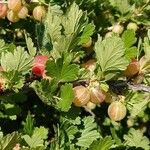
Source: leafsnapRibes uva-crispa, known as gooseberry or European gooseberry, is a species of flowering shrub in the currant family, Grossulariaceae. It is native to Europe, the Caucasus and northern Africa. Gooseberry bushes produce an edible fruit and are grown on both a commercial and domestic basis. Its native distribution is unclear, since it may have escaped from cultivation and become naturalized. For example, in Britain, some sources consider it to be a native, others to be an introduction. The species is also occasionally naturalized in scattered locations in North America.It is one of several species in the subgenus Ribes subg. Grossularia.
🌳 Gooseberry can unexpectedly signal the presence of particular metals in the soil, helping identify soil characteristics for farming and environmental evaluations. Although this use of gooseberry is not well known, it may be crucial for determining whether soil is safe and suitable for other agricultural uses.
🎭 Compassionate
Care Guide
💧 Water Every 1-2 weeks
Gooseberries grow best in cool, temperate regions where they can maintain a balance between tolerating drought and needing consistent moisture. It's recommended to water them once every 1 to 2 weeks. Applying mulch around the plants outdoors can help retain soil moisture, reducing the need for frequent watering during the active growing season.
What is the most effective way to water my Gooseberry plant?
To ensure excellent root development, place a garden hose at the base of the plant. Avoid spraying the leaves directly and keep in mind that outdoor plants facing direct sunlight may need more water for their leaves. You can use bubblers to moisten the roots of each plant and soaker hoses to cover the entire garden or bed when adding or removing plants, ensuring deep root growth. Remember to drain excess water and allow the soil to dry before watering again. Water at ground level to prevent diseases. On sunny days, consider spraying the entire bush with water. Whether potted or in-ground, it's important to prioritize deep watering over light sprinkling for Gooseberry plants.
What should I do if I give the Gooseberry plant too much water or too little water?
If a Gooseberry plant is overwatered, it may experience yellow leaves that eventually fall off and wilt. The plant may also appear unhealthy, with mushy stems. When these signs appear, it's important to adjust your watering schedule as needed. On the other hand, wilting can also indicate under watering, which is characterized by crispy and dry leaves. In such cases, check the soil for dryness and provide a thorough watering if necessary. However, even with sufficient water, the Gooseberry may continue to have dry, yellow leaves for a few days due to damage to the root system. Once the plant returns to normal, the yellowing of leaves will cease. When growing Gooseberries indoors, always monitor the moisture levels in the pot and avoid overwatering. Look out for black spots, which may indicate the need for the soil to dry out for a few days before watering again. Overwatering can result in root rot, so be cautious and avoid excessive moisture in the soil. If root rot is present, consider transferring the plant to a different pot, especially if the roots appear discolored and slimy. Preventing root rot and maintaining proper soil moisture levels are key. When planting Gooseberries outdoors, make sure to dig a little deeper and if the soil feels too dry, it may indicate underwatering. Adequate watering is necessary for the plant's recovery.
How many times should I give water to my Gooseberry plant?
The Gooseberry prefers deep and infrequent watering, especially when planted in pots. When watering, use a gallon of water to fully soak the plant. In pots, the soil dries out faster due to limited water storage. In cold regions, watering is needed every 3 to 5 days. Water in the early morning when the soil is dry, both indoors and outdoors. To determine if watering is needed, check the soil. If the top 2-3 inches are dry, it's time for a full watering. During hot days, check soil moisture daily as heat can quickly dry out pot soil. For gardens, irrigation is necessary. In hot climates, water once a week. Only water outdoors or indoors when about 2 to 3 inches of soil are too dry. Avoid adding water if the plant has received ample rainfall to avoid root rot. Gooseberry plants typically grow in spring and fall. Apply mulch 3 to 4 inches deep around outdoor plants to conserve water. Sandy soil drains faster and requires more frequent watering. Clay soil needs less frequent watering, with intervals of 2-3 days for the plant to dry out and avoid root rot. Keep track of watering dates on a calendar. If the leaves start to droop, it could mean a day late for watering.
How much water does my Gooseberry plant need?
The watering needs of the Gooseberry plant can vary depending on the situation. For potted plants, it is recommended to water them deeply until you see water dripping out of the bottom of the pot. Allow the soil to dry before watering again. To track the amount of water provided, you can use a water calculator or moisture meter on a weekly basis. During the flowering period, it's important to provide ample water, but afterwards, allow the moisture to evaporate to prevent root rot. If the Gooseberry plant is planted outdoors and receives sufficient rainfall, additional watering may not be necessary. However, when the plant is young or newly planted, make sure it receives 1-2 inches of rain per week. As the plant matures, it can rely on rainfall alone, except during extremely hot weather or prolonged periods without rain. In such cases, it is advisable to water the Gooseberry plant thoroughly during cooler times of the day to prevent damage from excessive heat. Additional watering may be required during extended dry spells.
Do I need to change how often I water my Gooseberry plant based on the time of year or different weather conditions?
The Gooseberry plant prefers to be outdoors, relying on rain and only needing extra watering during dry periods. During the spring and fall, keep the soil moist but not too wet for optimal growth. In the summer, hot weather can cause water to evaporate quickly, so watering may be necessary more often. During winter, the plant needs less water as it goes dormant, but make sure the soil has good drainage. When growing in pots, ensure adequate watering, especially during the summer. Water deeply once or twice a week, avoiding shallow sprinkles that only wet the leaves. Avoid excessive drying out during fall and winter, but be cautious not to overwater and drown the plants. Apply mulch to reduce stress, conserve water, and promote healthy blooms.
☀️ Light Full sun
Gooseberry does best in abundant sunlight, reflecting its native open habitat with ample sun exposure. It can also grow under moderate light. Excessive sun may scorch its leaves, while insufficient sunlight can impede its growth and reduce fruiting.
What are the sunlight requirements for gooseberries?
Gooseberries thrive under abundant sunlight, ideally mirroring their native, sunlight-rich habitats. They require full sun, which means above 6 hours of direct sunlight daily, but can also grow under partial sun, receiving about 3-6 hours of sunlight. It's crucial to monitor the plant's exposure carefully; too much direct sunlight might scorch the leaves, whereas insufficient sunlight can impede its growth and fruit production. Observing the movement of sunlight through your garden can help in selecting spots that offer the right mix of light and shade, ensuring the plants' well-being.
How can artificial lighting benefit indoor gooseberry plants?
When natural sunlight is not ample, especially during winter or in less sunny areas, artificial lighting becomes essential for the growth of indoor gooseberry plants. It offers a vital solution that promotes faster, healthier growth. LED lights are a popular option because they can be tailored to provide specific light wavelengths needed by plants. For full sun plants, 30-50W per square foot is recommended, whereas partial sun plants need 20-30W per square foot. The artificial lights should be placed 12-36 inches above the plants, mimicking natural sunlight as closely as possible, and kept on for 8-12 hours per day to simulate the length of natural daylight.
What are the symptoms of insufficient light in gooseberries?
Gooseberries require ample sunlight to thrive; however, when exposed to insufficient light, they may exhibit several symptoms indicating light deficiency. These include smaller new leaves, leggy or sparse growth, premature leaf drop, slower or halted new growth, lighter-colored new leaves, chlorosis (leaf yellowing), sunscald, leaf curling, wilting, and leaf scorching. These symptoms reflect the plant's struggle to adapt to suboptimal lighting conditions, affecting its health and productivity.
How can you address and fix light deficiencies in gooseberry plants?
To combat light deficiencies in gooseberries, consider the following strategies: For indoor plants, gradually move them to a location with at least 6 hours of direct sunlight daily, or use artificial lighting, such as desk lamps or professional grow lights, for a minimum of 8 hours daily. For outdoor plants, find the best sunlight spot and gradually acclimate them by shifting their position weekly. It's crucial to avoid drastic changes in light exposure to prevent sunburn. If sunlight is blocked by obstacles like trees, prune them to improve light penetration. For smaller, movable plants, consider transplanting during their dormant period to a location with ample sunlight and good drainage. It's important to note that while parts of the plant already affected by low light may not recover, new growth should be healthy with improved light conditions.
🌡️ Temperature 5–32.2°C
In its natural habitat, gooseberry thrives at temperatures between 41 and 90 ℉ (5 to 32 ℃). During warmer seasons it needs consistent moisture and prefers cooler conditions of about 60 to 70 ℉ (16 to 21 ℃). In colder periods, with proper protection it can endure temperatures as low as -40 ℉ (-40 ℃).
What are the ideal growing conditions for gooseberry?
Gooseberry plants thrive in temperatures ranging from 41 to 90 °F (5 to 32 °C). They favor consistent moisture, especially during the warmer months, preferring cooler temperatures around 60 to 70 °F (16 to 21 °C). When temperatures drop, gooseberries can withstand cold down to -40 °F/C with proper protection, but they typically don't require special frost protection measures due to their strong cold resistance. It's recommended to water the plant abundantly before the first freeze in autumn to keep the soil from drying out and to wrap the trunk and branches with insulating materials if temperatures are expected to fall below their tolerance threshold.
How does cold weather affect gooseberry plants, and what can be done?
Gooseberry is cold-tolerant and usually fares well during winter if temperatures stay above their minimum tolerance level. If the temperature drops below the plant's growth limit, the branches may not show immediate damage in winter but can become brittle and fail to produce new shoots by spring. To mitigate this, it's advisable to prune away any dead branches in spring to encourage new growth.
How should gooseberry plants be cared for in high temperatures?
During the summer, it's crucial to keep gooseberry plants cool and protect them from temperatures that exceed their maximum tolerance. Excessive heat may cause the leaves to lighten in color, dry out, and make the plant susceptible to sunburn. To help the plant cope, trim away the sunburned and dried parts, move it to a shaded location or create shade with a cloth during the hottest parts of the day, and water the plant during cooler morning and evening hours to maintain soil moisture.
💨 Humidity
🪴 Soil 6-7
🌱 Fertilizer Every 110 days
The gooseberry plant needs adequate nutrients to achieve the best fruit production. Fertilize in early spring to encourage new growth and bloom development. Regular feeding keeps the plant healthy, produces more flavorful fruit, and prevents nutrient deficiency problems such as yellow leaves and poor fruiting.
Why is it important to put fertilizer on my Gooseberry plant?
The growth of plants can cause the soil to lose nutrients, especially with fast-growing plants. That's why it's important to regularly fertilize Gooseberry plants to give them the extra nutrients they need. This not only helps them stay healthy, but also allows them to produce more delicious fruit. If plants aren't fertilized for a long time, they can face various problems. One common issue is foliage problems, such as yellow leaves or leaves turning reddish. Other problems include shape deformities, withered tips, or portions of the plant dying off. Some nutrient deficiencies can also affect bark, growth, shoot development, and fruit production.
When should I fertilize my Gooseberry plant?
The best time to fertilize Gooseberry is in early spring, before the buds emerge. During this time, Gooseberry is coming out of winter dormancy and using stored reserves to grow. To support the development of blooms, fertilizing 2 to 4 weeks before expected blooming allows enough time for nutrients to be absorbed and dispersed throughout the plant. While you can continue to feed Gooseberry in spring, it's recommended not to fertilize in autumn as this can lead to late-season foliage development, making the leaves vulnerable to winter damage.
When is it not a good idea to fertilize my Gooseberry?
When it comes to fertilizing Gooseberry plants, it's best to avoid doing so in their first year of growth. Even in subsequent years, be cautious and only provide fertilizer if it's absolutely necessary. If you pruned 20% or more of the plant the previous year, avoid fertilizing altogether. It's also important to refrain from fertilizing plants that are diseased or damaged, as this can cause more harm than good. Remember, fertilizer is not a cure-all, so address the underlying issue before considering feeding the plant again. Furthermore, it's recommended not to fertilize after the peak of summer as this can result in excessive growth just before winter. Avoid fertilizing Gooseberry during hot and dry periods as well, since dry soil doesn't effectively deliver fertilizer. At this time, fertilizing can stimulate growth that requires more water, which may not be readily available. It's best to apply fertilizer earlier in the season when temperatures are cooler. Lastly, keep in mind that Gooseberry can absorb fertilizer from nearby plants or lawns. So, exercise caution to avoid inadvertently providing double doses of fertilizer to your plants.
What kind of plant food does my Gooseberry need?
Using fertilizer that contains a balance of nitrogen, phosphorus, and potassium can bring many benefits to plants. Nitrogen is important for leaf growth and chlorophyll production. Phosphorus helps support the root system and promotes the development of blossoms, fruits, and seeds. Potassium plays a role in photosynthesis and the movement of water and nutrients throughout the plant. When choosing a fertilizer, you can opt for a commercial one that is specifically designed for a particular type of tree. Alternatively, you can use organic sources of nitrogen such as manure, feather meal, or blood meal. To ensure you apply fertilizer accurately, conducting a soil test can give you a better understanding of the condition of your soil. For commercial fertilizers, if your soil lacks sufficient phosphorus and potassium according to the soil test, you can use a balanced granular fertilizer with a ratio of 10-10-10 or similar. In most cases, nitrogen in the soil is continuously depleted with rainfall. If your soil already has enough phosphorus and potassium, it would be more appropriate to use a high-nitrogen fertilizer with a ratio of 6-2-1 or 10-2-2.
How should I add nutrients to my Gooseberry plant?
To properly fertilize your Gooseberry, always follow the instructions on the specific fertilizer and conduct some research on how to use it. Over-fertilizing can harm your Gooseberry, so it is essential to determine the correct amount to use, especially for fruit trees. A general guideline is to use the age of the tree or the trunk's diameter to determine the amount of fertilizer. Estimate about one-tenth of a pound of fertilizer per year or per inch of trunk, with a maximum of one pound. It is worth noting that you should avoid fertilizing a Gooseberry during its first few years. Granular fertilizers and organic options like blood meal are typically sprinkled around the tree's base, extending to the drip line (the area beneath the outermost branches). Ensure that the fertilizer does not come into contact with the trunk. Over time, the granules will break down and seep into the soil to be absorbed by the roots. After fertilizing, apply a one-inch layer of compost around the tree's base and thoroughly water it.
🪴 Pot & Repot 2-3 years
When repotting Gooseberry, pick a pot 1–2 inches (2.5–5.1 cm) larger that has good drainage. Use a potting mix that drains well. Repot in spring or fall, making sure the root ball sits slightly below the rim of the flower pot. Water well after repotting and place it in a warm area with indirect sunlight.
✂️ Pruning
To maintain healthy gooseberry plants, prune them during their dormant phase from early to late winter. Focus on removing dead or weak stems and thinning out overcrowded branches. This will improve air circulation, encourage new growth, and increase fruit yield. Proper pruning also enhances disease resistance and the quality of the fruit. For detailed instructions, consult horticultural resources.
🌿 Propagating
🐛 Diseases & pets
☠️ Toxicity
Characteristics
- Plant Type
- Shrub
- Life Cycle
- Perennial
- Genus
- Ribes
- Family
- Grossulariaceae
- Hardiness Zone
- 4-8
- Mature Height
- 1.52 m
- Mature Spread
- 0.91 m to 1.22 m
- Leaf Color
- Green
- Leaf Type
- Deciduous
- Flower Color
- Pink
- Flower Size
- 0.20 cm to 0.25 cm
- Bloom Time
- Mid spring, Late spring
- Planting Time
- Spring, Autumn
- Harvest Time
- Early summer, Mid summer
- Native Area
- Turkey, Austria, Slovakia, Montenegro, Croatia, Morocco, Slovenia, Russia, Germany, Romania, Belgium, Netherlands, France, Czech Republic, Bulgaria, Poland, Greece, Ukraine, Italy, Spain, Switzerland, Iran, Albania, United Kingdom, Hungary, Algeria