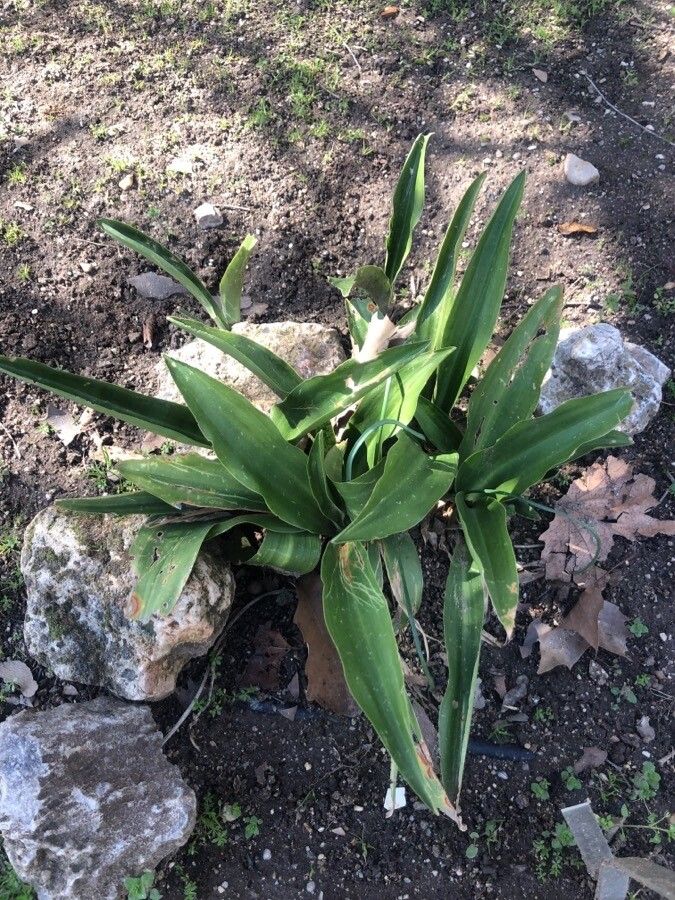
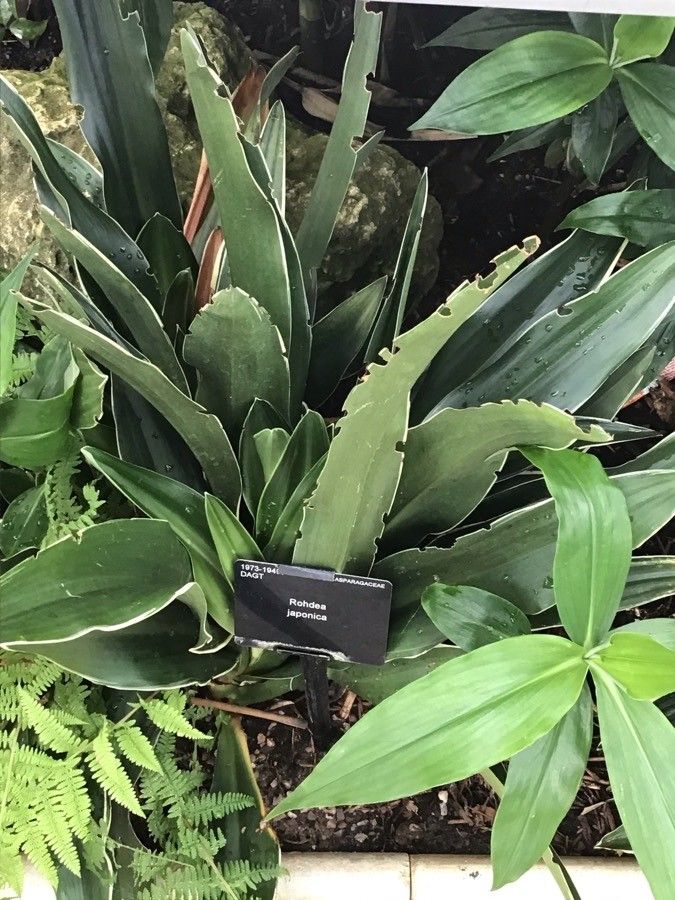
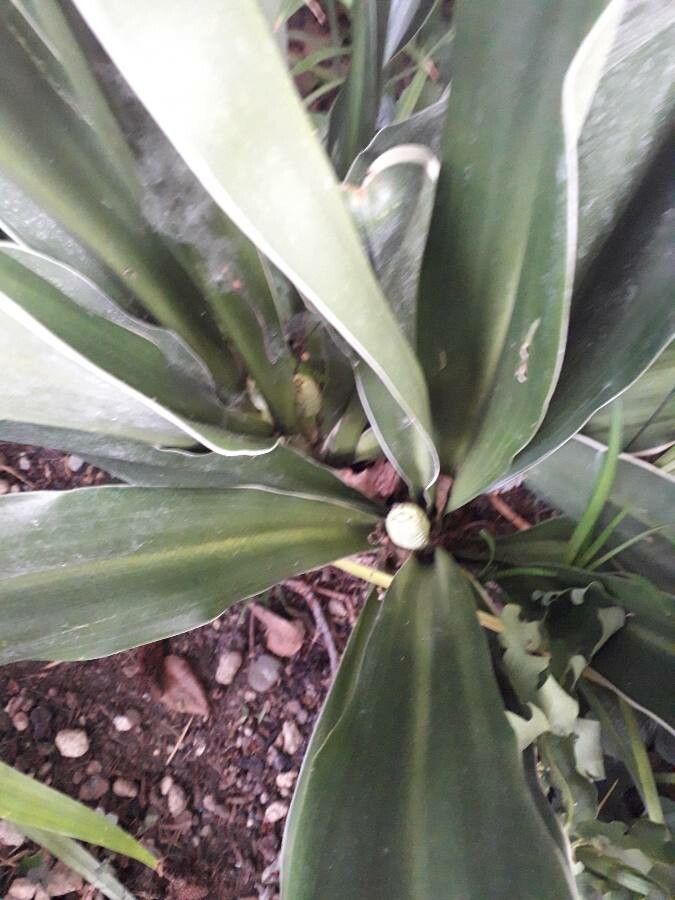
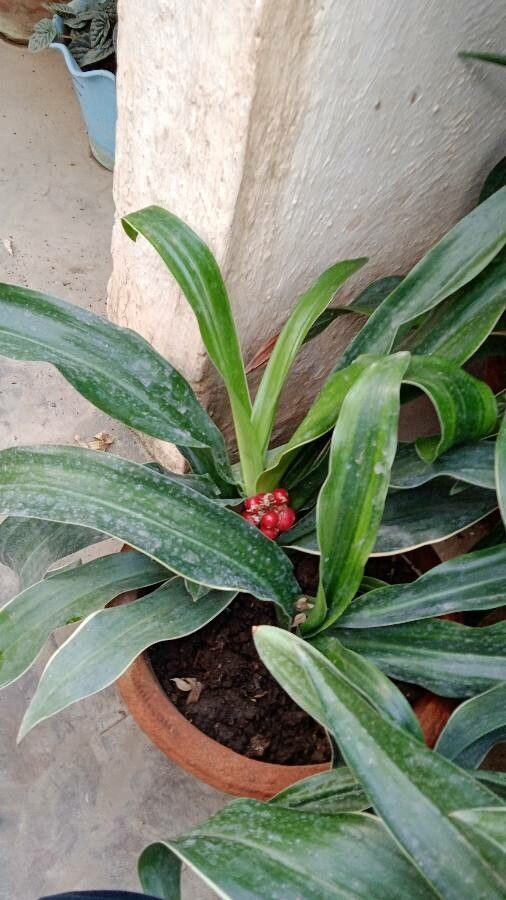
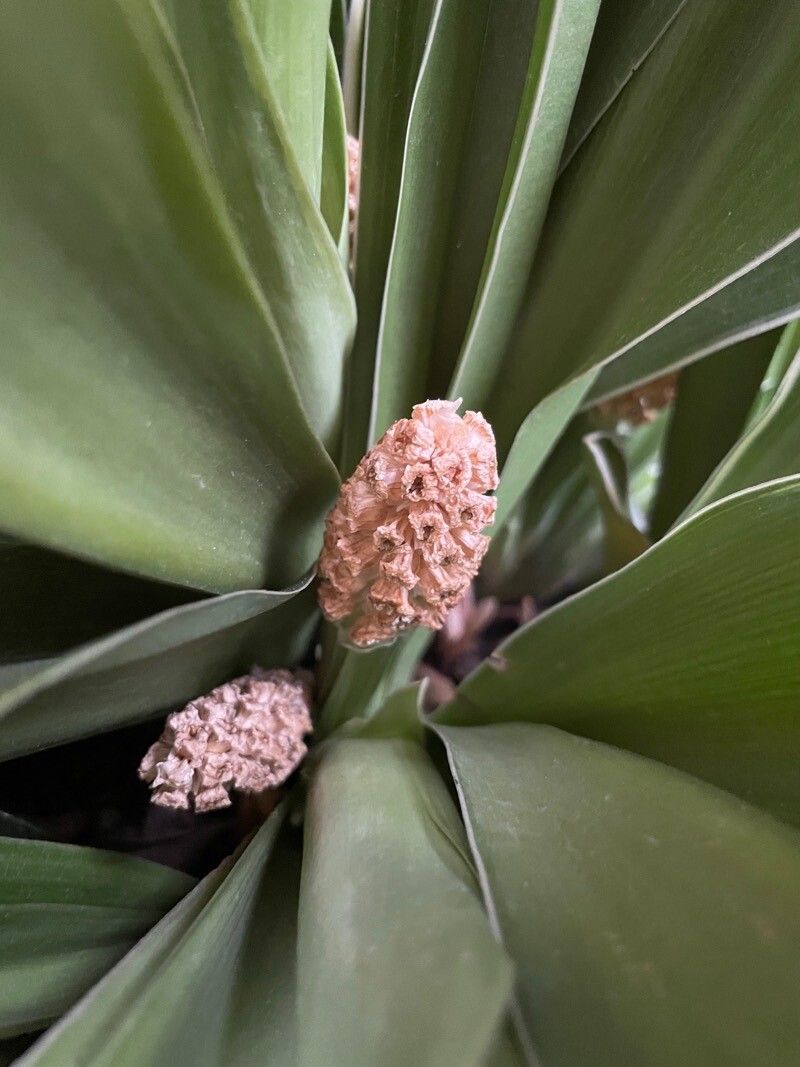
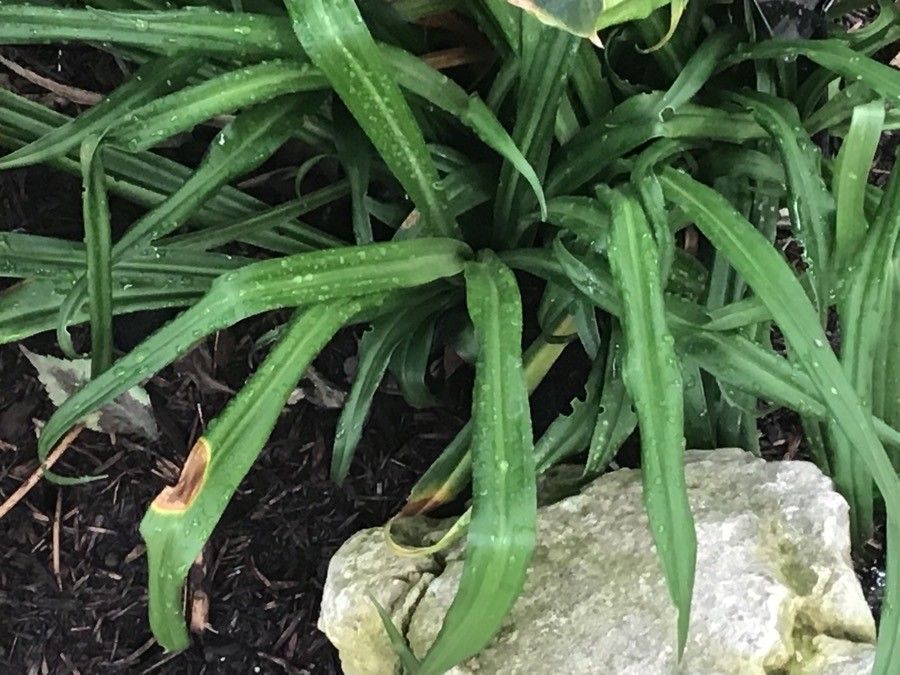
Rohdea japonica, also known as the Japanese sacred lily or nanten, is a perennial evergreen plant native to Japan and Korea. It belongs to the Asparagaceae family and is a popular ornamental plant due to its attractive foliage and bright red berries. The plant typically grows up to 30 cm in height, featuring glossy green leaves that are leathery in texture and arranged in a rosette pattern. The leaves are lance-shaped with pointed tips, measuring up to 20 cm long and 5 cm wide.
Rohdea japonica produces small white flowers that bloom on short stalks during late summer or early fall. These flowers are followed by bright red berries that persist throughout winter, providing an attractive display of color against the green foliage.
The Japanese sacred lily prefers partial shade or filtered sunlight and well-draining soil rich in organic matter. It is relatively low maintenance but requires regular watering during dry periods.
Dumb cane is a beautiful and hardy plant with vibrant leaves. It is believed to inspire innovation and determination in its owner. Many people now enjoy growing it at home because it not only purifies the air but also serves as an attractive ornamental plant. FUN FACT · FROM THE LIBRARY
In traditional Japanese culture, Rohdea japonica has been considered an auspicious symbol of good luck for centuries due to its evergreen nature and long-lasting red berries, which symbolize prosperity. Today, it remains popular not only for ornamental purposes but also for traditional medicinal uses. Its roots contain saponins, among other compounds known for their anti-inflammatory properties, and have been used to treat fever, inflammation, and coughs, among other ailments.
Nippon lily has good disease resistance and is generally not prone to illnesses. However, it can be affected by pests and diseases present in its environment. These infections are typically not serious. Regarding care, this plant needs moderate maintenance. It should be pruned regularly to preserve a neat appearance and support healthy growth. Fertilizing can also encourage flowering. Nippon lily is suitable for anyone with an outdoor area, such as a garden or patio, and does not require extensive care experience. It may demand more attention when grown indoors.
How to keep Rohdea Japonica.
Light
Nippon lily grows best with a moderate amount of sunlight, mirroring its natural habitat that isn’t exposed to continuous sun. It can withstand lower light levels, though this may slow its growth. Excessive sun can scorch the leaves or lighten their deep green hue, so it’s important to prevent overexposure.
Water
The Nippon lily, originally from woodland understories, thrives in environments with consistent moisture and can adapt to different watering schedules. For optimal health, it is recommended to water it weekly. As an evergreen plant, the Nippon lily requires stable moisture levels to maintain its foliage, especially in indoor settings where humidity levels can fluctuate.
Temperature
Nippon lily is native to temperate areas and grows best in climates where temperatures range from 59 to 95 °F (15 to 35 ℃). In colder seasons, it's recommended to keep the temperature close to its natural preference.
Fertilizer
The best time to fertilize a Nippon lily is in early spring, as it comes out of dormancy and begins active growth. Fertilization supplies the essential nutrients needed for healthy growth. Although a Nippon lily has relatively low fertilizer requirements, applying fertilizer once a year can improve its survival and encourage better, longer-lasting flowers.
Pruning
The Nippon lily is characterized by its broad, glossy green leaves and star-shaped flowers, requiring minimal pruning. To encourage healthy growth and improve air circulation, you should focus on removing dead or damaged leaves and spent flower stalks in early spring. This will enhance the plant's vitality while preserving its natural form.
Botanical profile.
- Plant Type
- Herb
- Life Cycle
- Perennial
- Genus
- Rohdea
- Family
- Asparagaceae
- Hardiness Zone
- 7-9
- Mature Height
- 15 cm to 30 cm
- Mature Spread
- 30 cm to 61 cm
- Leaf Color
- Green, Black
- Leaf Type
- Evergreen
- Flower Color
- White
- Flower Size
- 0.51 cm to 0.51 cm
- Bloom Time
- Early summer, Mid summer
- Planting Time
- Spring, Autumn
- Harvest Time
- Mid fall, Late fall, Early winter
- Native Area
- Japan, China
Other names.
Reader questions.
What are the ideal temperature conditions for Nippon lily?
The Nippon lily, or Rohdea japonica, is native to temperate regions and flourishes in climates with temperatures ranging from 59 to 95 °F (15 to 35 °C). It demonstrates strong cold resistance, meaning special frost protection measures are generally not required. However, during winters when temperatures are expected to drop below -15°C, it's important to take steps to protect the plant from cold. This can involve covering the plant with soil or straw. Additionally, to guard against drought and water scarcity, it's advisable to water the plant abundantly before the first freeze of autumn so the soil stays moist and goes into a frozen state prepared.
How does low temperature affect Nippon lily?
Nippon lily can tolerate cold conditions and prefers temperatures to remain above 15°C. While it can withstand winters where temperatures stay above -10°C, exposure to temperatures below -15°C can lead to issues. Although the plant may not show immediate signs of distress during winter, such low temperatures can result in reduced sprouting or failure to sprout at all in the spring. To mitigate this, any parts of the plant that have not sprouted by spring should be removed.
What should be done if Nippon lily experiences high temperatures?
During the summer months, the temperature surrounding a Nippon lily should ideally remain below 35°C. If temperatures exceed 38°C, the plant's leaves may become lighter, curl, suffer from sunburn, and, in severe cases, the plant may wilt and dry out completely. In such situations, it is advisable to trim away the sunburned and dried parts of the plant. To protect the plant from intense sun, move it to a shaded area or use a shade cloth, especially during the midday and afternoon hours. Ensuring the soil remains moist by watering in the morning and evening can also help in high temperature conditions.