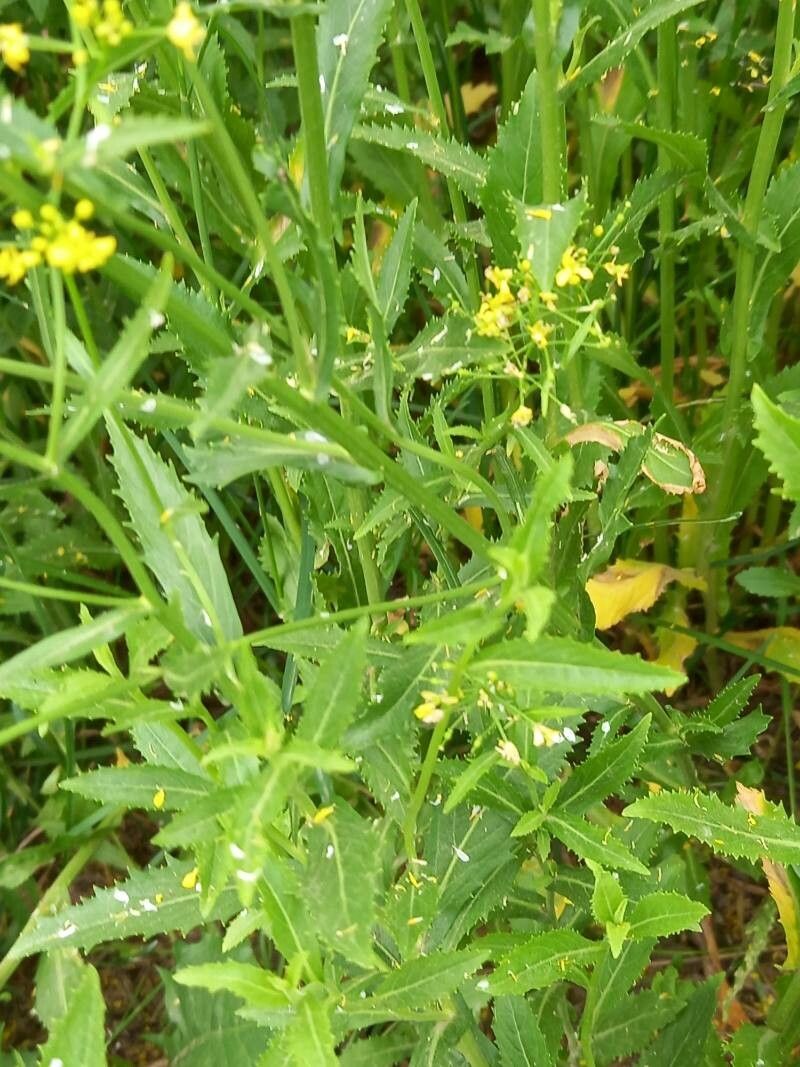
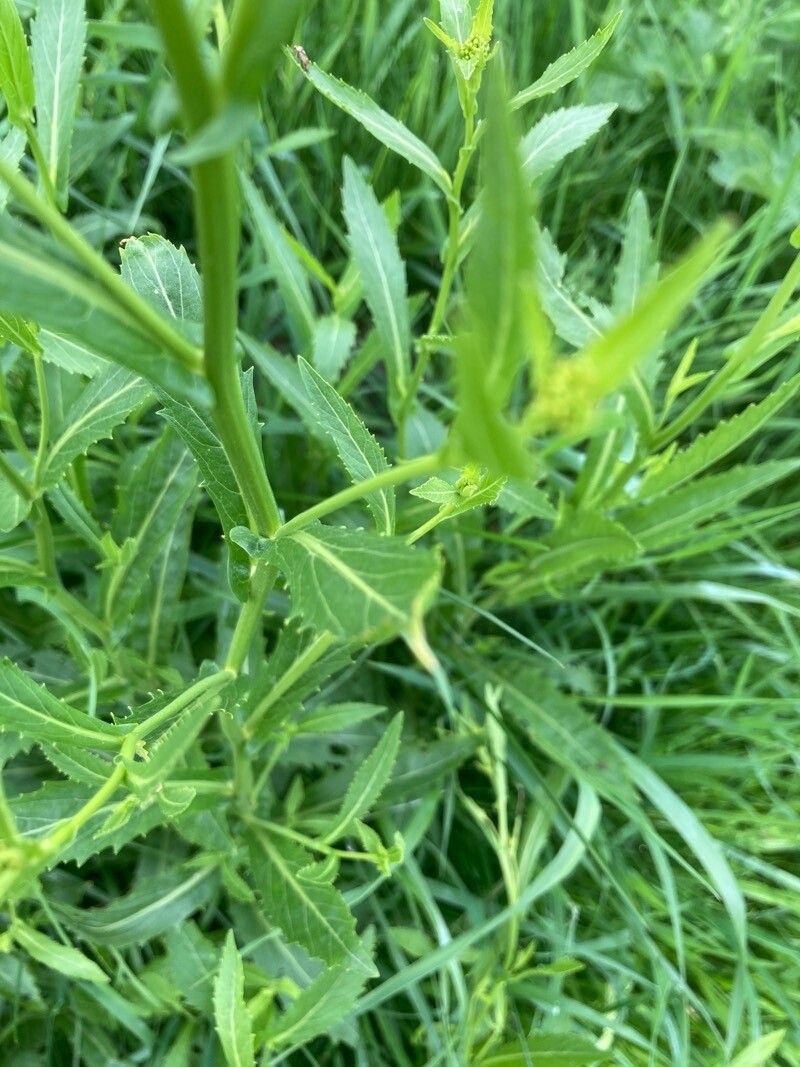
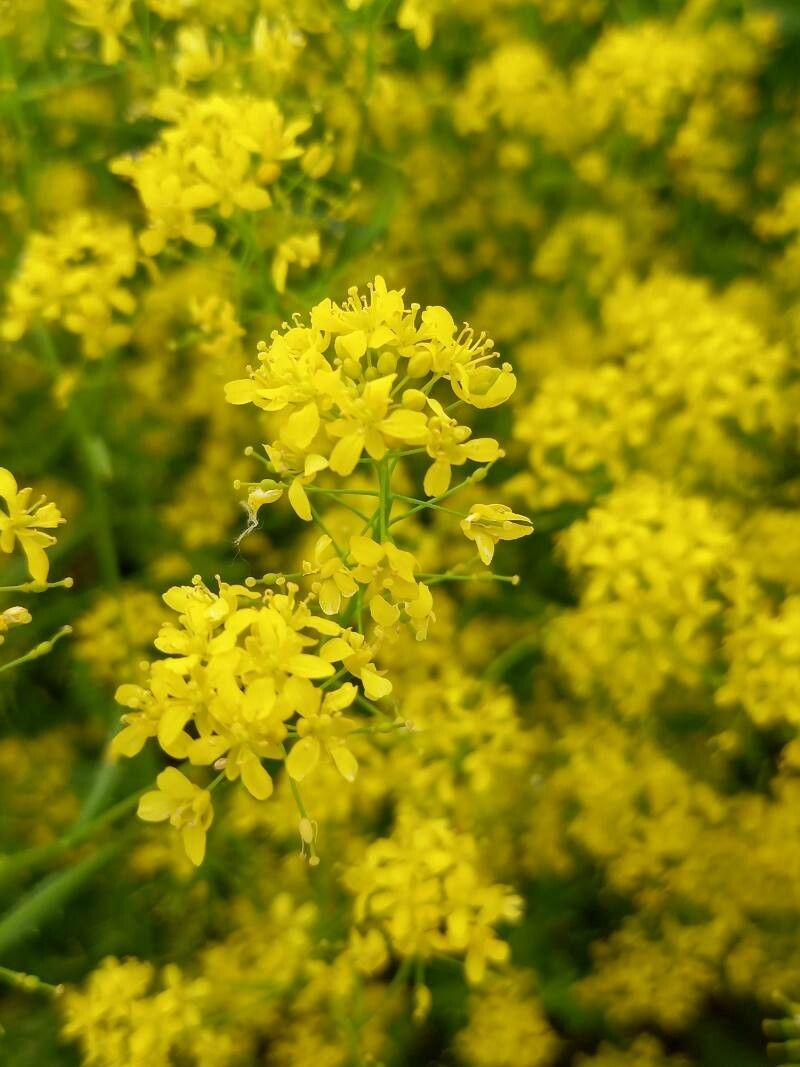
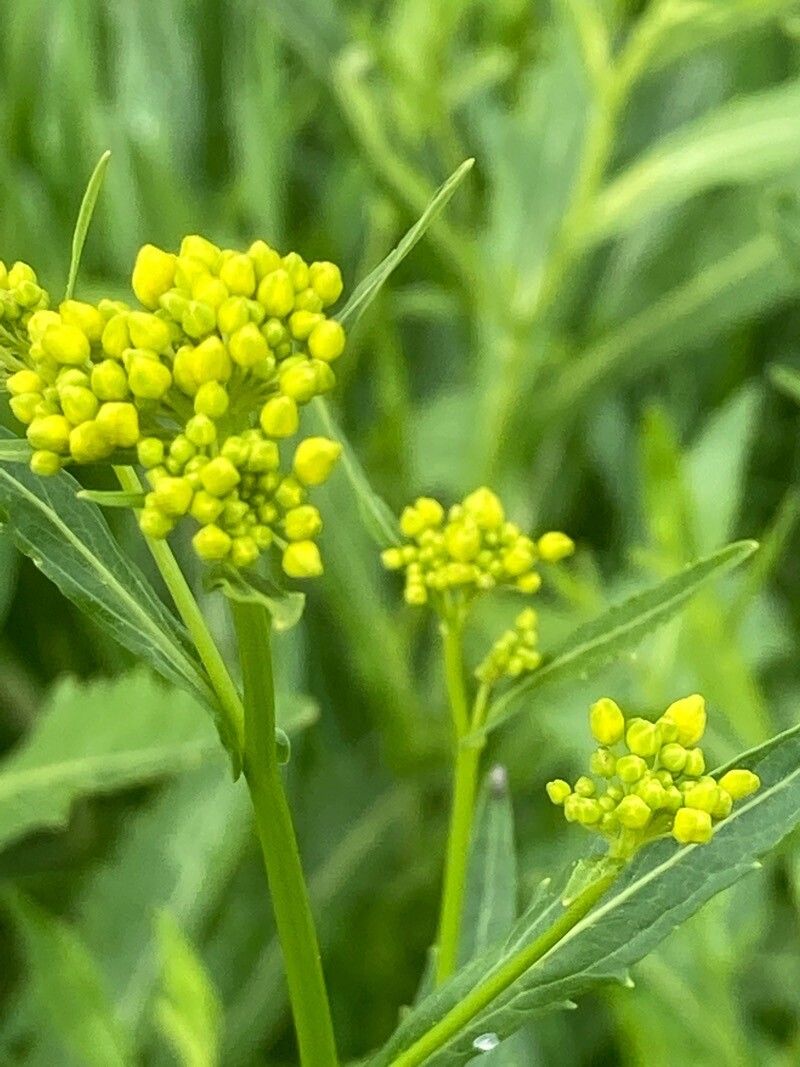
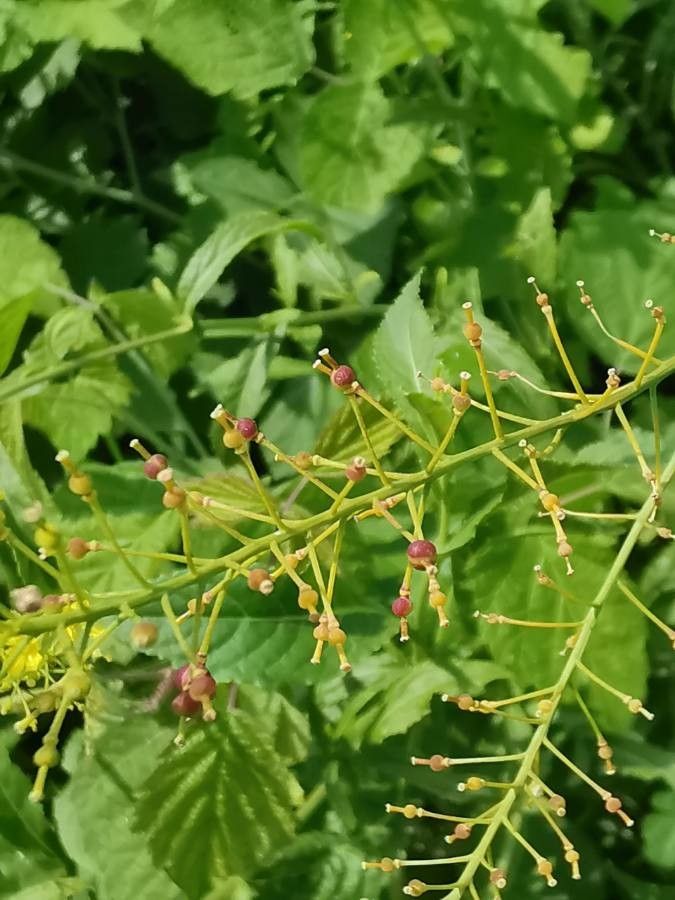
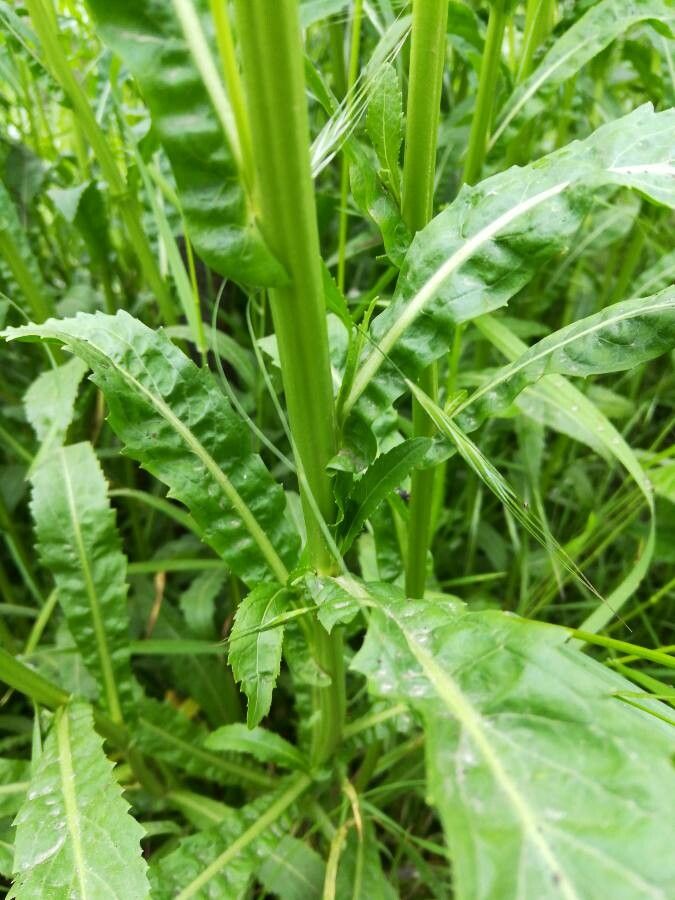
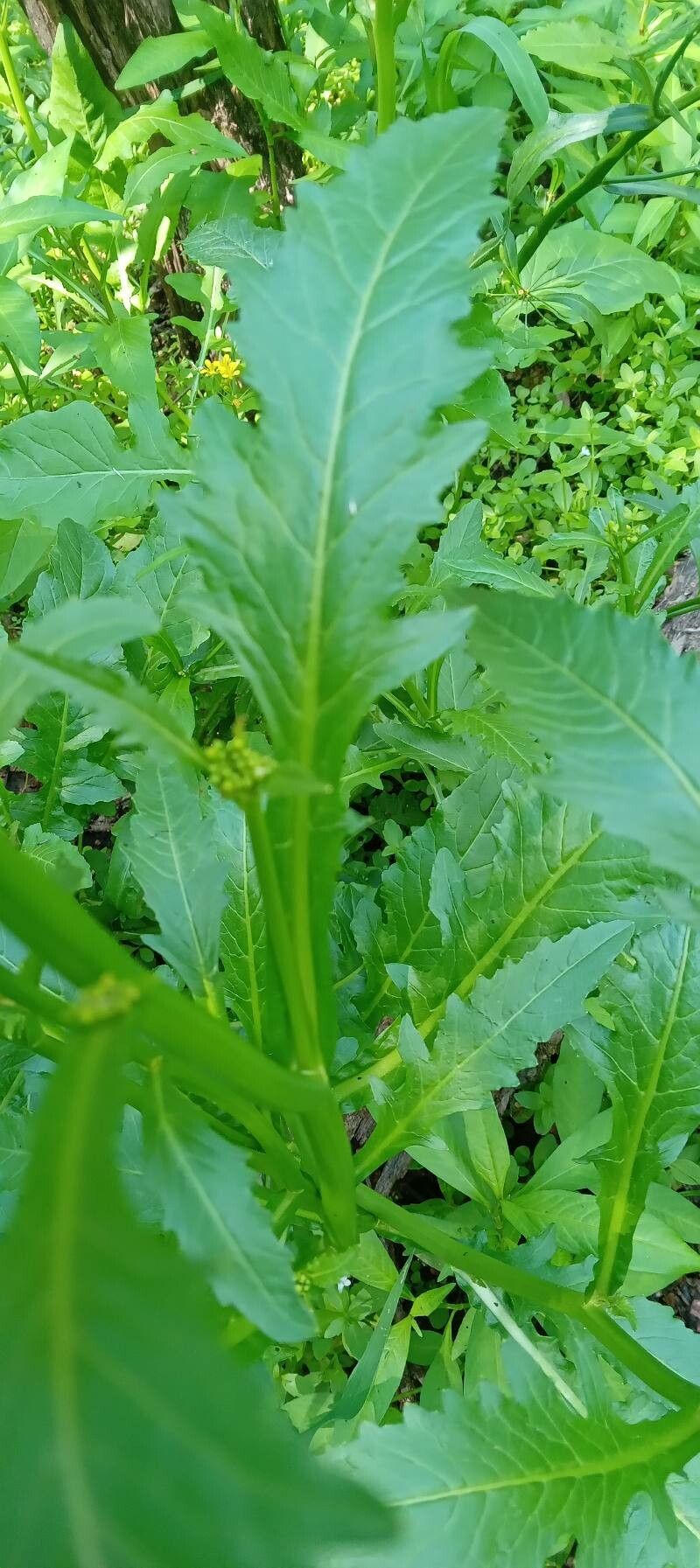
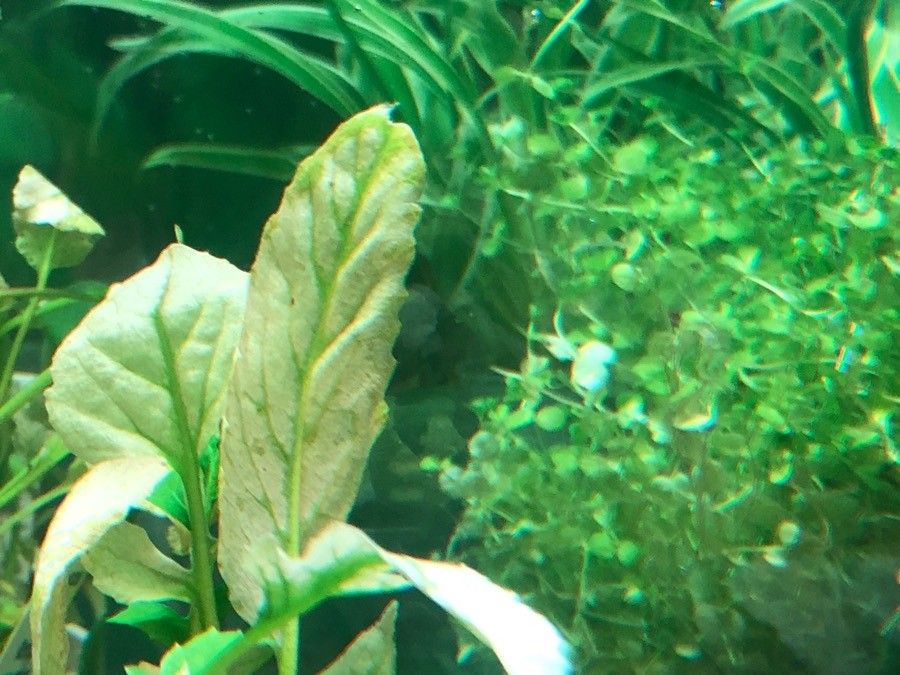
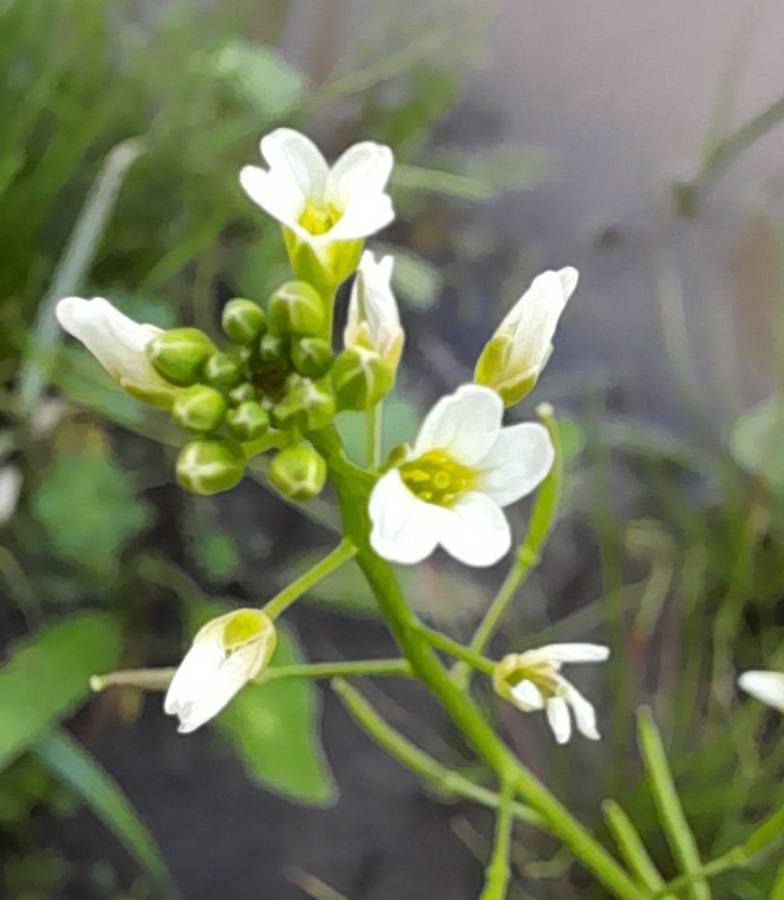
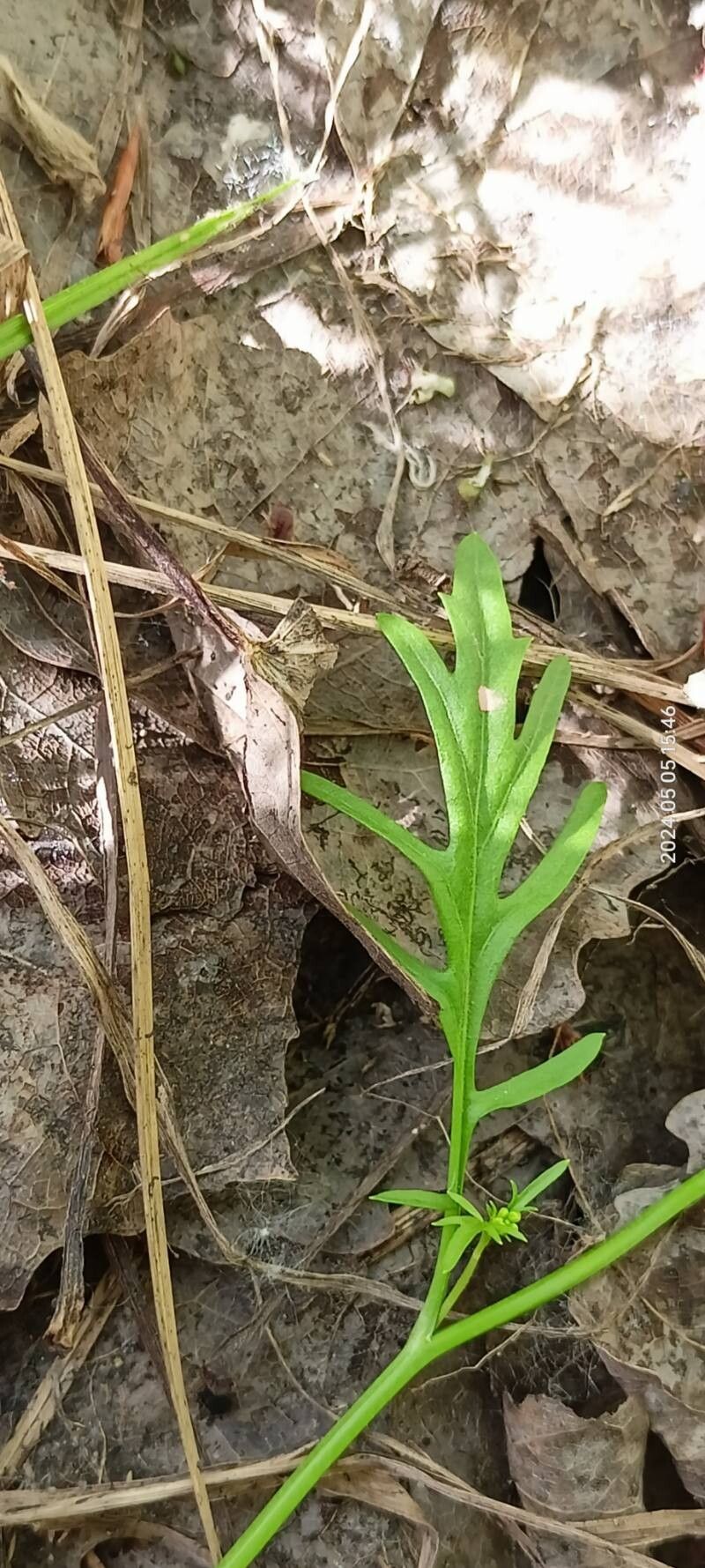
Rorippa austriaca is a species of flowering plant in the family Brassicaceae known by the common names Austrian yellow-cress and Austrian fieldcress. It is native to parts of Europe and Asia, and it is known in North America as an introduced species and sometimes a noxious weed. It can grow in disturbed habitat, such as roadsides, and in very wet habitat such as mudflats. It is a perennial herb growing upright to erect, reaching a maximum height near one meter. The branching stem bears hairless blue-green lance-shaped leaves up to 10 centimeters long. The bases of the upper leaves clasp the stem. The inflorescence is a raceme at the top of the stem and the ends of stem branches. The mustardlike flowers have small yellow petals. The fruit is a plump silique a few millimeters long, but many plants do not fruit and seed production is rare. Reproduction in this species is more often vegetative, the plants concentrating their growth in belowground tissue and spreading clonally. The root system of the plant is particularly aggressive, sending up many new plants as it spreads.
Austrian yellow cress is fairly disease-resistant and is generally not susceptible to disease. However, it can still be vulnerable to pests and pathogens present in its environment. Such infections are typically mild. In terms of care, the plant needs moderate maintenance. Regular pruning is necessary to maintain a neat appearance and support healthy growth. Applying fertilizer can also encourage flowering. Austrian yellow cress is suitable for anyone with outdoor space, such as a garden or patio, and does not require extensive plant-care experience. When grown indoors, it may need more attention.
How to keep Rorippa Austriaca.
Light
Austrian yellow cress is native to habitats like forest understories and rocky areas, where it occurs in natural shade. It prefers partial sun but can tolerate full sun or full shade, demonstrating its versatility and hardiness.
Water
Austrian yellow cress is native to moist environments and thrives in consistently damp conditions. It does best with weekly watering, as long as the soil is not oversaturated. When grown outdoors, the plant’s growth is closely tied to the availability of water, highlighting the importance of efficient irrigation to maintain its optimal health.
Temperature
Austrian yellow cress can tolerate a wide range of temperatures, but its distribution may still be constrained by different combinations of moisture and heat. It grows best in warm summer climates with adequate rainfall or watering. Extended periods of cloudy, rainy weather or prolonged high temperatures can raise the likelihood of Austrian yellow cress dying. In winter, protecting the plant from cold can increase its chances of survival.
Fertilizer
One fertilizer application in spring is typically enough for Austrian yellow cress, although repeated feedings can maximize growth. Fertilize every month to six weeks. Feeding improves the appearance and function of the leaves, encouraging uniform color and a healthy texture. It also promotes root development and nutrient uptake for the plant's long-term health.
Pruning
Austrian yellow cress benefits from regular pruning, ideally conducted between early and late spring. This practice encourages healthy growth by removing dead or diseased stems and excess foliage, thereby improving air circulation and reducing the risk of disease. For detailed pruning techniques specific to Austrian yellow cress, consult reputable horticultural sources.
Botanical profile.
- Plant Type
- Herb
- Life Cycle
- Perennial, Biennial
- Genus
- Rorippa
- Family
- Brassicaceae
- Hardiness Zone
- 4-8
- Mature Height
- 91 cm
- Mature Spread
- 20 cm to 49 cm
- Leaf Color
- Green, Dark Green
- Leaf Type
- Semi-evergreen
- Flower Color
- Yellow
- Flower Size
- 0.25 cm
- Bloom Time
- Late spring, Early summer, Mid summer
- Planting Time
- Spring, Summer, Autumn
- Harvest Time
- Mid summer, Late summer, Early fall
- Native Area
- Turkey, Austria, Czech Republic, Slovakia, Bulgaria, Armenia, Poland, Croatia, Belarus, Ukraine, Serbia, Russia, Lithuania, Norway, Hungary, Germany, Kazakhstan, Estonia, Albania, Azerbaijan, Romania, Latvia
Other names.
Reader questions.
How should I water my Austrian yellow cress?
To properly water the Austrian yellow cress, it's important to use filtered water at room temperature. Tap water may contain harmful particles, so filtered water is preferred. The reason for using room temperature water is that this plant is adapted to warm environments and cold water can be a shock to its system. Avoid watering from above, as it can cause problems with the foliage. Instead, gently pour the filtered room temperature water onto the soil until it is completely soaked. This method is beneficial as it helps moisten the roots and allows them to spread and gather necessary nutrients from the soil.
What are the sunlight requirements for plants?
Plants require varying amounts of sunlight depending on their type. Partial sun plants need about 3-6 hours of sunlight, whereas full sun plants thrive on more than 6 hours of sunlight daily. It's vital to observe the movement of sunlight through your garden, choosing spots that offer a balanced mix of light and shade to ensure the health and happiness of your plants.
What should I do if I give my Austrian yellow cress too much or too little water?
Both overwatering and underwatering can harm your Austrian yellow cress, but overwatering is more common. Too much water can cause wilting and yellowing of the stems and leaves. Additionally, it can lead to diseases like root rot, mold, and mildew, which can be fatal for the plant. On the other hand, underwatering is less likely as the Austrian yellow cress can tolerate drought fairly well. However, when underwatering does occur, the leaves may become brittle and brown. It's important to be vigilant for signs of overwatering as some diseases, like root rot, may be irreversible if not addressed promptly. If you notice early signs of overwatering, reduce your watering schedule and check the soil's drainage. If the soil drains poorly, replace it with a loose, well-draining potting mix. If the signs indicate underwatering, simply water more frequently until the symptoms improve.
What are the essentials for growing Austrian yellow cress?
Austrian yellow cress, a perennial herbaceous plant, is native to environments like forest understories or rocky areas and favors partial sun but can also grow in full shade. This versatility makes it suitable for various garden spots. In scenarios where natural sunlight is scarce, especially indoors, using artificial lighting can be beneficial. Artificial lights, such as LED, should be chosen based on the plant's specific light requirements, typically ranging from 10-50W/sq ft depending on whether the plant is full sun, partial sun, or full shade, positioned 12-36 inches above the plant, and kept on for 8-12 hours to mimic natural daylight.
How frequently do I need to water my Austrian yellow cress?
If your Austrian yellow cress is planted in a pot, the best way to determine if it needs water is to check the soil moisture by inserting your finger into it. If the top two to three inches of soil are dry, it's time to water the plant. For those growing Austrian yellow cress in the ground, the same method can be used. When the top few inches of soil have dried out, it's time for watering. Typically, during spring and early fall, watering once a week is sufficient. However, during extremely hot weather, watering frequency may need to be increased to twice per week or more. It's worth noting that mature and well-established Austrian yellow cress plants have the ability to tolerate drought.
What symptoms indicate insufficient light in Austrian yellow cress, and how can they be addressed?
Symptoms of light deficiency in Austrian yellow cress include smaller new leaves, leggy or sparse growth, faster leaf drop, slower or no growth, lighter-colored new leaves, chlorosis, sunscald, leaf curling, wilting, and leaf scorching. To address these, you can gradually move the plant to brighter spots, use artificial lighting if needed, and ensure it receives 3-6 hours of direct sunlight. For outdoor plants, slowly adapt them to sunnier spots to prevent sunburn. Reducing obstructions like trees by pruning and transplanting smaller plants to sunnier locations with good drainage can also help increase sunlight exposure. Notably, parts of the plant that have been negatively affected by insufficient sunlight may not recover, but new growth should be healthy with increased light exposure.
How much water does my Austrian yellow cress plant need?
When watering your Austrian yellow cress, make sure to give it plenty of water. Allow the top two to three inches of soil to dry before watering. Give the plant a thorough watering, making sure to soak the soil completely. You should add enough water for excess water to drain through the pot's drainage holes. If you don't see any excess water draining, you may not have watered enough. However, avoid letting water accumulate in the soil, as this can be harmful to the plant. If the water isn't draining properly, it could be due to poorly draining soil, which can be detrimental to the plant's health. If the plant is outside, 1 inch of rain per week is enough.
How do I water my Austrian yellow cress as it grows?
The water needs of the Austrian yellow cress vary depending on its growth stages. When the cress is young or recently transplanted, it requires more water to support the development of new roots and future growth. Once it has matured, it requires less water. Another stage that may require more water is during the bloom period, as the plant uses more moisture for flower development.
How do I water my Austrian yellow cress in different seasons?
The Austrian yellow cress has its highest water needs in the hottest months of the year, particularly during the summer. You may need to water this plant more than once per week during the peak of summer, depending on how quickly the soil dries out. However, in winter, the plant enters a dormant phase and requires significantly less water. In fact, you may not need to water the plant at all during this time. If you choose to water in winter, it should be done no more than once per month. Overwatering during winter increases the risk of disease in the Austrian yellow cress.
What's the difference between watering my Austrian yellow cress inside and outside?
Austrian yellow cress is commonly grown indoors, especially in non-temperate and tropical regions. If you grow it in a container, keep in mind that the soil can dry out faster than ground soil. Factors such as air conditioning can also increase the frequency of watering needed for the plant. On the other hand, if you plant it outside and receive regular rainfall, you may not need to water it much at all. However, if you grow this plant indoors, you will need to water it more often since rainwater cannot soak the soil.