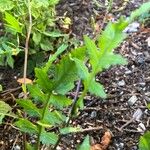
Rorippa palustris
Marsh Yellow-cress · Marshcress · Yellow cress · Yellow-watercress · Bog Marshcress
Description
Source: leafsnapRorippa palustris, marsh yellow cress, is a species of flowering plant in the family Brassicaceae. It is widespread and native to parts of Africa, and much of Asia, Europe and Eurasia, North America and the Caribbean. It can also be found in other parts of the world as an introduced species and a common weed, for example, in Australia and South America. It is an adaptable plant which grows in many types of damp, wet, and aquatic habitat. It may be an annual, biennial, or perennial plant, and is variable in appearance as well.
🌳 Although commonly overlooked, bog yellowcress not only decorates marshy areas but also figures in the diets of people in some places. The plant is edible: its leaves are sometimes eaten as a sharp, peppery addition to salads, and its seeds can be used as a potential source of oil. Nutritious, it warrants attention in talks about underutilized food resources, especially because it is resilient and grows easily in wet habitats.
Care Guide
💧 Water
Bog yellowcress thrives in marshy environments and prefers consistent moisture, making it well-suited to semi-aquatic conditions. To keep it properly hydrated, it requires weekly watering, which highlights its resilience to fluctuating water levels caused by changing rainfall patterns.
How should I water my Bog yellowcress to make sure it grows well?
To water Bog yellowcress, there are a few options you can choose from. You can use a garden hose with a spray nozzle, a watering can, or any other common watering tool. This plant is not very picky when it comes to water sources - it can thrive with rainwater, tap water, or even filtered water. However, it's generally best to avoid watering the plant from above as it can harm the leaves and flowers and potentially cause disease. Instead, setting up a drip irrigation system can be the most effective way to water Bog yellowcress. These systems distribute water evenly and directly into the soil. If you have a container-grown Bog yellowcress, you can adapt the same watering approach but change the tools you use. Use a cup, watering can, or just your tap to water the soil directly.
What should I do if I give my Bog yellowcress too much or too little water?
The solution for underwatering Bog yellowcress is simple - water it more consistently when you notice it is lacking moisture. However, overwatering can be a more serious problem that may lead to disease and death of the plant. To prevent this, choose a suitable location with plenty of sunlight to dry out the soil and good drainage to avoid waterlogging. If you have overwatered Bog yellowcress in a pot, consider transferring it to a new pot with better drainage and loose soil.
How frequently should I give water to my Bog yellowcress?
Bog yellowcress needs regular watering throughout the growing season. In spring, water once a week. As it gets warmer, increase watering to two to three times per week, but avoid overwatering. The soil should be moist but not wet. If you're growing Bog yellowcress in a pot, you'll need to water more frequently, as the soil can dry out faster. Generally, water container-grown Bog yellowcress a few times per week compared to once per week for plants in the ground.
How much water does my Bog yellowcress plant require?
To determine how much water to give your Bog yellowcress, there are a few options. Some gardeners prefer to feel the soil for moisture and water until the first six inches of soil feel moist. Alternatively, you can use a set measurement, like about two gallons of water per week, depending on the temperature and how quickly the soil dries. However, be cautious of overwatering if your plant needs less than two gallons per week. When growing Bog yellowcress in a container, you'll need a different approach. Moisturize all the dry layers of soil by either feeling the soil with your finger or watering until excess water trickles out of the pot's drainage holes.
How do I know if I'm giving enough water to my Bog yellowcress?
Avoiding overwatering your Bog yellowcress can be challenging due to the specific needs of these plants. On one hand, they have deep roots that require weekly watering to keep the soil moist. However, Bog yellowcress is highly prone to root rot and browning when overwatered. On the other hand, underwatering is less of a concern as these plants can survive without extra watering for a while. But if you neglect watering for too long, they will wilt and develop dry leaves.
☀️ Light Full sun
Bog yellowcress is a hardy plant that prefers direct, strong sunlight for optimal growth. It can also cope with softer light conditions. Lack of adequate sun can affect its health and development, resulting in stunted growth. Originating from habitats with intense sun, the plant tolerates high light levels but can develop wilted leaves or discoloration if overexposed.
What are the sunlight requirements for Bog yellowcress?
Bog yellowcress thrives with unfiltered, strong sun exposure, requiring above 6 hours of sunlight for optimal growth, a condition known as full sun. However, it can also manage with about 3-6 hours of sunlight, referred to as partial sun. Insufficient sun exposure can lead to stunted growth. Originating from environments with intense sun, Bog yellowcress can withstand a good amount of light but may suffer if overexposed, leading to wilted leaves or discoloration. It's important to observe how sunlight moves through your garden to select the best spots that offer the right balance of light and shade.
How can artificial lighting be used for Bog yellowcress?
When natural sunlight is not enough, especially during the winter or in spaces with less sun, artificial lighting can be a crucial support for Bog yellowcress's growth. Indoor plants benefit from artificial lights, which promote faster, healthier growth. LED lights are recommended for indoor plants because they can provide specific wavelengths needed by plants. For full sun plants, 30-50W/sq ft of artificial light is needed; partial sun plants require 20-30W/sq ft, and full shade plants need 10-20W/sq ft. The light source should be placed 12-36 inches above the plant to mimic natural sunlight, and the duration should mimic natural daylight hours, typically 8-12 hours per day.
What are common symptoms of light deficiency in Bog yellowcress?
When Bog yellowcress doesn't receive enough light, it may show several symptoms of light deficiency. These include smaller new leaves, leggy or sparse growth, faster leaf drop, slower or no new growth, lighter-colored new leaves, and symptoms of overexposure like chlorosis, sunscald, leaf curling, wilting, and leaf scorching. These symptoms indicate that the plant is not receiving adequate sunlight for photosynthesis and healthy growth.
What solutions can address Bog yellowcress's light deficiency?
To combat light deficiency in Bog yellowcress, gradually move the plants to a sunnier location until they receive at least 6 hours of direct sunlight daily. Indoors, use a south-facing window or consider artificial light, like keeping a lamp on for at least 8 hours a day or investing in grow lights. Outdoors, adapt plants gradually to avoid sunburn. Pruning obstructions or transplanting the plant during its dormant period to a location with ample sunlight and good drainage can also help. It's important to note that parts of the plant affected by insufficient sunlight may not recover, but new growth should be healthy with increased light exposure.
🌡️ Temperature 0–21.1°C
Bog yellowcress originates from habitats with mild to warm temperatures, preferring a range of 68 to 95 °F (20 to 35 ℃). Seasonal shifts may not call for major adjustments, but keeping it within this temperature range is essential for its proper growth.
What is the ideal temperature range for Bog yellowcress?
Bog yellowcress, also known as Rorippa palustris, thrives in environments that offer mild to warm temperatures. The ideal temperature range for its proper growth is between 68 to 95 °F (20 to 35 °C). While the plant is quite adaptable to changes in season and is highly cold tolerant, keeping it within this temperature spectrum is crucial for its health and growth.
How does Bog yellowcress handle cold weather and frost?
Bog yellowcress is highly tolerant of cold conditions and does not require special frost protection measures during winter. However, it is beneficial to water the plant generously before the first freeze in autumn. This practice helps to ensure that the soil remains moist and enters a frozen state, which is key in preventing drought and water scarcity for the plant during the colder months and into early spring.
What should I do if the temperature drops below -45°C?
If the winter temperature drops below -45°C, Bog yellowcress may experience a decrease in sprouting or may not sprout at all during the spring. Despite its extreme cold tolerance, such low temperatures can affect its ability to rejuvenate. To manage this, in spring, remove any parts of the plant that have failed to sprout as a way to encourage new growth and vitality.
How does Bog yellowcress react to high temperatures, and how can I protect it?
Bog yellowcress is sensitive to high temperatures, particularly those exceeding 35°C. Excessive heat can halt its growth and increase its susceptibility to rot. To protect your plant in such conditions, trim away any sunburned and dried-up parts. Move the plant to a location that offers shade during the midday and afternoon sun, or employ a shade cloth to shield it. Additionally, watering the plant in the morning and evening can help keep the soil at an optimal moisture level, safeguarding the plant's health.
💨 Humidity
🪴 Soil 6-7
🌱 Fertilizer
Bog yellowcress responds well to regular, mild fertilizer applications to encourage healthy leaf development. You should apply fertilizer about once a month throughout the summer. Nitrogen is important for foliage, and providing nitrogen-rich sources helps Bog yellowcress prosper.
🪴 Pot & Repot
✂️ Pruning
Bog yellowcress thrives in swampy environments and displays vibrant yellow flowers. Minimal pruning is required; simply remove dead stems in the spring and trim back any overgrowth to encourage new growth. This practice improves air circulation, reduces the risk of disease, and helps maintain healthy foliage throughout the growing season.
🌿 Propagating
🐛 Diseases & pets
☠️ Toxicity
Characteristics
- Plant Type
- Herb
- Life Cycle
- Annual, Biennial, Perennial
- Genus
- Rorippa
- Family
- Brassicaceae
- Hardiness Zone
- 1
- Mature Height
- 0.4 m to 1.07 m
- Mature Spread
- 30 cm
- Leaf Color
- Green, Dark Green
- Leaf Type
- Deciduous
- Flower Color
- Yellow
- Flower Size
- 0.20 cm to 0.51 cm
- Bloom Time
- Late spring, Early summer, Mid summer
- Planting Time
- Spring, Summer, Autumn
- Harvest Time
- Early summer, Mid summer