Rorippa sylvestris
Creeping yellow cress · Creeping yellow field cress · Yellow field cress · Creeping Yellowcress · Yellow fieldcress
Description
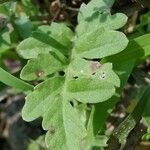
Source: leafsnapRorippa sylvestris, commonly known as creeping yellowcress or woodland yellowcress, is a perennial herbaceous plant belonging to the Brassicaceae family. Native to Europe and Asia, it has also been introduced to North America. The plant can grow up to 60 cm in height and exhibits a creeping habit with stems that root at nodes. The leaves are pinnately divided with toothed margins, and the small yellow flowers feature four petals arranged in a cross shape. Rorippa sylvestris thrives in moist soils in shaded areas such as woodlands, meadows, or along streams. It is often found growing near water sources like ponds or ditches due to its tolerance for wet conditions. Historically, the plant has been used medicinally for its diuretic properties, which can help increase urine production and promote kidney function. It also contains antioxidants that protect against cellular damage caused by free radicals. Overall, Rorippa sylvestris is an intriguing perennial herb that can be appreciated both for its medicinal benefits and its aesthetic appeal in gardens, thanks to its attractive foliage and flowers.
🌳 Creeping yellowcress has an unusual trait useful for environmental monitoring. Its presence can indicate high levels of certain metals in the soil, such as nickel. Acting as a natural indicator, this is useful for biogeochemical prospecting. Furthermore, creeping yellowcress can survive in heavy metal–rich soils, offering potential insights into phytoremediation strategies for contaminated land.
Care Guide
💧 Water Every 3 days
Creeping yellowcress thrives in environments with consistent moisture and requires weekly watering to grow optimally. Although it can tolerate moderate drought conditions, it does best in steady humidity. Generally grown outdoors, creeping yellowcress adapts to a variety of soil types. However, it prefers well-drained soil that mimics the periodic rainfall of its native climate.
How should I water my Creeping yellowcress plant?
To ensure the health of the Creeping yellowcress when watering, it is recommended to use filtered water at room temperature. Tap water may contain harmful particles. Considering that this plant is adapted to warm environments, it is best to avoid cold water, which can stress the plant. Additionally, overhead watering should be avoided, as it can cause issues with the foliage. Instead, water the plant by applying filtered room temperature water directly to the soil until it is fully soaked. This helps the roots stay moist and enables them to spread and gather necessary nutrients.
What should I do if I give too much or too little water to my Creeping yellowcress?
Overwatering is a common issue that can harm your Creeping yellowcress. When it receives too much water, its stems and leaves may wilt and turn yellow. Overwatering for a long time can also cause diseases like root rot, mold, and mildew, which can be fatal to your plant. Underwatering is less common because this plant can tolerate drought, but it can still happen. When underwatering occurs, the leaves become brittle and brown. It's essential to recognize the signs of overwatering early on. Some diseases, like root rot, can't be fixed if you wait too long. If you notice these signs, reduce your watering schedule immediately. Also, check the soil quality. If it drains poorly, replace it with a loose, well-draining potting mix. If you see signs of underwatering, simply water more regularly until the signs improve.
How many times do I need to water my Creeping yellowcress?
To determine if your Creeping yellowcress needs water, follow these steps based on where you have planted it. If it's in a pot, simply stick your finger into the soil. If the top two to three inches feel dry, it's time to water. If it's planted in the ground, use the same method and water when the top few inches are dry. Typically, you'll need to water once a week in spring and early fall, but during very hot weather, increase watering to twice a week or more. However, it's worth noting that mature, well-established Creeping yellowcress can handle dry conditions well.
How much water does my Creeping yellowcress plant need?
When watering your Creeping yellowcress, it is important to not hold back on the amount of water you give. Wait until the top two to three inches of soil are dry and then give the plant a thorough watering. Make sure to water enough so that the soil becomes completely soaked. You should add enough water for excess water to flow out of the drainage holes at the bottom of the pot. If you don't see any excess water draining, you may not have watered enough. However, be careful not to let water accumulate in the soil as this can harm the plant. On the other hand, if water is not draining properly through the pot, it could indicate that the soil has poor drainage, which can also be harmful for the plant. If the plant is outside, it only needs about 1 inch of rain per week.
How do I water my Creeping yellowcress when it's growing at different stages?
The water needs of the Creeping yellowcress change depending on its growth stages. When it is in its early years or when you have just transplanted it, you will need to water it more than usual. During these stages, the plant focuses on developing new roots to support future growth, requiring extra moisture. As the plant matures, it will require less water. Another stage that may require increased watering is during the bloom period when the flowers utilize a significant amount of moisture.
☀️ Light Full sun
Creeping yellowcress requires sunlight for healthy growth, though it should not be exposed to it at full intensity. Because of its native background, it is adaptable and can do well in places where sunlight is reduced. Nevertheless, it will not prosper in complete darkness. Both too much and too little light can harm the plant's leaf structure and its overall health.
What are the sunlight requirements for Creeping yellowcress?
Creeping yellowcress thrives in environments that offer partial sun, about 3-6 hours of sunlight per day. However, it's essential to observe how sunlight moves through your garden to find spots that provide a balance of light and shade, ensuring the plants remain healthy without being exposed to full sun intensity. Despite its adaptability and ability to grow in diminished sunlight, complete darkness is not conducive for its growth. Both excessive and insufficient light can harm the plant's leaf structure and overall health. Adjusting to sunlight needs carefully and considering artificial lighting options when natural light is inadequate are critical for the plant's well-being.
How can artificial lighting benefit indoor Creeping yellowcress plants?
Artificial lighting is crucial for indoor Creeping yellowcress plants, particularly in conditions where natural sunlight is scarce, such as in winter or less sunny spaces. Adequate lighting promotes faster and healthier growth by compensating for the lack of natural light. For indoor plants, LED lights are recommended as they can be tailored to provide specific wavelengths needed by the plants. The amount of artificial light required varies based on the plant's sunlight requirements: full sun plants need 30-50W/sq ft, partial sun plants 20-30W/sq ft, and full shade plants 10-20W/sq ft. The light source should be placed 12-36 inches above the plant, mimicking natural sunlight as closely as possible, and provided for 8-12 hours per day, depending on the plant species' needs.
What symptoms indicate insufficient sunlight in Creeping yellowcress, and how does excessive sunlight affect it?
Insufficient sunlight can cause a range of symptoms in Creeping yellowcress, including smaller new leaves, leggy or sparse growth, premature leaf drop, slowed or halted growth, and pale or irregularly colored new leaves. Conditions like chlorosis, where leaves lose their green color, and sunscald, marked by bleached areas on the tissue, may also occur due to excessive sunlight. Other signs of too much sun include leaf curling, wilting, and scorching, which manifest as brown, dry patches on leaves. These symptoms reflect the plant's struggle to adapt to lighting conditions that are either below or above its tolerance levels.
What solutions can help Creeping yellowcress adapt to light conditions or recover from incorrect lighting?
To help Creeping yellowcress adapt to its lighting conditions or recover from insufficient or excessive light exposure, consider gradually moving the plants to sunnier spots each week until they achieve 3-6 hours of direct sunlight daily. This gradual adaptation can prevent sunburn. For indoor or immovable plants, using a desk or ceiling lamp for at least 8 hours daily, or investing in professional plant grow lights, can supplement their light intake adequately. Additionally, reducing obstructions like overhanging branches can increase sunlight accessibility. For smaller plants, transplanting during dormant periods to more suitable locations can also improve light exposure. It's important to note that parts of the plant affected by incorrect lighting may not recover, but new growth will be healthy with proper light adjustment.
🌡️ Temperature 5–35°C
Creeping yellowcress is native to areas with mild climates and thrives in temperatures between 41 and 95 °F (5 to 35 ℃). To promote optimal growth, keep conditions that replicate these temperatures throughout the year.
What are the optimal temperature conditions for growing Creeping yellowcress?
Creeping yellowcress thrives in moderate temperature environments, preferring a temperature range from 41 to 95 °F (5 to 35 °C). For optimal growth, it is beneficial to adjust conditions to mimic these temperatures throughout the year. Due to its strong cold resistance, special frost protection measures are not usually necessary. However, if winter temperatures are expected to drop below -30°C, it is important to provide cold protection by covering the plant with materials such as soil or straw. Additionally, before the first freeze in autumn, watering the plant abundantly to ensure the soil remains moist as it enters a frozen state can help prevent drought and water scarcity during winter and early spring.
What should you do if Creeping yellowcress experiences low temperatures below -25°C?
Creeping yellowcress is cold-tolerant and prefers temperatures above 5°C. During winters, it should be kept above -25°C. If temperatures fall below -30°C, there may not be noticeable changes during the winter, but a decrease in sprouting or even no sprouting may occur during spring. In such cases, in spring, it is advised to remove any parts of the plant that have failed to sprout to encourage new growth.
How do you care for Creeping yellowcress during high temperatures?
During the summer, it is important to keep Creeping yellowcress below 35°C. If temperatures exceed 38°C, the plant's leaves may become lighter in color, curl, become prone to sunburn, and in severe cases, the entire plant may wilt and dry up. To manage this, trim away the sunburned and dried-up parts of the plant. Move the plant to a location that provides shade from the midday and afternoon sun, or use a shade cloth. Watering the plant in the morning and evening can also help keep the soil moist, aiding in its survival and health during high temperatures.
💨 Humidity
🪴 Soil 6-7
🌱 Fertilizer
One fertilizer application in spring is generally enough for Creeping yellowcress, though additional feedings can maximize growth. Fertilize every month to six weeks. Fertilization improves the appearance and function of the leaves, promoting even color and a healthy texture. It also encourages root development and enhances nutrient uptake for the plant’s long-term health.
🪴 Pot & Repot
✂️ Pruning
🌿 Propagating
🐛 Diseases & pets
☠️ Toxicity
Characteristics
- Plant Type
- Herb
- Life Cycle
- Perennial
- Genus
- Rorippa
- Family
- Brassicaceae
- Hardiness Zone
- 4-9
- Mature Height
- 30 cm to 61 cm
- Mature Spread
- 20 cm to 40 cm
- Leaf Color
- Green, Dark Green
- Leaf Type
- Deciduous
- Flower Color
- Yellow
- Flower Size
- 0.15 cm
- Bloom Time
- Late spring, Early summer, Mid summer
- Planting Time
- Spring, Summer, Autumn
- Harvest Time
- Summer