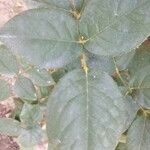
Rosa abietina
Pine Rose · Rose · Rose Bush "Queen Elizabeth"
Description
Source: leafsnapRosa abietina, commonly known as the fir rose, is a species of flowering plant in the Rosaceae family. It is a deciduous shrub that can grow up to 2 meters tall and 1.5 meters wide. The plant features dark green, pinnate leaves with serrated edges that can reach up to 10 cm in length. The fir rose produces fragrant pink flowers with five petals, blooming in late spring or early summer. These flowers are followed by small red hips that contain seeds. Native to Europe and Asia, the fir rose thrives in mountainous regions and forests. It prefers well-drained soil and can grow in either full sun or partial shade. Rosa abietina has been used for medicinal purposes for centuries due to its anti-inflammatory properties and its ability to treat wounds, skin irritations, and digestive issues. Overall, Rosa abietina is a beautiful ornamental shrub with fragrant flowers that adds color and texture to any garden or landscape, while also providing medicinal benefits.
Care Guide
💧 Water Every 7 days
Pine rose thrives in well-drained soil and should be watered when the surface feels slightly dry. During periods of drought, you may need to water more frequently. Be careful to avoid waterlogging and splashing the leaves, as these can lead to disease. In the winter, when the plant is dormant, reduce watering, but keep the soil just moist enough.
☀️ Light Full sun
Pine rose comes from open habitats, like sunny meadows and forest edges, that offer plenty of light. It does best in Full Sun but will also tolerate Partial Sun, adapting well to different sunlight conditions.
🌡️ Temperature 5–35°C
Pine rose is highly adaptable to different climates, from hot summers to cold winters. However, it still has a preferred temperature range for healthy growth. If temperatures rise too much, the plant can suffer from heat and humidity stress, which may kill it. In locations where temperatures approach the lower limit of its cold tolerance, it is necessary to provide insulation to protect the plant.
💨 Humidity
🪴 Soil 6-7
🌱 Fertilizer
Proper timing is essential when fertilizing the Pine rose. Apply fertilizer in early spring and repeat monthly through early summer. Fertilizer promotes attractive blooms and supplies energy during the plant’s dormant and active growth phases.
🪴 Pot & Repot Every 12 months
✂️ Pruning
Pine roses have needle-like leaves and fragrant blooms, and they require pruning in early spring. To care for them, remove dead branches and thin out dense areas to improve air circulation. This also helps maintain their shape for a pleasing appearance. Pruning at the right time not only enhances flowering but also prevents diseases and encourages healthy blooms. For specific techniques and advice, refer to horticultural guides tailored to your needs.
🌿 Propagating
🐛 Diseases & pets
☠️ Toxicity
Characteristics
- Plant Type
- Shrub
- Life Cycle
- Perennial
- Genus
- Rosa
- Family
- Rosaceae
- Hardiness Zone
- 4-9
- Mature Height
- 0.91 m to 2.13 m
- Mature Spread
- 0.91 m to 1.52 m
- Leaf Color
- Dark Green, Forest Green
- Leaf Type
- Deciduous
- Flower Color
- Pink
- Flower Size
- 4.06 cm to 6.35 cm
- Bloom Time
- Late spring, Early summer
- Planting Time
- Spring, Summer, Autumn
- Harvest Time
- Late summer, Early fall, Mid fall
- Native Area
- Germany, Austria, Italy, Switzerland, Croatia, France