Rosa centifolia
Cabbage Rose · Hundred-leaved Rose · Provence Rose · Burgundy rose · Holland rose
Description
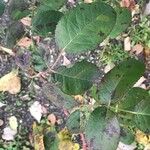
Source: leafsnapRosa centifolia, commonly known as the hundred-leaved rose or cabbage rose, is a deciduous shrub belonging to the Rosaceae family. Native to Asia and Europe, this plant has been cultivated for centuries for its fragrant flowers. It can grow up to 2 meters in height, exhibiting a bushy habit with arching, thorn-covered stems. The leaves of Rosa centifolia are pinnate, featuring 5-7 dark green leaflets. Its large, double-petaled blooms range in color from pink to white, exuding a strong fragrance. These flowers typically bloom from late spring to early summer. Rosa centifolia is notably used for its essential oil, which is extracted from the petals through steam distillation. This oil has been a longtime ingredient in perfumes, cosmetics, and medicinal preparations, primarily due to its anti-inflammatory properties. The plant thrives in full sun but can also tolerate partial shade. It requires well-drained soil and regular watering during dry periods, although it can withstand some drought conditions once established. Overall, Rosa centifolia is an attractive shrub renowned for its fragrant blooms. Its beauty and medicinal properties have been valued by humans throughout history.
💡 Originating from the perfume capital of the world, the cabbage rose is cultivated for its sweet fragrance. Rose oil, which is extremely costly, serves as the main fragrance in many perfumes. To produce just one drop of this valuable oil, more than four tons of roses are needed.
🎭 Envoy of Love
Care Guide
💧 Water Every 7 days
The cabbage rose thrives in environments with moderate humidity and needs watering every three weeks. To care for this plant, it's important to maintain consistent soil moisture without overwatering. Often grown outdoors for its impressive size and beauty, cabbage roses benefit from mulching during the growing season. Mulching helps retain moisture and maintain stable soil temperatures.
☀️ Light Full sun
The cabbage rose does best when it receives steady, plentiful sunlight every day. Looking to its native habitat, this pattern reflects the natural conditions it would encounter. Still, too much sun without any shade can stress the plant, causing leaf scorch or early bud drop, while too little sunlight can produce fewer blooms and a weakened plant.
What are the sunlight requirements for Cabbage Rose?
Cabbage Rose thrives in conditions that mimic its natural habitat, requiring continuous exposure to abundant daily sunlight. Full sun exposure is defined as above 6 hours of sunlight, while partial sun refers to about 3-6 hours of sunlight daily. It's crucial to observe how sunlight moves through your garden, selecting locations that offer the right balance of light and shade to ensure the plants' well-being. Too much sun without occasional shade can stress the plant, leading to leaf scorching or premature bud drop, whereas not enough sunlight results in fewer blossoms and a weaker plant.
How do indoor Cabbage Roses benefit from artificial lighting?
When natural sunlight is insufficient, especially during winter or in less sunny spaces, indoor Cabbage Roses can greatly benefit from artificial lighting. This alternative lighting promotes faster and healthier growth. LED lights are preferred for their ability to provide specific light wavelengths needed by plants. Full sun plants require 30-50W/sq ft, partial sun plants 20-30W/sq ft, and full shade plants 10-20W/sq ft of artificial light. The light source should be placed 12-36 inches above the plant to emulate natural sunlight, and the duration of exposure should mimic the natural daylight hours, typically 8-12 hours per day.
What are the important symptoms of light deficiency in Cabbage Rose?
Cabbage Rose may show several symptoms when exposed to suboptimal lighting conditions, including smaller new leaves, leggy or sparse growth, faster leaf drop, slower or no new growth, and paler new leaves. These indicate a struggle with insufficient sunlight. Conversely, symptoms like chlorosis, sunscald, leaf curling, wilting, and leaf scorching signify distress from excessive sunlight. These symptoms highlight the plant's delicate balance with its environment, requiring careful monitoring and adjustments to ensure optimal growth and health.
What are the solutions for Cabbage Rose to recover from light deficiency?
To help Cabbage Rose recover from light deficiency, gradually increase its exposure to sunlight. If indoors, move the plant to a sunnier spot each week until it receives at least 6 hours of direct sunlight, using a south-facing window for maximum exposure. Additionally, artificial light can supplement sunlight, especially for large or immobile plants; keep a lamp on for at least 8 hours daily or use professional grow lights. Outdoors, move plants to sunnier locations gradually to avoid sunburn. If your Cabbage Rose suffers from blocked sunlight, consider pruning obstructions or transplanting smaller plants to sunnier spots during their dormant period for better light access and healthy new growth. Note that parts of the plant damaged by insufficient light may not recover, but increased light exposure will encourage healthy new growth.
🌡️ Temperature 5–35°C
Cabbage rose thrives in the temperate climate of its native habitat, preferring an ideal temperature range of 41 to 95 °F (5 to 35 ℃). In cooler months, protect the plant to retain warmth, and in hotter periods provide adequate shading to prevent overheating.
What is the ideal temperature range for a Cabbage rose?
Cabbage rose thrives in temperate climates, with an ideal temperature range of 41 to 95 °F (5 to 35 °C). To ensure the plant remains healthy, it's important to insulate it during cooler months to maintain warmth, and provide sufficient shading during hotter periods to prevent overheating.
How does Cabbage rose handle cold weather, and what should be done in extreme cold?
Cabbage rose possesses strong cold resistance, making special frost protection measures generally unnecessary during winter. However, if temperatures are expected to fall below -25°C, it's crucial to protect the plant from the cold. This protection can be provided by wrapping the trunk and branches with non-woven fabric or cloth. Additionally, watering the plant abundantly before the first freeze in autumn ensures the soil remains moist and enters a frozen state, helping to safeguard the plant against drought and water scarcity during the colder months.
What should be done if a Cabbage rose is exposed to temperatures below its cold tolerance?
If a Cabbage rose is exposed to temperatures below its cold tolerance, it might not show noticeable changes during winter. However, branches may become brittle, dry, and might not produce new shoots in spring. To help the plant recover, prune away any dead branches that have failed to produce new leaves in spring.
How should Cabbage rose be cared for in high temperatures?
During the summer, keeping the Cabbage rose below 35°C is essential. Exposure to temperatures above 38°C can lead to leaves becoming lighter in color and tips becoming dry and withered, increasing susceptibility to sunburn. To mitigate these effects, trim away sunburned and dried-up parts, move the plant to a location that offers shade, especially from the midday and afternoon sun, or use a shade cloth. Make sure to water the plant in the morning and evening to keep the soil moist and help the plant stay hydrated.
💨 Humidity
🪴 Soil 6-7
🌱 Fertilizer
Timing is essential for fertilizing Cabbage rose. Apply fertilizer in early spring and continue monthly until early summer. The fertilizer encourages attractive blooms and provides energy throughout both dormant and active growth stages.
🪴 Pot & Repot
✂️ Pruning
The cabbage rose, famous for its lush and fragrant blooms, requires pruning in early spring to promote healthy growth and abundant flowering. To ensure optimal blooming and resilience, remove dead wood, thin out crowded stems, and shorten the previous year's growth. This will improve air circulation and help prevent disease.
🌿 Propagating
🐛 Diseases & pets
☠️ Toxicity
Characteristics
- Plant Type
- Shrub
- Life Cycle
- Perennial
- Genus
- Rosa
- Family
- Rosaceae
- Hardiness Zone
- 5-9
- Mature Height
- 2.13 m to 3.05 m
- Mature Spread
- 1.22 m
- Leaf Color
- Green
- Leaf Type
- Deciduous
- Flower Color
- Pink
- Flower Size
- 2.54 cm to 7.62 cm
- Bloom Time
- Late spring, Early summer, Mid summer
- Planting Time
- Spring, Autumn
- Harvest Time
- Mid summer
- Native Area
- China