Rosa cinnamomea
Double cinnamon rose · Knock-Out Rose · Cinnamon Rose · Altissimo · Simply Marvelous Floribunda
Description
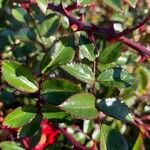
Source: leafsnapRosa cinnamomea, commonly known as the cinnamon rose, is a species of rose native to China. This deciduous shrub can grow up to 2 meters in height and 1.5 meters in width. It features thorny stems and pinnate leaves with serrated edges. The cinnamon rose produces fragrant pink flowers with five petals, which bloom from late spring to early summer. These flowers are followed by small red hips that contain seeds. The plant thrives in full sun or partial shade and prefers well-drained soil. Though it is drought-tolerant once established, it benefits from regular watering during dry spells. In traditional Chinese medicine, Rosa cinnamomea has been used for its anti-inflammatory properties and as a treatment for digestive disorders. Beyond its medicinal applications, the cinnamon rose is also cultivated as an ornamental plant in gardens, thanks to its attractive flowers and foliage. It can serve as a hedge or border plant and can be grown on trellises or arbors for added vertical interest. Overall, Rosa cinnamomea is an appealing shrub with both ornamental and medicinal value, making it a superb addition to any garden landscape design!
🌳 The leaves of the rugosa rose have long been used to calm irritated skin when steeped in baths. The thick thickets of rugosa rose also act as sturdy natural barriers, making them useful for preventing soil erosion and serving as protective hedges for wildlife habitation.
🎭 Eagerness, romance, adoration
Care Guide
💧 Water Every 7 days
☀️ Light Full sun
Rugosa rose does best in places with plenty of light during the day. It can also tolerate areas with reduced daytime light, reflecting its native habitat that receives varying amounts of sunlight. Too little light can restrict its growth, while too much can cause wilting.
🌡️ Temperature 0–35°C
The rugosa rose's native temperature-related growth environment is a temperate climate, with average temperatures of 23 to 59 ℉ (-5 to 15 ℃). It can, however, tolerate temperatures from 0 to 35 ℉ (-18 to 0 ℃). For optimal growth, adjust the temperature by season to between 32 and 68 ℉ (0 to 20 ℃).
💨 Humidity
🪴 Soil 6-7
🌱 Fertilizer
To encourage healthy growth, fertilize your Rugosa rose in early spring. Consistent feeding improves its overall health, producing vigorous growth, greater tolerance of harsh conditions, and increased resistance to diseases and pests. Stick to a set fertilization schedule for your Rugosa rose to maintain foliage that is vibrant, deeply colored, and lush.
🪴 Pot & Repot 2-3 years
When repotting Rugosa rose, choose a pot 1-2 inches (2.5–5.1 cm) larger with ample drainage. Use a well-draining potting mix. Repot in spring or fall, making sure the root ball sits slightly lower than the rim of the flower pot. Water thoroughly after repotting and place in a warm spot with indirect sunlight.
✂️ Pruning
🌿 Propagating
🐛 Diseases & pets
☠️ Toxicity
Characteristics
- Plant Type
- Shrub
- Life Cycle
- Perennial
- Genus
- Rosa
- Family
- Rosaceae
- Hardiness Zone
- 3-9
- Mature Height
- 0.91 m to 1.52 m
- Mature Spread
- 1.22 m to 1.83 m
- Leaf Color
- Green, Yellow
- Leaf Type
- Deciduous
- Flower Color
- Pink, White, Red
- Flower Size
- 6.35 cm to 8.89 cm
- Bloom Time
- Late spring, Summer
- Planting Time
- Spring, Autumn
- Harvest Time
- Mid summer, Late summer, Early fall
- Native Area
- Russia, Japan, Koppen, South Korea, China