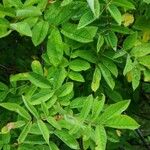
Rosa davurica
Amur rose
Care Guide
💧 Water
The Amur rose, which comes from dry regions, is drought-tolerant and can thrive with little water. It should be watered every 2 to 3 weeks, ensuring the soil dries out between waterings. While it is resilient in different climates, the Amur rose benefits from rainfall during its active growing season.
☀️ Light Full sun
The Amur rose is a plant that prospers in locations with abundant sunlight. This significantly affects its healthy growth. From germination through maturity it requires a generous amount of sun. Its native habitats are commonly sunlit. Both excessive and insufficient light can adversely affect its growth.
What are the sun requirements for the Amur rose?
The Amur rose requires areas that provide full sun exposure, defined as above 6 hours of sunlight, to ensure healthy growth. For those looking to plant in areas with less exposure, partial sun, about 3-6 hours of sunlight, is also acceptable. It's crucial to observe how sunlight moves through your garden to select spots that offer the ideal balance for your plants, keeping in mind the need for a perfect blend of light and shadow to foster plant happiness.
How essential is sunlight for the growth of the Amur rose?
Sunlight plays a pivotal role in the growth and development of the Amur rose, from germination through to its mature phase. Originating from environments rich in sunlight, this plant thrives under generous sun exposure. Both overexposure and inadequate light can detrimentally affect its growth, highlighting the importance of finding the right balance to promote health and vitality.
What should I do if my indoor Amur rose isn't getting enough natural light?
For indoor Amur roses struggling with inadequate natural sunlight, especially during winter or in less sunny spaces, artificial lighting can be a game-changer. Optimal growth is achievable by selecting the right type of artificial light, such as LED lights, which can be tailored to provide specific wavelengths needed by the plant. Full sun plants require between 30-50W/sq ft, partial sun plants 20-30W/sq ft, and full shade plants 10-20W/sq ft of artificial light. Adjust the light source to be 12-36 inches above the plant to mimic natural conditions and set the duration to reflect natural daylight hours, generally between 8-12 hours per day.
What are the symptoms of insufficient light in the Amur rose?
Amur rose plants display several symptoms when deprived of adequate sunlight, signaling a need to adjust their light exposure. These symptoms include the growth of smaller new leaves, leggy or sparse growth due to elongated spaces between leaves or stems, premature leaf drop as an energy conservation measure, slowed or halted growth, paler new leaves indicating chlorophyll and nutrient deficiencies, chlorosis manifested as yellowing leaves due to chlorophyll breakdown under excessive light, sunscald from intense sun exposure, leaf curling as a defense against excessive sunlight, wilting from water loss, and leaf scorching characterized by brown, dry edges. These symptoms underscore the plant's critical need for proper sunlight.
How can I address the Amur rose's need for sunlight?
To meet the sunlight needs of an Amur rose, gradually introduce the plant to more sunlit locations, aiming for at least 6 hours of direct light daily. For indoor plants, consider using a south-facing window or supplementing with artificial lighting, such as professional grow lights, for at least 8 hours a day. Outdoors, transitioning your plant to sunnier spots gradually over weeks can help prevent sunburn. Reducing obstructions, like pruning nearby trees, or transplanting to areas with better sun exposure and drainage, can also enhance sunlight access. Remember that damaged parts might not recover, but new growth will benefit from improved lighting conditions.
🌡️ Temperature 5–35°C
Amur rose comes from regions where typical temperatures range from 41 to 95 °F (5 to 35 °C). This suggests it prefers moderate to mildly warm climates. Making seasonal temperature adjustments can help recreate its natural conditions for optimal growth.
What is the optimal temperature range for growing Amur rose?
The Amur rose, or Rosa davurica, thrives in moderate to slightly warm climates, with its preferred temperature ranging from 41 to 95 °F (5 to 35 °C). It benefits from seasonal temperature adjustments to mimic its natural habitat for optimal growth.
How should Amur roses be protected during winter?
Despite its strong cold resistance, Amur rose requires special frost protection when winter temperatures drop below -25°C. Protecting the plant can be done by wrapping the trunk and branches with materials such as non-woven fabric or cloth. It's also recommended to water the plant abundantly before the first freeze in autumn to ensure the soil remains moist and enters a frozen state, which helps prevent drought and water scarcity during winter and early spring.
What are the signs of low temperature damage in Amur rose?
When temperatures fall below -25°C, Amur rose may not show immediate damage but can experience branch brittleness and dryness in spring. In such cases, no new shoots will emerge. The solution to this is to prune away any dead branches that have failed to produce new leaves in spring.
How does high temperature affect Amur rose and what can be done?
High temperatures above 35°C, especially exceeding 38°C, can cause the Amur rose's leaves to lighten in color, become dry and withered, and the plant to be more susceptible to sunburn. To mitigate this, trim away sunburned and dried-up parts, move the plant to a shady location or use a shade cloth to protect it from midday and afternoon sun. Additionally, watering the plant in the morning and evening to keep the soil moist is beneficial.
💨 Humidity
🪴 Soil 6-7
🌱 Fertilizer
Timing is important for fertilizing Amur rose. Apply fertilizer in early spring and continue monthly until early summer. Fertilizer promotes attractive blooms and supplies energy during both dormant periods and active growth.
🪴 Pot & Repot
✂️ Pruning
The Amur rose benefits from pruning in early spring to boost both its blooms and overall health. Begin by removing any dead wood, and then thin the branches to improve air circulation. Trim the plant back to outward-facing buds. This practice encourages vigorous flowering, reduces the risk of disease, and helps maintain an optimal shape for the plant.
🌿 Propagating
🐛 Diseases & pets
☠️ Toxicity
Characteristics
- Plant Type
- Shrub
- Life Cycle
- Perennial
- Genus
- Rosa
- Family
- Rosaceae
- Hardiness Zone
- 5-9
- Mature Height
- 1.52 m
- Mature Spread
- 1.52 m to 1.83 m
- Leaf Color
- Green, Dark Green
- Leaf Type
- Deciduous
- Flower Color
- Pink
- Flower Size
- 3.05 cm to 4.06 cm
- Bloom Time
- Early summer, Mid summer
- Planting Time
- Spring
- Harvest Time
- Late summer, Early fall, Mid fall
- Native Area
- Russia, Japan, Mongolia, Koppen, South Korea, China