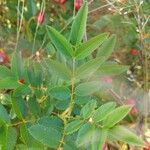
Rosa palustris
Swamp rose · Marsh Rose
Description
Source: leafsnapRosa palustris, the swamp rose, is a shrub in the rose family native to much of eastern North America. It can be found from Nova Scotia and New Brunswick in the north, south to Florida and west to Arkansas and Ontario. It is a host of the blinded sphinx moth and Coptotriche admirabilis.
🌳 The Swamp Rose's bright red hips are more than just attractive; they are an important food source for a variety of wildlife. In autumn and winter, when food is scarce, many bird species, including thrushes and waxwings, depend on these fruits for nourishment. Additionally, its dense, thorny growth provides excellent shelter and nesting sites for small animals. Its use extends beyond ornamentation; the plant's support of fauna underscores its ecological significance.
Care Guide
💧 Water Every 1-2 weeks
The Swamp Rose flourishes in wetland habitats, where it prefers consistent moisture but can withstand brief periods of dryness. To keep it healthy, water the plant every 1-2 weeks to mimic natural rainfall patterns. It's important to ensure proper drainage during the growing season to prevent root problems caused by waterlogging.
☀️ Light Full sun
As a plant, the swamp Rose prefers a large amount of light. Native to wetlands where abundant sunshine is common, it does best with plenty of sun. Excessive shade can impede its vigorous growth. It does not, however, have any particular tolerance for low-light conditions.
What are the sunlight requirements for Swamp Rose?
Swamp Rose, or Rosa palustris, thrives best in full sunlight, requiring more than 6 hours of sunlight per day to flourish. It can also grow in partial sun situations, which provide about 3-6 hours of sunlight. However, it's crucial to watch the movement of sunlight through your garden to select spots that offer an ideal balance for the plant's growth. Too much shadow can significantly hinder its robust growth.
How does artificial lighting support Swamp Rose growth indoors?
Indoor Swamp Roses require adequate lighting to grow optimally, especially when natural sunlight is insufficient. Artificial lighting, such as LED lights, is beneficial as it can be tailored to provide specific wavelengths needed by plants. For full sun plants, 30-50W per square foot is recommended; for partial sun plants, 20-30W per square foot; and for full shade plants, 10-20W per square foot. The light source should be placed 12-36 inches above the plant and turned on for 8-12 hours per day to mimic natural sunlight conditions.
What are the symptoms of light deficiency in Swamp Rose?
Swamp Rose may exhibit several symptoms when experiencing light deficiency, such as smaller new leaves, leggy or sparse growth, faster leaf drop, slower or no new growth, and paler new leaves. These symptoms indicate a struggle due to insufficient light, affecting the plant's ability to grow robustly and maintain its health.
What are some common symptoms if Swamp Rose receives too much sunlight?
Excessive sunlight can cause issues for Swamp Rose, including chlorosis, where leaves lose their green color and turn yellow; sunscald, which results in pale, bleached areas on plant tissue; leaf curling or twisting as a defense mechanism; wilting due to increased water loss; and leaf scorching, characterized by brown, dry edges on leaves. These conditions highlight the importance of monitoring sun exposure to maintain plant health.
What solutions can address light-related issues for Swamp Rose?
To combat light deficiency, gradually move Swamp Roses to locations with at least 6 hours of direct sunlight, or consider using artificial light for indoor plants. For outdoor plants, avoid sudden changes in light intensity to prevent sunburn. Minimize sunlight obstructions by pruning trees or relocating plants to sunnier spots. In the case of insufficient sunlight or obstructions, transplanting to a location with ample sunlight and good drainage is recommended for smaller plants. Note that parts of the plant harmed by insufficient light may not recover, but new growth will be healthy after adjusting light exposure.
🌡️ Temperature 0–32.2°C
Swamp Rose grows best in a temperate climate. It prefers temperatures between 32 and 90 °F (0 to 32 °C). Seasonal adjustments may be needed to replicate this habitat, so monitor weather patterns closely.
What climate does Swamp Rose thrive in?
Swamp Rose (Rosa palustris) naturally thrives in temperate climates, preferring temperatures ranging from 32 to 90°F (0 to 32°C). To ensure its health, it's important to monitor weather patterns and make seasonal adjustments that mimic its natural habitat. Swamp Rose is quite cold-resistant, typically not requiring special frost protection measures during winter. However, in cases where winter temperatures are expected to drop below -35°C, it's crucial to provide extra cold protection by wrapping the trunk and branches with non-woven fabric or cloth. Additionally, watering the plant abundantly before the first freeze in autumn helps keep the soil moist, which is vital for preventing drought and water scarcity during the winter and early spring.
How does Swamp Rose react to low temperatures?
Swamp Rose is known for its cold-tolerance and thrives best when the temperature is maintained above 0°C. Through the winter, it should be kept at temperatures above -30°C. If temperatures fall below -35°C, you might not notice any immediate changes during winter; however, by springtime, the plant's branches may become brittle, dry, and fail to produce new shoots. The solution for handling such damage is to prune away any dead branches that have failed to produce new leaves come spring.
How should Swamp Rose be cared for during high temperatures?
During the summer months, it is important to ensure that the Swamp Rose is kept below 32°C. Exposure to temperatures exceeding 35°C can have adverse effects on the plant, such as causing the leaves to lighten in color, the tips to become dry and withered, and increasing susceptibility to sunburn. To mitigate these issues, you should trim away sunburned and dried-up parts of the plant. Additionally, moving the plant to a location with shade from the midday and afternoon sun or providing a shade cloth can offer protection. Ensuring the plant is watered in the morning and evening will also help to keep the soil sufficiently moist.
💨 Humidity
🪴 Soil 5-7
🌱 Fertilizer
Fertilizing Swamp Rose depends on correct timing. Apply fertilizer in early spring and continue once a month until early summer. Fertilizer promotes attractive blooms and supplies energy during both dormant and active growth phases.
🪴 Pot & Repot
✂️ Pruning
The Swamp Rose is a hardy shrub that thrives in moist environments, featuring striking pink flowers and thorny stems. To promote healthier blooms, it's best to prune the plant in early spring. Remove any dead wood and thin out the branches to improve sunlight access. Following good horticultural practices will support the Swamp Rose's growth and enhance its visual appeal.
🌿 Propagating
🐛 Diseases & pets
☠️ Toxicity
Characteristics
- Plant Type
- Shrub
- Life Cycle
- Perennial
- Genus
- Rosa
- Family
- Rosaceae
- Hardiness Zone
- 3-8
- Mature Height
- 0.91 m to 1.83 m
- Mature Spread
- 0.91 m to 1.83 m
- Leaf Color
- Green, Blue
- Leaf Type
- Deciduous
- Flower Color
- Pink, Purple, Red
- Flower Size
- 2.54 cm to 7.62 cm
- Bloom Time
- Early summer, Mid summer
- Planting Time
- Spring
- Harvest Time
- Mid summer