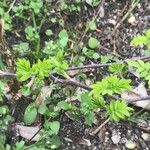
Rosa roxburghii
Chestnut rose · Chinquapin rose · Small-leaved Chinese rose
Description
Source: wikipedia (CC BY-SA)Rosa roxburghii, is a species of flowering plant in the family Rosaceae, native to the eastern Himalayas, Tibet, and central and southern China. In the wild, it is found in thickets, mountain forests, on slopes, and alongside streams, typically 500 to 1,400 m above sea level. A diffuse shrub capable of reaching 8 m (26 ft) but usually shorter, it is available from commercial suppliers. In China, it is cultivated for its vitamin C-rich hips on 170,000 ha, mostly in Guizhou.
🌳 Although frequently noted for its invasive character, the multiflora rose may have uses in integrated pest management. By hosting beneficial insects, it can serve as a natural form of pest control. Its dense thickets also provide wildlife habitat and can act as natural barriers for livestock. While it remains controversial, the multiflora rose’s role in agricultural systems warrants further investigation.
🎭 Romance, elegance, youthful purity.
Care Guide
💧 Water
The chestnut rose, native to East Asia, thrives in moderate humidity and prefers drier conditions. It's best to water the chestnut rose every 1-2 weeks, letting the soil dry out slightly between waterings. Often cultivated outdoors for its ornamental beauty, this plant benefits from mulching, which helps retain moisture and reduce the frequency of watering.
☀️ Light Full sun
Multiflora rose does best in places that receive plenty of sunlight for most of the day, though it can also tolerate spots where sunlight is intermittent. Too much or too little sun can harm its health, possibly causing growth problems or increasing susceptibility to disease. From its origins, this plant became adapted to environments with varying light conditions.
🌡️ Temperature 5–35°C
Multiflora rose does best in a temperate climate, with an optimal temperature range of 41 to 95℉ (5 to 35℃). In summer the plant prefers cooler temperatures and high humidity. In winter it can adapt to colder conditions and even survive frosty weather. It is important to provide sufficient coverage to protect the plant from extreme temperatures.
💨 Humidity
🪴 Soil 6-7
🌱 Fertilizer
To encourage healthy growth, fertilize your Multiflora rose in early spring. Regular feeding boosts overall health, producing vigorous growth, greater tolerance of harsh conditions, and improved resistance to diseases and pests. Keep to a specific fertilization schedule for your Multiflora rose to preserve vibrant foliage with deep color and a lush appearance.
🪴 Pot & Repot 2-3 years
When repotting a Multiflora rose, select a pot 1–2 inches (2.5–5.1 cm) larger with ample drainage. Use a well-draining potting mix. Repot in spring or fall, making sure the root ball sits slightly below the rim of the flower pot. Water thoroughly after repotting and place the pot in a warm spot with indirect sunlight.
✂️ Pruning
To keep a chestnut rose healthy and vibrant, it's best to prune it in early spring. Start by removing any dead or weak stems to improve airflow and encourage new growth. You can also shape the plant by cutting back older branches. This promotes the growth of new blooms, increases fruit yield, and helps control the plant's size, ensuring it remains both vital and visually appealing.
🌿 Propagating
🐛 Diseases & pets
☠️ Toxicity
Characteristics
- Plant Type
- Shrub
- Life Cycle
- Perennial
- Genus
- Rosa
- Family
- Rosaceae
- Hardiness Zone
- 5-9
- Mature Height
- 3.05 m to 4.88 m
- Mature Spread
- 3.05 m
- Leaf Color
- Green
- Leaf Type
- Deciduous
- Flower Color
- White, Pink
- Flower Size
- 1.52 cm to 2.03 cm
- Bloom Time
- Late spring, Early summer
- Planting Time
- Spring, Autumn
- Harvest Time
- Mid summer
- Native Area
- Myanmar, Koppen, Japan, South Korea