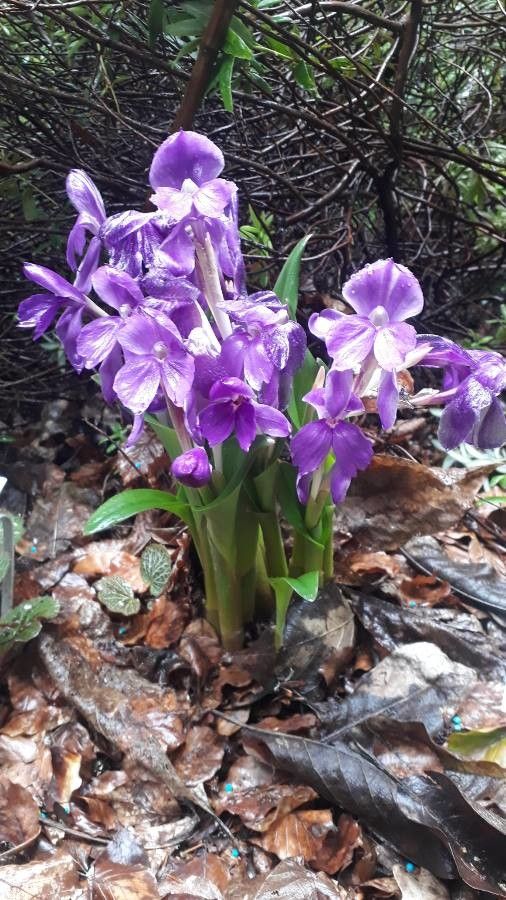
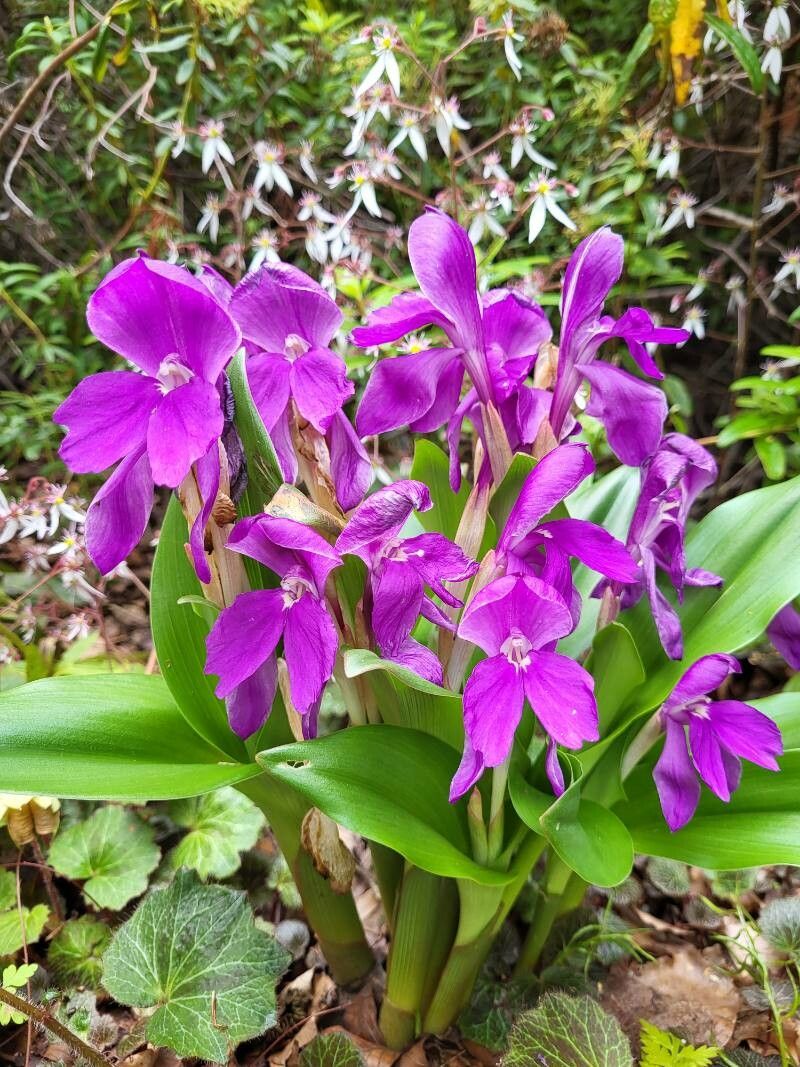
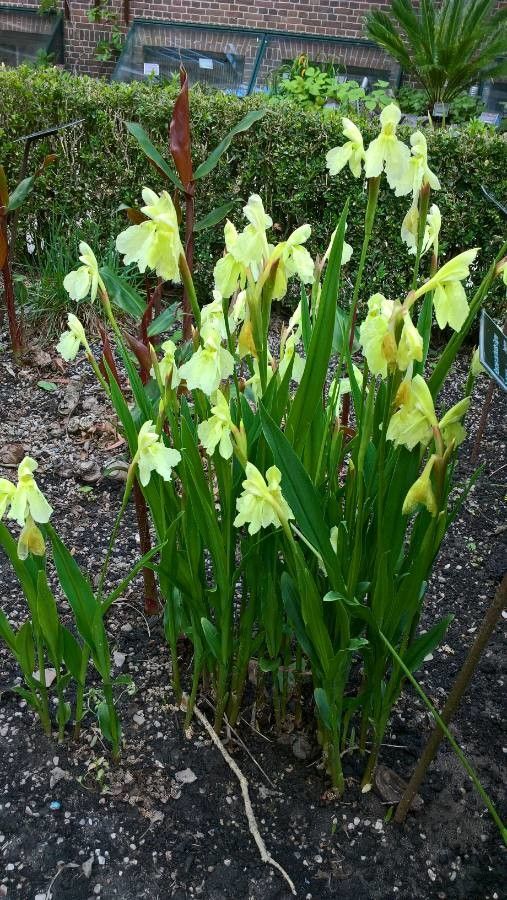
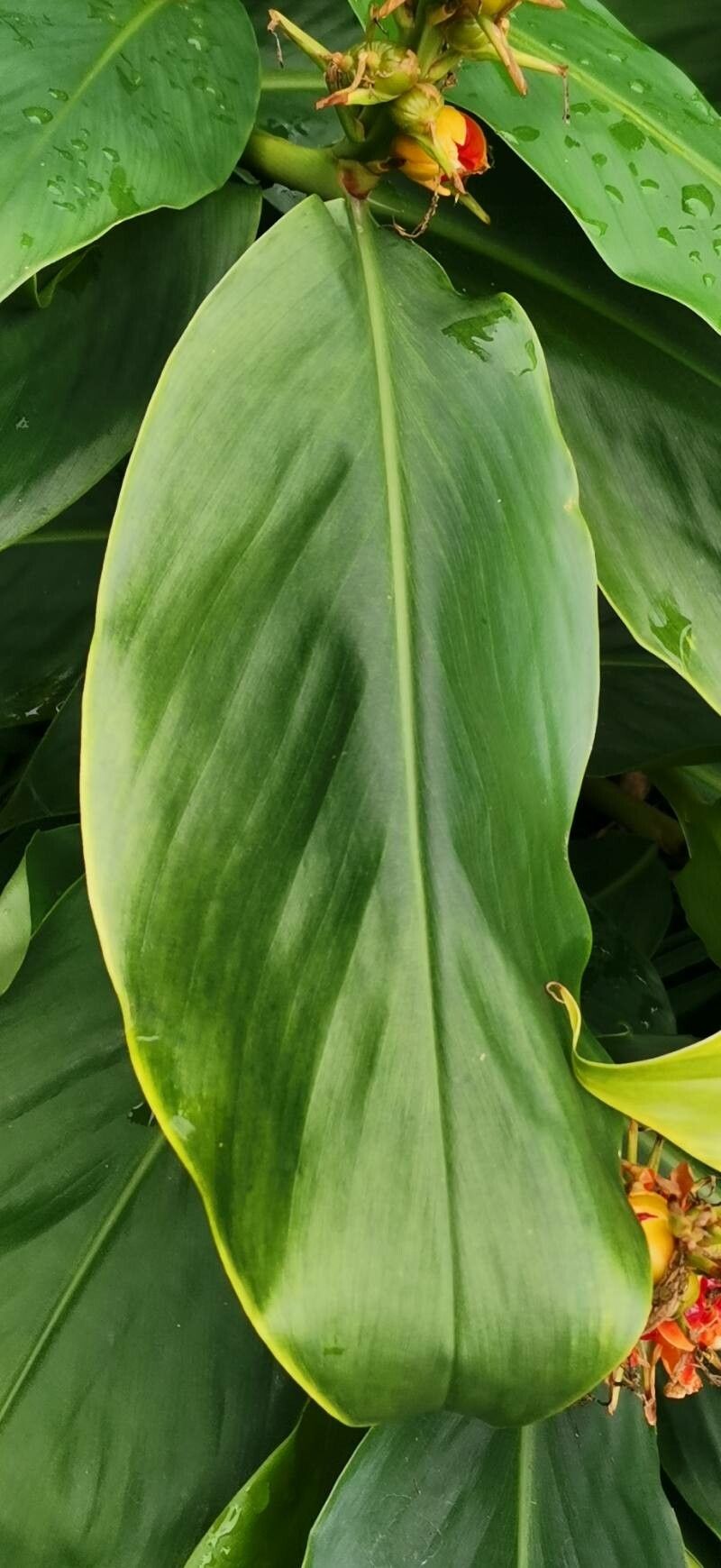
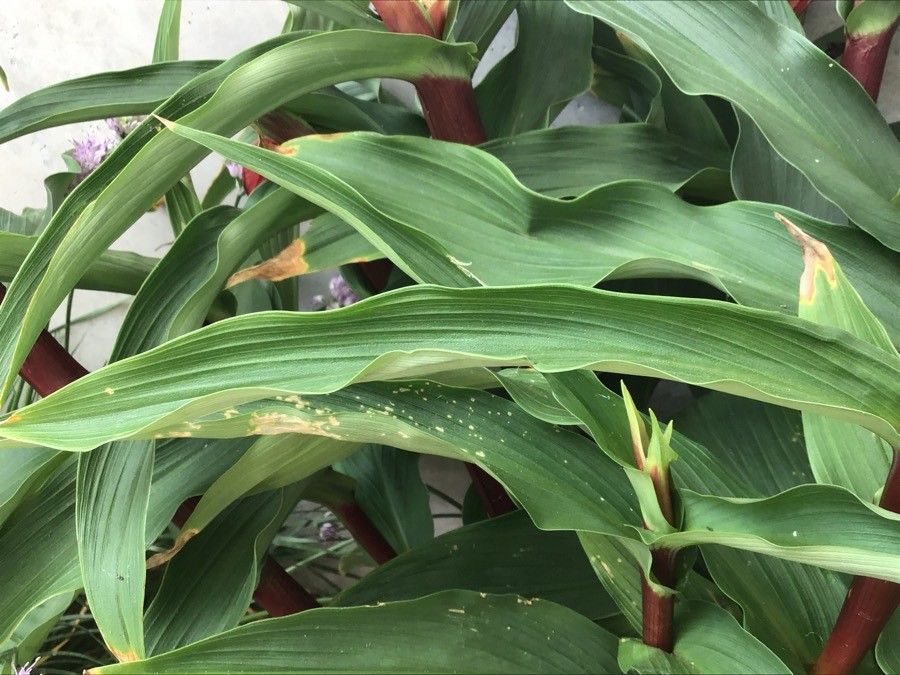
Roscoea humeana is a species of flowering plant in the family Zingiberaceae. It is a perennial occurring in the Sichuan and Yunnan provinces of China. Most members of the ginger family, to which it belongs, are tropical, but R. humeana, like other species of Roscoea, grows in much colder mountainous regions. It is also grown as an ornamental plant in gardens.
Hume roscoea is fairly disease-resistant and is typically not prone to illnesses. However, it can be affected by pests and diseases present in its surroundings. These problems are generally not severe. In terms of care, the plant requires moderate maintenance. Regular pruning is needed to keep a neat appearance and support healthy growth. Fertilizing can also help encourage flowering. Hume roscoea is suitable for anyone with outdoor space, such as a garden or patio, and does not demand extensive gardening experience. It may require more attention when grown indoors.
How to keep Roscoea Humeana.
Light
Hume roscoea grows best with a moderate amount of sun. Too little or too much sunlight can inhibit its healthy development. Its native habitat indicates a preference for places where light is partially filtered through foliage. Its different growth stages tolerate similar amounts of sunlight.
Water
Hume roscoea, a plant native to the mountainous regions of Asia, thrives in moist, well-drained soils. To maintain optimal hydration, it should be watered weekly, ensuring the soil stays consistently moist without becoming waterlogged. When grown outdoors, this plant benefits from a layer of mulch, which helps retain moisture and protects the roots from temperature fluctuations.
Temperature
Hume roscoea can endure a wide range of temperatures, but its distribution may still be restricted by particular combinations of moisture and heat. It performs best in warm summer conditions with sufficient rainfall or watering. Extended stretches of cloudy, rainy weather, as well as prolonged high temperatures, increase the chance of Hume roscoea dying. In winter, protecting it from cold can enhance the plant's survival.
Fertilizer
For Hume roscoea, the primary time to fertilize is in early spring when the flowers are forming. The appropriate fertilizer promotes better blooms and helps Hume roscoea produce attractive flowers. Applying fertilizer in early spring ensures excellent flowering during the season and supplies energy for its dormant growth phases.
Pruning
Hume Roscoea presents orchid-like blooms and thrives with annual pruning, ideally done from early to late spring. Pruning involves removing dead or damaged foliage and spent stems, which improves air circulation, prevents disease, and encourages vigorous flowering. Refer to horticultural guides for the best pruning techniques.
Pot & Repot
The Hume Roscoea is a non-climbing herbaceous perennial that needs to be repotted every 2-3 years, ideally at the beginning of the growing season. Choose a pot that accommodates its fleshy roots and fill it with well-draining soil. Maintain consistent moisture levels, being careful to avoid waterlogging, to ensure the plant thrives.
Botanical profile.
- Plant Type
- Herb
- Life Cycle
- Perennial
- Genus
- Roscoea
- Family
- Zingiberaceae
- Hardiness Zone
- 7-10
- Mature Height
- 15 cm to 30 cm
- Mature Spread
- 30 cm
- Leaf Color
- Green
- Leaf Type
- Deciduous
- Flower Color
- Purple, Lavender
- Flower Size
- 4.06 cm to 6.35 cm
- Bloom Time
- Early summer, Mid summer
- Planting Time
- Spring, Autumn
- Harvest Time
- Late summer, Early fall
- Native Area
- China
Reader questions.
What are the sunlight requirements for Hume Roscoea?
Hume Roscoea requires about 3-6 hours of sunlight daily, indicating a partial sun preference. Observing how sunlight moves through your garden helps in selecting spots that provide a balance of light and shade, essential for the plant's happiness. Its origins suggest it thrives in areas where sunlight is intermittently filtered through foliage, indicating both its adaptability to varied light conditions and the importance of avoiding extremes of too much or too little sunlight.
How can artificial lighting benefit indoor Hume Roscoea plants?
Indoor Hume Roscoea plants benefit significantly from artificial lighting, especially when natural sunlight is insufficient. Artificial lights, particularly LED lights, can be tailored to provide the specific wavelengths needed by plants, supporting their optimal growth. The amount of artificial light required varies based on the plant's sunlight needs: 30-50W/sq ft for full sun plants, 20-30W/sq ft for partial sun plants, and 10-20W/sq ft for full shade plants. To mimic natural conditions, the light source should be placed 12-36 inches above the plant and turned on for 8-12 hours a day.
What symptoms indicate insufficient light for indoor Hume Roscoea?
Symptoms of insufficient light in Hume Roscoea include small, underdeveloped leaves, leggy or sparse growth, premature leaf drop, slowed or halted growth, and lighter-colored or yellowing leaves. These symptoms reflect the plant's struggle to adapt to low light conditions, leading to reduced vigor and health. Additionally, symptoms like sunscald, leaf curling, wilting, and leaf scorching can occur due to excessive sunlight, highlighting the need for a balanced light environment.
How can I address light-related issues for Hume Roscoea?
To optimize Hume Roscoea's growth with respect to light, gradually acclimate the plant to increasing levels of sunlight by shifting its position to sunnier spots each week until it achieves 3-6 hours of direct sunlight daily. For indoor plants that are large or not easily moved, consider using artificial lighting, like a desk or ceiling lamp for at least 8 hours daily or investing in professional plant grow lights. Outdoor plants should also be moved gradually to sunnier locations to prevent sunburn. If sunlight is blocked by obstructions like trees, consider pruning to improve light access. Transplanting smaller plants during their dormant period to a location with better sunlight and drainage can also help. Note that while parts of the plant affected by insufficient light may not recover, new growth should be healthy following these adjustments.