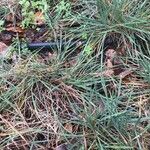
Rostraria cristata
Mediterranean-hair grass · Mediterranean hairgrass · Annual catstail · Annual June grass · Crested rostraria
Description
Source: leafsnapRostraria cristata, commonly known as crested needlegrass, is a perennial grass species belonging to the Poaceae family. Native to Europe and Asia, it has also been introduced to North America and other regions. The plant can grow up to 60 cm tall and typically features a tufted habit with narrow, green or bluish-green leaves. Its inflorescence is a spike-like panicle with numerous spikelets containing small flowers. These flowers are wind-pollinated, and the plant reproduces through seeds. Crested needlegrass thrives in well-drained soils and can grow in full sun or partial shade. It is adaptable to various soil types, including sandy soils, and can withstand areas with low rainfall, although it requires regular watering during dry periods for optimal growth. Rostraria cristata is highly valued as forage for livestock grazing on rangelands and pastures due to its high nutritional content compared to other grass species. Additionally, its deep root system helps prevent soil erosion. In traditional medicine, Rostraria cristata has been used as an herbal remedy for various ailments, including fever reduction and wound healing, due to its anti-inflammatory properties. Overall, Rostraria cristata is an important species both ecologically and economically. It plays a significant role in livestock grazing management and offers medicinal benefits in traditional practices.
Care Guide
💧 Water Every 7 days
Mediterranean hairgrass flourishes in the dry environments characteristic of Mediterranean climates. It thrives in arid conditions but benefits from weekly watering to stay resilient. The plant grows best outdoors in well-draining soil, which prevents waterlogging and supports its drought-tolerant nature.
What should I do if I give too much or too little water to my Mediterranean hairgrass?
To ensure optimal performance of this beautiful ornamental grass, proper watering is essential. When planted in the ground, watering issues can be resolved. However, in a container, excessive or insufficient water can quickly lead to the demise of Mediterranean hairgrass. When this grass does not receive the right amount of water, growth may halt. Overwatering can cause yellow leaves with brown tips to appear, while underwatering can result in drooping leaves, weak seed head production, and browned leaves. If you suspect improper watering, first determine if there is too much or too little water. If overwatering is the issue, immediately cease watering and allow time for heavy soil to dry out, which may take several weeks. Once you observe new growth, test the soil for moisture and determine if additional watering is necessary. Conversely, if the grass is receiving insufficient water, simply give it a deep drink and observe if it revitalizes. Remember that a long, deep watering is preferable to frequent shallow waterings. This encourages the grass to grow deep roots, making it more resilient to drought and less susceptible to watering-related problems.
How frequently should I water my Mediterranean hairgrass?
The watering needs of Mediterranean hairgrass depend on its location. Generally, watering once a week is sufficient. In hot climates, watering once or twice a week may be necessary during the summer. In moderate climates, watering once every seven days or more may be enough. Grass in containers needs more frequent watering than grass in the ground. However, the location also matters. Shaded grasses need less frequent watering than grasses in the ground. Mediterranean hairgrass should only be watered when the soil is dry. Some signs that the grass needs watering include dry soil when you press your finger a couple of inches into it, a light pot when you weigh it, and folded and thinner blades. Despite its drought tolerance, regular, deep waterings will result in a beautiful color. In the wild, Mediterranean hairgrass grows in open scrubland, experiencing extreme heat, bright sun, and intermittent rain. Although drought-resistant, it still requires care and attention. Consistent water is beneficial for this hardy grass. When first planted, it needs more frequent watering until it establishes deep roots. For potted hairgrass, soil should be tested every 3 to 4 days and watered when dry. Hairgrass in the ground generally needs less watering, depending on the type of soil. Clay soil holds water for longer periods, so it may feel dry at the surface but still have moisture below. Sandy soils that drain quickly will need more frequent watering.
What should I pay attention to when I water my Mediterranean hairgrass in different seasons, climates, or during different growth stages?
To determine if you are watering enough, pay attention to the rate of growth of your grass. Mediterranean hairgrass tends to double in size during the hottest months of the year. If the weather is hot but the grass is not growing much, you may need to adjust your watering schedule. In winter, you might be able to water only once a month, but check the soil for moisture. During the warmest months, the grass requires more water, while during winter and cooler months, the water needs decrease significantly. Remember, the soil where Mediterranean hairgrass is planted should always be allowed to completely dry out before adding water.
☀️ Light Full sun
Mediterranean hairgrass is native to luminous, exposed habitats where it flourishes in intense sun. It can endure semi-shaded conditions but ideally wants full sun for maximum growth. This plant, which can be both an annual and a biennial, is renowned for its affinity towards sunlight.
What are the sunlight requirements for Mediterranean hairgrass?
Mediterranean hairgrass (Rostraria cristata) thrives in conditions where it can receive full sun, which translates to more than 6 hours of direct sunlight daily. It can also tolerate partial sun, receiving about 3-6 hours of sunlight. This preference for sunlight comes from its origins in bright, open environments. It's essential to observe how sunlight moves through your garden to ensure that plants are placed in locations that offer a good balance of light and shade, meeting their needs for successful growth.
What role does artificial lighting play in growing Mediterranean hairgrass indoors?
When natural sunlight is insufficient, especially in spaces that do not receive enough light or during winter months, artificial lighting becomes crucial for the healthy growth of Mediterranean hairgrass indoors. Adequate lighting can be achieved using artificial sources to promote faster and healthier growth. LED lights are recommended for their ability to be customized to specific plant needs, with full sun plants requiring 30-50W/sq ft, partial sun plants 20-30W/sq ft, and full shade plants 10-20W/sq ft. The light source should be positioned 12-36 inches above the plant, mirroring the strength and duration of natural sunlight, typically between 8-12 hours per day.
How can you recognize if Mediterranean hairgrass is not receiving enough light?
When Mediterranean hairgrass is deprived of adequate sunlight, several symptoms may appear. These include the growth of smaller leaves compared to those previously developed, a leggy or sparse appearance due to increased spacing between leaves or stems, earlier than expected leaf drop as a survival strategy, delayed growth or a complete halt in new leaf production, the emergence of lighter-colored or pale new leaves indicating reduced chlorophyll and nutrient levels, chlorosis or yellowing of leaves due to chlorophyll breakdown, damage from intense sunlight exposure like sunscald, leaf curling as a defense mechanism against excessive sunlight to minimize water and damage, wilting from increased water loss, and leaf scorching characterized by brown, dry edges on leaves. Each of these symptoms signals a need to adjust the plant's light exposure.
What solutions are available for dealing with insufficient sunlight for Mediterranean hairgrass?
To address insufficient sunlight, several strategies can be employed depending on whether the plant is indoors, outdoors, or in the ground. Indoors, it's advisable to gradually acclimate your plant to brighter conditions, ideally reaching at least 6 hours of direct sunlight daily by using south-facing windows or supplementary artificial light for large or immobile plants, keeping such lights on for a minimum of 8 hours daily. Outdoors, plants should be moved to sunnier spots progressively each week to prevent sunburn. For plants in the ground facing obstructions, consider pruning surrounding trees or transplanting smaller plants during their dormant phase to areas with better sunlight and drainage. Notably, while parts of the plant that suffered from low light might not recover, new growth should be healthier following these adjustments.
🌡️ Temperature 20–35°C
The plant known as Mediterranean hairgrass tends to flourish best in temperatures that vary between 20 and 35℃ (68 to 95°F). This suggests that it favors climates that are moderately warm to hot. When seasons change, it may need temperature management to ensure the best growth conditions.
What is the ideal temperature range for Mediterranean hairgrass?
Mediterranean hairgrass, known botanically as Rostraria cristata, thrives best within a temperature range of 68 to 95 °F (20 to 35 °C). This range signifies the plant's preference for moderate to warm climates. It is adaptable to seasonal temperature variations, often requiring some degree of temperature regulation to maintain optimal growth conditions.
How does Mediterranean hairgrass respond to cold temperatures, and what measures should be taken for protection?
Mediterranean hairgrass possesses a moderate level of cold tolerance, generally not needing additional protective measures when temperatures stay above 0°C. However, if temperatures are expected to plummet below freezing, temporary protective measures become necessary. Wrapping the plant in materials such as plastic film, fabric, or other insulating covers can help shield it against the cold. These protections should be removed as soon as temperatures rise to ensure the plant's continued health.
What symptoms indicate that Mediterranean hairgrass is affected by low temperatures, and what solutions are recommended?
When exposed to temperatures below its preferred range, Mediterranean hairgrass displays certain symptoms indicative of cold stress. If temperatures fall below -5°C, the plant's leaves may droop and, in severe instances, wilt and fall off entirely. To address frost damage, affected parts of the plant should be trimmed away. Before the onset of cold weather, wrapping the plant with non-woven fabric or cloth and establishing a wind barrier can help protect it from low temperatures.
How does Mediterranean hairgrass react to high temperatures, and how can these effects be mitigated?
In the peak of summer, it's crucial to keep Mediterranean hairgrass's temperature below 35°C to prevent heat stress. Symptoms of exposure to temperatures above 38°C include a lightening of leaf color, drying and withering of leaf tips, curling leaves, and increased susceptibility to sunburn. To mitigate these effects, trim away the sunburned and dried sections of the plant. Moving the plant to a shaded area during the intense midday and afternoon sun or employing a shade cloth can help. Additionally, watering the plant in the morning and evening helps maintain soil moisture, further protecting the plant from heat stress.
💨 Humidity
🪴 Soil 6-7
🌱 Fertilizer
🪴 Pot & Repot
✂️ Pruning
Mediterranean hairgrass grows in tufts and produces small seed heads. It needs minimal pruning from early to late spring. To keep the plant tidy, remove any dead foliage and trim back to half its height if it becomes unruly. After the plant flowers, pruning helps maintain its neat appearance and vigor. It's important to avoid heavy pruning to minimize stress and promote the plant's longevity.
🌿 Propagating
🐛 Diseases & pets
☠️ Toxicity
Characteristics
- Plant Type
- Grass
- Life Cycle
- Annual
- Genus
- Rostraria
- Family
- Poaceae
- Hardiness Zone
- 9
- Mature Height
- 5 cm to 30 cm
- Mature Spread
- 5 cm to 15 cm
- Leaf Color
- Light Green, Pale Green
- Leaf Type
- Semi-evergreen
- Flower Color
- Yellow, Green
- Flower Size
- 0.51 cm to 1.52 cm
- Bloom Time
- Mid spring, Late spring, Early summer
- Planting Time
- Spring, Summer, Autumn
- Harvest Time
- Late spring, Early summer, Mid summer
- Native Area
- Libya, Egypt, Turkey, India, United Arab Emirates, Montenegro, Eritrea, Pakistan, Slovenia, Morocco, Croatia, Uzbekistan, Russia, Iraq, Oman, Portugal, France, Saudi Arabia, Tajikistan, Tunisia, Sudan, Mauritania, Cyprus, Bulgaria, Armenia, Greece, Lebanon, Serbia, Afghanistan, Italy, Kazakhstan, Spain, Israel, Iran, Albania, Azerbaijan, Algeria, Hungary, Kuwait, Turkmenistan