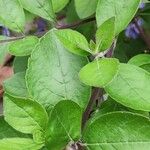
Rotheca myricoides
Butterfly-bush · Cats-whiskers · Blue butterfly bush · Blue cat's whiskers · Blue-flowered tinderwood
Description
Source: leafsnapRotheca myricoides (butterfly bush – also a name for Buddleja species) is a species of flowering plant in the family Lamiaceae. It is native to Africa and widely cultivated elsewhere. In cultivation, it is frequently known by one of its synonyms, such as Clerodendrum myricoides.The cultivar 'Ugandense' is an untidy evergreen shrub growing to 4 m (13 ft) tall and 2.5 m (8.2 ft) broad, with oval leaves and masses of pale blue flowers in summer and autumn. Each flower has a darker blue lower petal. With a minimum temperature of 10 °C (50 °F), this plant can only be grown under glass in temperate zones. It has won the Royal Horticultural Society's Award of Garden Merit.
Care Guide
💧 Water
The butterfly bush thrives in the moderate hydration typical of semi-arid regions, requiring watering only every 2-3 weeks. As an outdoor plant, it benefits from mulching, which helps retain soil moisture and enhances its flowering potential. This practice highlights the plant's drought-tolerant nature.
What is the easiest way to water my Butterfly bush?
Your Butterfly bush is not picky about how you water it. You can use a watering can, hose, or even a cup. Regardless of the tool, make sure to water directly on the soil, evenly moistening all areas to reach the roots. Filtered water is best to avoid harmful particles in tap water. Use water at room temperature or slightly above, as extreme temperatures can shock the Butterfly bush. However, the plant generally responds well to any kind of water.
What should I do if I give my Butterfly bush too much water or too little water?
Outdoor plants, especially newly planted ones or seedlings, are prone to lack of watering. It is important to consistently water them for a few months until their roots are established. Once the roots are established, they can rely on rainfall. When Butterfly bush is planted in pots, overwatering is more likely. If you accidentally overwater your Butterfly bush, act quickly to address the situation. Stop watering the plant immediately to minimize the effects of overwatering. Then, remove the Butterfly bush from its pot to check its roots. If there is no root rot present, you can return the plant to its container. However, if you do find signs of root rot, trim away the affected roots and consider applying a fungicide to prevent further damage. Finally, repot the Butterfly bush in well-draining soil. In the case of underwatering, simply water the Butterfly bush more frequently. This is usually an easy fix. If the plant's leaves droop, dry out, or fall off due to underwatering, they will quickly recover and regain fullness after sufficient watering. Adjust your watering frequency as soon as you notice underwatering.
How much water does my Butterfly bush require?
Watering your Butterfly bush may not always require a large amount of water. If only a few inches of soil have dried since the last watering, giving the plant about five to ten ounces of water each time can support healthy growth. You can also determine how much water to give based on the moisture level of the soil. Pay attention to how many inches of soil have dried out between waterings. To ensure the plant receives sufficient moisture, water enough to moisten all the dry soil layers since the last watering. If more than half of the soil is dry, consider giving extra water until you see excess water draining from the pot's holes. If your Butterfly bush is planted in an area that receives abundant rain, it may not need additional watering. When the plant is young or establishing itself, provide 1-2 inches of rain per week. As it grows and becomes established, it can rely solely on rainwater. Only if the weather is hot and there has been no rainfall for 2-3 weeks should you consider giving the plant a full watering to prevent it from experiencing stress.
How do I know if I am giving enough water to my Butterfly bush?
The Butterfly bush often suffers from overwatering, which is a more common issue. If you want to see if your Butterfly bush is being overwatered, there are a few signs to watch out for. Typically, an overwatered plant will have yellowing leaves, and it may lose some leaves altogether. Additionally, overwatering can cause the plant to shrink in size and can lead to root rot. On the other hand, if your Butterfly bush isn't getting enough water, it will begin to wilt. The leaves might turn brown or become brittle when touched. In either case, if you notice signs of overwatering or underwatering, it's important to take action and restore the health of your Butterfly bush.
How should I water my Butterfly bush at different stages of growth?
When the Butterfly bush is young, especially during its seedling stage, it requires more water compared to when it is mature. It is crucial to maintain consistently moist soil during the early stages to promote root development, whether it is a newly transplanted Butterfly bush or one that has been relocated to a different growing location. Additionally, providing the correct care will allow the Butterfly bush to produce beautiful flowers and fruits. If your Butterfly bush is in the flowering or fruiting phase, you will probably need to increase watering slightly to support these plant structures.
☀️ Light Full sun
The butterfly bush grows best when given ample light all day, reflecting its native conditions. Too little sunlight can restrict its vigorous growth, while excessive light is not harmful. Its light requirement remains constant through every stage of development.
What are the sunlight requirements for a Butterfly Bush?
The Butterfly Bush (Rotheca myricoides) thrives best when exposed to full sun, which means it requires above 6 hours of sunlight daily. It can also grow in partial sun, requiring about 3-6 hours of sunlight. It's essential to observe how sunlight moves through your garden to choose optimal spots that balance light and shade, promoting the plant's well-being.
How essential is sunlight for the growth of Butterfly Bush, and can it tolerate excessive light?
Sunlight is crucial for the Butterfly Bush throughout all its growth stages. It needs a generous amount of light consistently during the day, similar to its natural habitat. Insufficient sunlight can impede its growth; however, the bush does not suffer from excessive light exposure, underscoring the plant's need for steady light conditions for optimal growth.
What should I do if natural sunlight is insufficient for my indoor Butterfly Bush?
When natural sunlight is insufficient, especially during winter or in less sunny spaces, indoor Butterfly Bush plants can benefit from artificial lighting to support optimal growth. LED lights are recommended due to their customizable spectrum suitable for plant growth. Full sun plants require 30-50W/sq ft, partial sun plants need 20-30W/sq ft, and full shade plants need 10-20W/sq ft of artificial light. Ensure the lights are placed 12-36 inches above the plant and kept on for 8-12 hours per day to mimic natural daylight hours.
What are the symptoms of light deficiency in Butterfly Bush?
A Butterfly Bush showing light deficiency might display several symptoms, including smaller new leaves, leggy or sparse growth, faster leaf drop, slower or no new growth, lighter-colored new leaves, and symptoms of excessive sunlight like chlorosis, sunscald, leaf curling, wilting, and leaf scorching. These signs indicate the plant is not receiving an adequate amount of sunlight.
How can I address the issue of insufficient sunlight for my Butterfly Bush?
To remedy insufficient sunlight for an indoor Butterfly Bush, gradually move it to a sunnier location, aiming for at least 6 hours of direct sunlight daily. Using a south-facing window helps maximize sunlight exposure. If the plant is too large to move, consider using artificial light, keeping a lamp on for at least 8 hours daily or investing in professional plant grow lights. Outdoors, you should also move your plants gradually to sunnier locations to avoid sunburn. For ground plants, reduce obstructions like pruning trees or transplant in a location with ample sunlight and good drainage. Remember, while parts of the plant that suffered from insufficient light may not recover, new growth should be healthy once light conditions improve.
🌡️ Temperature 20–37.8°C
Butterfly bush originates in warmer climates and requires a temperature range of 68 to 100 °F (20 to 38 °C) for optimal growth. During seasonal changes, adjustments may be necessary to maintain those conditions.
What is the optimal temperature range for Butterfly Bush growth?
Butterfly bush (Rotheca myricoides), native to warmer climates, thrives in a temperate range of 68 to 100°F (20 to 38°C). To ensure the optimal growth of the Butterfly Bush, it is crucial to maintain this temperature range. In regions experiencing seasonal changes, adjustments may be necessary to keep the environment within this ideal temperature bracket.
How should I care for my Butterfly Bush during colder months?
During the colder months, it's essential to protect the Butterfly Bush from low temperatures, as it is particularly susceptible to cold. To prevent damage, it is recommended to bring outdoor-grown Butterfly Bushes indoors and place them near a bright window, ensuring they are not too close to heaters. Maintaining indoor temperatures above 20°C (68°F) during winter benefits the plant's growth. Exposing the plant to temperatures approaching 0°C (32°F) or lower is detrimental.
What should I do if my Butterfly Bush is affected by low temperatures?
If your Butterfly Bush suffers from exposure to temperatures below -5°C (23°F), resulting in symptoms such as leaves lightening in color or the plant exhibiting signs of wilting and drooping, you should immediately trim off the frost-damaged parts. Move the plant to a warm environment indoors, preferably near a south-facing window to ensure it receives ample sunlight. It's also important to avoid placing the plant near heaters or air conditioning vents to prevent air dryness.
How do I protect my Butterfly Bush from high temperatures?
To protect the Butterfly Bush during extreme heat, particularly when temperatures soar above 43°C (109°F), which can cause the leaves to lighten and increase susceptibility to sunburn, it's advisable to trim away the sunburned and dried-up parts. To minimize heat stress, relocate the plant to a shaded area, especially from the midday and afternoon sun. Additionally, watering the plant in the morning and evening will help keep the soil moist, further aiding in its protection against high temperatures.
💨 Humidity
🪴 Soil 6-7
🌱 Fertilizer
The ideal time to fertilize a Butterfly bush is in early spring, as it breaks dormancy. This encourages overall growth and flower development. Fertilizing improves the foliage, stems, and branches, and helps produce large, vibrant, long-lasting blooms. It also helps move nutrients from the roots to the flowers and enhances the plant's health and resistance to disease.
🪴 Pot & Repot Every 12 months
✂️ Pruning
The butterfly bush showcases beautiful blue blooms and has a shrubby form. To improve its density and increase bloom production, prune it in late spring after it has finished flowering. Remove any dead or crossed branches to promote better air circulation. Trim back one-third of the previous year's growth to help maintain the plant's shape and vigor, ensuring healthy and abundant flowering each year.
🌿 Propagating
🐛 Diseases & pets
☠️ Toxicity
Characteristics
- Plant Type
- Shrub
- Life Cycle
- Perennial
- Genus
- Rotheca
- Family
- Lamiaceae
- Hardiness Zone
- 9-11
- Mature Height
- 0.61 m to 1.22 m
- Mature Spread
- 61 cm to 91 cm
- Leaf Color
- Green
- Leaf Type
- Evergreen
- Flower Color
- White
- Flower Size
- 2.54 cm to 5.08 cm
- Bloom Time
- Late spring, Summer, Fall
- Planting Time
- Spring, Summer, Autumn, Winter
- Harvest Time
- Fall, Early winter, Mid winter