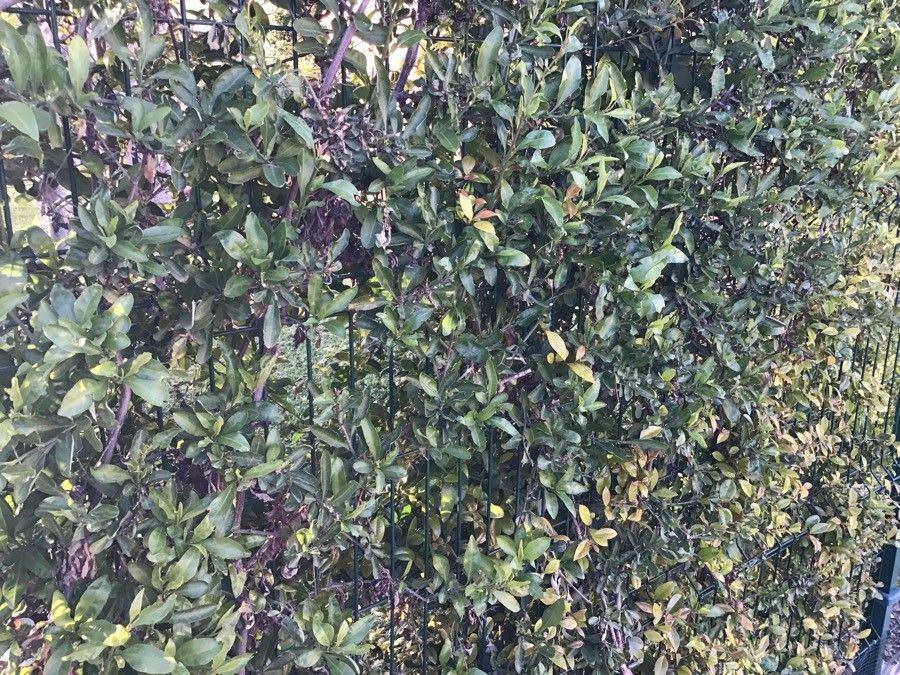
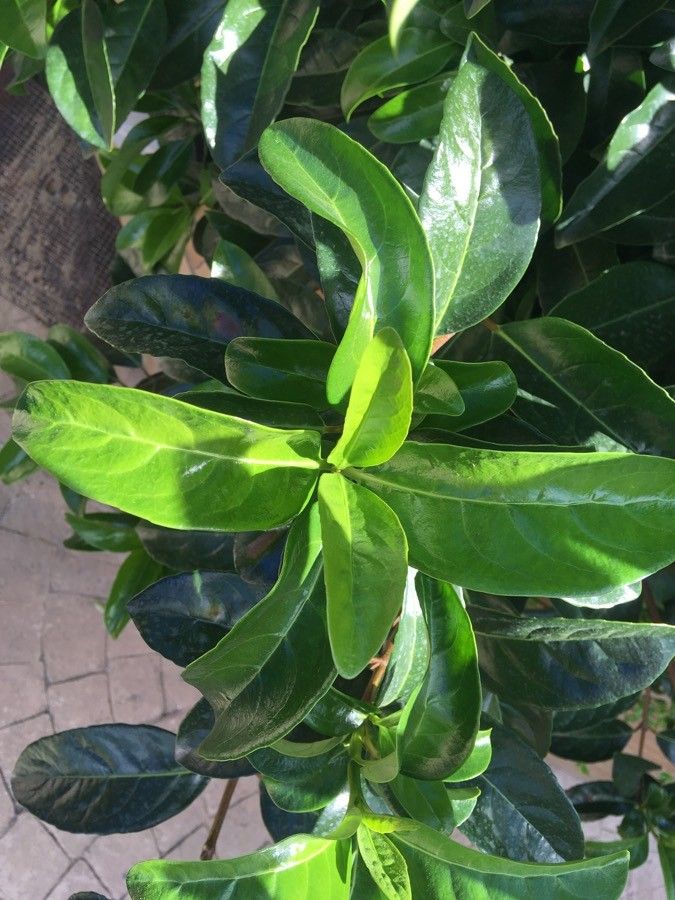
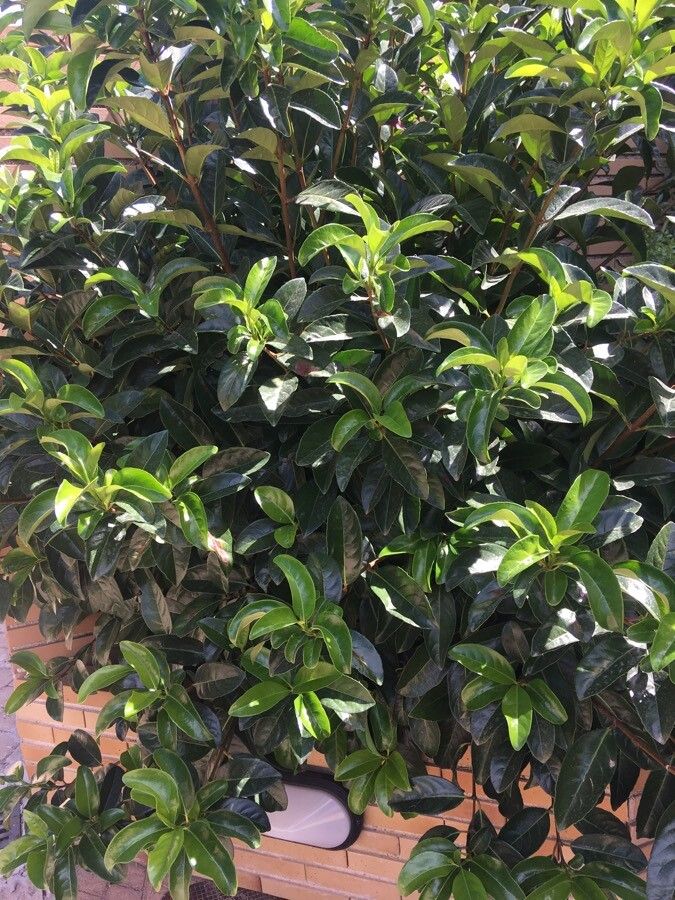
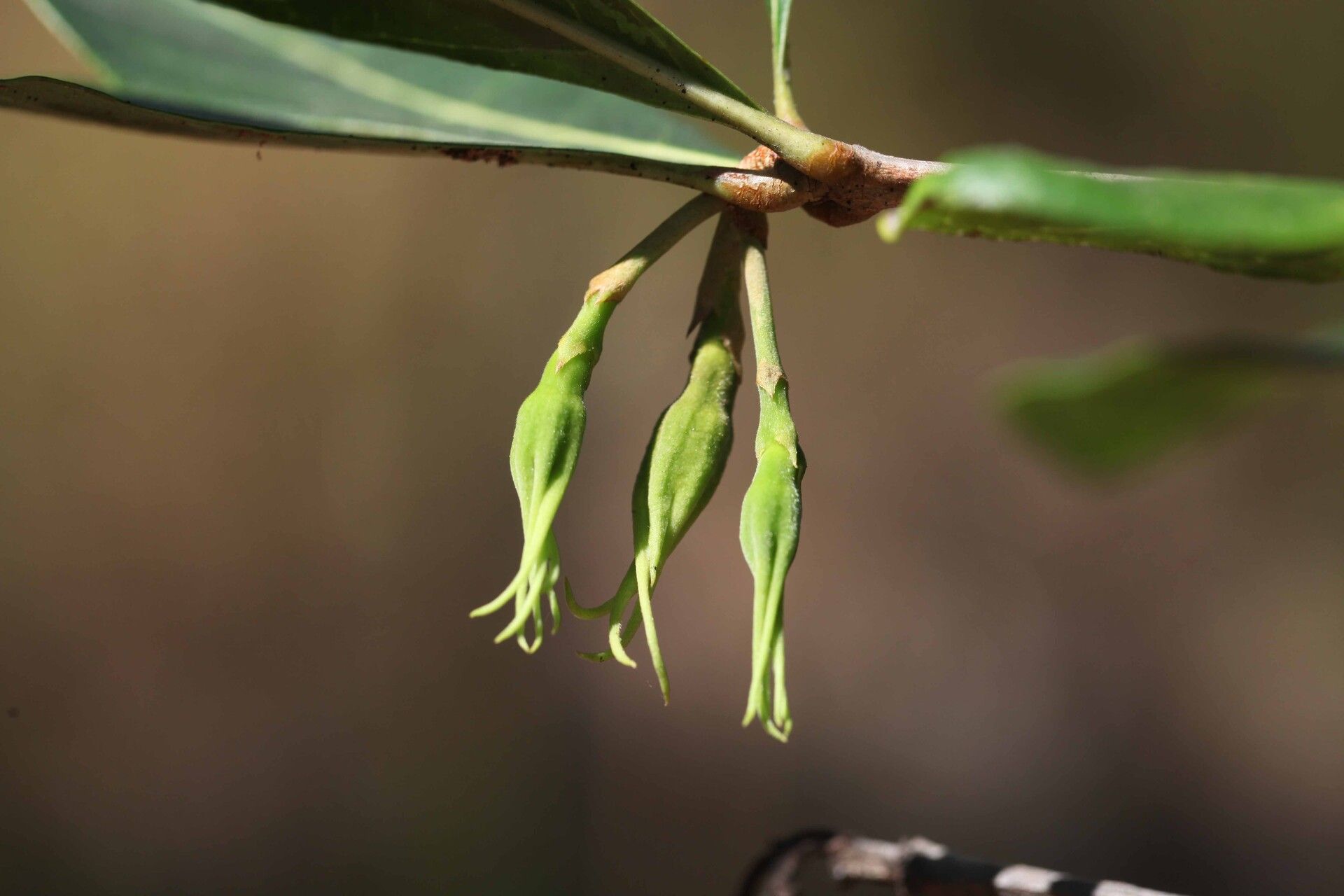
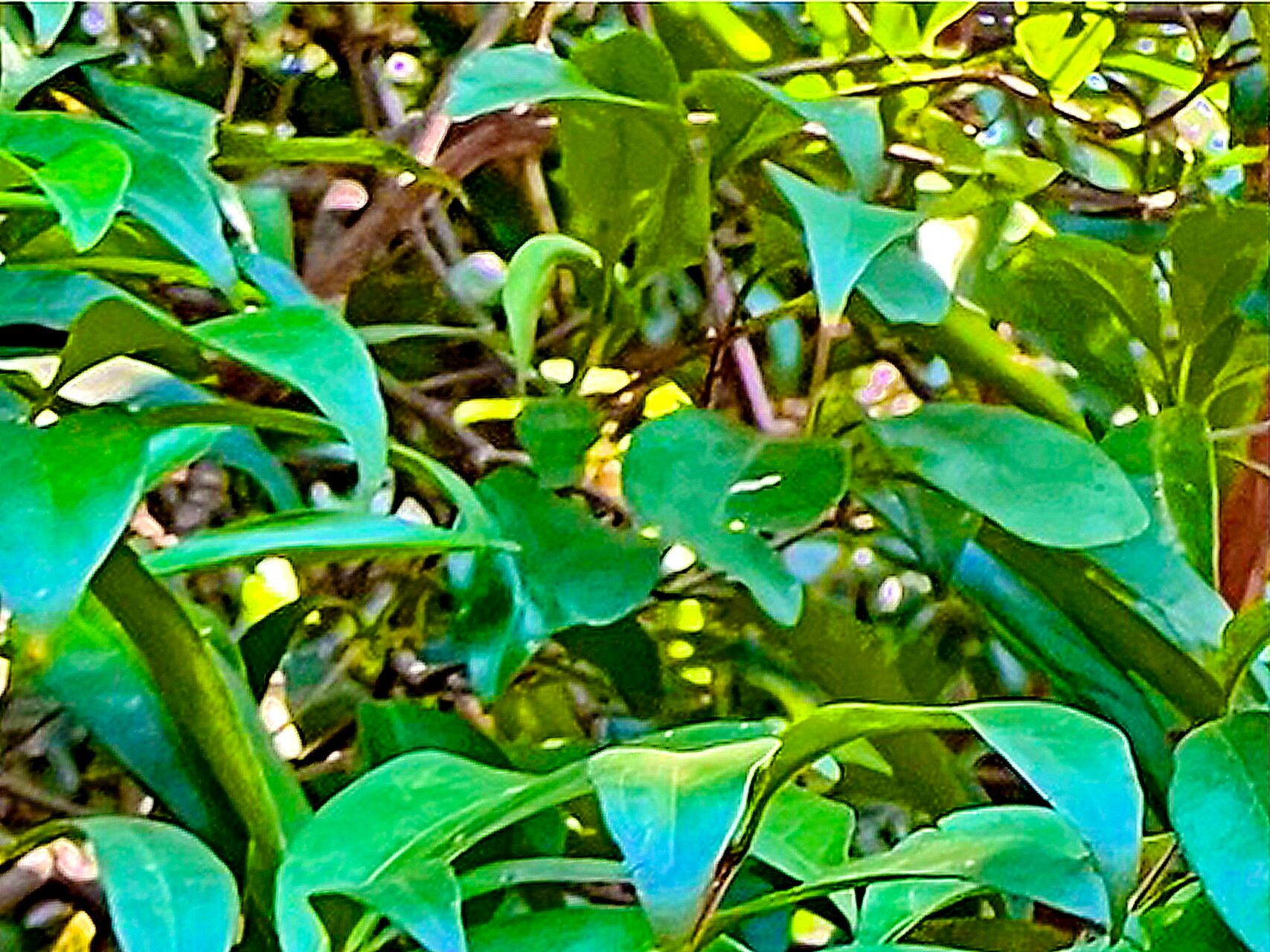
Rothmannia capensis, commonly known as the Cape gardenia or wild gardenia, is a small to medium-sized evergreen tree native to South Africa. A member of the Rubiaceae family, this tree can grow up to 10 meters tall, featuring a dense, rounded crown with glossy, dark green leaves arranged in opposite pairs.
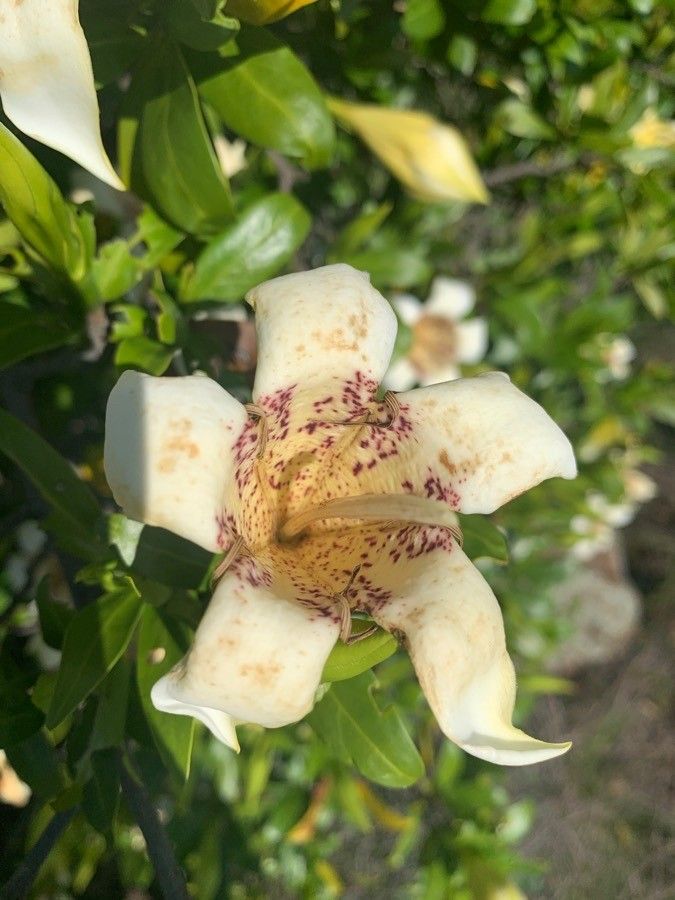
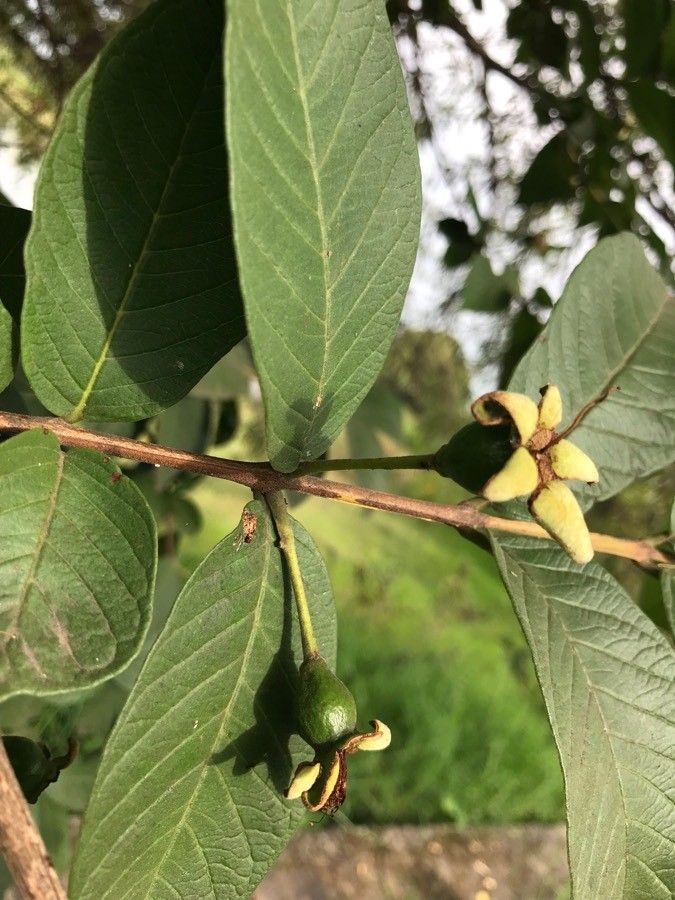
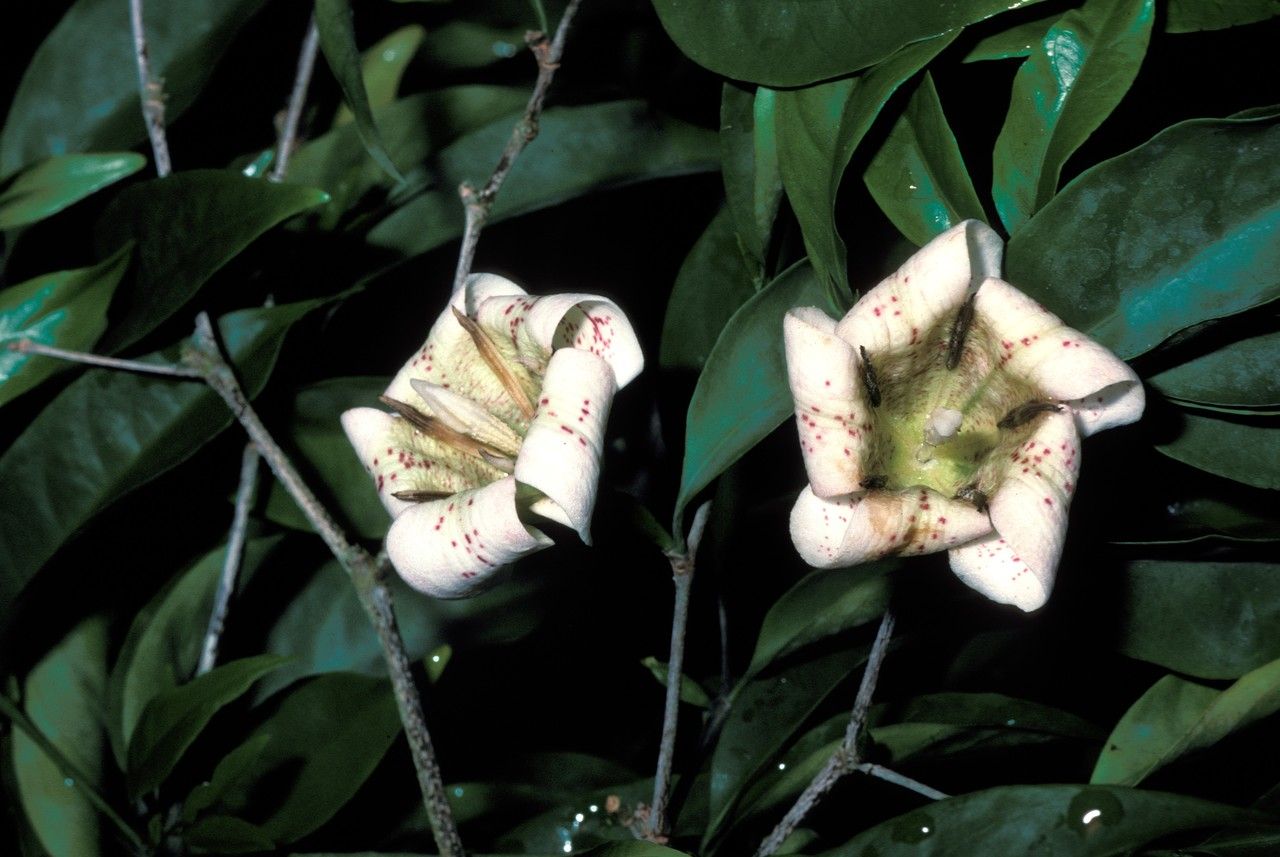
The Cape gardenia showcases large, fragrant white flowers with five petals that bloom in the summer. These flowers are succeeded by small, round fruits that transition from green to yellow when ripe. The fruit contains numerous seeds that are dispersed by birds.
Preferring well-drained soils, Rothmannia capensis can tolerate both full sun and partial shade. It is a popular choice for gardens due to its attractive foliage and fragrant blooms.
Beyond their obvious beauty, many plants offer a range of uses and benefits. For example, the wood from this particular plant is commonly used to make handles, spoons, and other wooden kitchen utensils. Although the fruit of the tree is not particularly tasty to humans, it is a favorite among local wildlife, such as baboons, vervet monkeys, and samango monkeys, who pick the fruits directly from the tree. FUN FACT · FROM THE LIBRARY
In traditional medicine, various parts of the Rothmannia capensis plant have been utilized for their medicinal properties, including treating fever, stomach ailments, headaches, and skin infections.
Overall, Rothmannia capensis is a visually appealing ornamental tree with medicinal benefits, making it a valuable addition to gardens or natural landscapes.
Wild gardenia is highly disease-resistant and is generally not prone to illnesses. In terms of care, this plant is fairly low-maintenance. When grown outdoors it needs little watering, and larger plants typically do not require pruning. Smaller plants, however, should be pruned after they finish blooming. Wild gardenia is suitable for anyone with outdoor space, such as a garden or deck, and does not require much care experience.
How to keep Rothmannia Capensis.
Light
Wild gardenia thrives in locations that get plenty of sunlight throughout the day but can tolerate areas where the sun is partly blocked. Its growth can be restricted if light is either too scarce or too plentiful. As a species native to sun-rich habitats, its developmental stages also require a similar light regime.
Water
The wild gardenia comes from regions with inconsistent rainfall, which makes it moderately drought-tolerant. This plant does well when watered every 2-3 weeks, allowing the soil to dry out slightly between waterings. Using mulch helps to retain moisture in the soil and can reduce the need for frequent watering, particularly during its active growing season in warmer climates.
Temperature
Wild gardenia originates from areas where temperatures range between 68 and 100 °F (20 and 38 °C). These figures show the plant favors a warmer environment. Depending on local climate conditions, seasonal adjustments may not be required.
Fertilizer
The best time to fertilize a Wild gardenia is in early spring when it breaks dormancy. This encourages overall growth and the development of flowers. Feeding the plant improves foliage, stems, and branches, and fosters large, vibrant, long-lasting blooms. It assists in moving nutrients from the roots to the flowers and enhances the plant’s health and resistance to disease.
Pruning
Wild gardenia is an ornamental plant cherished for its attractive foliage and fragrant flowers. To maintain its health and enhance its flowering, prune the plant from early to late winter. Focus on removing dead branches and excess growth to improve both air circulation and light exposure. Ensure you use clean, sharp tools and be careful not to over-prune for the best results.
Botanical profile.
- Plant Type
- Tree
- Life Cycle
- Perennial
- Genus
- Rothmannia
- Family
- Rubiaceae
- Hardiness Zone
- 11
- Mature Height
- 2.44 m to 20.12 m
- Mature Spread
- 6.1 m
- Leaf Color
- Green
- Leaf Type
- Evergreen
- Flower Color
- White
- Flower Size
- 6.35 cm
- Bloom Time
- Mid spring, Late spring, Early summer
- Planting Time
- Spring, Summer, Autumn
- Harvest Time
- Mid summer, Late summer, Early fall
- Native Area
- South Africa, Eswatini, Botswana
Other names.
Reader questions.
What are the sunlight requirements for Wild Gardenia?
Wild Gardenia, or Rothmannia capensis, needs specific light conditions to thrive. It flourishes in areas that receive ample sunlight throughout the day but can also survive in locations where the sunlight is partially blocked. For optimal growth, the plant requires more than 6 hours of direct sunlight, categorized as 'full sun', or about 3-6 hours known as 'partial sun'. It's important to observe the movement of sunlight through your garden to find spots that offer a balanced light environment for your plants. Excessive shade or direct sunlight can hinder its growth, indicating the plant's native preference for generous sunlight exposure.
What is the native environment of Wild gardenia?
Wild gardenia, or Rothmannia capensis, is native to regions that experience temperature ranges of 68 to 100 °F (20 to 38 °C), symbolizing its preference for warmer environments. Depending on the local climate, making seasonal adjustments might not be necessary since Wild gardenia is highly heat-loving. It's advised to protect the plant from cold temperatures by bringing outdoor-planted specimens indoors in autumn, ensuring they're placed near a bright window but at a safe distance from heaters. During winter, keeping the temperature above 20°C is beneficial for the plant's growth, as temperatures nearing 10°C could cause damage.
How can artificial lighting supplement natural sunlight for Wild Gardenia indoors?
Indoor Wild Gardenia plants require adequate lighting to grow optimally, especially when natural sunlight is insufficient, such as during winter or in less sunny spaces. Artificial lighting can provide a vital solution to this. LED lights are recommended because they offer customizable wavelengths needed by the plant. The requirement for artificial light intensity depends on the type of plant: 30-50W/sq ft for full sun plants, 20-30W/sq ft for partial sun plants, and 10-20W/sq ft for full shade plants. The light source should be placed 12-36 inches above the plant, mimicking natural sunlight as closely as possible with 8-12 hours of light per day.
How does low temperature affect Wild gardenia and what are the solutions?
Wild gardenia thrives in warm temperatures and lacks tolerance for cold. It flourishes best when the temperature remains above 20°C, and during winter, it is essential to keep it above 10°C. Exposure to temperatures below 5°C may result in the leaves lightening in color, turning brown or black after frost damage, alongside symptoms like wilting and drooping. To address frost damage, trim off the affected parts and move the plant to a warmer indoor environment. Placing it near a south-facing window can ensure it receives sufficient sunlight, but it's also crucial to avoid placing it near heaters or air conditioning vents to prevent air dryness.
What are the symptoms of inadequate light exposure in Wild Gardenia?
When Wild Gardenia does not receive sufficient light, several symptoms can occur. These include the appearance of smaller new leaves compared to mature ones, leggy or sparse growth, faster leaf drop, slower or no new growth, and the development of lighter-colored or yellow leaves indicative of chlorosis. Excessive sunlight can cause other issues like sunscald, leaf curling, wilting, and leaf scorching, which are visible as damage on leaves and stems, including brown, dry, and crispy edges.
What are the effects of high temperature on Wild gardenia and how can they be mitigated?
During summer, it is vital to keep Wild gardenia's temperature below 38°C because exceeding 43°C can cause the leaves to lighten and increase the plant's susceptibility to sunburn. To mitigate damage from high temperatures, remove the sunburned and dried parts of the plant, and reposition it to a spot shielded from the midday and afternoon sun. Ensuring the plant is watered in the morning and evening will help keep the soil moist, providing further protection against the heat.
How can one address light deficiency issues in Wild Gardenia to promote healthy growth?
To address light deficiency in Wild Gardenia, gradually increasing exposure to sunlight is crucial. For indoor plants, moving them to a south-facing window or employing artificial lighting for at least 8 hours a day can be beneficial. Outdoor and ground plants should be gradually moved to sunnier spots over time to prevent sunburn. It may also be necessary to trim obstructions like tree branches to improve sunlight penetration. Unfortunately, parts of the plant already affected by low light may not recover, but with adequate light exposure, new growth will be healthy. For smaller plants, transplanting during the dormant period to a brighter location can also help.