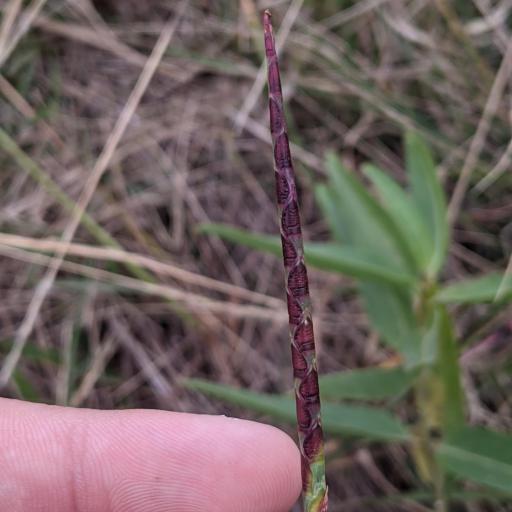
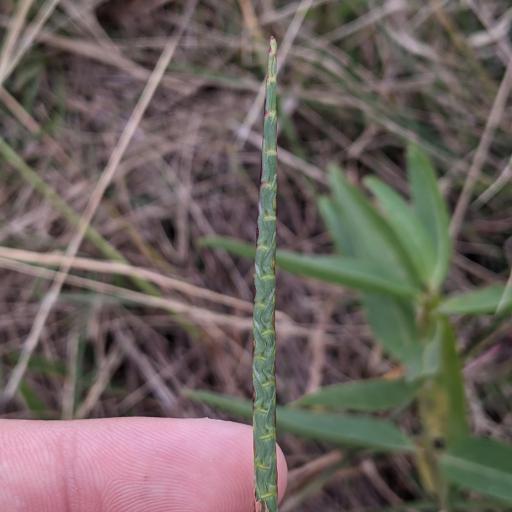
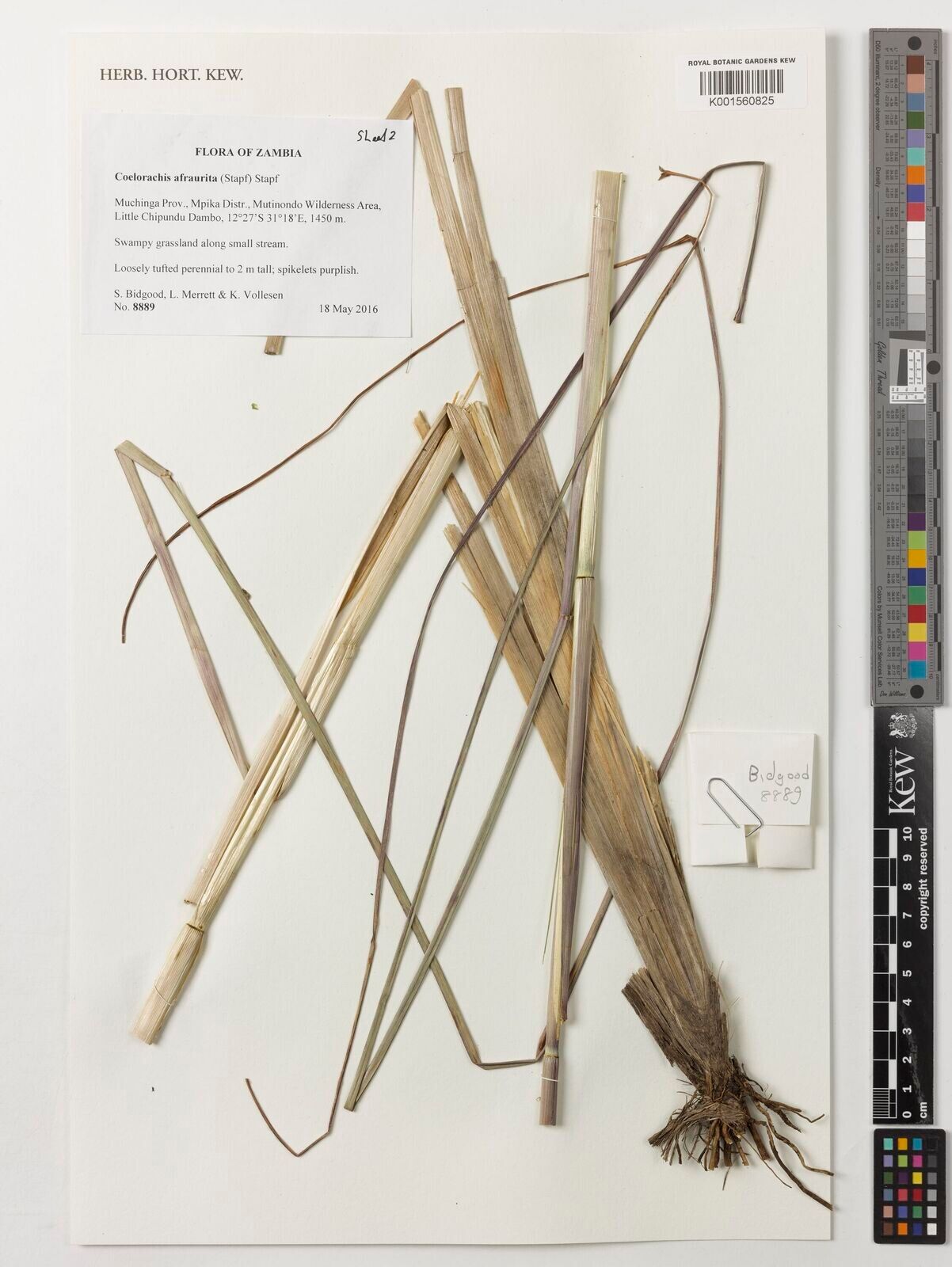
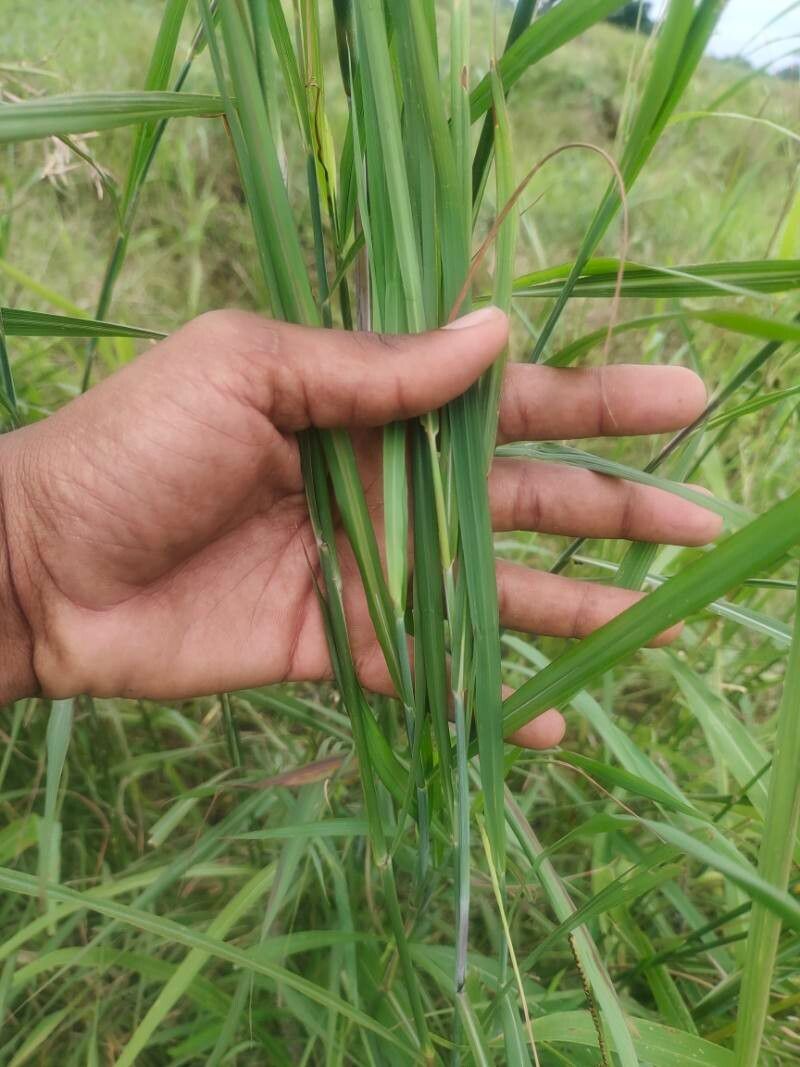
Rottboellia campestris, synonyms including Coelorachis cylindrica and Mnesithea cylindrica, is a species of flowering plant in the grass family Poaceae. It is known by the common names cylinder jointtail grass, Carolina jointgrass, and pitted jointgrass. It is native to the southeastern United States.
Carolina jointail shows strong resistance to disease and is, in general, unlikely to suffer from illnesses. With respect to care, this plant is fairly low-maintenance. When grown outdoors it needs only light watering, and larger specimens typically do not require pruning. Smaller plants, however, should be pruned after they finish blooming. Carolina jointailt is a good choice for anyone with an outdoor area, such as a garden or deck, and it does not demand much care experience.
How to keep Rottboellia Campestris.
Light
Carolina jointail is a perennial herbaceous plant that loves the sun and is native to open environments, often flourishing in meadows and grasslands. It prefers full sun exposure, but can also withstand conditions of partial sunlight.
Water
Carolina jointail thrives in consistently moist environments and requires thorough weekly watering. Although it is resilient to short dry spells, its care should align with seasonal rainfall patterns to balance its hydration needs and drought tolerance. This makes it well-suited for outdoor cultivation.
Temperature
The Carolina jointail flourishes in chilly regions and areas of high elevation. This plant is partial to low temperatures, abundant air flow, and a damp habitat. In the summer season, it's crucial to implement various tactics to keep it cool, as it is highly vulnerable to warmth and could potentially succumb to it. Arid conditions can likewise damage the plant. During winter, there are no necessary steps for insulating against the cold, however, it is essential to preserve the moisture of the soil.
Fertilizer
To encourage robust new growth in a Carolina jointail, it needs extra nutrients. Administering compost at the base of the plant during spring offers an effective method to supply the required nourishment. Fertilization contributes to the promotion of vibrant growth and supports the plant in warding off diseases and pests.
Pruning
Carolina jointail benefits from early spring pruning, which involves removing dead or damaged stems to promote healthy regrowth. Regular thinning is also important, as it enhances air circulation and reduces the risk of disease. However, be careful not to over-prune, as this can cause stress to the plant. By following these guidelines, you can ensure robust growth and improved overall vigor.
Botanical profile.
- Plant Type
- Grass
- Life Cycle
- Perennial
- Genus
- Rottboellia
- Family
- Poaceae
- Hardiness Zone
- 4
- Mature Height
- 91 cm
- Mature Spread
- 30 cm to 61 cm
- Leaf Color
- Green
- Leaf Type
- Semi-evergreen
- Flower Color
- Yellow, Green, Purple, Brown, Orange
- Flower Size
- 0.51 cm to 1.02 cm
- Bloom Time
- Early summer, Mid summer
- Planting Time
- Spring
- Harvest Time
- Late summer, Early fall
- Native Area
- Georgia
Other names.