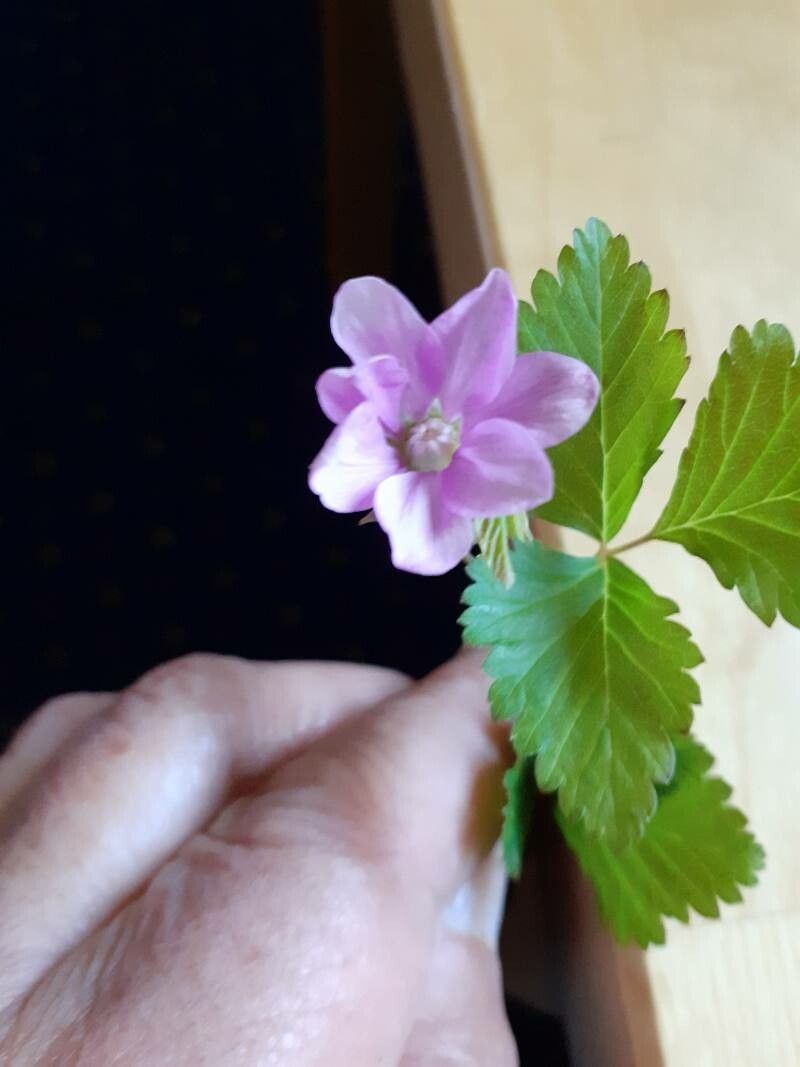
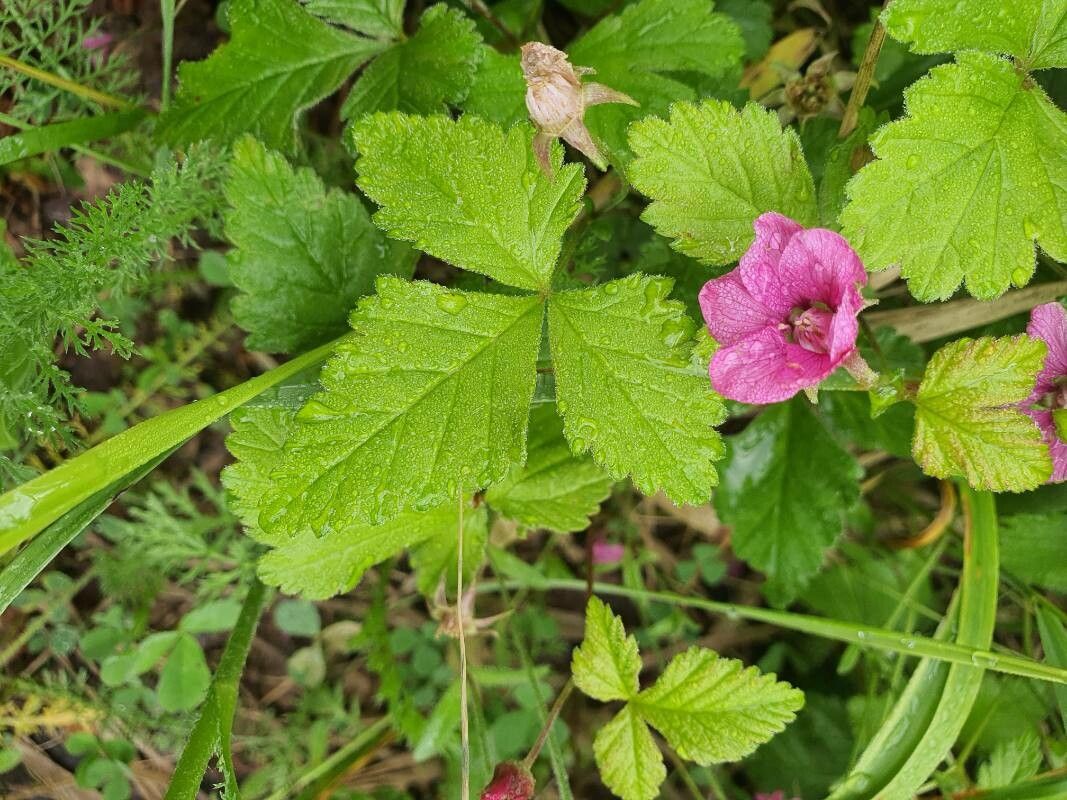
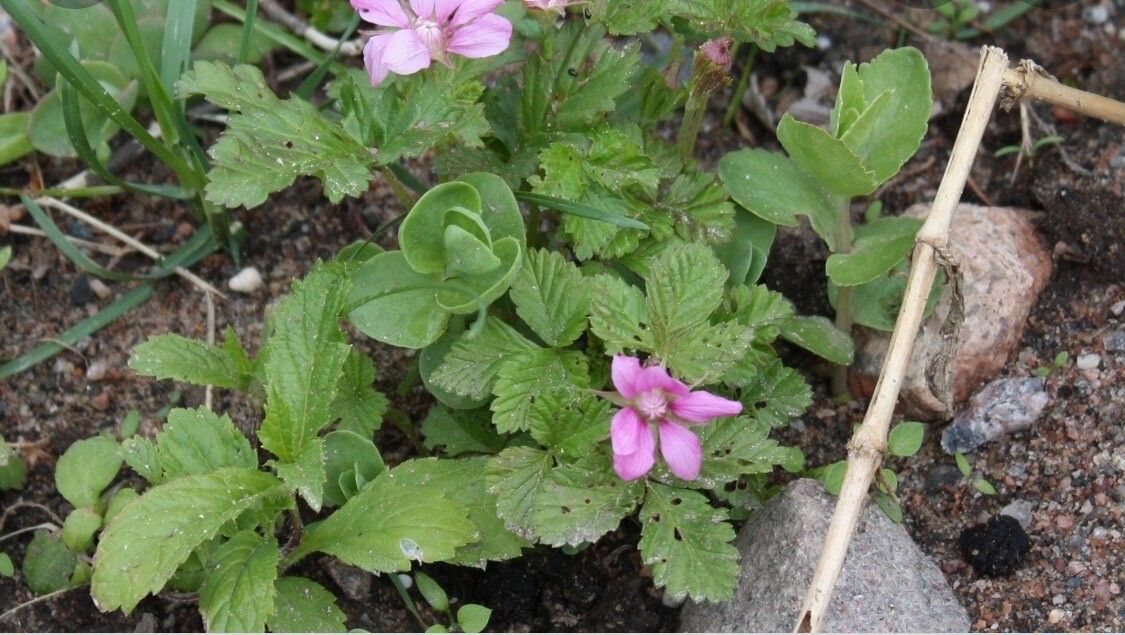
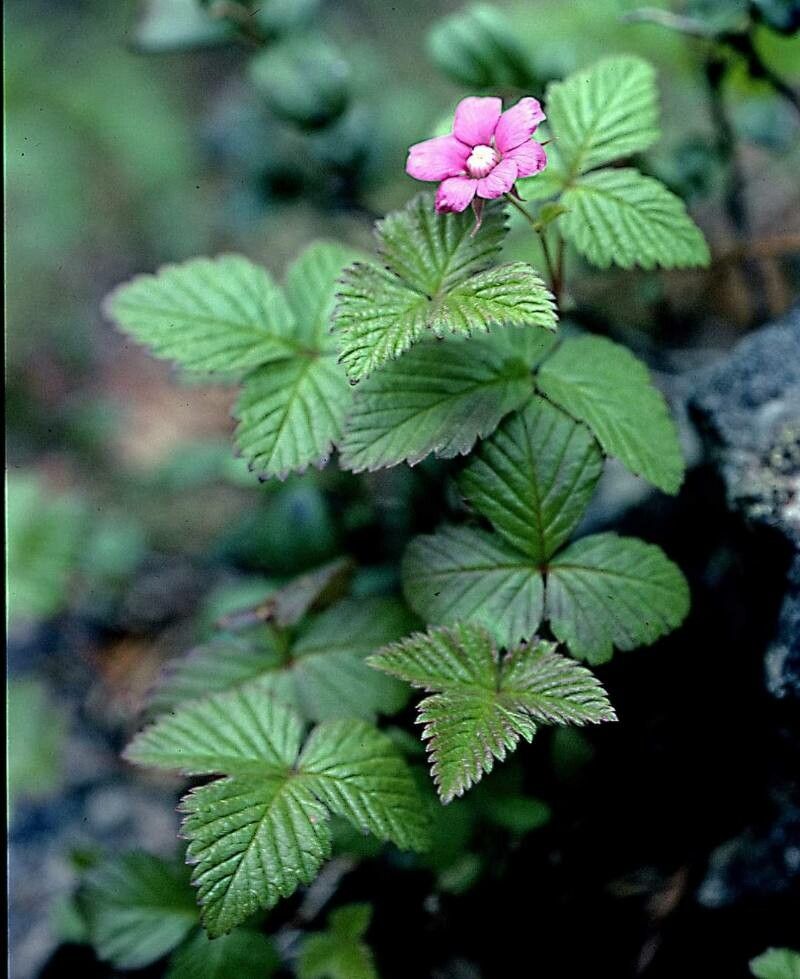
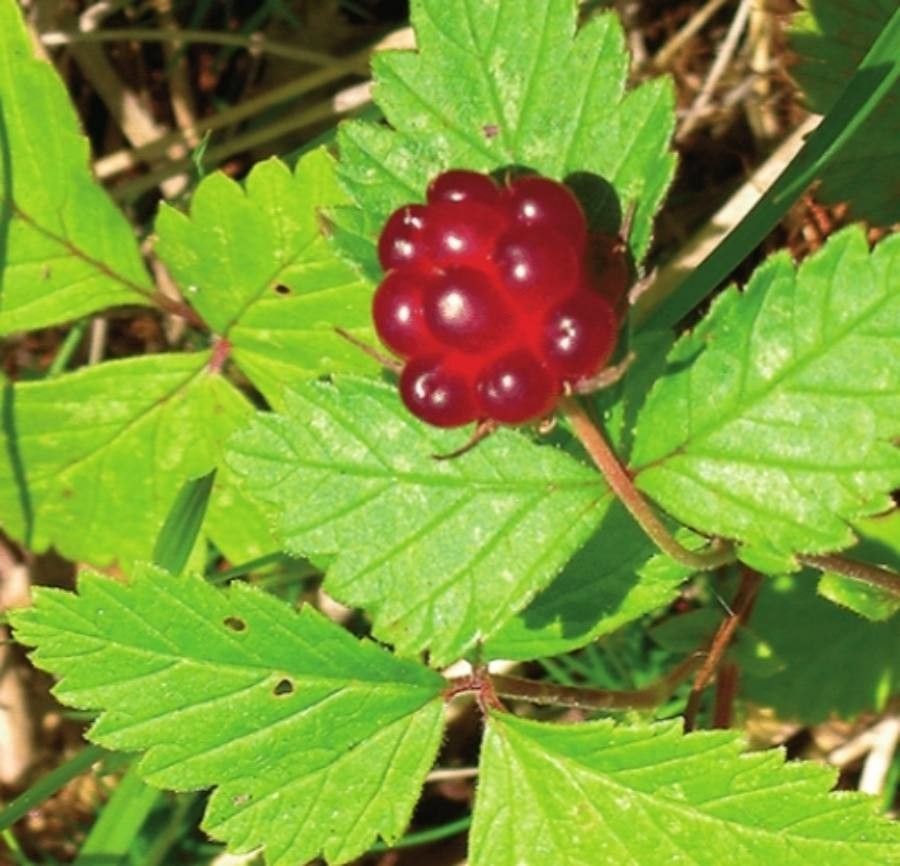
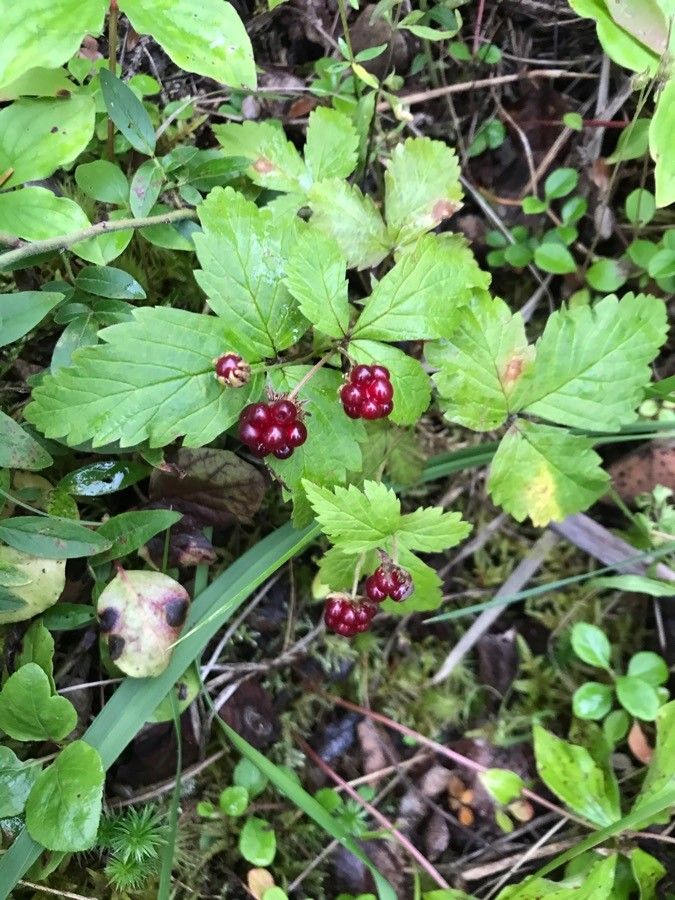
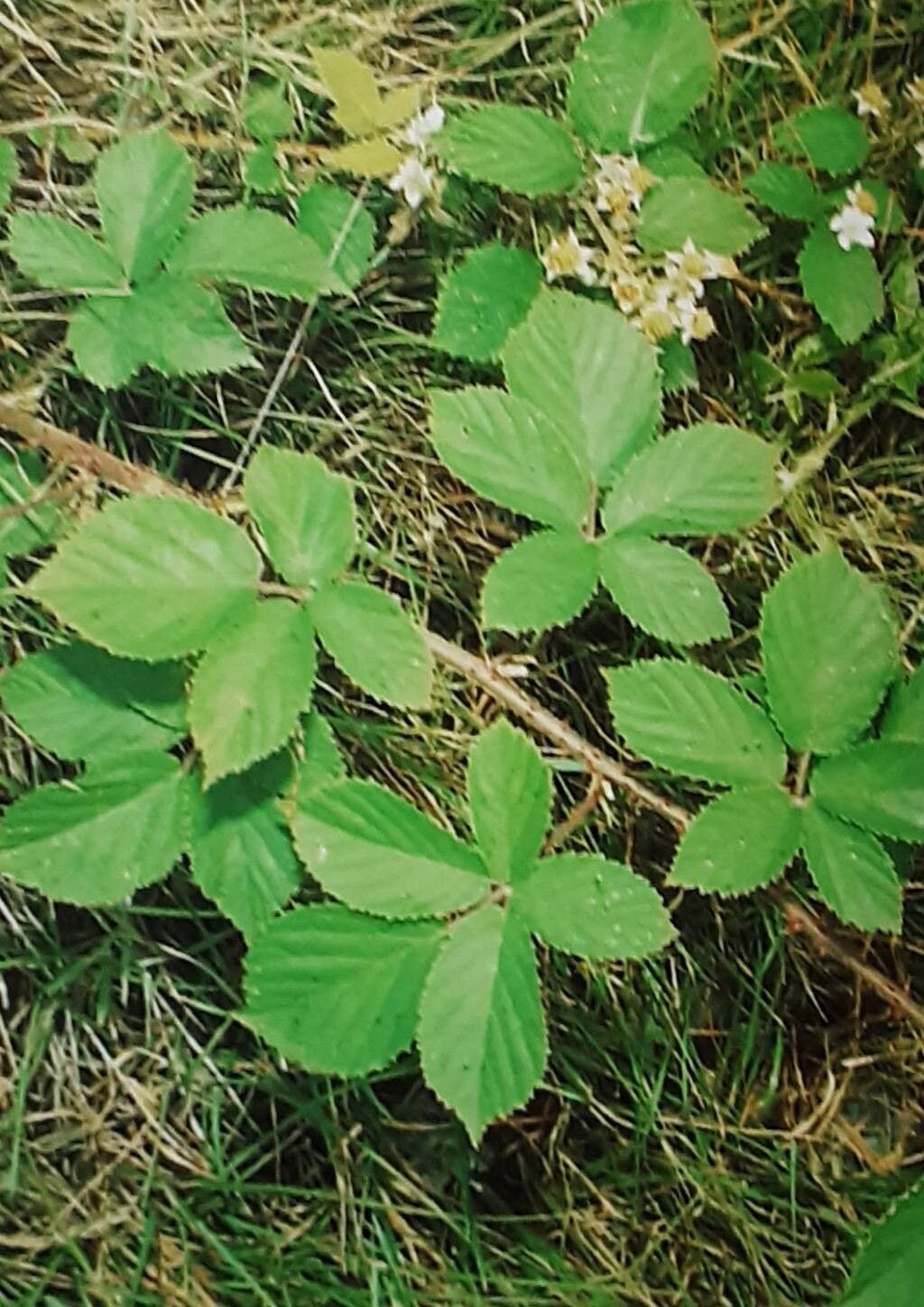
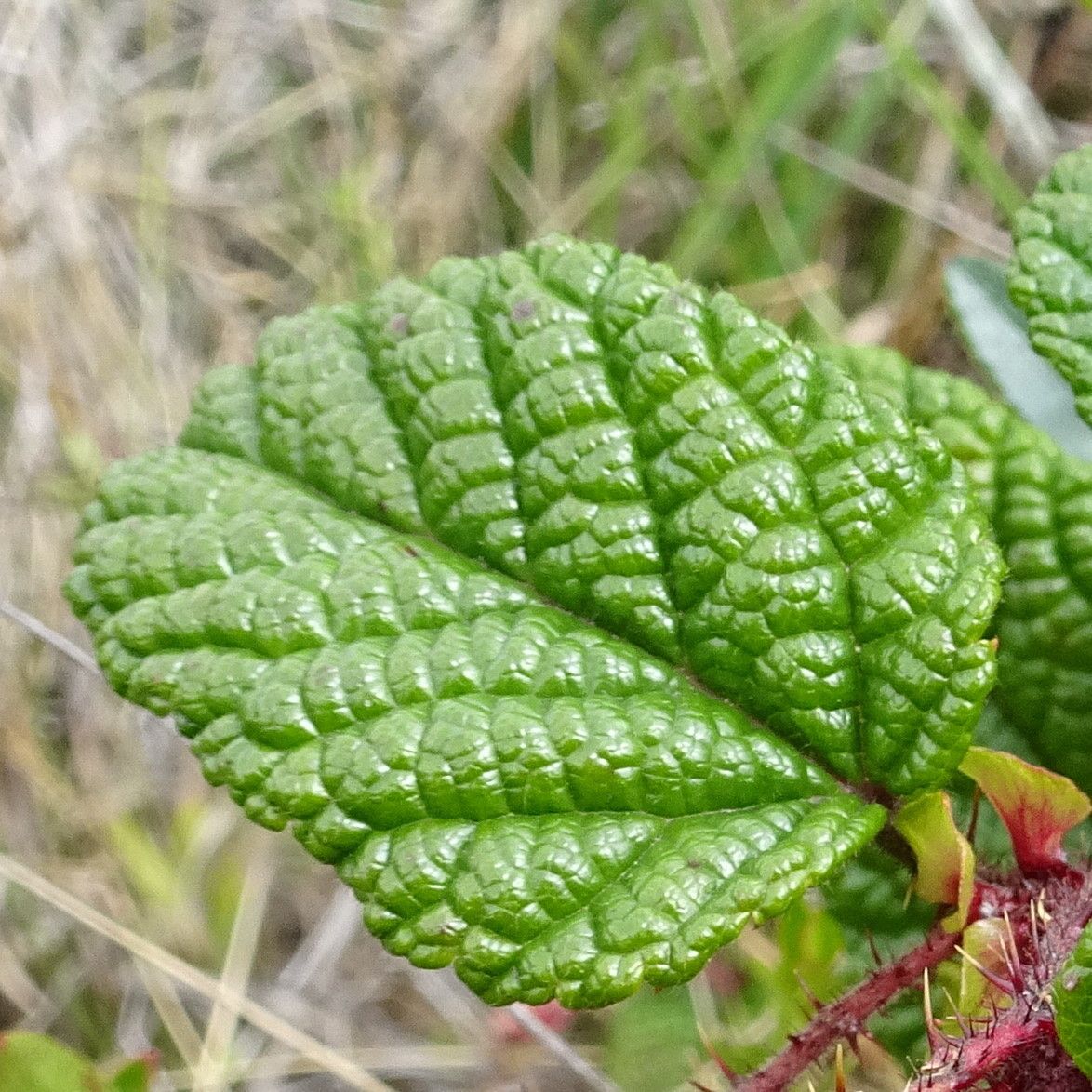
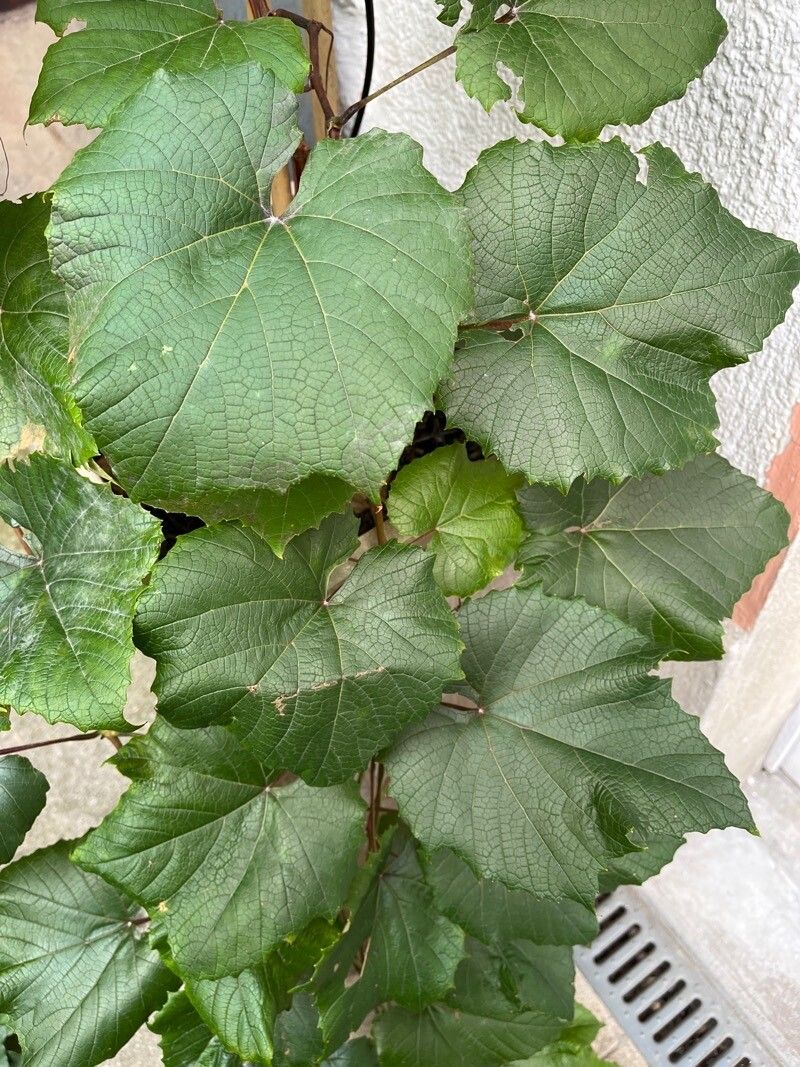
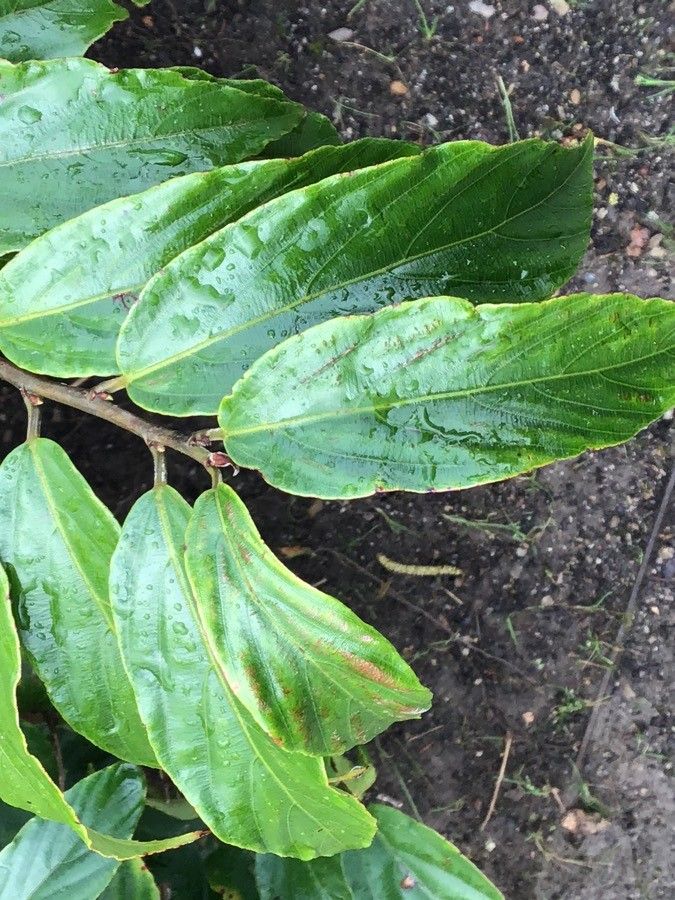
Rubus arcticus, the Arctic bramble or Arctic raspberry, is a species of slow-growing bramble belonging to the rose family, found in arctic and alpine regions in the Northern Hemisphere.
Arctic raspberry has strong resistance to disease and typically does not suffer from illnesses. Still, it can be affected by pests and diseases present in its environment. When infections do occur, they are generally mild. Regarding care, the plant needs moderate maintenance. It should be pruned regularly to keep a tidy appearance and encourage healthy growth. Applying fertilizer can also help improve flowering. Arctic raspberry is appropriate for anyone who has an outdoor area, such as a garden or patio, and it does not demand extensive gardening experience. It may need extra attention if grown indoors.
How to keep Rubus Arcticus.
Light
Arctic raspberry naturally occurs in settings such as forest understories and rocky areas, where it experiences natural shade. It prefers partial sun but can adjust to full sun or full shade, reflecting its versatile and hardy nature.
Water
The Arctic raspberry thrives in cool, moist environments and requires consistent watering, ideally on a weekly basis. Although it can tolerate moderate drought conditions, it does best when the soil remains evenly moist. Applying mulch is helpful for retaining moisture and protecting the roots during dry periods.
Temperature
Arctic raspberry grows best in cold climates and at high altitudes. It prefers cool temperatures, good airflow, and a consistently moist environment. In summer, measures should be taken to keep it cool, because it is highly sensitive to heat and can easily perish. Dry conditions can also damage the plant. In winter, no special cold protection is necessary, but maintaining soil moisture is important.
Fertilizer
The Arctic raspberry plant needs adequate nutrients to achieve optimal fruit production. Fertilize in early spring to promote new growth and flower development. Regular feeding keeps the plant healthy, helps it produce tastier fruit, and prevents nutrient-deficiency problems like yellowing leaves and poor fruit production.
Pruning
The Arctic raspberry is a low-growing, deciduous shrub prized for its edible berries and trifoliate leaves. To maintain healthy plants, prune the Arctic raspberry in early to late spring. Start by removing any dead wood and then thin out the canes to improve air circulation. This helps boost fruit production and supports the overall health of the plant.
Botanical profile.
- Plant Type
- Herb, Shrub
- Life Cycle
- Perennial
- Genus
- Rubus
- Family
- Rosaceae
- Hardiness Zone
- 2-6
- Mature Height
- 10 cm to 25 cm
- Mature Spread
- 20 cm to 40 cm
- Leaf Color
- Green
- Leaf Type
- Deciduous
- Flower Color
- Pink
- Flower Size
- 1.02 cm to 2.03 cm
- Bloom Time
- Mid spring, Late spring
- Planting Time
- Spring, Autumn
- Harvest Time
- Mid summer, Late summer
Other names.
Reader questions.
What are the sunlight requirements for Arctic Raspberry (Rubus arcticus)?
Arctic Raspberry, known botanically as Rubus arcticus, thrives under specific sunlight conditions to grow healthily. It requires 'full sun' exposure, which means the plant needs above 6 hours of sunlight daily. Alternatively, it can also grow under 'partial sun' conditions, needing about 3-6 hours of sunlight each day. When selecting a planting spot for your Arctic Raspberry, it's important to observe the movement of sunlight through your garden, aiming for areas that offer a perfect balance of light and shade. This ensures the optimum growth conditions for your plant, enhancing its happiness and wellbeing.