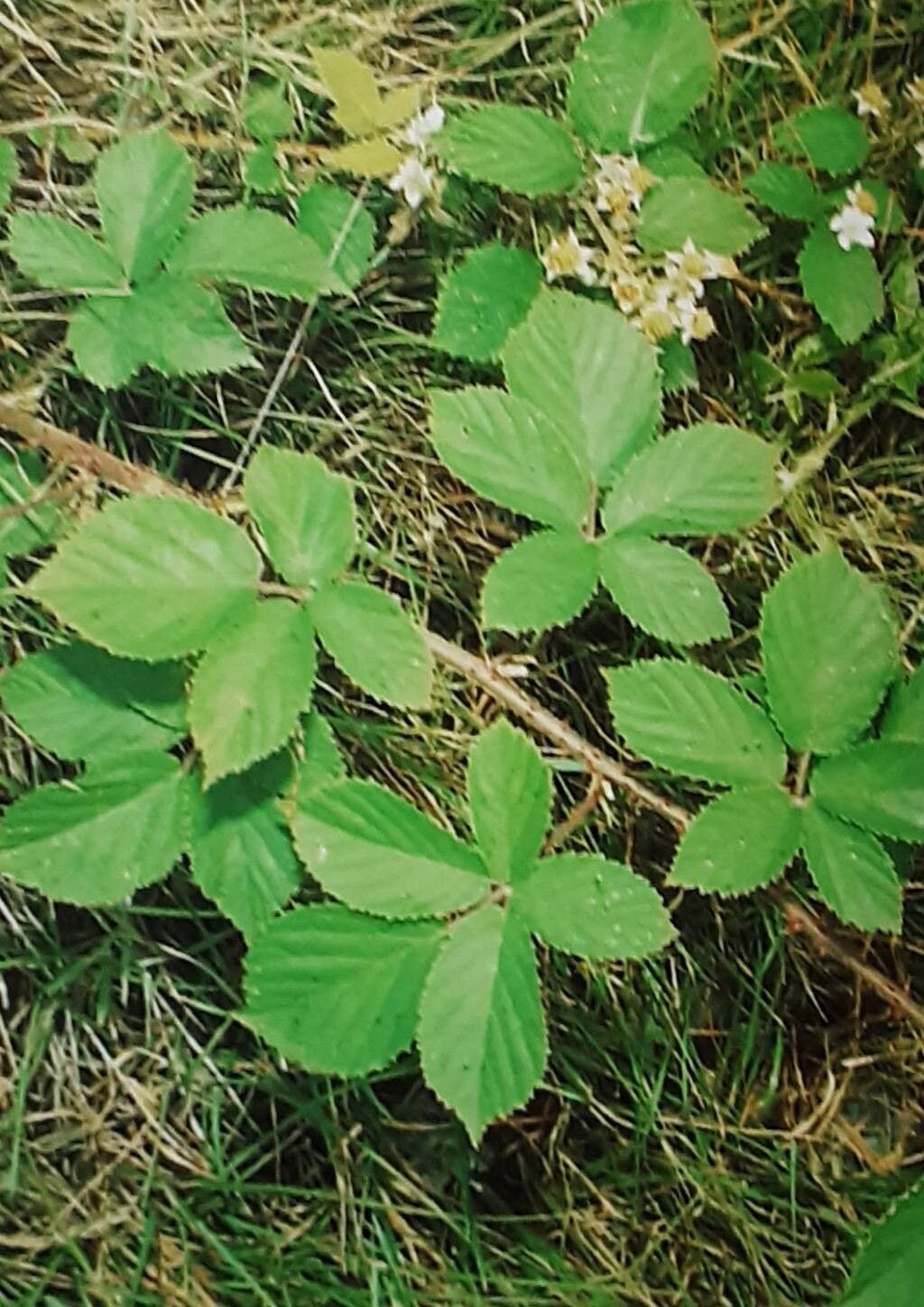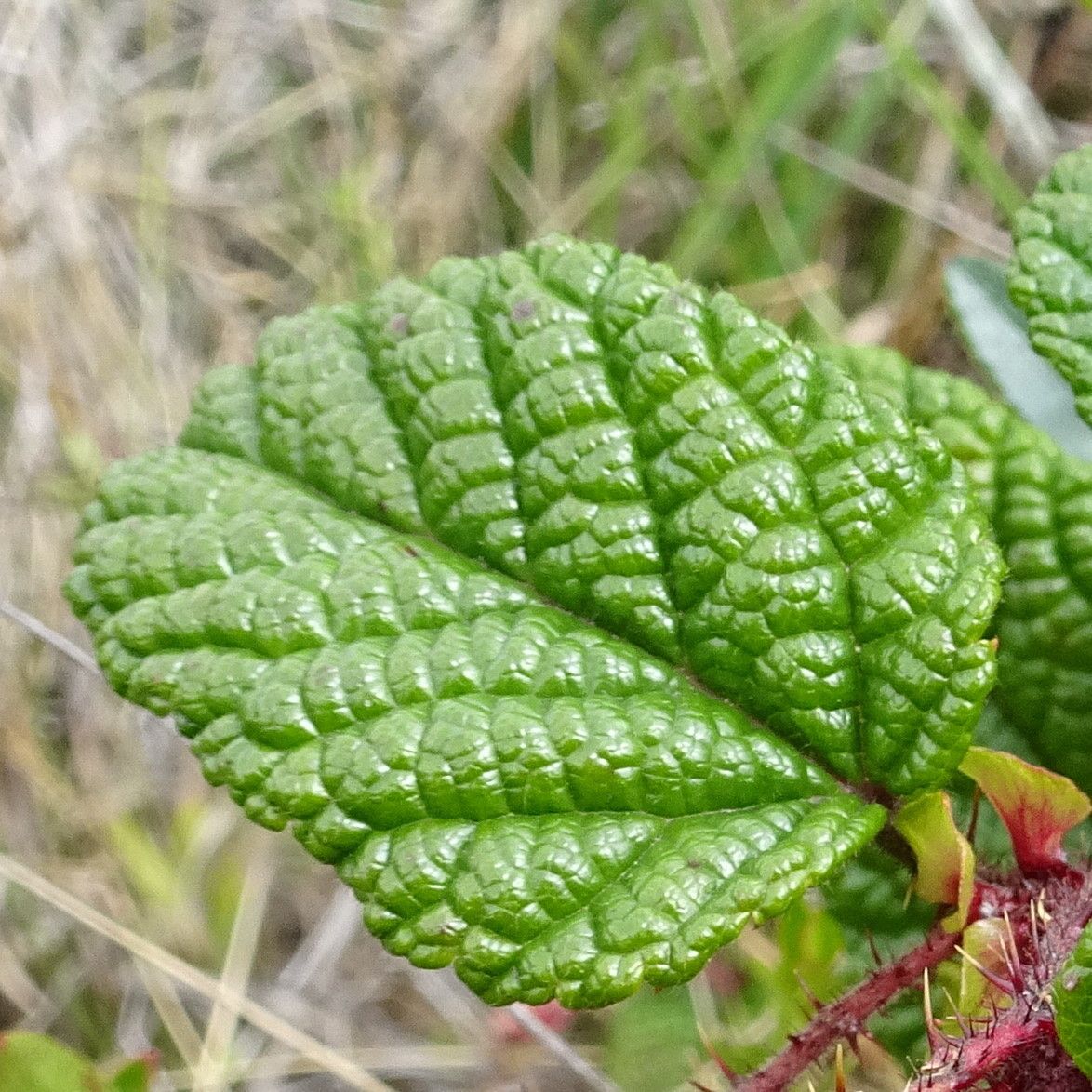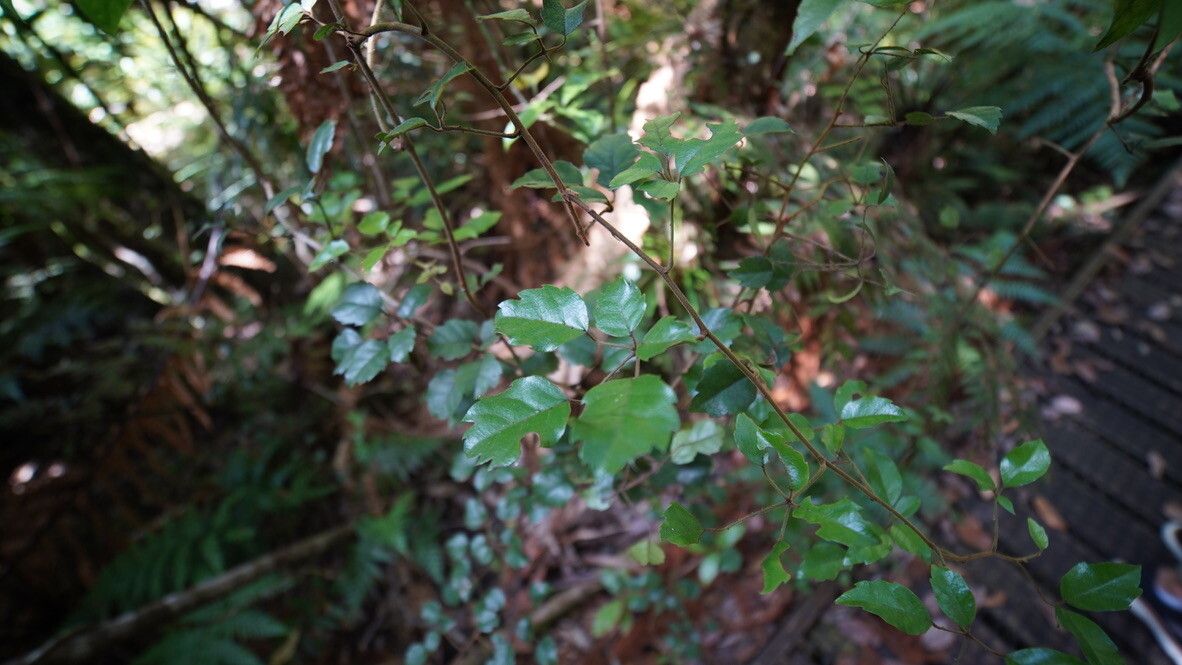
Rubus australis, commonly called swamp lawyer, is a climbing plant species found in New Zealand. Its hooked branches allow it to climb across the ground and into shrubs and trees.
Woolly blackberry has good resistance to disease and is generally not prone to disease. In terms of care, the plant is relatively low-maintenance. When grown outdoors it needs minimal watering, and larger plants typically do not require pruning. Smaller plants, however, should be pruned after they have finished blooming. Woolly blackberry is suitable for anyone with an outdoor area, such as a garden or a deck, and does not demand extensive gardening experience.
How to keep Rubus Australis.
Light
Woolly blackberry occurs naturally in habitats like forest understories or rocky sites, where it grows in natural shade. It prefers partial sun but can tolerate full sun or full shade, demonstrating its versatile and hardy nature.
Water
The bush-lawyer, a plant native to New Zealand, thrives in damp woodlands. While it can tolerate moderate drought, it requires consistent moisture and should ideally be watered twice a week. It grows best outdoors and benefits from mulching, which helps retain soil moisture and mimics its naturally organic-rich habitat.
Temperature
The woolly blackberry plant shows significant versatility in adapting to a variety of weather conditions, from hot summers to cold winters. Nevertheless, there is an ideal temperature range for its growth. When the heat becomes too intense, the plant is susceptible to stress from high temperatures and humidity, which could lead to its death. In areas where temperatures near its cold tolerance threshold, it's crucial to employ insulation methods to safeguard the plant.
Fertilizer
The Woolly blackberry plant needs adequate nutrients to achieve optimal fruit production. Apply fertilizer in early spring to promote new growth and bloom development. Regular fertilizing keeps the plant healthy, encourages more delicious fruit, and prevents nutrient-deficiency problems like yellowing leaves and poor fruit yields.
Pruning
The bush-lawyer plant has strong, thorny vines that need pruning in early spring. It's important to use clean tools to make precise cuts, which helps maintain an open structure for better air circulation and light exposure. Regular pruning controls the plant's spread, promotes better flowering, and reduces the risk of pests and diseases, resulting in a healthier and more robust appearance.
Botanical profile.
- Plant Type
- Shrub
- Life Cycle
- Perennial
- Genus
- Rubus
- Family
- Rosaceae
- Hardiness Zone
- 7-10
- Mature Height
- 0.91 m to 2.13 m
- Mature Spread
- 0.91 m to 1.52 m
- Leaf Color
- Green, Dark Green
- Leaf Type
- Deciduous
- Flower Color
- White
- Flower Size
- 1.52 cm to 2.03 cm
- Bloom Time
- Late spring, Early summer, Mid summer
- Planting Time
- Spring
- Harvest Time
- Mid summer, Late summer, Early fall