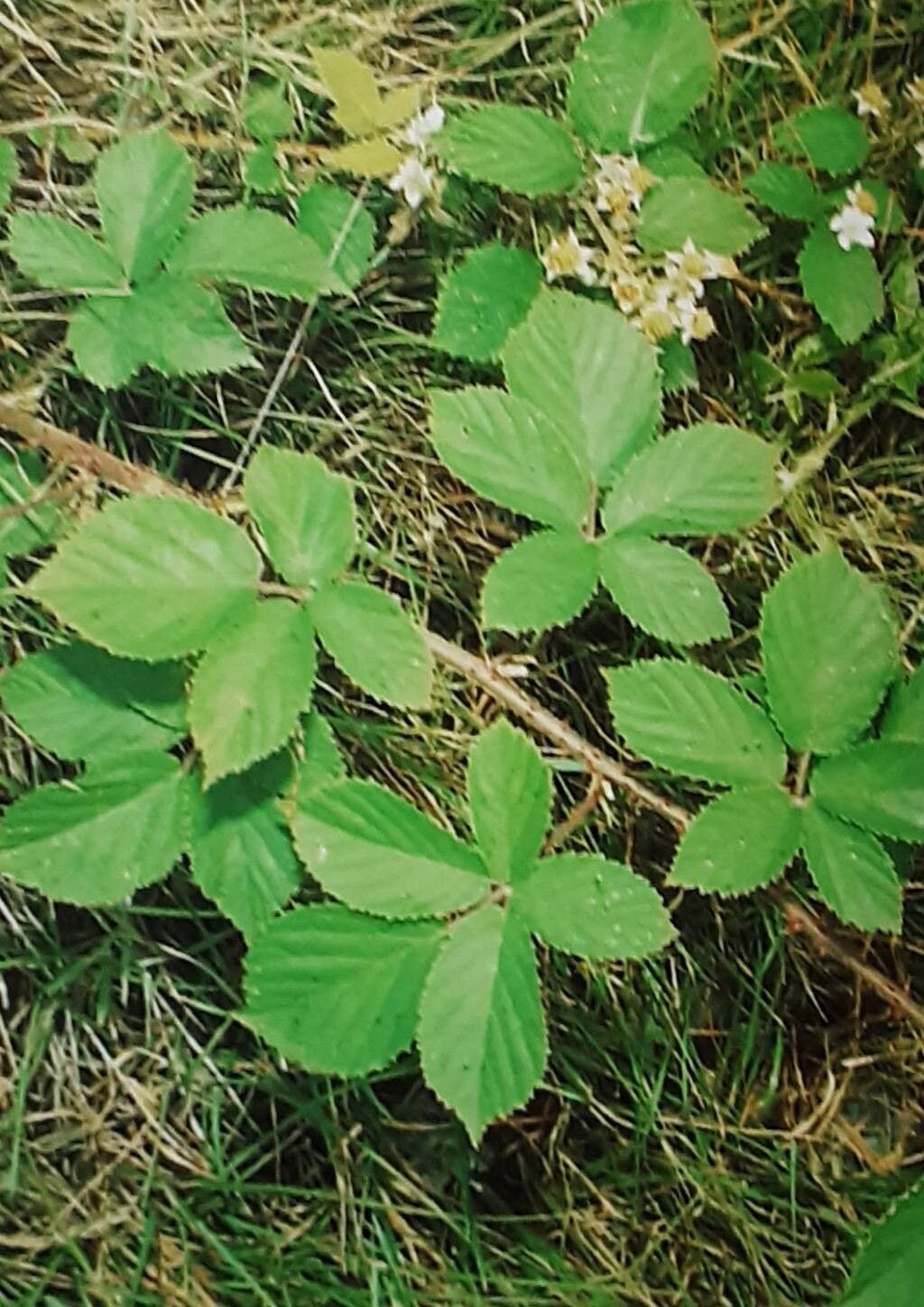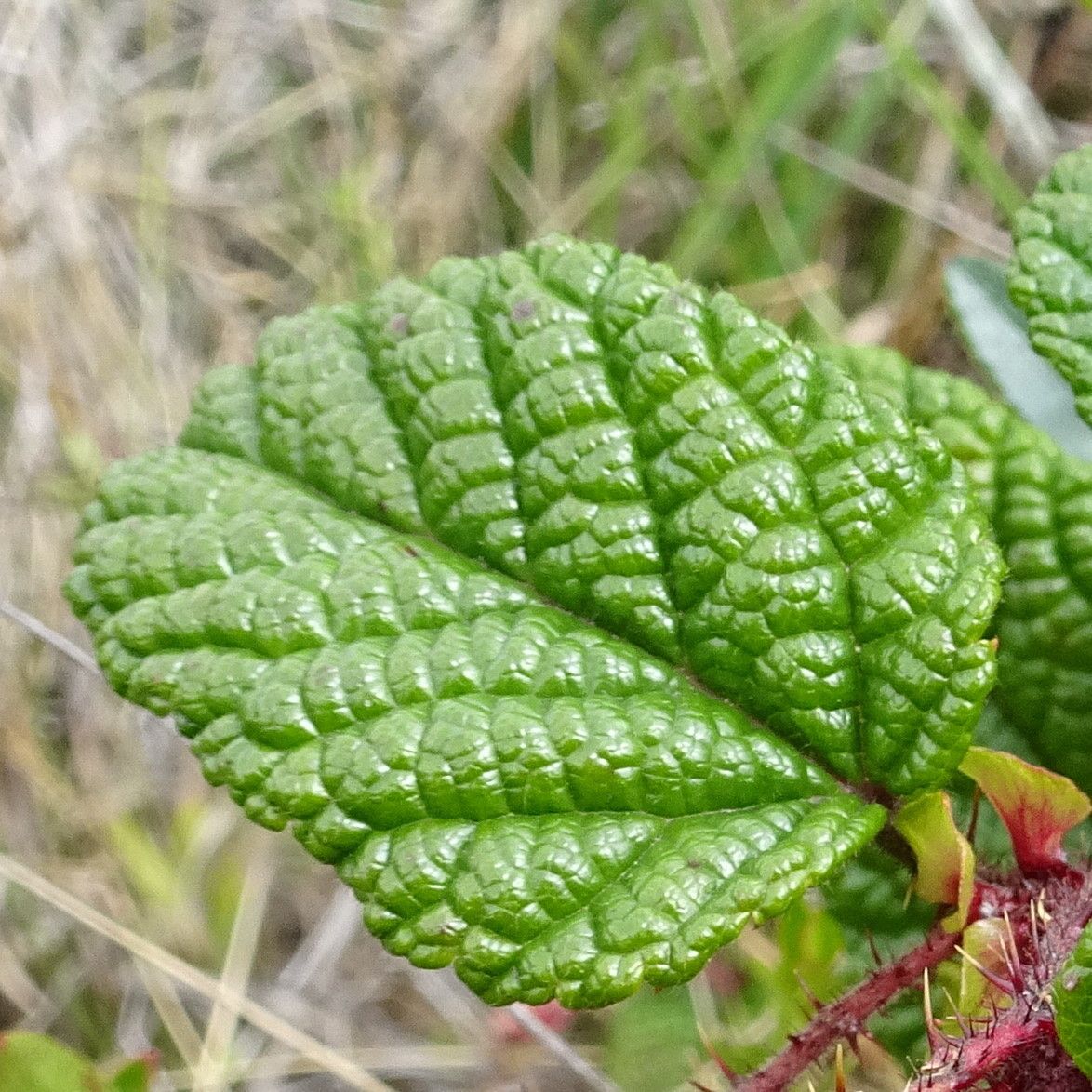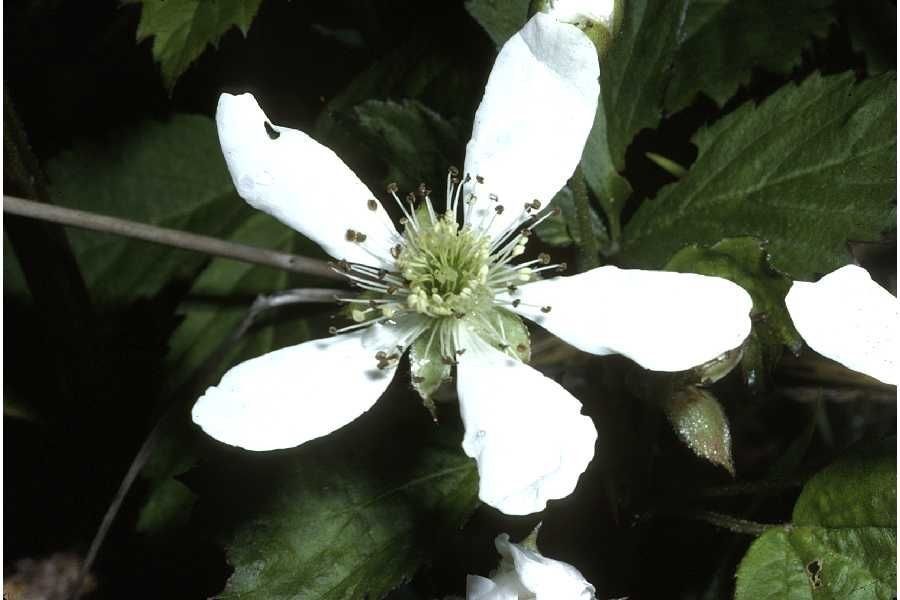
Rubus baileyanus, common name Bailey's dewberry, is an uncommon North American species of flowering plant in the rose family. It is found in scattered locations in central Canada and in the eastern and north-central United States, primarily in the Appalachian Mountains. Its range extends from Massachusetts, Ontario, and Minnesota south as far as Missouri, Tennessee, and North Carolina, though it is not common in any of those places.The genetics of Rubus is extremely complex, so that it is difficult to decide on which groups should be recognized as species. There are many rare species with limited ranges such as this. Further study is suggested to clarify the taxonomy.
Bailey's dewberry has strong disease resistance and is generally not susceptible to diseases. In terms of care, the plant is fairly low-maintenance. When grown outdoors it needs only minimal watering, and larger plants typically do not require pruning. Smaller plants, however, should be pruned after they have finished blooming. Bailey's dewberry is suitable for anyone with an outdoor area, such as a garden or a deck, and does not demand much gardening experience.
How to keep Rubus Baileyanus.
Light
Bailey's dewberry is native to open habitats, like sunlit grasslands and the perimeters of forests, where there is plenty of light. While it flourishes in Full Sun, it can also withstand Partial Sun, displaying good adaptability to diverse levels of sunlight.
Water
Bailey's dewberry requires minimal care once it's established, needing about 1 inch (2.5 cm) of water each week. For plants in pots, adjust the watering based on the soil's condition. Make sure to water deeply when the top layer of soil is dry, and always maintain well-drained soil.
Temperature
Bailey's dewberry shows strong adaptability to a range of climate conditions, from blistering summers to freezing winters. Still, it has an optimal temperature range for growth. When temperatures get excessively high, the plant becomes vulnerable to heat and humidity stress, which can lead to its death. In areas where temperatures near the lower limit of its cold tolerance, it is important to use insulation to protect the plant.
Fertilizer
In order to encourage robust growth, apply fertilizer to your Bailey's dewberry at the onset of spring. Consistent fertilization improves the overall well-being of the plant, leading to strong growth, tolerance to harsh environments, and an increased ability to resist diseases and pests. Adhere to a distinct fertilization timetable for your Bailey's dewberry to assure lively leaves with rich color and a thick presence.
Pruning
Pruning is essential for maintaining healthy Bailey's dewberry plants. After the harvest, cut the canes that bore fruit down to the ground. Trim the first-year canes in late winter or early spring to encourage lateral growth. Remove any suckers and make sure the canes do not touch each other to prevent disease. Dispose of the pruned canes properly.