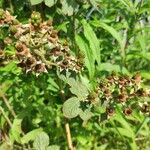
Rubus canescens
Brambles · Woolly blackberry · Wooly blackberry · Blackberry
Description
Source: leafsnapRubus canescens is a European and Middle Eastern species of brambles in the rose family. It grows in southern and central Europe and in southwestern Asia from Portugal to Iran, north as far as Germany, Poland, and Ukraine.The genetics of Rubus is extremely complex, so that it is difficult to decide on which groups should be recognized as species. There are many rare species with limited ranges such as this. Further study is suggested to clarify the taxonomy.
Care Guide
💧 Water
The woolly blackberry thrives in environments similar to its native habitat and can tolerate moderate drought. To care for it, water the plant every 2 to 3 weeks, ensuring that the soil dries out slightly between waterings. When growing outdoors, provide consistent moisture during the growing season to promote growth and increase berry production.
How should I water my Woolly blackberry plant?
To promote excellent root development, place a garden hose at the base of your plant. Avoid spraying the leaves directly, as this can lead to excessive watering. Keep in mind that leaves exposed to direct sunlight may require more water. Consider using bubbler attachments to moisten the roots of each plant, or try soaker hoses that cover the entire garden or bed. When adding or removing plants, deep watering is beneficial for root growth. Remember to drain any excess water and allow the soil to dry before watering again. Water at ground level to prevent diseases. On sunny days, it may be beneficial to spray the entire bush with water. Whether your plant is in a pot or in the ground, remember that Woolly blackberries prefer deep watering rather than light sprinkling.
What should I do if I give too much or too little water to Woolly blackberry?
If you notice that the leaves of an overwatered Woolly blackberry are turning yellow, dropping off, and wilting, it may also appear dull and unhealthy with mushy stems. When you see these signs, try to adjust your watering schedule accordingly. Conversely, wilting can also indicate under watering, which presents as crispy and dry leaves. If the soil is dry and simply watering is not enough, give the plant a thorough watering. This will help the Woolly blackberry recover, although it may still appear dry with yellow leaves for a few days due to root damage. Once it returns to normal, the yellowing of leaves will stop. When you have a Woolly blackberry indoors, always check the moisture levels in the pot and avoid overwatering. Look out for black spots, and if they are present, allow the soil to dry out by refraining from watering for a few days. Overwatering can cause root rot, so if you observe discolored and slimy roots, consider transplanting the plant into a different pot. Preventing root rot is important, so be mindful not to let the soil become too soggy. If you are planting your Woolly blackberry outdoors, dig a little deeper and if you find that the soil is too dry, it may indicate under watering. In such cases, adequate watering is necessary for the plant's recovery.
How often do I need to water my Woolly blackberry?
The Woolly blackberry plant prefers deep and infrequent watering. When planted in pots, it is important to soak them in a gallon of water each time, as the water storage in pots is limited and the soil tends to dry out quickly. In colder regions, watering is needed every 3 to 5 days, preferably in the morning when the soil is dry. To determine if watering is necessary, check the soil inside the pot. If the top 2-3 inches of soil are dry, it's time to water the plant. On hot days, check the moisture daily, as the heat can dry out the soil rapidly. If you have a garden, irrigation of the soil is necessary. In hot climates, watering once a week is sufficient when the soil becomes too dry. Avoid over-watering to prevent root rot, especially if there is ample rainfall. During the spring and fall, when the Woolly blackberry is actively growing outdoors, adding mulch 3 to 4 inches deep helps retain moisture. Sandy soil requires more frequent watering due to its faster drainage, whereas clay soil needs less frequent watering to avoid root rot. Keep track of watering dates on a calendar and be vigilant in watering if the leaves start to droop, as this may indicate that the plant needs water sooner.
How much water should I give my Woolly blackberry?
The amount of water that the Woolly blackberry needs depends on whether it is planted in a pot or outdoors. For potted plants, you should water them deeply until you see water dripping from the bottom of the pot. Then, wait for the soil to dry before watering again. You can use a water calculator or moisture meter to keep track of how much water you've given to your plant in a week. During the flowering period, it's important to provide plenty of water, but afterwards, allow the moisture to evaporate to prevent root rot. If the Woolly blackberry is planted outdoors and there is enough rainfall, it may not need additional watering. When the plant is young or newly planted, it should receive 1-2 inches of rain per week. As the Woolly blackberry continues to grow, it can rely solely on rainfall. However, if the weather is very hot or there is no rainfall for 2-3 weeks, consider giving the plant a full watering during the cooler part of the day to prevent damage from high heat. Additional watering will be necessary during prolonged dry periods.
Should I change how often I water my Woolly blackberry plant based on the time of year or the weather conditions?
The Woolly blackberry prefers to be outdoors and relies on rainfall to water it, but during dry weather, you may need to give it extra watering. During the spring and fall, the soil should be kept moist but not soaking wet. Alternating between dry and moist soil conditions will help the Woolly blackberry grow well. In the summer, hot weather can cause water to evaporate quickly, so if there is a lack of rainfall, you will need to water the plant more often to keep it moist. Typically, the Woolly blackberry needs less water in the winter when it goes dormant. Use a well-draining soil mixture like terracotta to help with water evaporation. Once the plant starts to leaf out and go dormant, you can stop watering, as it can rely on fall and winter rains to survive. In the spring, you can cultivate and encourage the Woolly blackberry to grow and bloom when the weather gets warmer. The plant does not like excessive water or drought during flowering, so make sure there is good drainage, especially in winter. If the plant is in a pot, it has limited root growth, so keep it well-watered during the summer. Avoid cold and wet roots by providing adequate drainage, especially when the plant is still growing. It is best to water the Woolly blackberry's entire root system deeply once or twice a week, depending on the weather. Shallow sprinkles that only reach the leaves should be avoided, as they can encourage fungi growth and do not reach the roots. Even during dormancy in the fall or winter, do not allow the plant to dry out completely. However, be careful not to overwater and leave the plant sitting in water for too long, as this can cause it to die in winter. Applying mulch can help reduce stress, conserve water, and promote healthy blooms.
☀️ Light Partial sun
Woolly blackberry occurs naturally in habitats like forest understories or rocky sites, where it grows in natural shade. It prefers partial sun but can tolerate full sun or full shade, demonstrating its versatile and hardy nature.
What are the sun requirements for Woolly blackberry (Rubus canescens)?
Woolly blackberry, or Rubus canescens, thrives under specific sunlight conditions to ensure optimal growth and health. The plant requires full sun, meaning it should receive above 6 hours of sunlight daily. However, it can also grow well under partial sun, where it gets about 3-6 hours of sunlight each day. It's crucial to observe how sunlight moves through your garden throughout the day. This observation will help you determine the ideal spots that offer the perfect balance of light and shade, ensuring your Woolly blackberry plants are happy and healthy.
🌡️ Temperature 15–35°C
The woolly blackberry plant shows significant versatility in adapting to a variety of weather conditions, from hot summers to cold winters. Nevertheless, there is an ideal temperature range for its growth. When the heat becomes too intense, the plant is susceptible to stress from high temperatures and humidity, which could lead to its death. In areas where temperatures near its cold tolerance threshold, it's crucial to employ insulation methods to safeguard the plant.
What is Woolly Blackberry?
Woolly Blackberry, scientifically known as Rubus canescens, is a plant species. Unfortunately, there is no detailed information provided about its essential characteristics, symptoms of concern, or additional notes. For comprehensive details, further research would be recommended.
💨 Humidity
🪴 Soil 6-7
🌱 Fertilizer
The Woolly blackberry plant needs adequate nutrients to achieve optimal fruit production. Apply fertilizer in early spring to promote new growth and bloom development. Regular fertilizing keeps the plant healthy, encourages more delicious fruit, and prevents nutrient-deficiency problems like yellowing leaves and poor fruit yields.
🪴 Pot & Repot
✂️ Pruning
To maintain a healthy woolly blackberry plant, it's important to prune it in early spring. Start by removing old canes and thinning out weak shoots to encourage new growth. Proper pruning will improve air circulation, reduce the risk of disease, and increase fruit yield. Be sure to use sterilized tools to make clean cuts and support overall plant health.
🌿 Propagating
🐛 Diseases & pets
☠️ Toxicity
Characteristics
- Plant Type
- Shrub
- Life Cycle
- Perennial
- Genus
- Rubus
- Family
- Rosaceae
- Hardiness Zone
- 7-10
- Mature Height
- 0.91 m to 2.13 m
- Mature Spread
- 0.91 m to 1.52 m
- Leaf Color
- Green, Dark Green
- Leaf Type
- Deciduous
- Flower Color
- White
- Flower Size
- 1.52 cm to 2.03 cm
- Bloom Time
- Late spring, Early summer, Mid summer
- Planting Time
- Spring
- Harvest Time
- Mid summer, Late summer, Early fall