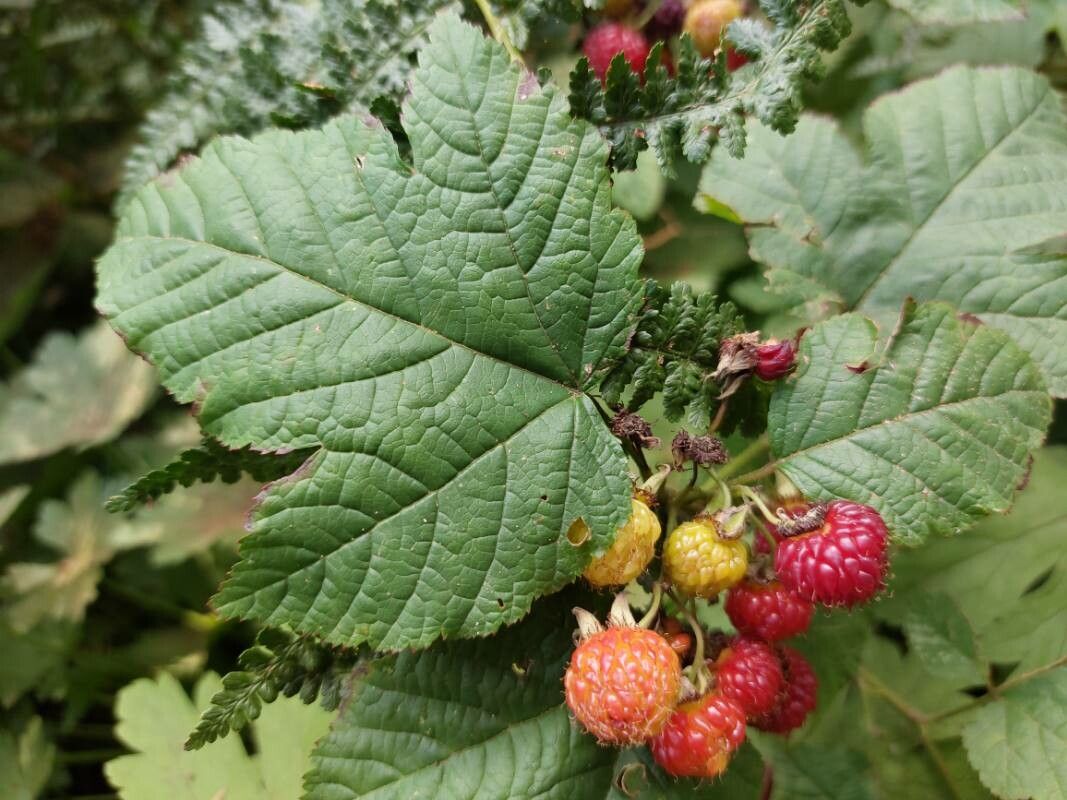
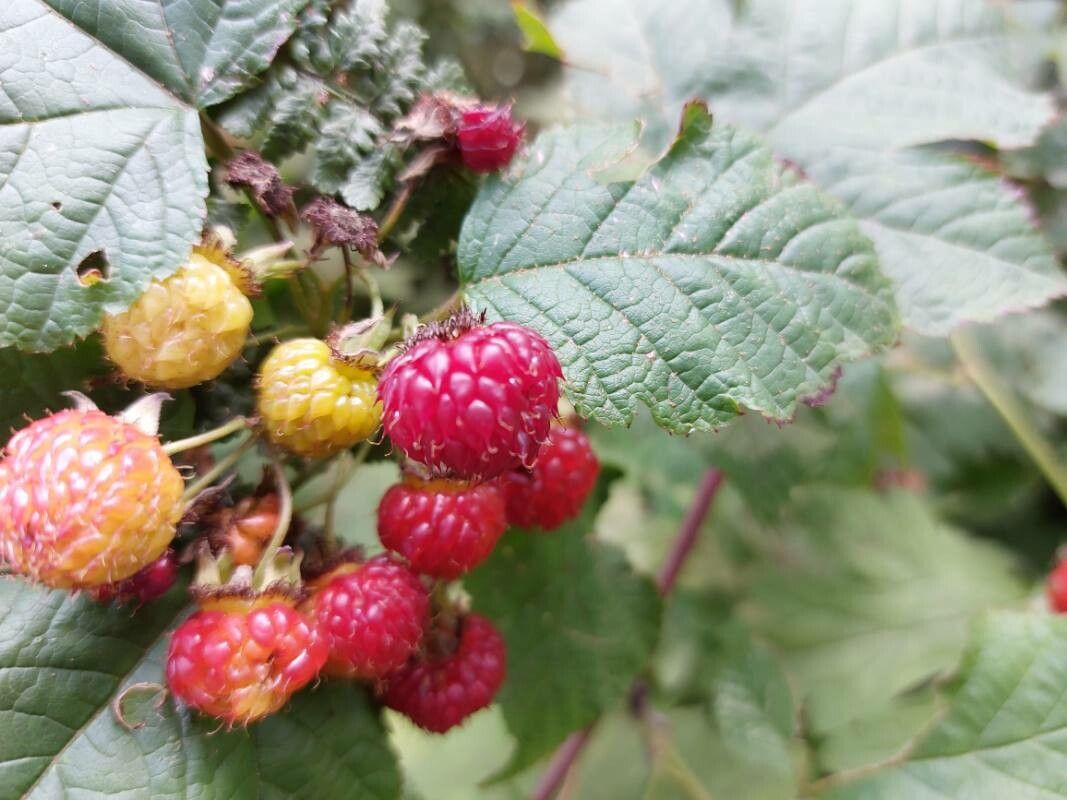
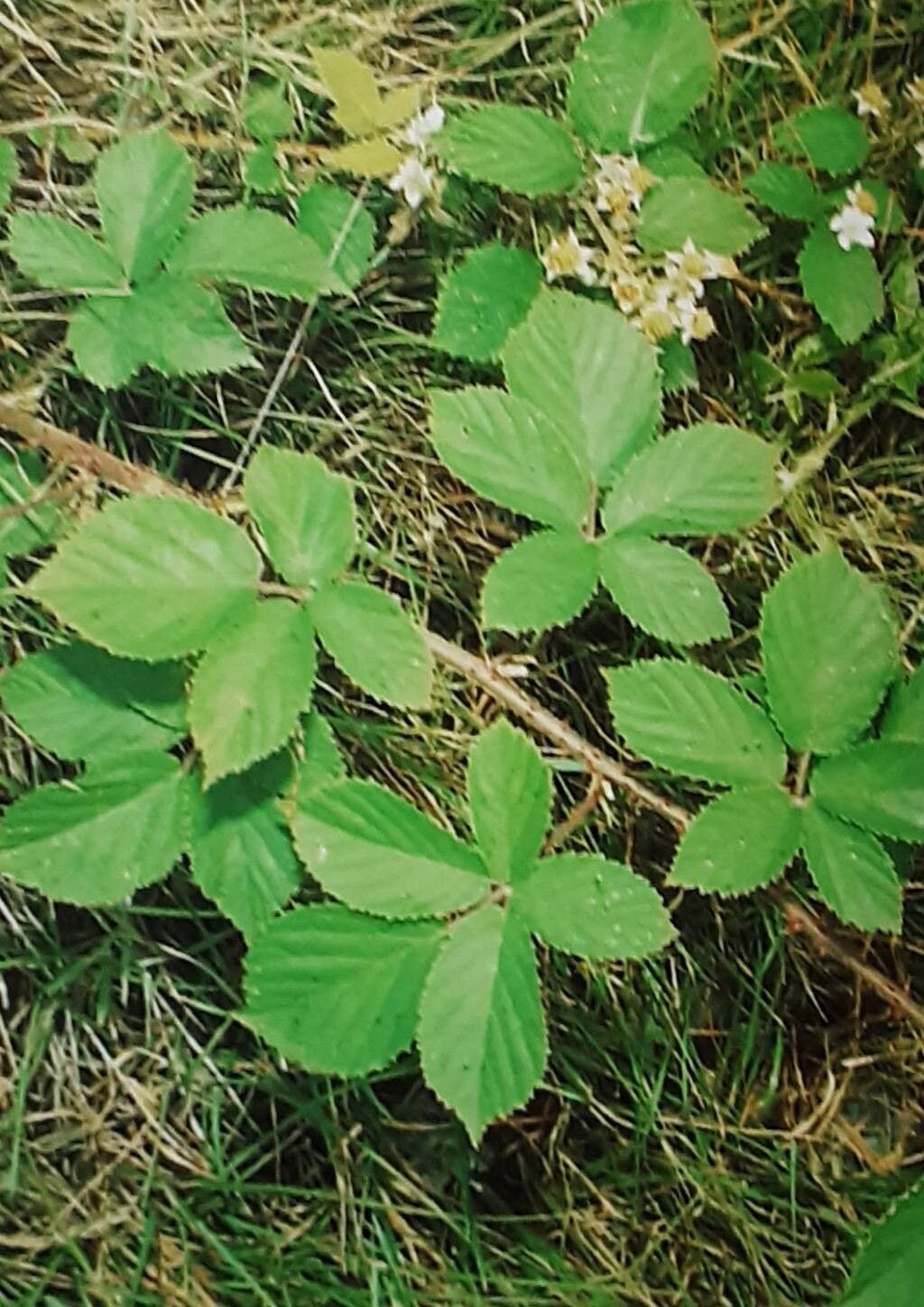
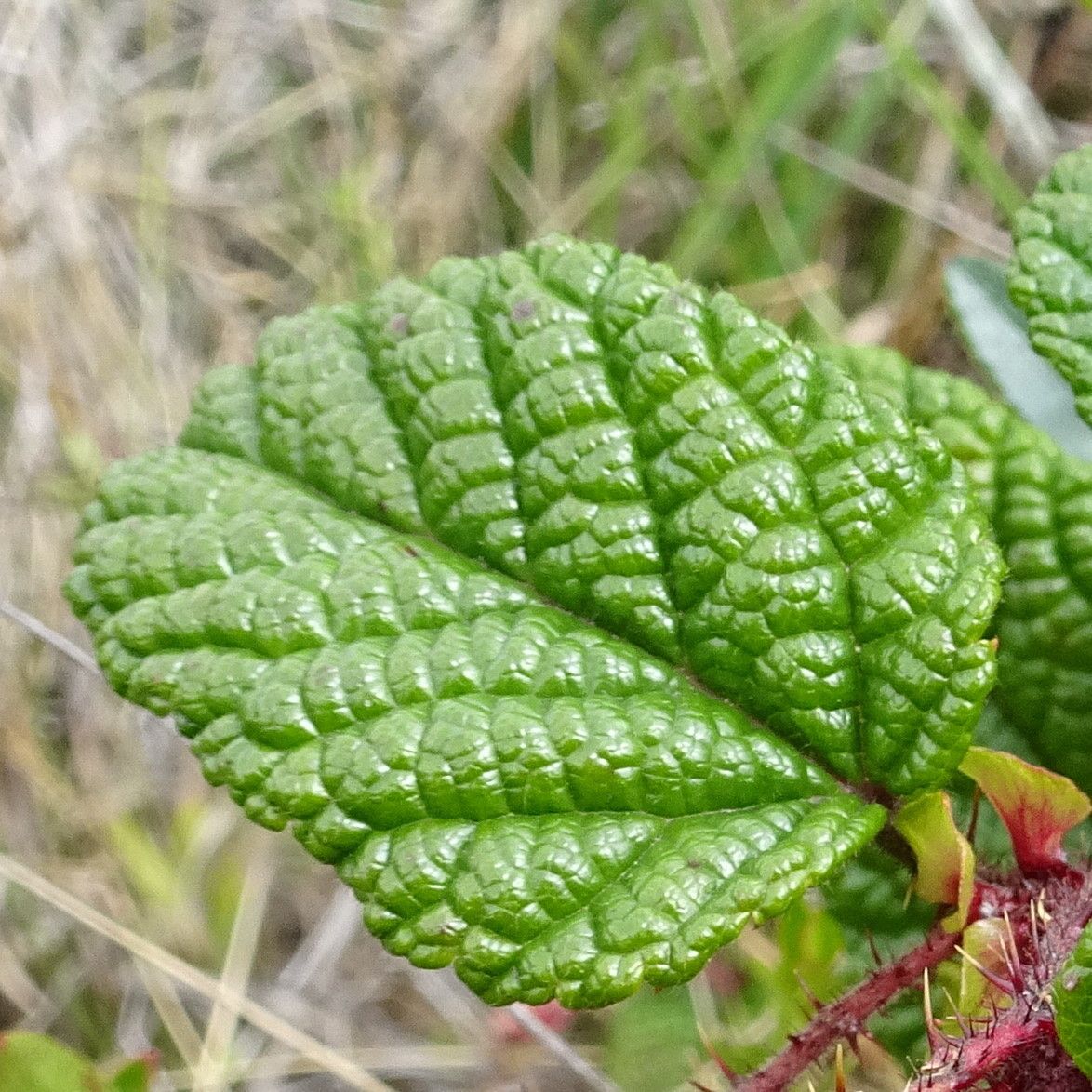
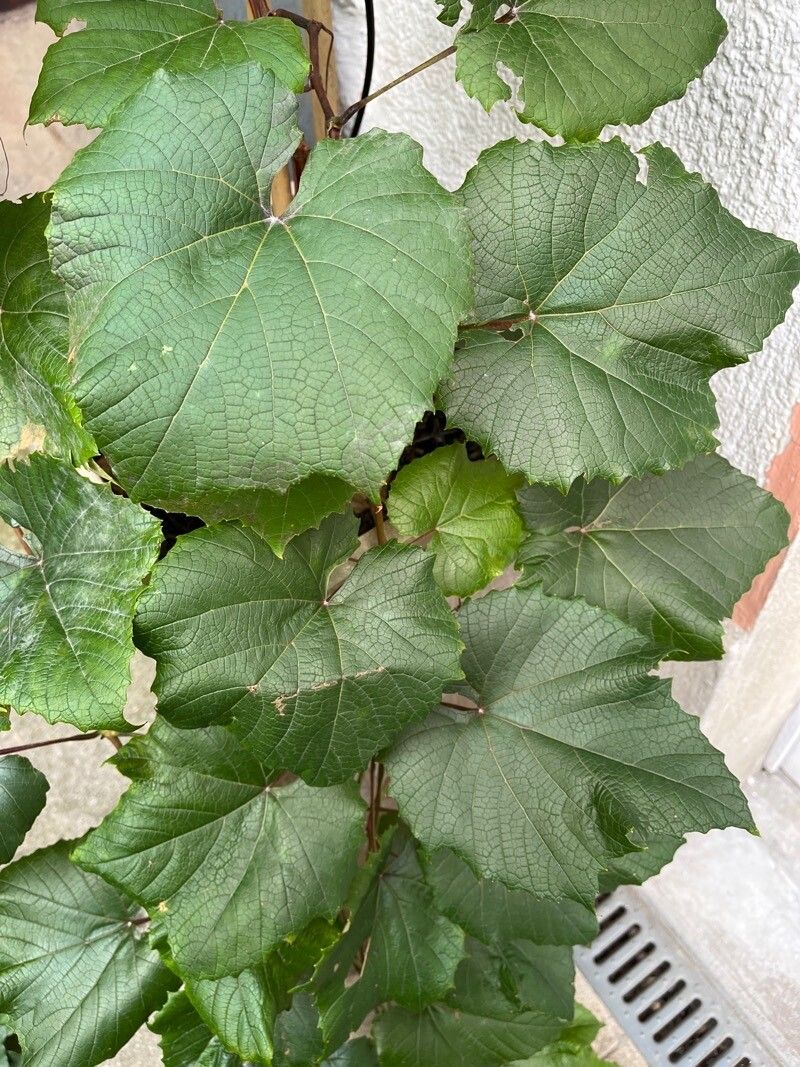
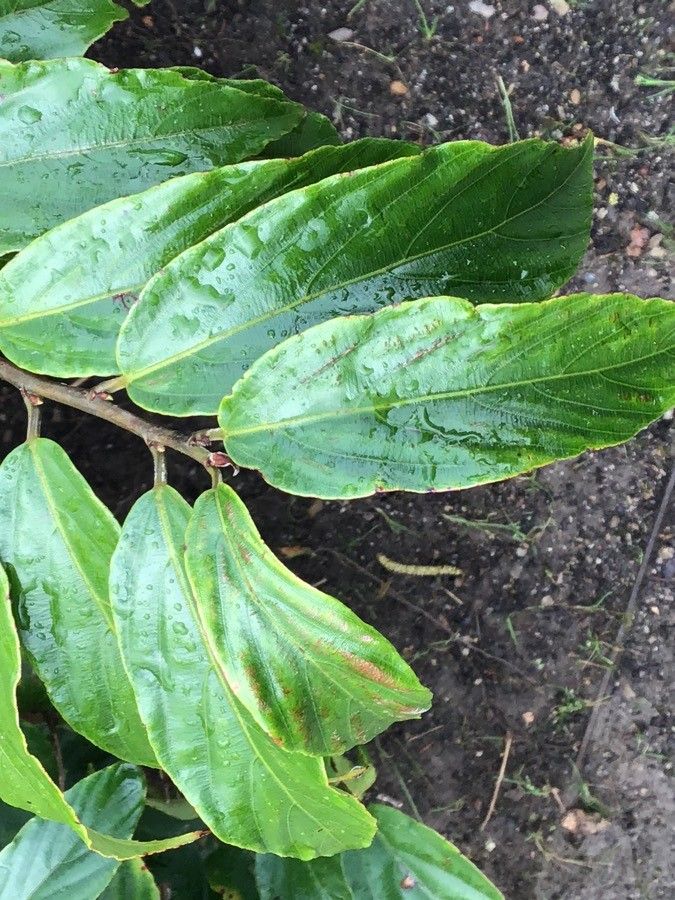
Rubus crataegifolius, also called Korean raspberry, is a species of raspberry native to East Asia.
Hawthorn-leaved bramble exhibits strong resistance to disease and is typically not susceptible to illnesses. Regarding maintenance, this species is fairly low-maintenance. When grown outside, it needs only occasional watering, and larger specimens usually do not require pruning. Smaller specimens, however, should be trimmed after they finish flowering. Hawthorn-leaved bramblet is appropriate for anyone with an outdoor area, like a garden or a deck, and does not demand extensive gardening experience.
How to keep Rubus Crataegifolius.
Light
Hawthorn-leaved bramble performs best when it receives a large amount of sunlight throughout the day, although it can persist in environments with less generous light. This reflects its native habitat, where plentiful exposure to the sun is common, yet too much or too little sunlight can adversely affect its health and growth.
Water
The hawthorn-leaved bramble flourishes in mild climates where the soil remains consistently moist, but it should not be waterlogged. Once it's established, this plant becomes drought-tolerant and does best with alternating wet and dry conditions. Water it every three weeks, and use mulch to help retain moisture during dry periods.
Temperature
Hawthorn-leaved bramble is native to temperate zones and grows best in temperatures of 41 to 89.6 °F (5 to 32 ℃). Temperature adjustments are necessary year-round to imitate its natural habitat.
Fertilizer
The Hawthorn-leaved bramble plant needs adequate nutrients to achieve optimal fruit production. Fertilize in early spring to promote new growth and bloom development. Regular feeding keeps the plant healthy, produces more delicious fruit, and prevents nutrient-deficiency problems such as yellow leaves and poor fruit production.
Pruning
The hawthorn-leaved bramble is distinguished by its unique hawthorn-like leaves combined with typical bramble characteristics. To keep the plant healthy and well-shaped, it is best to prune it in early spring. During pruning, remove any dead wood, thin out crowded areas, and cut back to healthy buds. This process improves air circulation and sunlight exposure, which reduces the risk of disease and encourages growth while helping to maintain the plant's size and shape.
Botanical profile.
- Plant Type
- Shrub
- Life Cycle
- Perennial
- Genus
- Rubus
- Family
- Rosaceae
- Hardiness Zone
- 4-8
- Mature Height
- 0.91 m to 3.05 m
- Mature Spread
- 0.91 m to 1.52 m
- Leaf Color
- Green, Dark Green
- Leaf Type
- Deciduous
- Flower Color
- White
- Flower Size
- 1.02 cm to 1.52 cm
- Bloom Time
- Mid spring, Late spring
- Planting Time
- Spring, Summer
- Harvest Time
- Early summer, Mid summer
- Native Area
- Russia, Japan, Koppen, South Korea, China
Other names.