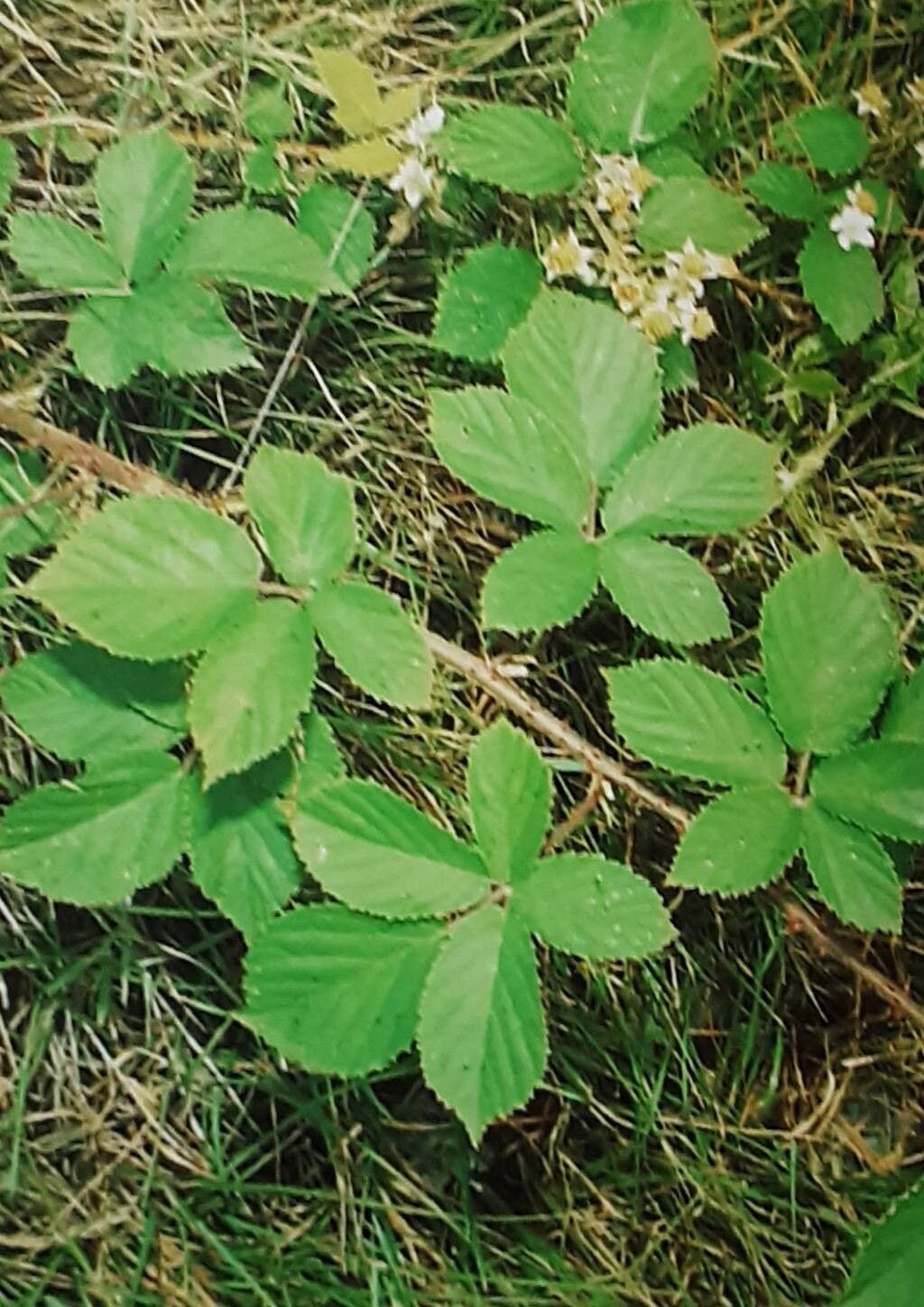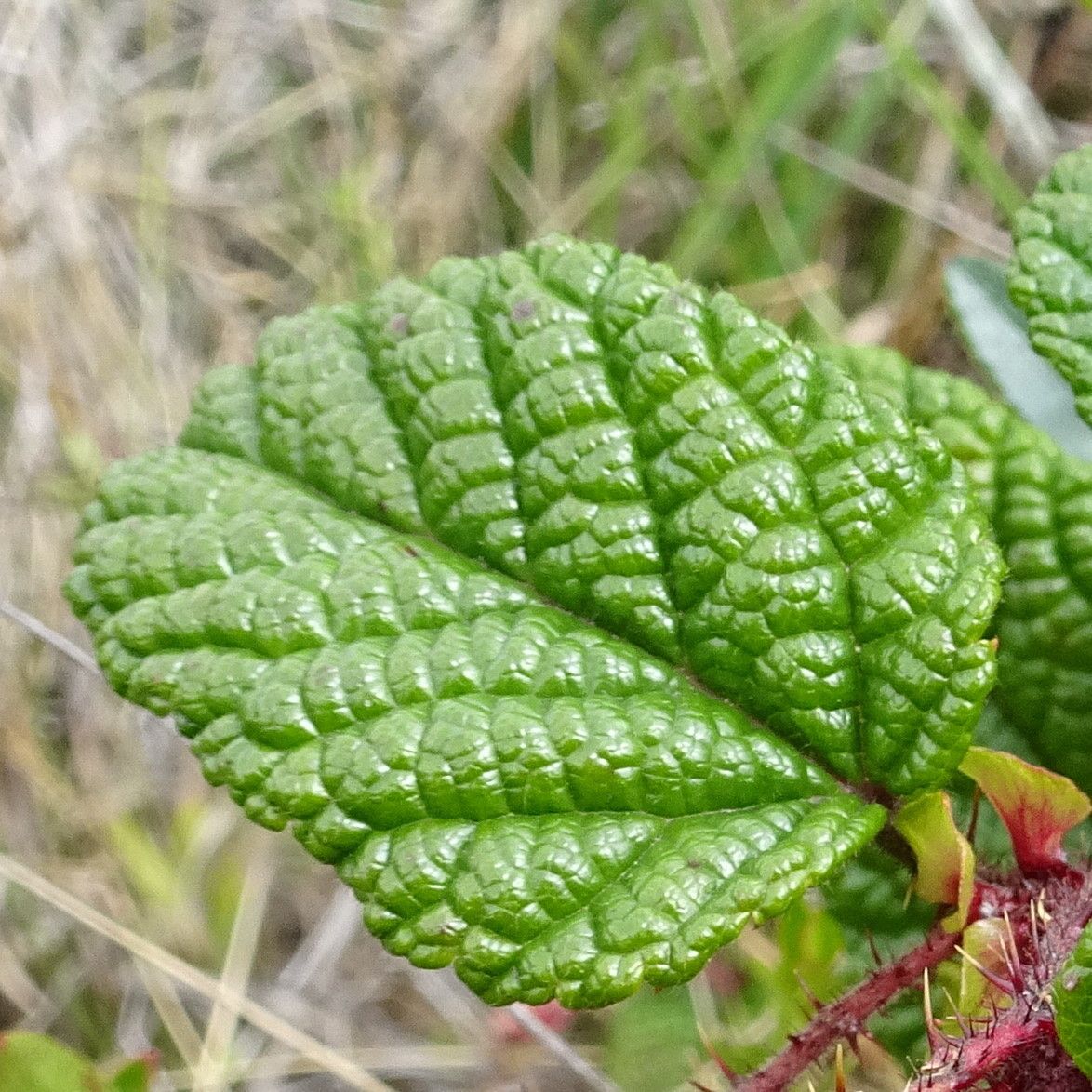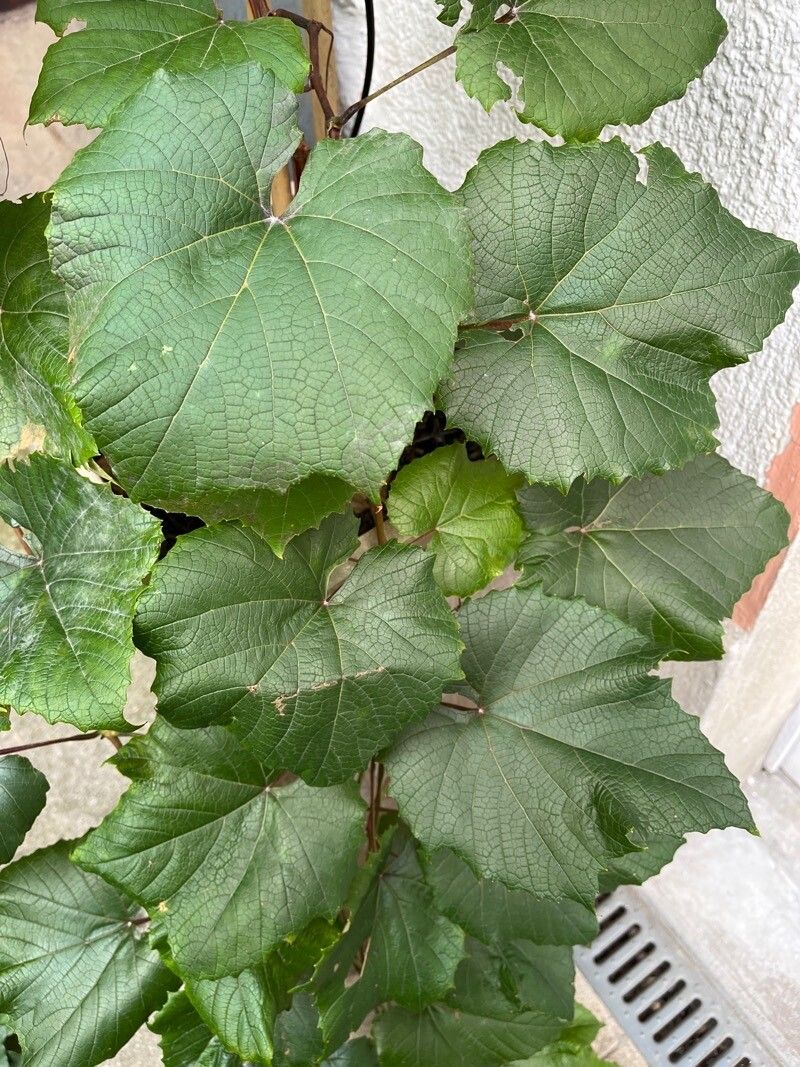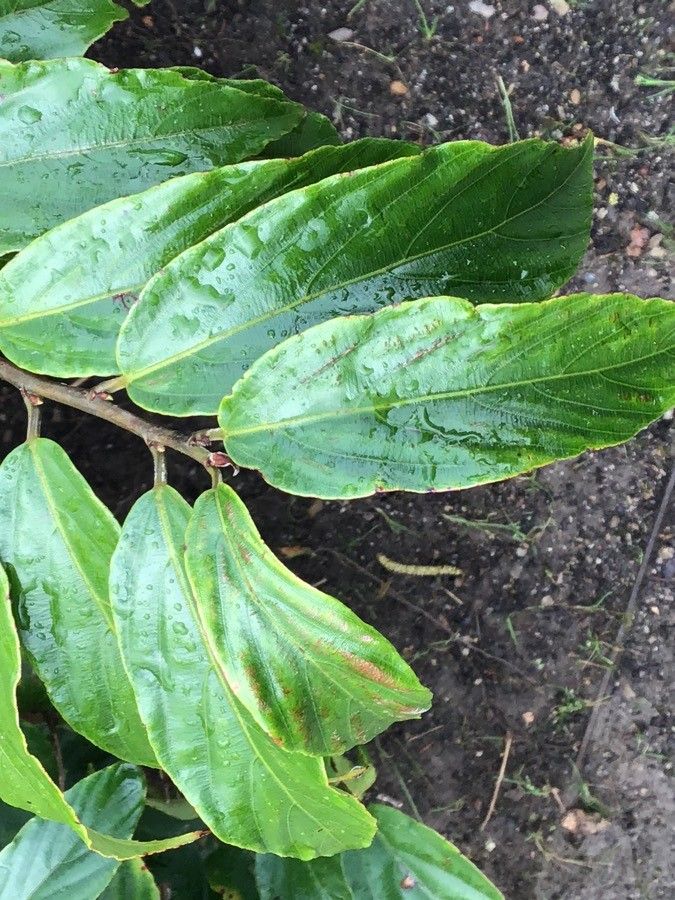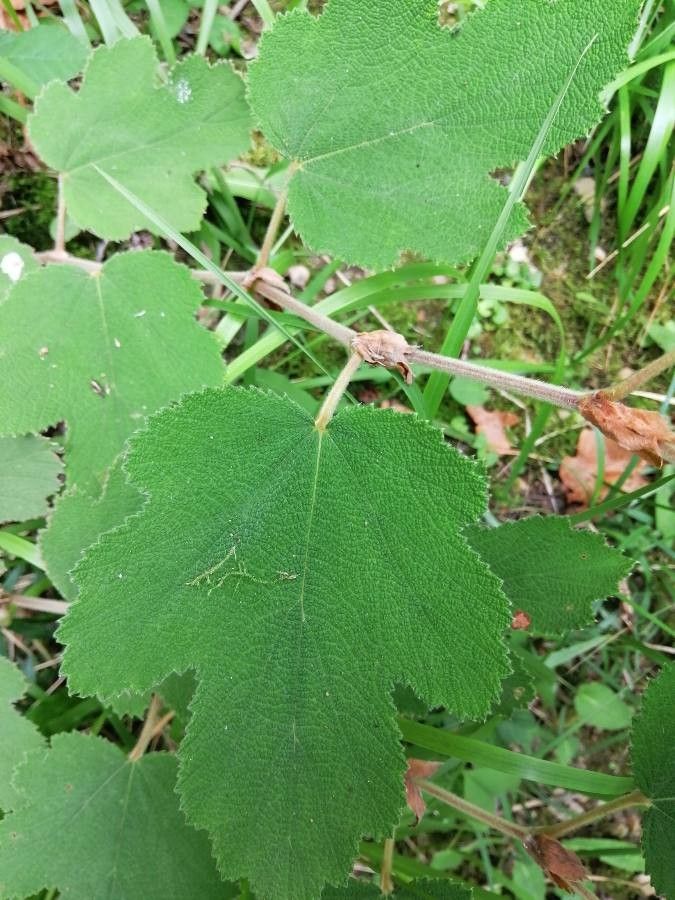
Rubus formosensis, the Formosan raspberry or Formosan bramble, is a species of flowering plant in the family Rosaceae, native to southeastern China, and Taiwan. It is found at a wide range of elevations, generally in habitats that have limited competition from other plants. A thornless shrub with a restrained climbing habit, reaching at most 2 m (7 ft), and with attractive evergreen leaves, it is available from commercial suppliers.
Formosan raspberry is highly disease-resistant and typically not prone to illnesses. In terms of care, this plant is fairly low-maintenance. When grown outdoors it needs only minimal watering, and larger plants usually do not require pruning. Smaller plants, however, should be pruned after they finish blooming. Formosan raspberry is suitable for anyone with an outdoor area, such as a garden or deck, and does not demand much gardening experience.
How to keep Rubus Formosensis.
Light
The Formosan raspberry originates from open spaces such as sunny fields and the peripheries of forests where there is plenty of light. It flourishes best under full sunlight but can also withstand partial sunlight, demonstrating its adaptability to diverse sunlight situations.
Water
The Formosan raspberry is moderately drought-tolerant and thrives in areas with sporadic rainfall. It needs watering every 2-3 weeks in well-draining soil. Its growth cycle corresponds with the seasonal rain patterns, which influence its periods of dormancy and activity.
Temperature
Formosan raspberry demonstrates excellent temperature adaptability, having the capability to withstand both elevated temperatures and substantial temperature fluctuations. In instances of intense heat, it's crucial to monitor water levels and supply adequate shading to thwart sun damage. Nevertheless, the Formosan raspberry's resistance to low temperatures is relatively inferior. Although it can endure a certain level of chilliness, excessively low temperatures may result in damage from frost.
Fertilizer
The Formosan raspberry plant needs ample nutrients to yield the best fruit. Use fertilizer in the early part of spring to foster new growth and blossom formation. Providing the plant with consistent fertilization aids in maintaining its health, promoting the growth of tastier fruit, and warding off issues of nutrient shortage such as yellowing leaves and subpar fruit production.
Pruning
The Formosan raspberry benefits from annual pruning, which focuses on thinning the canes to improve airflow and removing any dead wood. The best time to prune is from early to late winter. By cutting back up to one-third of the old canes, you can enhance fruit yield and promote plant health while preventing overcrowding.
Botanical profile.
- Plant Type
- Shrub
- Life Cycle
- Perennial
- Genus
- Rubus
- Family
- Rosaceae
- Hardiness Zone
- 7-10
- Mature Height
- 1.52 m
- Mature Spread
- 61 cm
- Leaf Color
- Yellow, Green
- Leaf Type
- Evergreen
- Flower Color
- White
- Flower Size
- 1.52 cm
- Bloom Time
- Late spring, Early summer
- Planting Time
- Spring, Summer, Autumn
- Harvest Time
- Mid summer, Late summer
- Native Area
- China
Reader questions.
What are the sunlight requirements for Formosan raspberry?
Formosan raspberry thrives in environments with ample light, such as open sunny meadows and forest edges. It requires full sun, which is above 6 hours of sunlight daily, but can also tolerate partial sun, about 3-6 hours of sunlight. It is crucial to observe how sunlight moves through your garden, selecting spots that offer the perfect balance of light and shade to ensure your plants' happiness.
What is the Formosan raspberry's botanical name?
The Formosan raspberry is botanically named Rubus formosensis.
Can Formosan raspberry grow under artificial lighting?
Yes, Formosan raspberry can grow under artificial lighting, especially when natural sunlight is insufficient, like in winter or in less sunny spaces. Adequate lighting is vital for optimal growth. LED lights are recommended as they can be customized to provide specific wavelengths needed by the plants. For full sun plants, 30-50W/sq ft of artificial light is needed, while partial sun plants require 20-30W/sq ft. The light source should be placed 12-36 inches above the plant, and most plants need 8-12 hours of light per day.
What are some symptoms of light deficiency in Formosan raspberry?
Symptoms of light deficiency in Formosan raspberry include smaller new leaves, leggy or sparse growth, faster leaf drop, slower or no new growth, lighter-colored new leaves, chlorosis, sunscald, leaf curling, wilting, and leaf scorching. These symptoms indicate that the plant may not be receiving adequate sunlight, which is crucial for its health and development.
How can I remedy light deficiency for my Formosan raspberry?
To remedy light deficiency for Formosan raspberry, gradually move plants to sunnier locations to ensure they receive at least 6 hours of direct sunlight daily. For indoor plants, use a south-facing window, keep curtains open during the day, or use artificial lighting (e.g., desk or ceiling lamps) for at least 8 hours daily. Outdoors, move your plants gradually to avoid sunburn. You may also need to prune trees or transplant smaller plants to areas with better sunlight and good drainage. It's important to note that parts of the plant affected by insufficient sunlight may not recover, but new growth will be healthy after increasing light exposure.