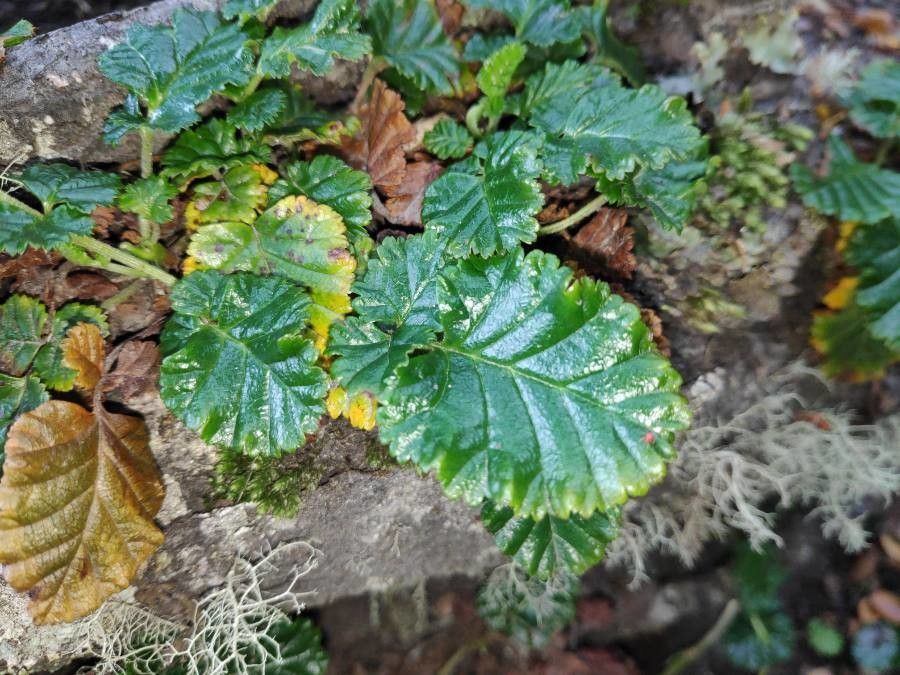
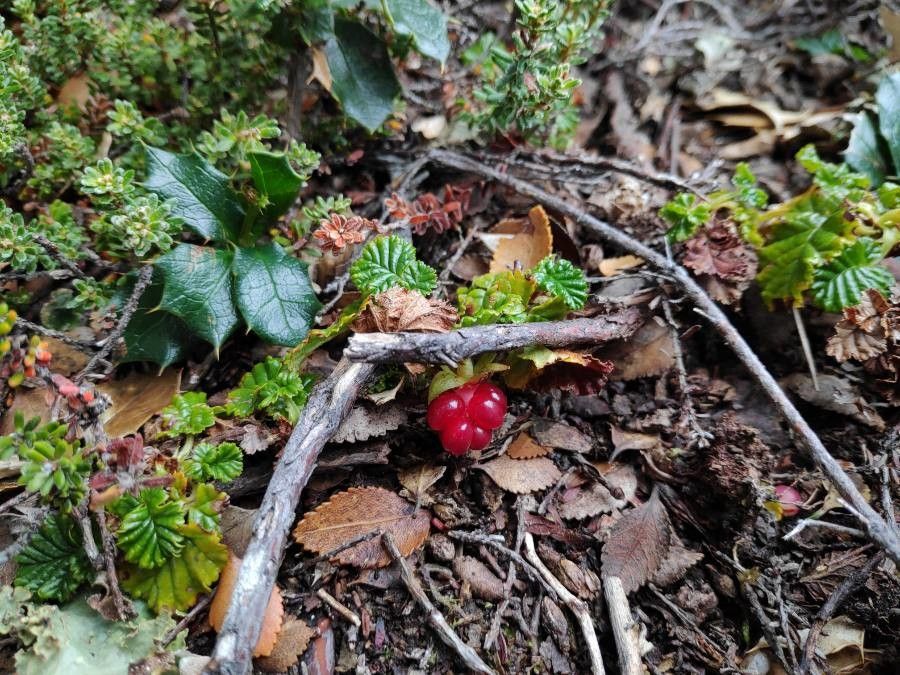
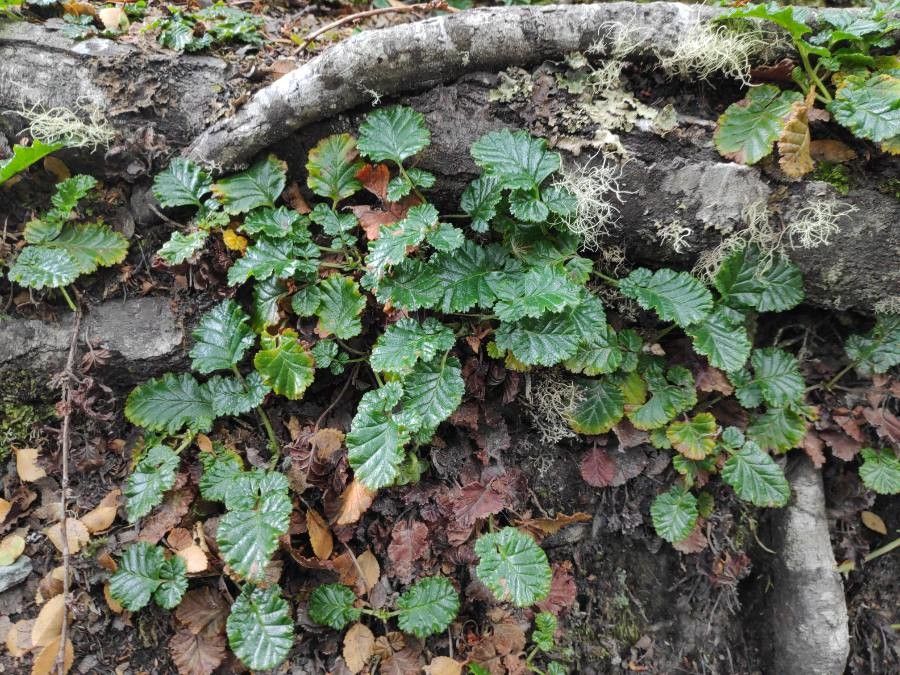
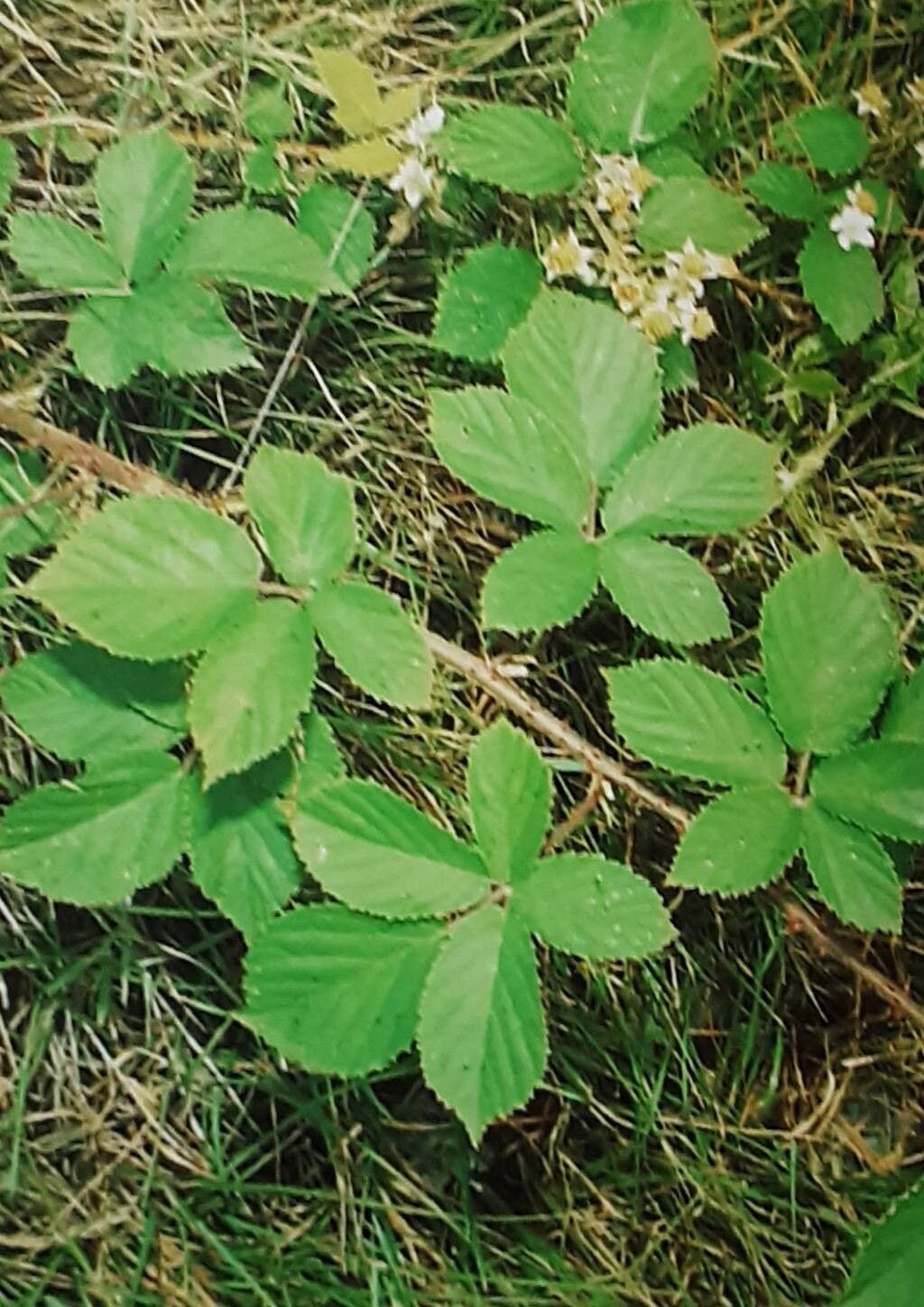
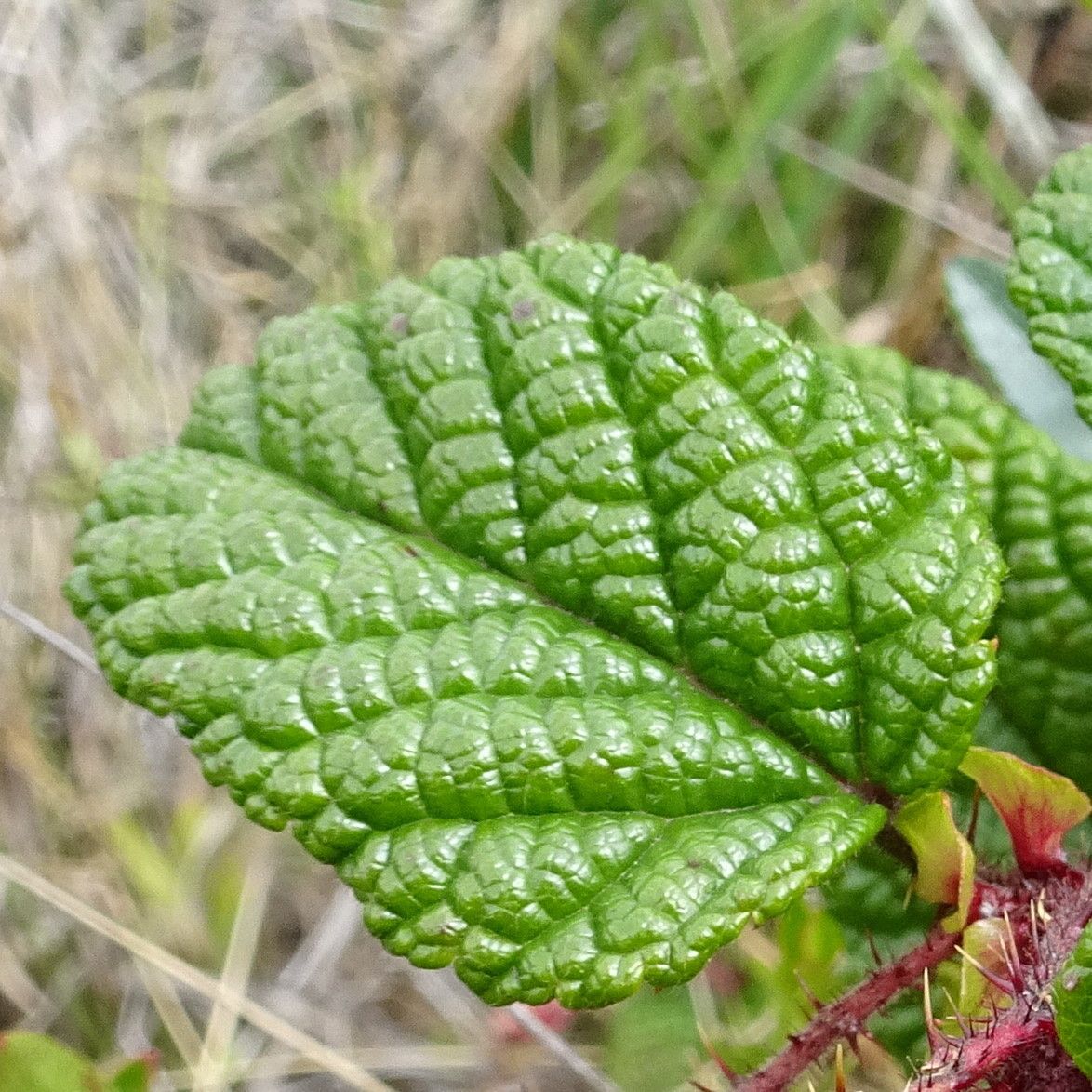
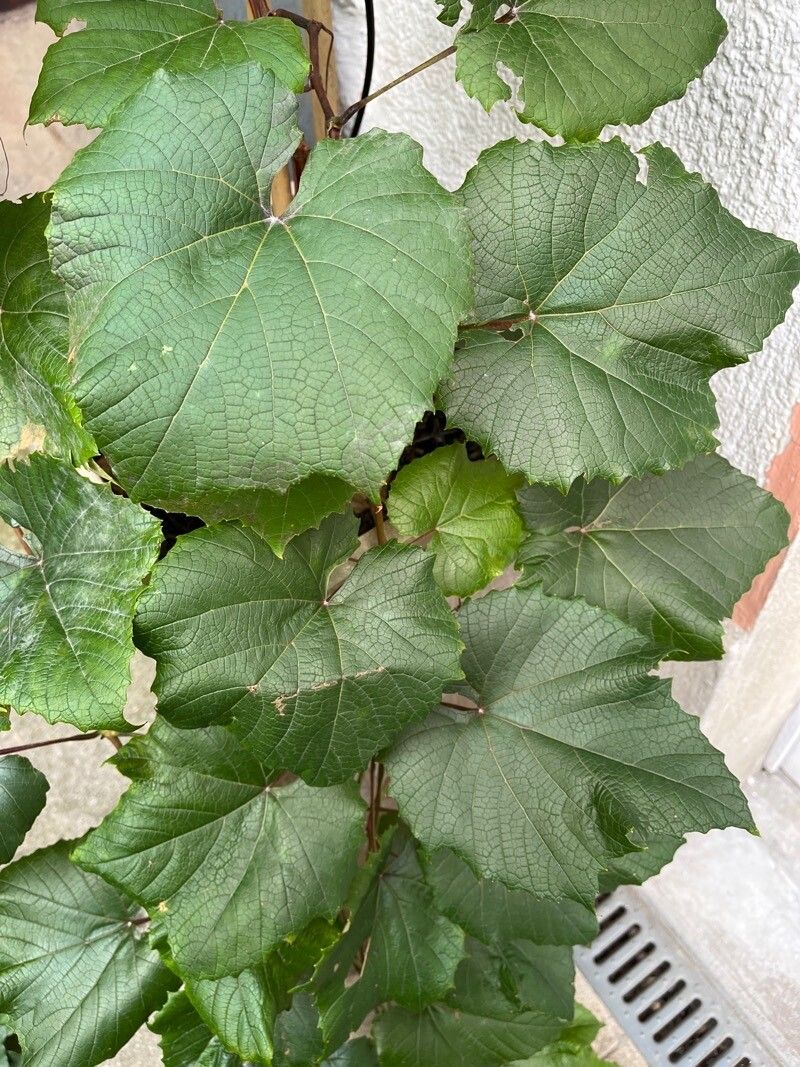
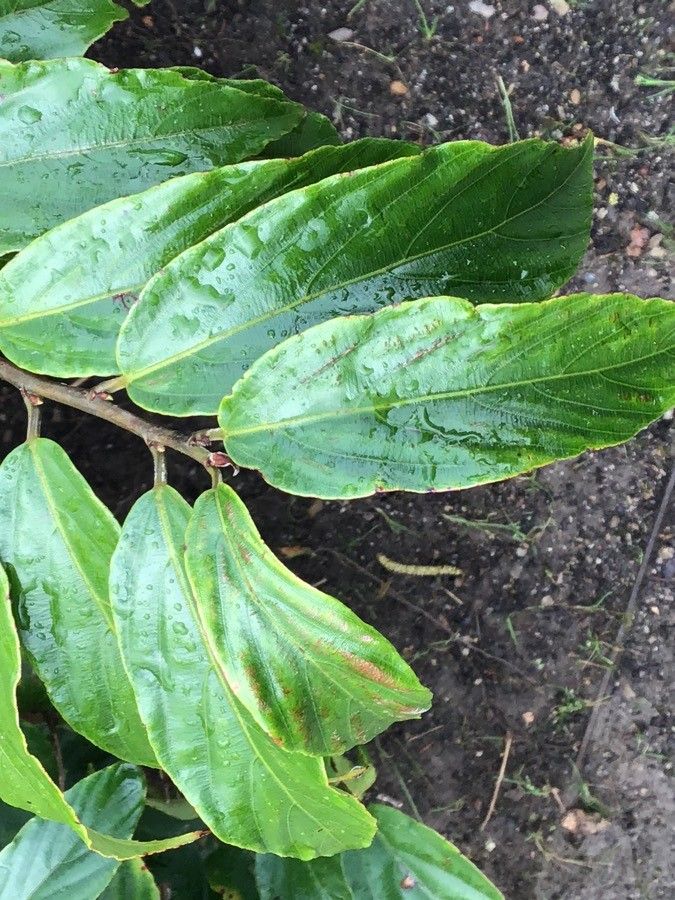
Rubus geoides is a South American species of flowering plant in the rose family. It has been found only in the extreme southern part of the continent, in the Provinces of Tierra del Fuego, Santa Cruz, Río Negro, and Neuquén in Argentina, the adjacent Magallanes Region of Chile, and the Falkland Islands.Rubus geoides is a very small, spineless, trailing herb rarely more than 10 cm tall. It has trifoliate leaves.
Rubus geoides shows good resistance to disease and is generally not prone to illnesses. However, it can be susceptible to pests and diseases present in its surroundings. These infections are typically mild. In terms of care, this plant requires moderate maintenance. It should be pruned regularly to maintain a neat appearance and healthy growth. Fertilizing can also help encourage flowering. Rubus geoides is suitable for anyone with outdoor space, such as a garden or patio, and does not demand extensive care experience. It may need more attention when grown indoors.
How to keep Rubus Geoides.
Light
Rubus geoides is native to habitats like forest understories and rocky areas, where it occurs under natural shade. It prefers partial sun but can tolerate both full sun and full shade, illustrating its adaptable and hardy character.
Water
Once established, Rubus geoides needs minimal care. Water the plant about 1 inch (2.5 cm) each week. For container-grown plants, adjust this amount according to the soil moisture. Ensure you water deeply whenever the topsoil feels dry, and maintain well-drained soil to encourage healthy growth.
Temperature
Rubus geoides can tolerate a wide range of temperatures, but its distribution may still be constrained by specific combinations of moisture and heat. It grows best in warm summer conditions with sufficient rainfall or irrigation. Prolonged stretches of cloudy, rainy weather, as well as extended high temperatures, increase the chance of Rubus geoides dying. In winter, providing adequate protection from the cold can enhance the plant's survival rate.
Fertilizer
Rubus geoides requires adequate nutrients to achieve optimal fruit production. Apply fertilizer in early spring to promote new growth and flowering. Regular feeding helps the plant remain healthy, produce more flavorful fruit, and avoids nutrient-deficiency problems like yellowing leaves and poor fruit yield.
Pruning
Rubus geoides is a low-growing plant with bright leaves and small berries. To maintain its health and appearance, prune it in early spring. Start by removing any dead or weak branches, and then thin out crowded areas to improve air circulation. Regular pruning encourages healthy growth, reduces the risk of disease, and enhances the overall look of the plant.
Botanical profile.
- Plant Type
- Herb
- Life Cycle
- Perennial
- Genus
- Rubus
- Family
- Rosaceae
- Hardiness Zone
- 7-10
- Mature Height
- 5 cm to 15 cm
- Mature Spread
- 30 cm to 61 cm
- Leaf Color
- Dark Green
- Leaf Type
- Deciduous
- Flower Color
- White
- Flower Size
- 1.02 cm to 1.52 cm
- Bloom Time
- Early spring, Mid spring
- Planting Time
- Spring, Summer
- Harvest Time
- Early summer, Mid summer
Reader questions.
What are the sunlight requirements for Rubus geoides?
Rubus geoides requires specific amounts of sunlight to thrive. For 'full sun' conditions, it needs above 6 hours of sunlight daily. If you're planting in an area with 'partial sun,' aim for about 3-6 hours of sunlight. It's important to observe how sunlight moves through your garden throughout the day. Identifying spots that offer an optimal balance of light and shade will ensure your Rubus geoides plants grow healthy and happy.