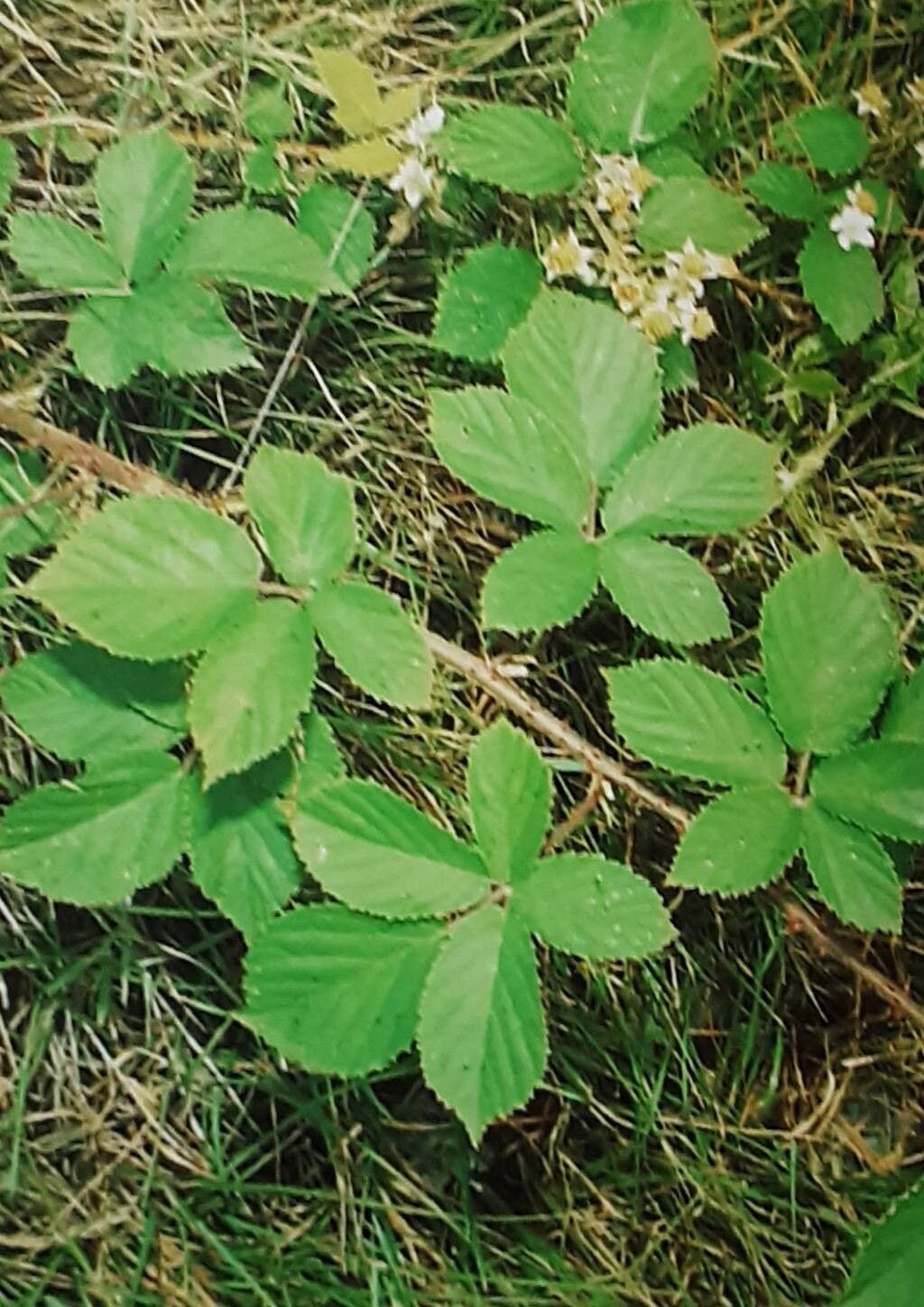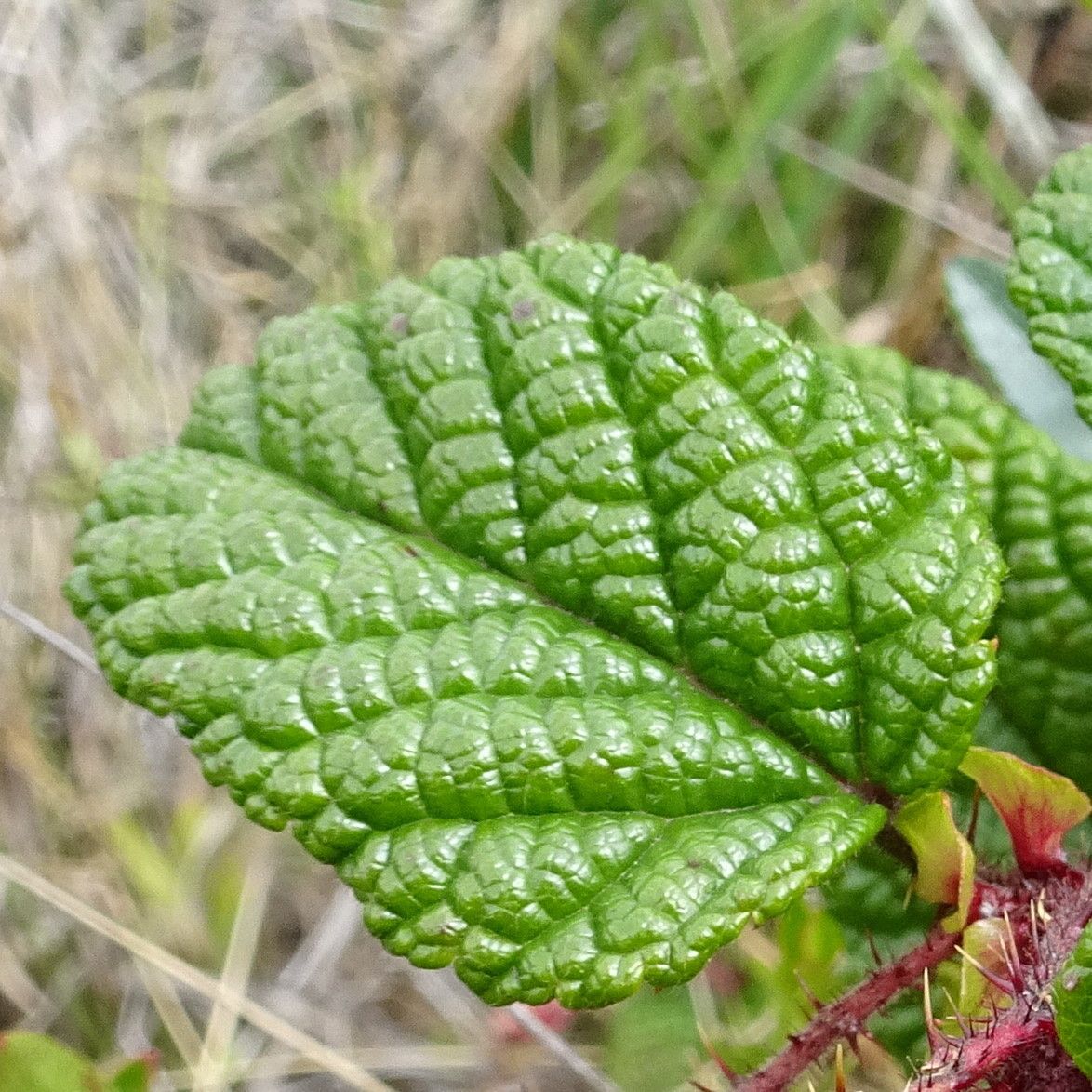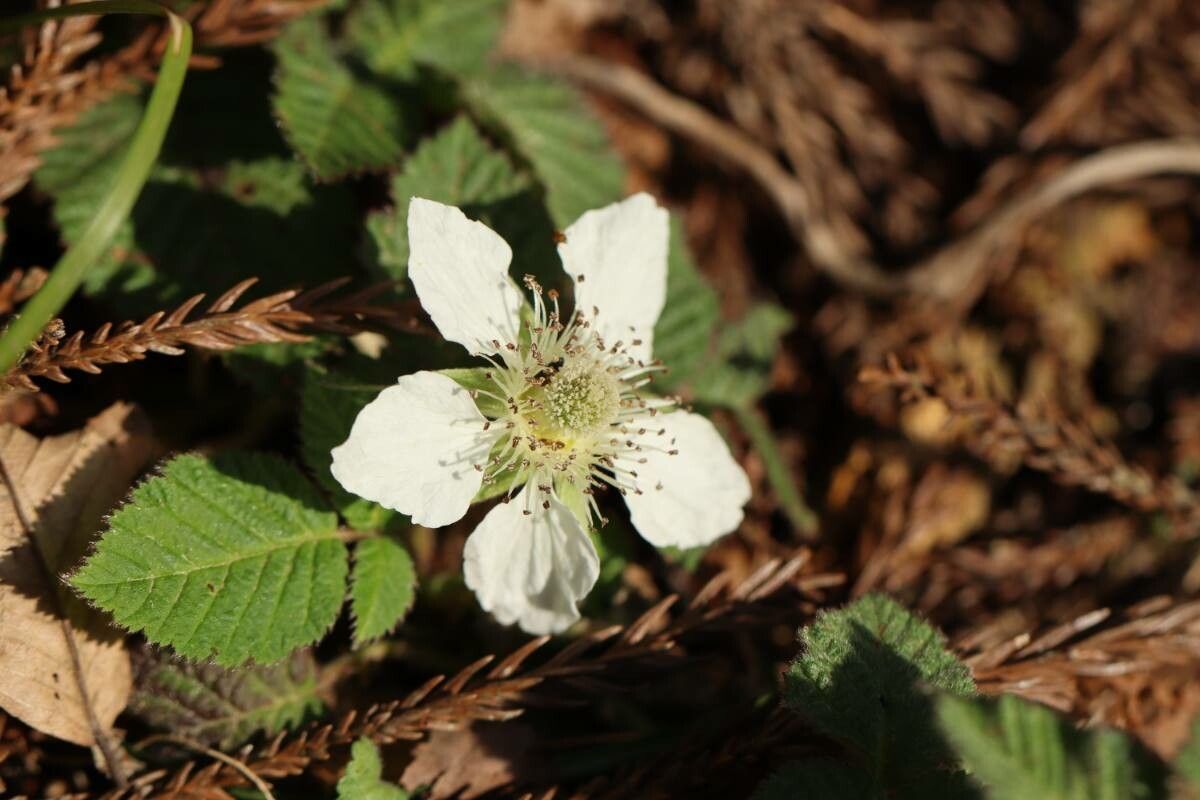
Rubus hirsutus, the hirsute raspberry, is a species of flowering plant in the family Rosaceae, native to southern China, Taiwan, the Korean Peninsula, and Japan. It is sister to Rubus chingii.
Hirsute raspberry has strong resistance to disease and is usually not susceptible to illnesses. In terms of care, the plant is fairly low-maintenance. When planted outdoors it needs only minimal watering, and larger plants generally do not require pruning; however, smaller plants should be pruned after they have bloomed. Hirsute raspberry is suitable for anyone with outdoor space, such as a garden or a deck, and does not demand extensive care experience.
How to keep Rubus Hirsutus.
Light
Hirsute raspberry does best with ample sunlight, which encourages vigorous growth. In its native habitats it grows in sunlit areas. When abundant sun is lacking, it can tolerate light shade. However, both too little and too much light can damage it, resulting in stunted growth or leaf burn.
Water
The hirsute raspberry thrives in well-draining soil and moderate humidity, doing best with intermittent rainfall. It should be watered every three weeks, allowing the soil to dry out between waterings. This plant is best grown outdoors and adapts well to seasonal changes, showing strong growth in response to available water.
Temperature
Hirsute raspberry is a plant native to areas where temperatures range from 41 to 89.6 °F (5 to 32 ℃). Its optimum growth temperature falls within that span. Seasonal temperature adjustments may be needed to replicate its natural habitat.
Fertilizer
The Hirsute raspberry plant needs adequate nutrients to achieve optimal fruit production. Apply fertilizer in early spring to encourage new growth and bloom development. Regular fertilization keeps the plant healthy, yields more delicious fruit, and prevents nutrient deficiency problems like yellow leaves and poor fruit production.
Pruning
The hirsute raspberry is a hardy, thorny shrub known for its delicious berries. To promote healthy growth and improve air circulation, it is important to prune the shrub in early spring. Begin by removing any dead or diseased canes and thin out branches that are excessively crowded. Pay special attention to cutting older canes back to the base, as this encourages the development of strong new shoots.
Botanical profile.
- Plant Type
- Shrub
- Life Cycle
- Perennial
- Genus
- Rubus
- Family
- Rosaceae
- Hardiness Zone
- 4-8
- Mature Height
- 0.91 m to 2.13 m
- Mature Spread
- 49 cm to 91 cm
- Leaf Color
- Green
- Leaf Type
- Deciduous
- Flower Color
- White
- Flower Size
- 3.05 cm to 4.06 cm
- Bloom Time
- Late spring, Early summer
- Planting Time
- Spring, Summer
- Harvest Time
- Mid summer
- Native Area
- South Korea, Japan, China
Other names.
Reader questions.
What are the sunlight requirements for Hirsute Raspberry?
Hirsute Raspberry requires generous sunlight exposure to foster its robust growth, thriving best in areas soaked with sunlight. While it naturally flourishes in sun-drenched locations, it can also endure slightly shaded conditions. However, care should be taken as both excessive and insufficient sunlight can adversely affect its health, potentially causing stunted growth or leaf burn. The plant needs above 6 hours of sunlight for full sun exposure and about 3-6 hours for partial sun. Monitoring how sunlight moves through your garden and choosing the right balance of light and shade is crucial for the well-being of your plants.
What is the native environment and optimal growth temperature for Hirsute Raspberry?
The Hirsute Raspberry, scientifically known as Rubus hirsutus, is a plant native to environments where temperatures range from 41 to 89.6 °F (5 to 32 °C). Its optimal growth temperature falls within this range, meaning seasonal temperature adjustments may be necessary to mimic its natural habitat and ensure healthy growth.
How can artificial lighting be used for Hirsute Raspberry indoors?
When natural sunlight is insufficient, especially during winter or in areas receiving less sunlight, artificial lighting serves as an essential alternative for Hirsute Raspberry's growth. Indoor plants require adequate lighting to grow optimally. LED lights are recommended since they can provide specific wavelengths needed by the plants. For full sun plants, 30-50W/sq ft of artificial light is needed; partial sun plants require 20-30W/sq ft, and full shade plants need 10-20W/sq ft. The light source should be placed 12-36 inches above the plant, simulating natural sunlight as closely as possible, with the duration mimicking natural daylight hours, typically around 8-12 hours per day.
Does the Hirsute Raspberry require special frost protection measures during winter?
Hirsute Raspberry has strong cold resistance, which means special frost protection measures are usually not necessary during winter. However, if winter temperatures are expected to drop below -30°C, it is important to provide cold protection. This can be achieved by wrapping the trunk and branches with insulating materials like non-woven fabric or cloth. Additionally, before the first freeze in autumn, it's recommended to water the plant abundantly to keep the soil moist, which helps prevent drought and water scarcity for the plant during the winter and early spring.
What are the signs of inadequate sunlight for Hirsute Raspberry?
When Hirsute Raspberry does not receive enough sunlight, it may exhibit signs such as the growth of new leaves that are smaller in size, leggy or sparse growth due to longer spaces between leaves or stems, and faster leaf drop as the plant sheds older leaves to conserve resources. Additionally, the plant might experience slower or no new growth, lighter-colored new leaves indicating a lack of chlorophyll, chlorosis where leaves lose their green color and turn yellow, sunscald indicated by pale, bleached areas on the plant, leaf curling as a defense mechanism against excessive sunlight, wilting due to loss of turgor pressure, and leaf scorching characterized by brown, dry edges on leaves. These symptoms suggest that the plant is not receiving the optimal amount of sunlight.
What are the symptoms and solutions for Hirsute Raspberry when subjected to low temperatures?
When subjected to low temperatures, Hirsute Raspberry shows strong cold tolerance and thrives best when the temperature remains above 5°C. During winter, it's crucial to keep the temperature above -25°C. If the temperature falls below -30°C, the branches may become brittle and dry during spring, with no new shoots emerging. The solution to this problem is to prune away any dead branches in spring that have failed to produce new leaves.
How can I address sunlight-related issues for Hirsute Raspberry?
To address sunlight-related issues for Hirsute Raspberry, follow these solutions based on the plant's location. Indoors, gradually move the plant to a sunnier spot each week until it receives at least 6 hours of direct sunlight daily. Utilize a south-facing window and keep curtains open for maximum sunlight, or use artificial light if the plant is large. Outdoors, move your plants gradually to sunnier spots to avoid sunburn, allowing them to adapt slowly. Consider pruning obstructions like tree branches if they block sunlight. If needed, transplant smaller plants during their dormant period to a location with better sunlight and drainage. Remember, parts of the plant already affected by insufficient sunlight may not recover, but new growth will be healthy with improved light exposure.
How does high temperature affect Hirsute Raspberry, and what are the solutions?
High temperatures can adversely affect the Hirsute Raspberry. During summer, it is advised to keep the plant's surroundings below 32°C. When temperatures exceed 35°C, the leaves may become lighter in color, tips may dry and wither, and the plant becomes more susceptible to sunburn. To mitigate these issues, trim away the sunburned and dried-up parts. Also, move the plant to a location that offers shade during the midday and afternoon sun, or use a shade cloth. Watering the plant in the morning and evening helps keep the soil moist, combating the effects of high temperature.