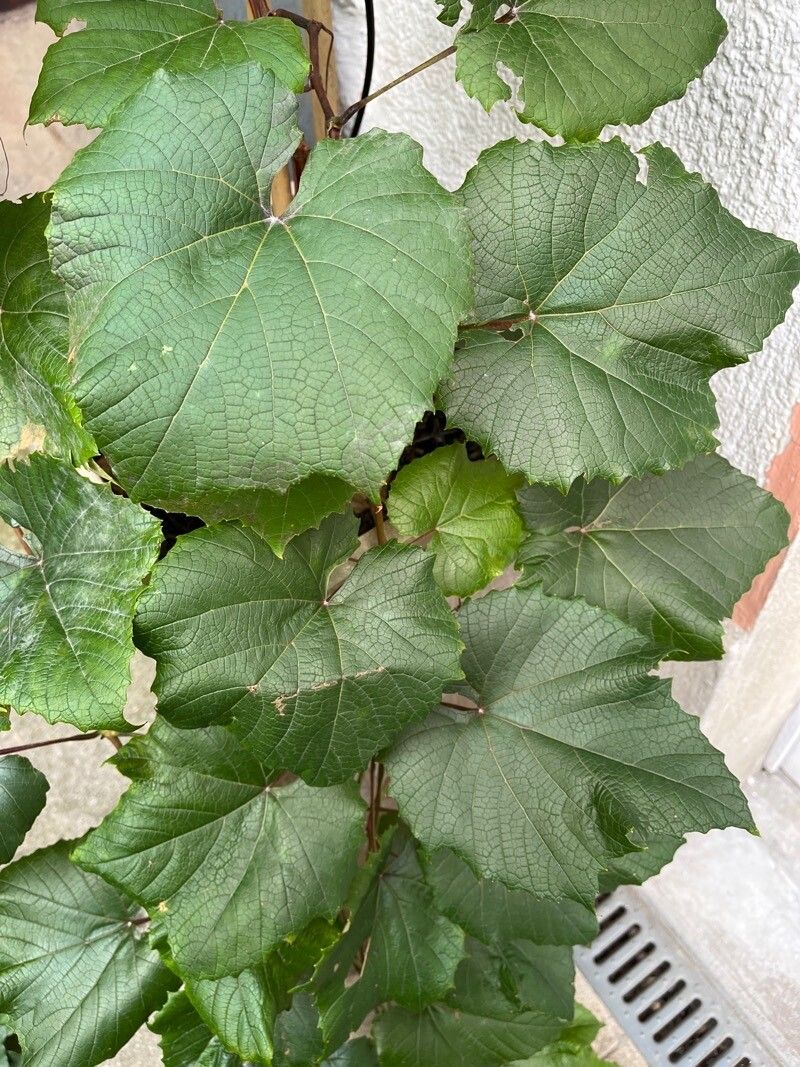
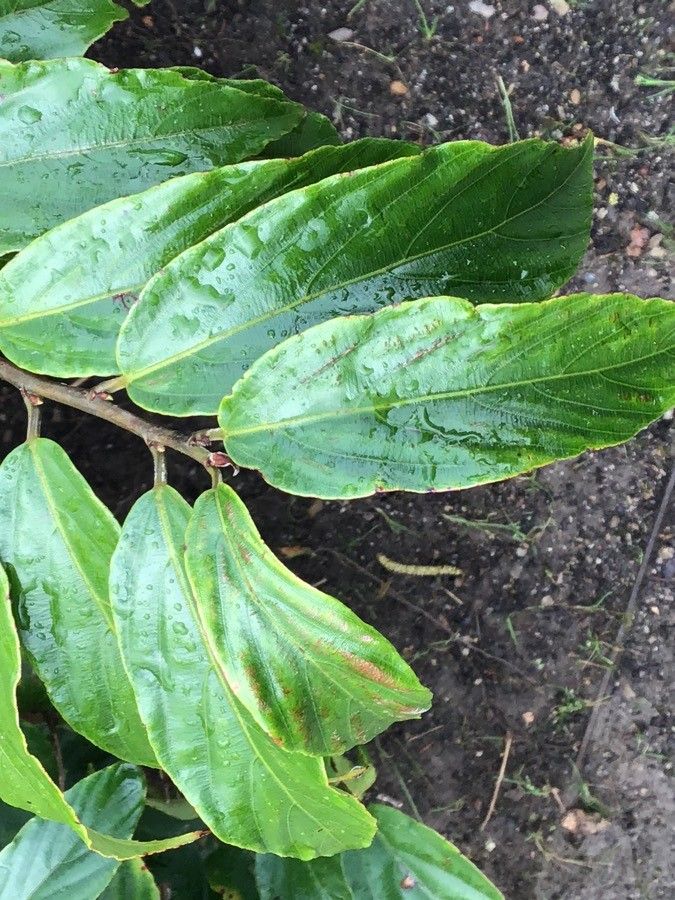
Rubus imbricatus, commonly known as the Himalayan blackberry, is a species of flowering plant in the rose family. Native to Asia, it was introduced to North America in the late 1800s as a food crop. However, the plant is now considered an invasive species across many parts of North America due to its aggressive growth and tendency to outcompete native plants.
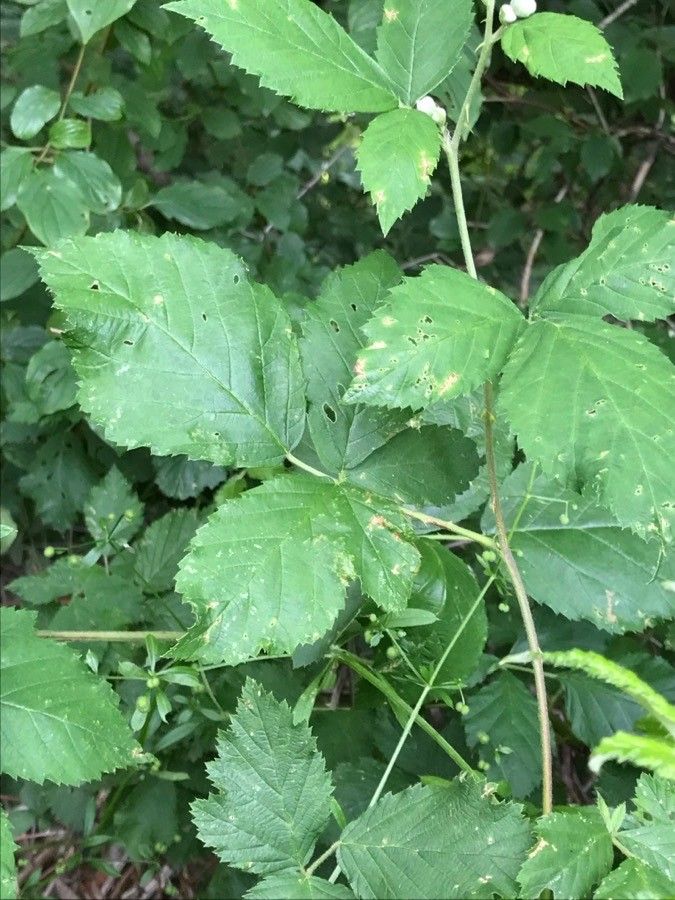
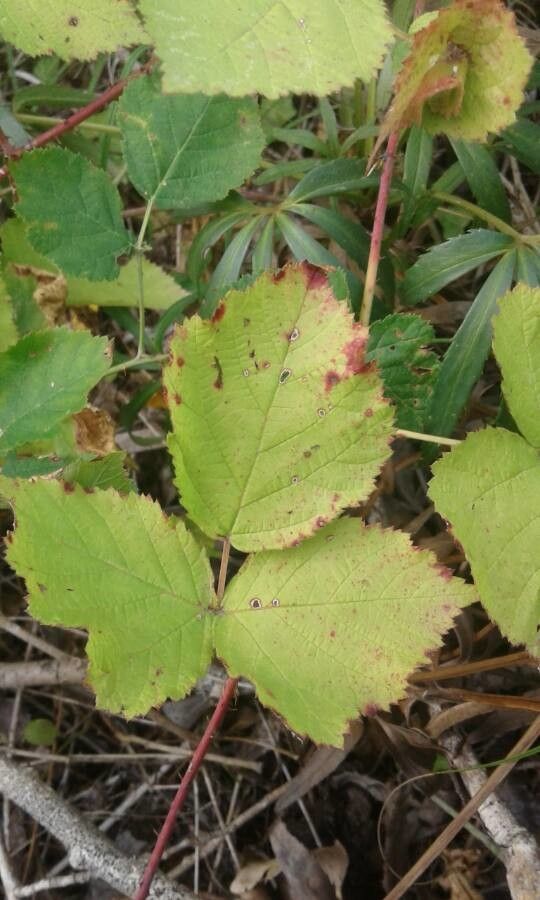
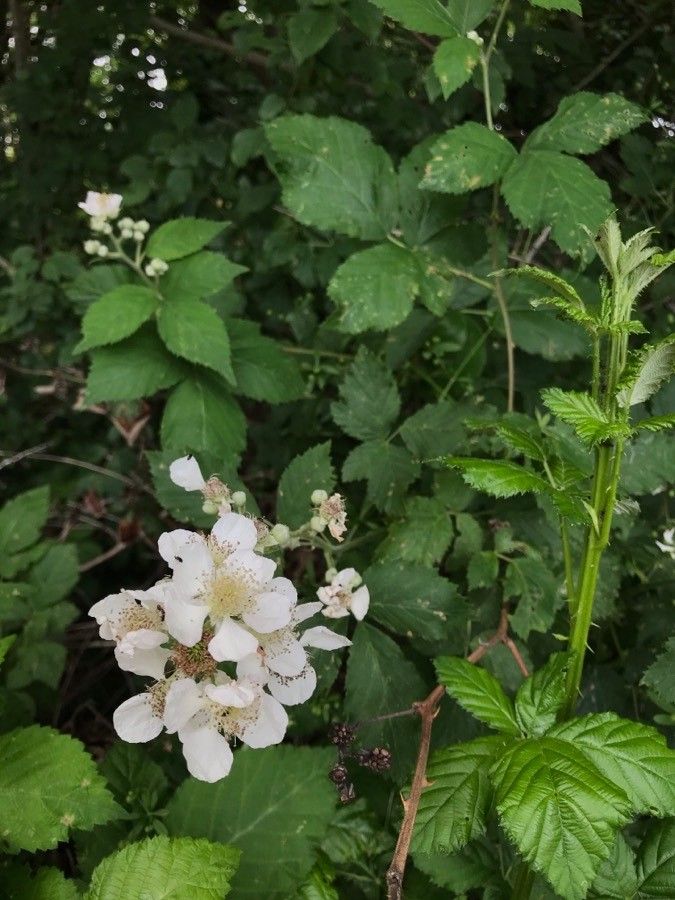
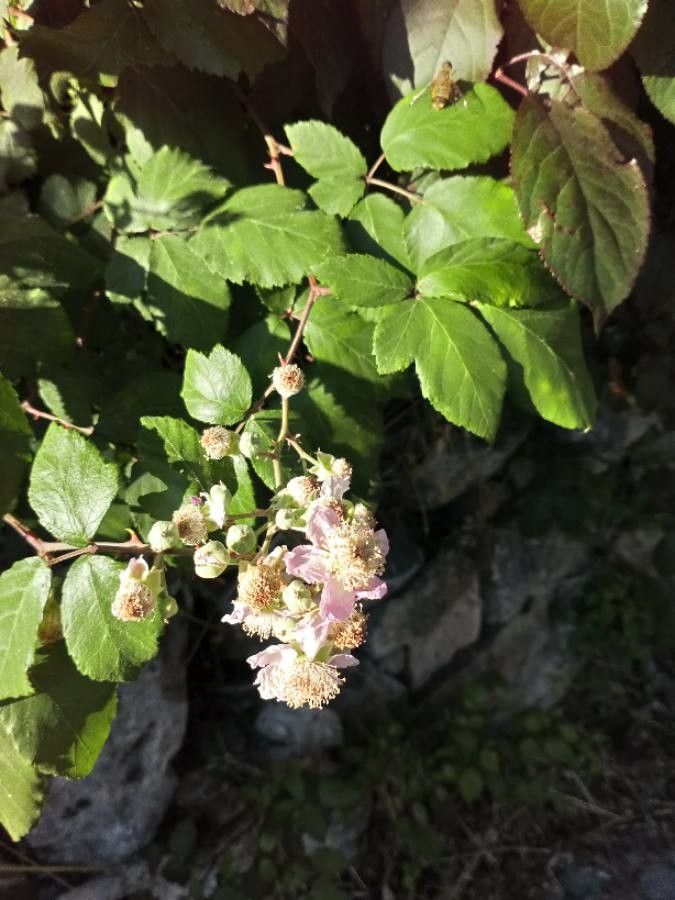
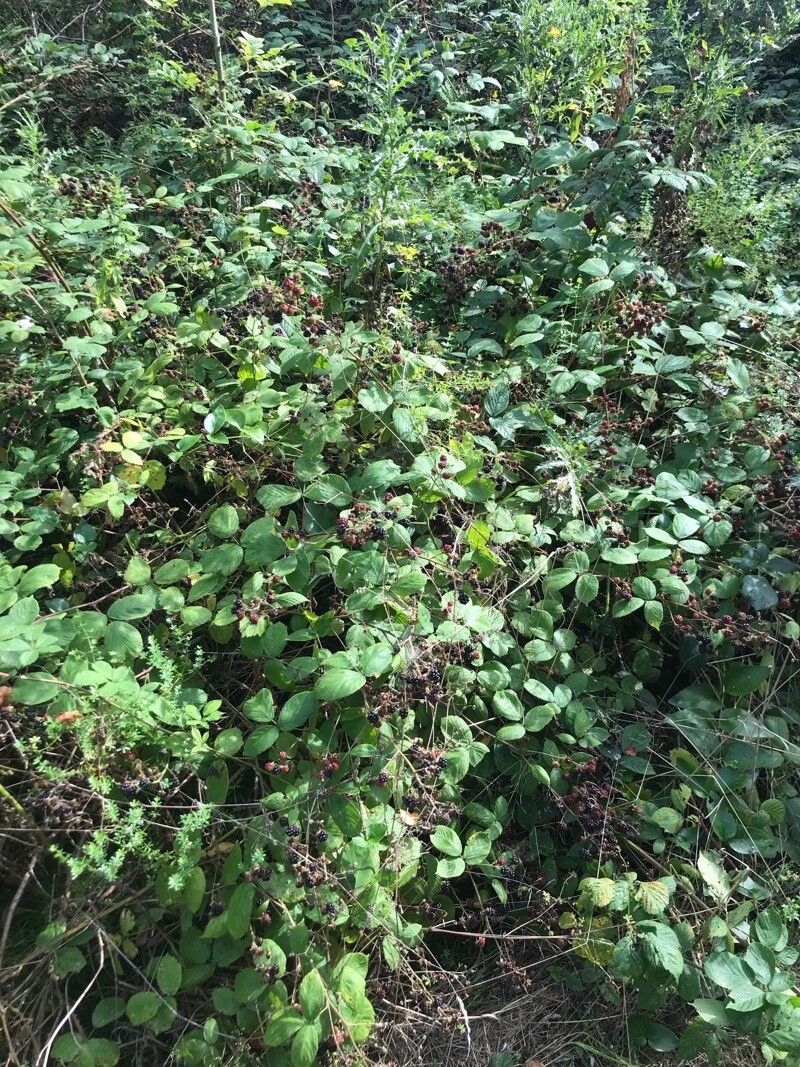
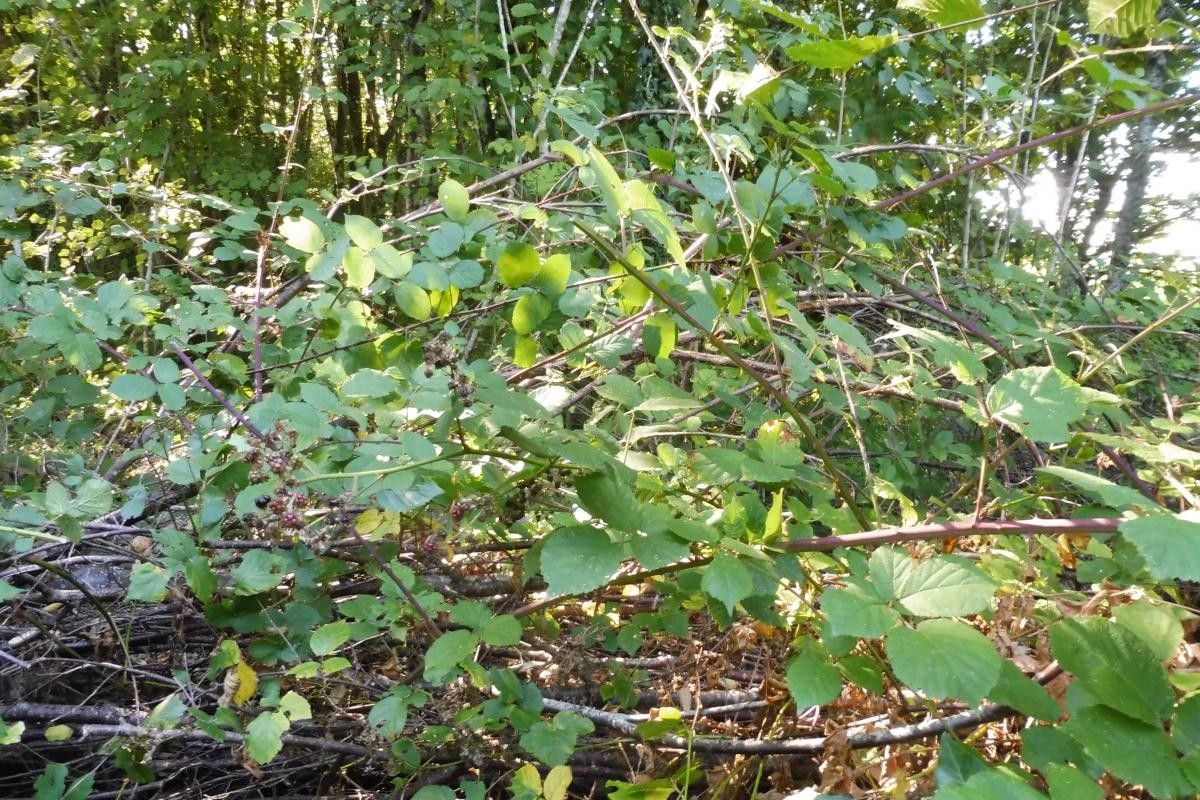
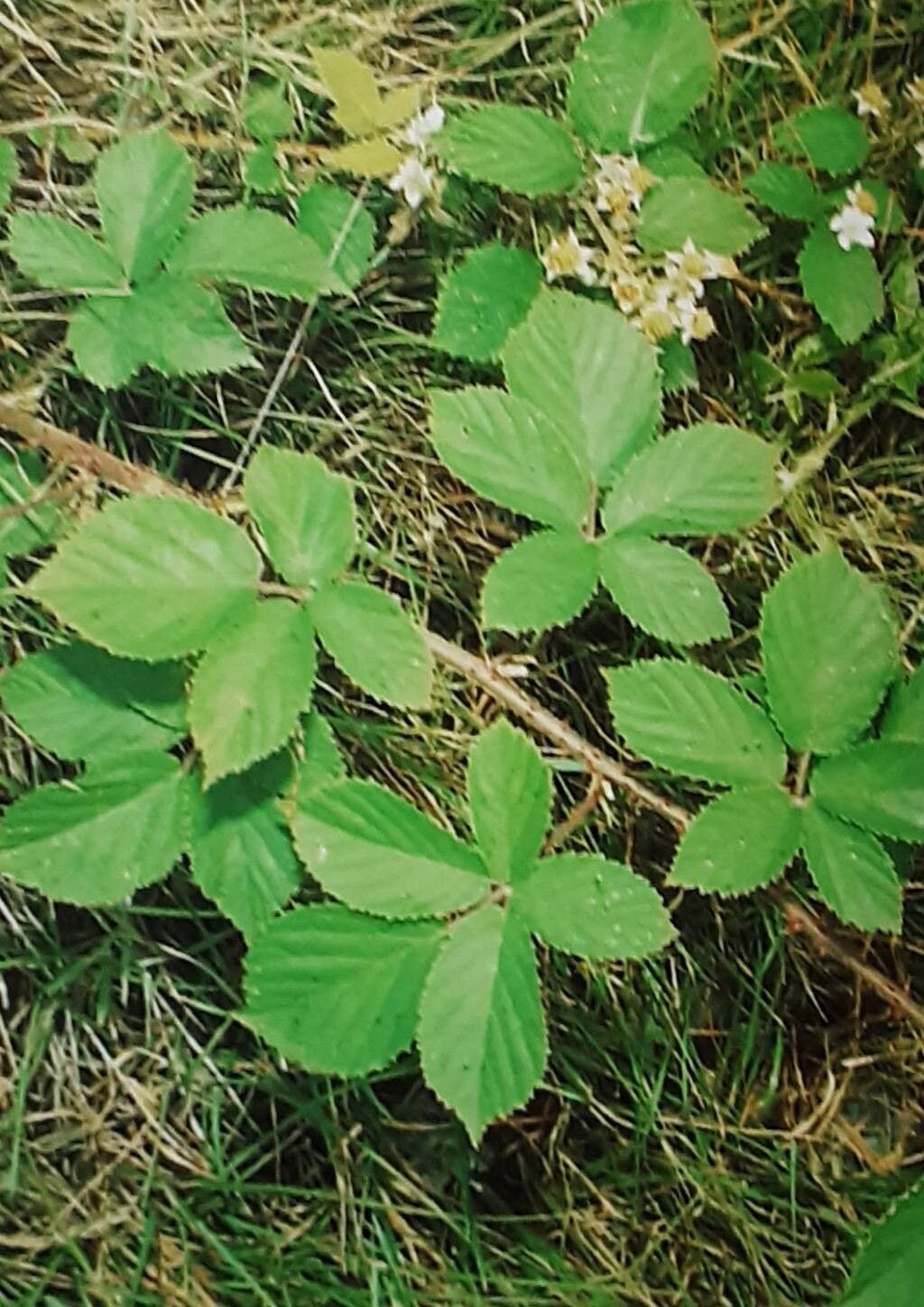
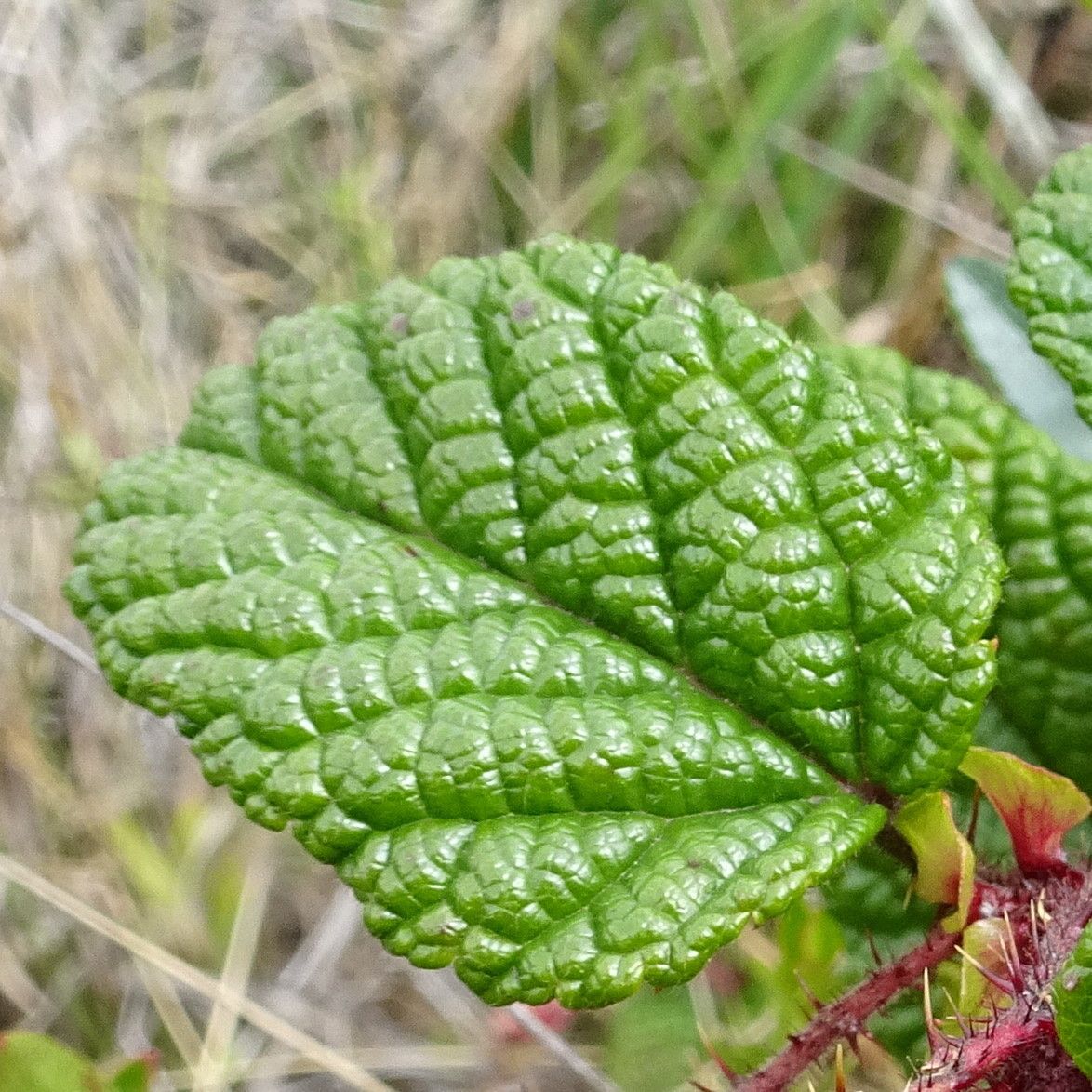
The Himalayan blackberry typically grows as a thorny shrub or vine, reaching heights of up to 3 meters. It features dark green leaves with serrated edges and white or pink flowers with five petals. The plant produces edible fruit that closely resembles a blackberry.
Despite its invasive characteristics, Rubus imbricatus has been used for centuries in traditional medicine. Its leaves can be applied topically to treat skin conditions such as eczema and psoriasis, while the fruit has been used to address digestive issues like diarrhea.
In summary, while Rubus imbricatus remains an important food source, it also poses significant ecological threats in regions outside of its native Asia.
Rubus imbricatus exhibits strong resistance to disease and is generally not prone to diseases. As for care, this plant is fairly low-maintenance. When grown outdoors it needs only minimal watering, and larger plants typically do not require pruning. However, smaller plants should be pruned after they finish blooming. Rubus imbricatust is appropriate for anyone with outdoor space, such as a garden or a deck, and does not demand extensive experience in plant care.
Botanical profile.
- Life Cycle
- Perennial
- Genus
- Rubus
- Family
- Rosaceae
- Hardiness Zone
- 3-9
- Leaf Type
- Deciduous
- Native Area
- Germany, United Kingdom, Netherlands
Other names.