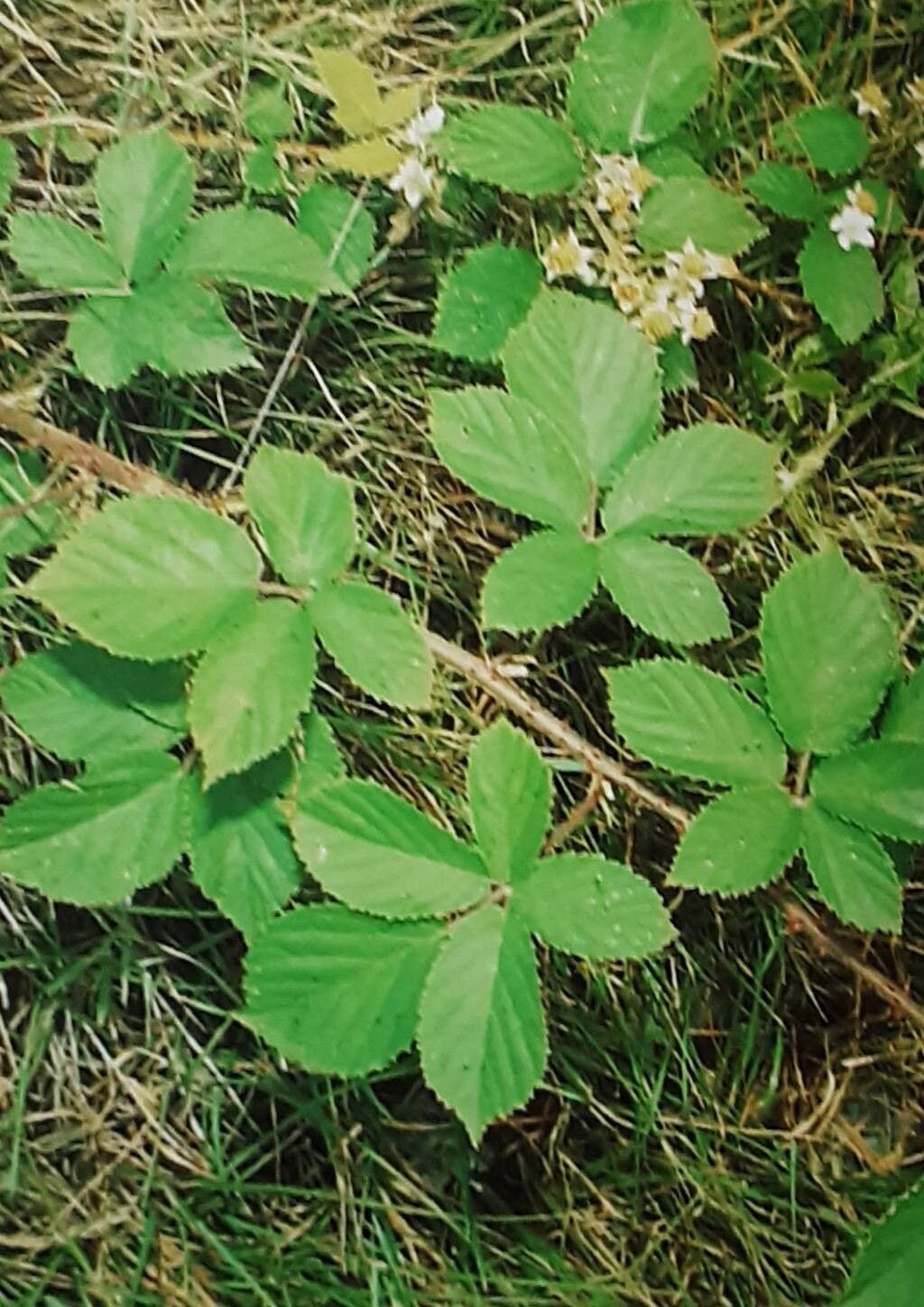
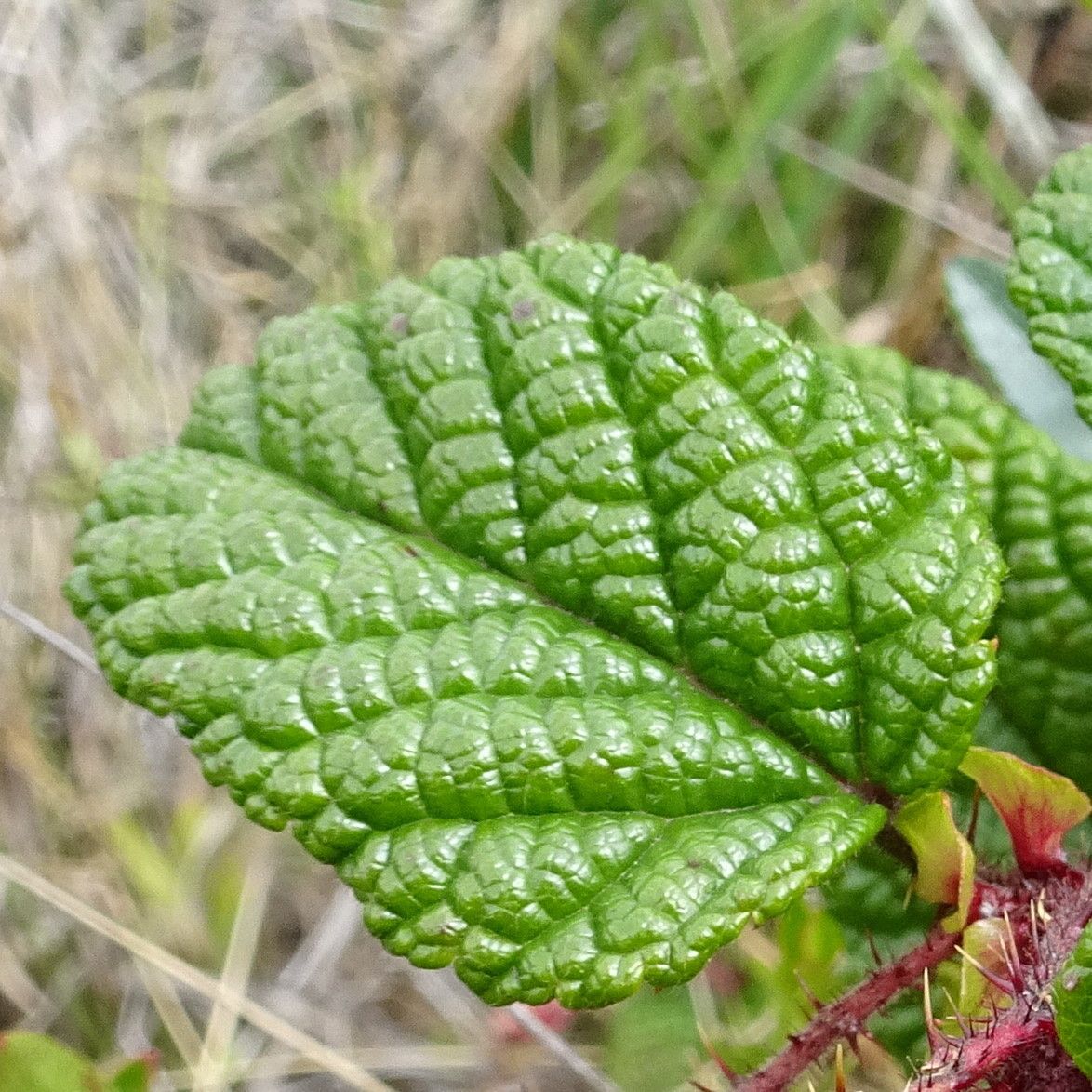
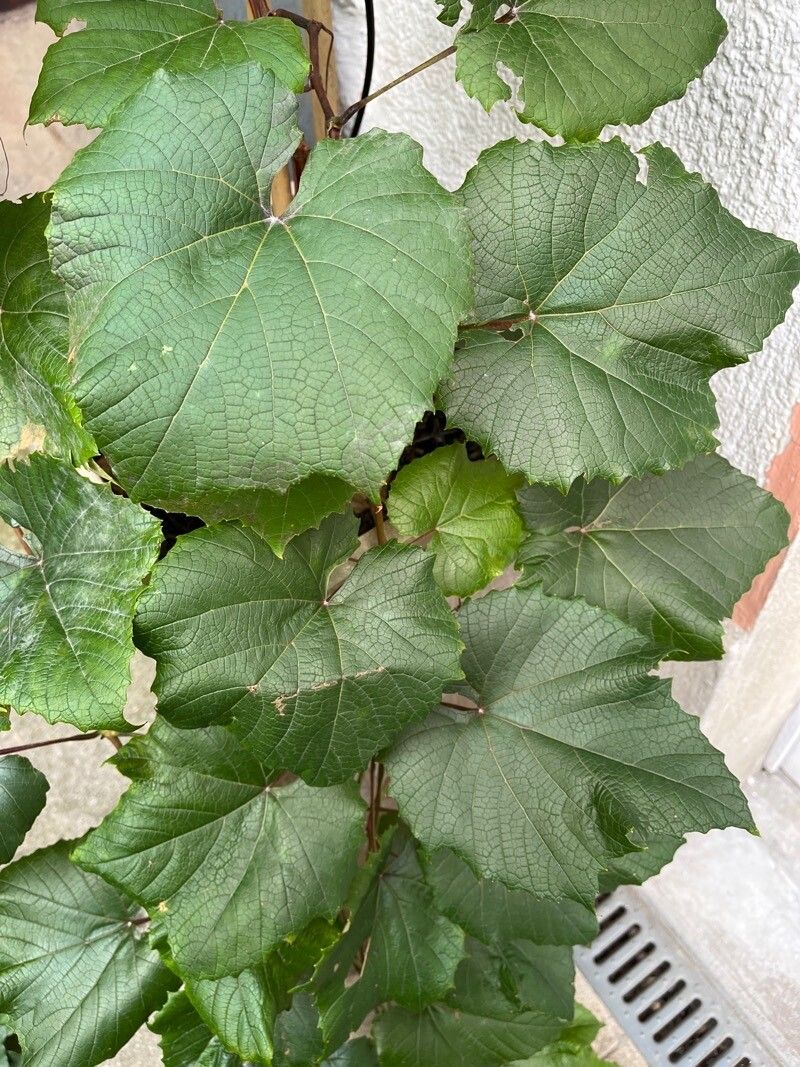
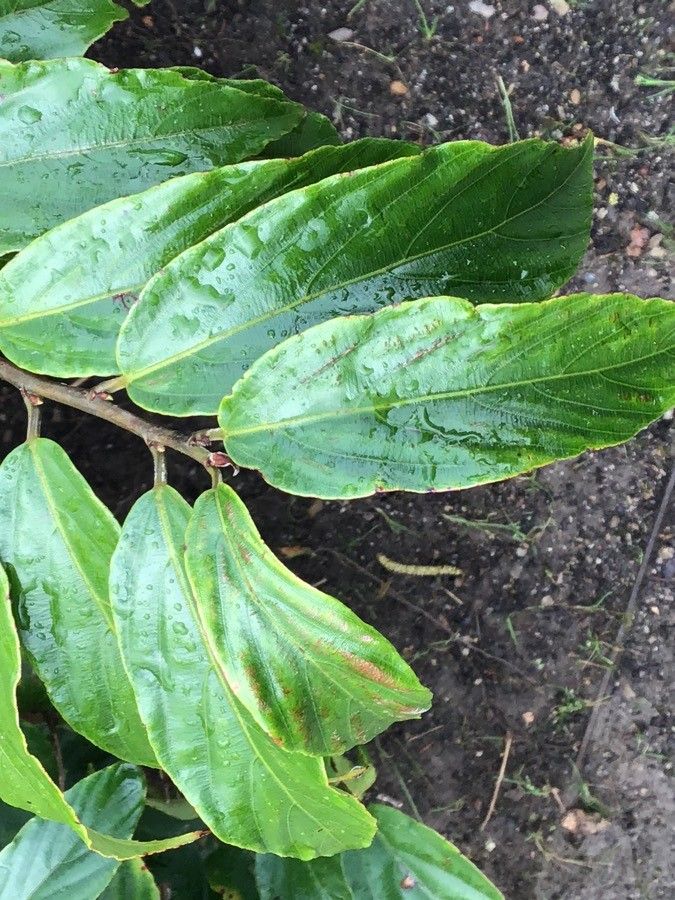
Rubus leucodermis, also called whitebark raspberry or blackcap raspberry, is a species of Rubus native to western North America.
Whitebark Raspberry shows strong disease resistance and is usually not susceptible to diseases. Regarding care, the plant is fairly low-maintenance. When grown outdoors it needs little watering, and larger specimens typically do not require pruning. Smaller plants, however, should be pruned after they finish blooming. Whitebark Raspberryt is appropriate for anyone with an outdoor area, such as a garden or deck, and does not demand extensive care experience.
How to keep Rubus Leucodermis.
Light
The robust whitebark raspberry does best with abundant sunlight, preferring an unobstructed view of the sky to reach strong growth. It can still produce acceptable results with somewhat less sun, but not in shaded conditions. Originating from open habitats, it performs poorly in low light. Both too little and too much light can hinder its optimal development.
Temperature
Whitebark Raspberry is native to temperate climates, preferring temperatures of 50 to 77°F (10 to 25℃). In colder months, it is suggested to keep temperatures within that range for optimal growth.
Fertilizer
The Whitebark Raspberry plant needs adequate nutrients to achieve optimal fruit production. Fertilize in early spring to encourage new growth and bloom development. Regular fertilization helps the plant stay healthy, produce more delicious fruit, and prevents nutrient-deficiency problems like yellow leaves and poor fruit production.
Pruning
The Whitebark Raspberry is known for its distinctive white bark and edible berries. For optimal growth, prune the plant between early and late winter. Start by removing any dead canes and thinning out crowded stems to enhance airflow. Trim back any overgrown shoots to encourage new spring growth and fruit production. Always use clean, sharp tools to prevent the spread of disease.
Botanical profile.
- Plant Type
- Shrub
- Life Cycle
- Perennial
- Genus
- Rubus
- Family
- Rosaceae
- Hardiness Zone
- 6
- Mature Height
- 0.91 m to 2.13 m
- Mature Spread
- 0.49 m to 2.13 m
- Leaf Color
- Green, Red, Gold, Brown
- Leaf Type
- Deciduous
- Flower Color
- White
- Flower Size
- 2.03 cm to 3.05 cm
- Bloom Time
- Mid spring, Late spring
- Planting Time
- Spring
- Harvest Time
- Summer
- Native Area
- Mexico
Other names.
Reader questions.
What is the optimal temperature range for growing Whitebark Raspberry?
Whitebark Raspberry, or Rubus leucodermis, thrives in moderate climates with temperatures ranging between 50 to 77°F (10 to 25°C). For optimal growth, especially in colder months, it is recommended to maintain the temperature within these limits. This plant is highly cold-tolerant and does not require extra frost protection measures during winter. Nonetheless, to prepare for the first freeze in autumn, it's advisable to water the plant generously to keep the soil moist. This moisture helps prevent drought and water scarcity for the plant during the winter and early spring.
What should I do if the temperature drops below -25°C for Whitebark Raspberry?
Whitebark Raspberry can withstand extremely cold temperatures, but it is crucial to ensure that the winter temperature stays above -25°C. If the temperature falls below this threshold, you may not observe any immediate changes during the winter. However, come spring, the branches might turn brittle and dry, with no new shoots emerging. The recommended solution for this issue is to prune away any dead branches that have failed to produce new leaves in the spring.
How does Whitebark Raspberry react to high temperatures, and what are the solutions?
Whitebark Raspberry struggles to survive in high temperatures. When temperatures soar above 25°C, it's likely to suffer significant leaf drop, and in extreme cases, the entire plant may wither and die. To mitigate these effects, you should trim away the sunburned and dried-up parts of the plant. Moving the plant to a shaded location or using a shade cloth to protect it from the midday and afternoon sun can also be beneficial. Additionally, watering the plant in the morning and evening will help maintain soil moisture and aid in the plant's survival.