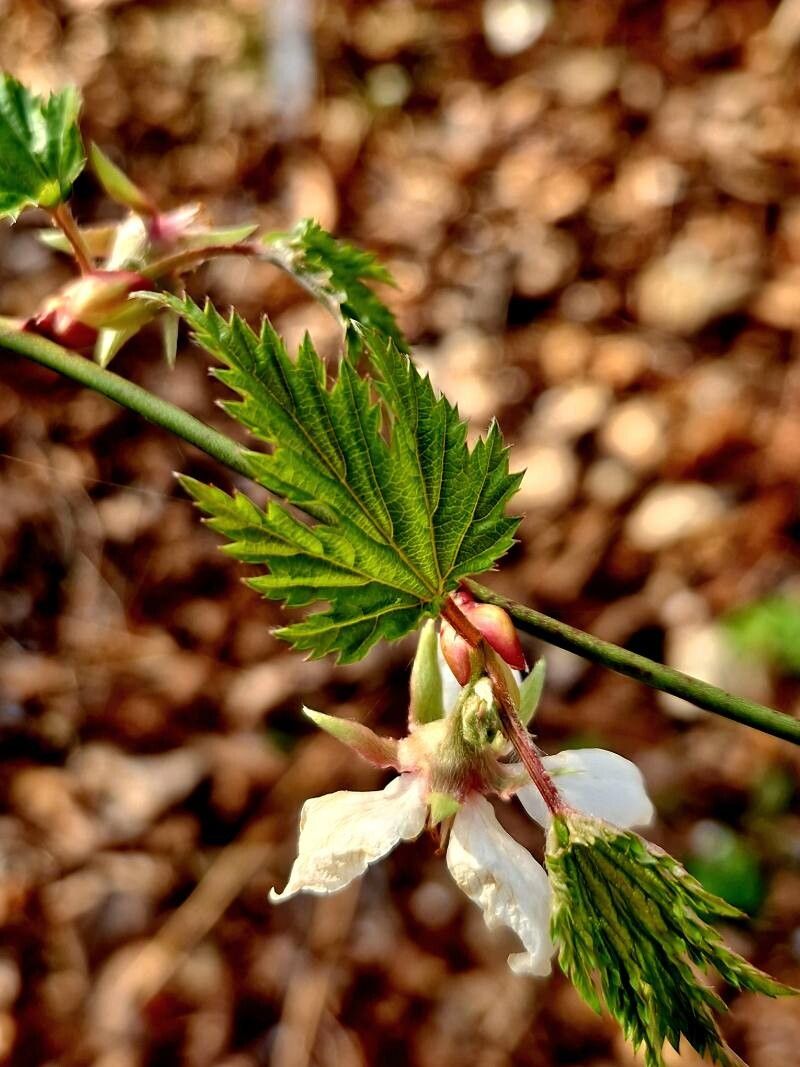
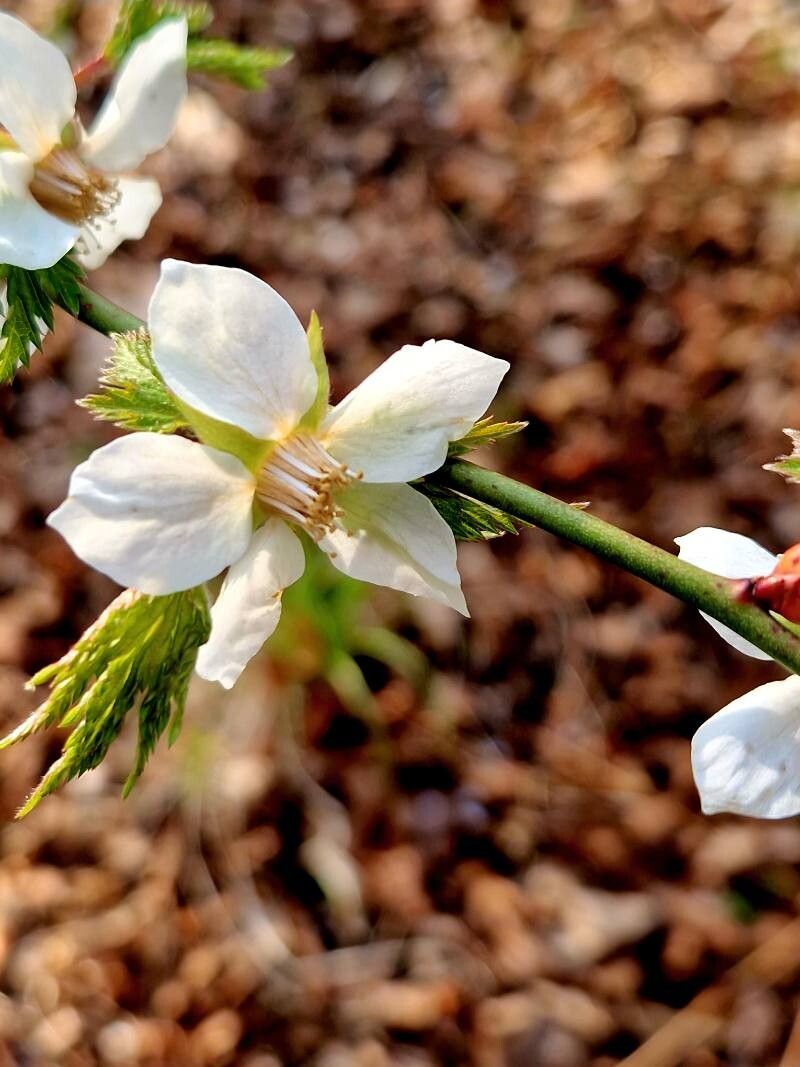
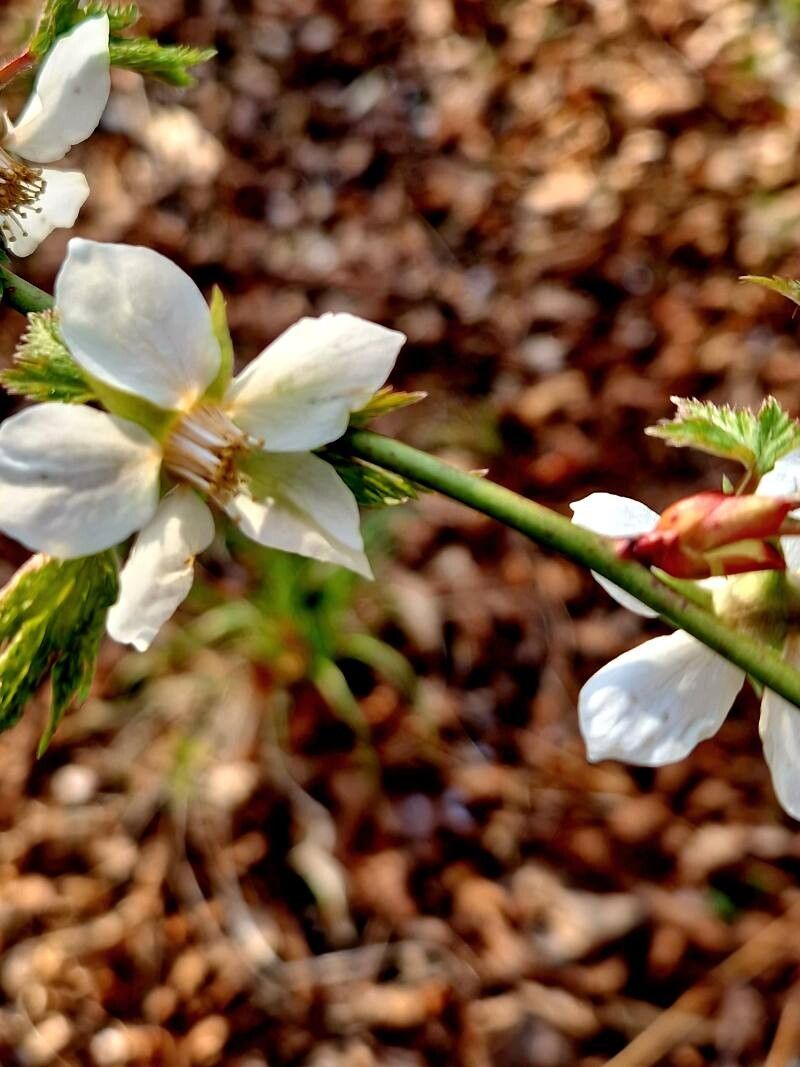
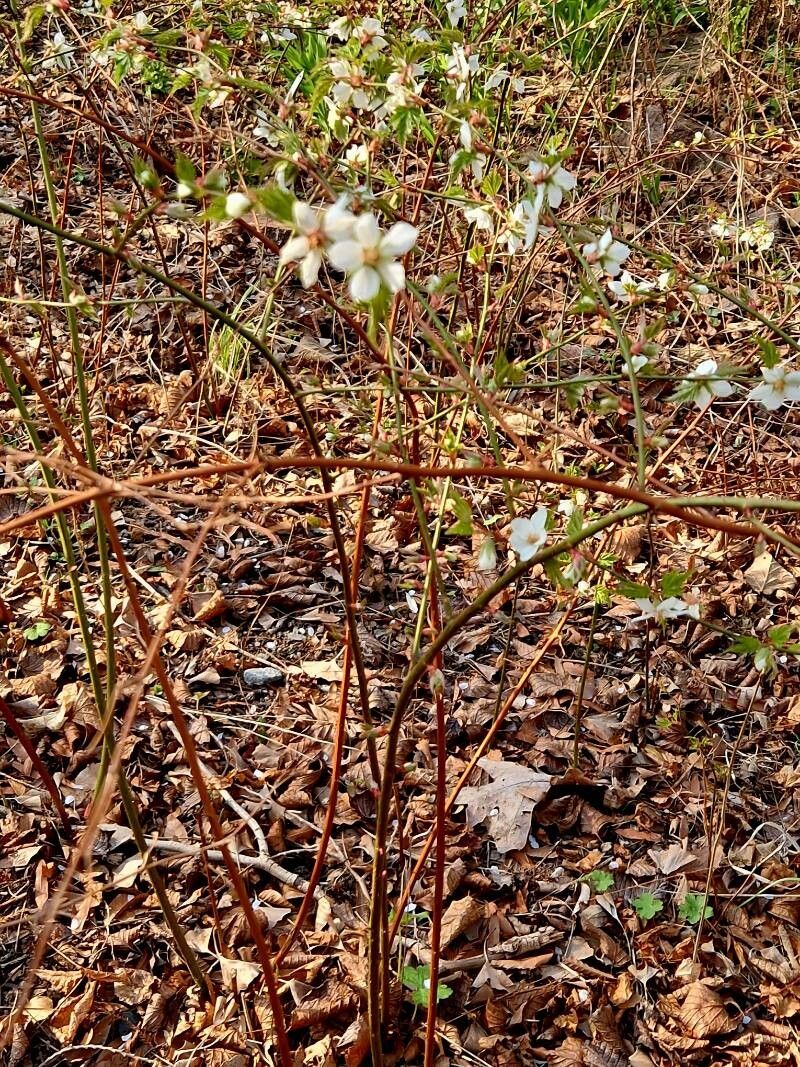
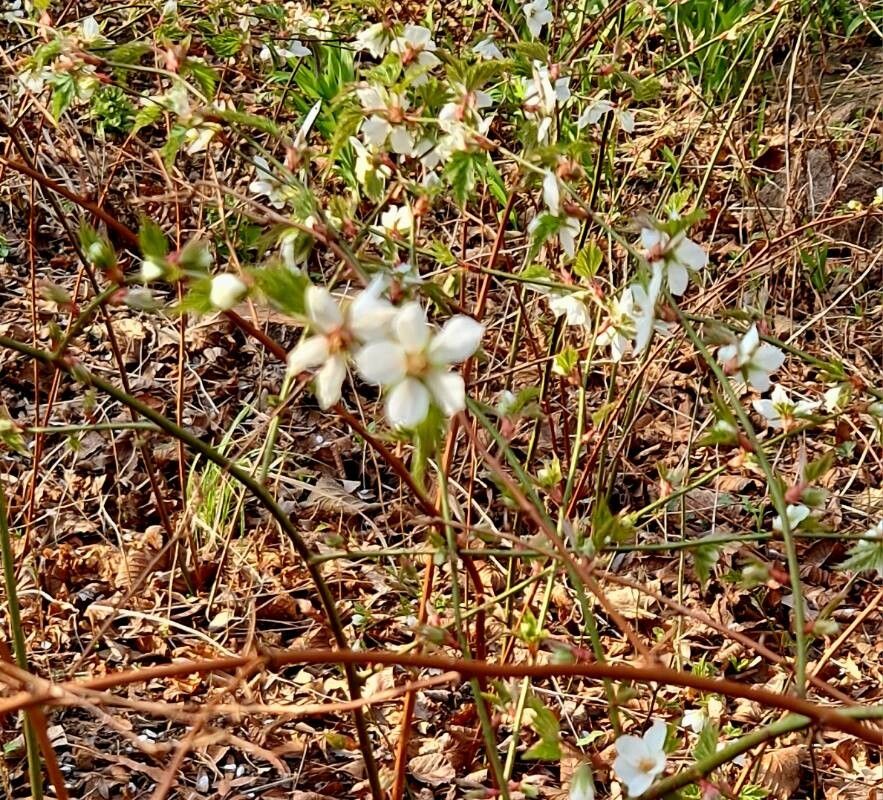
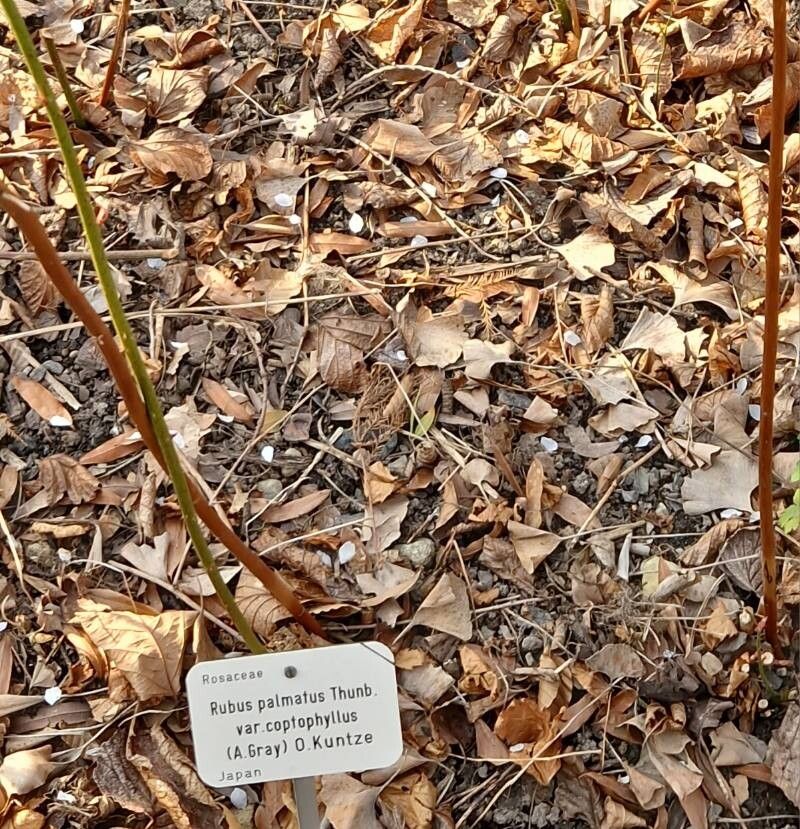
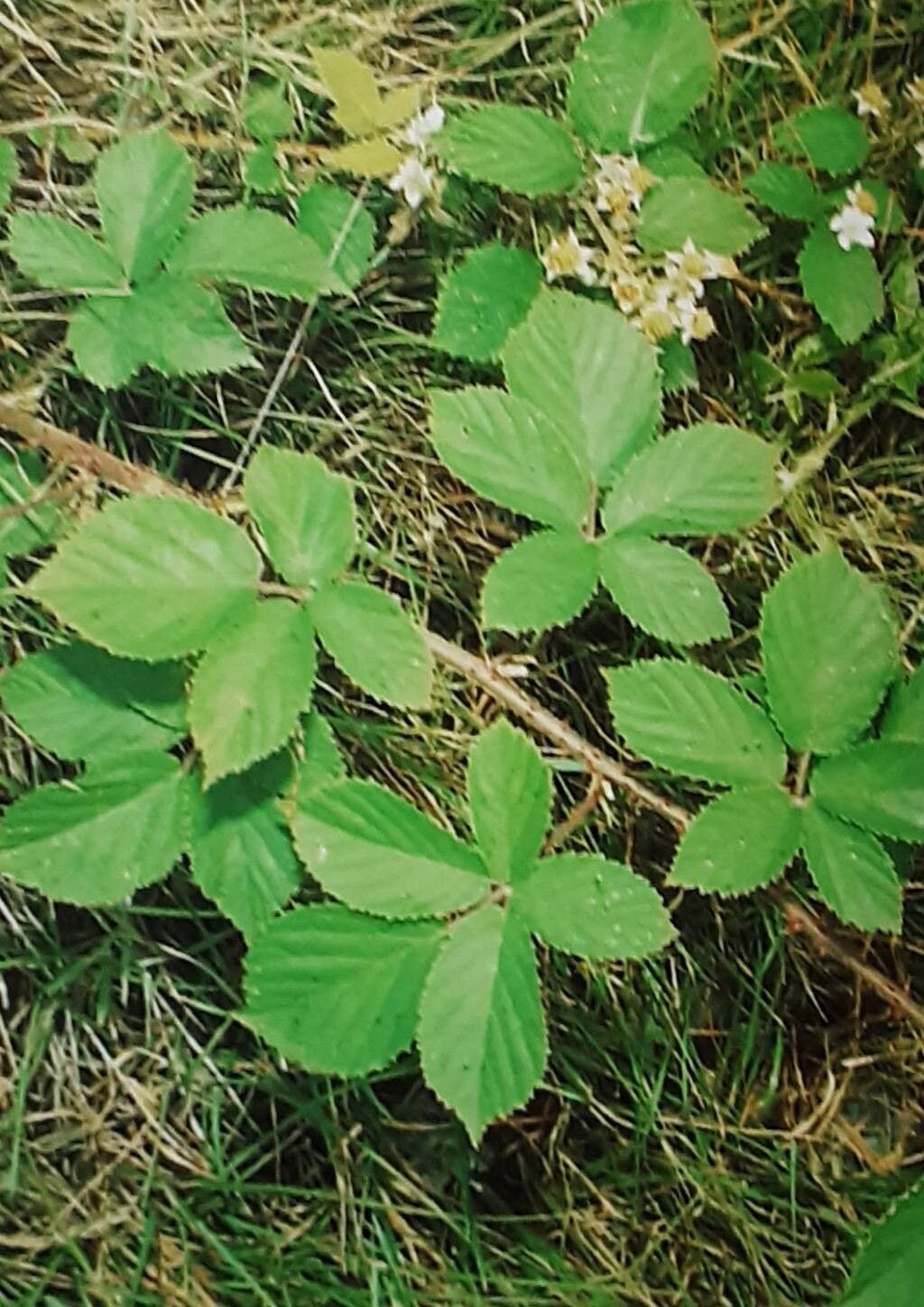
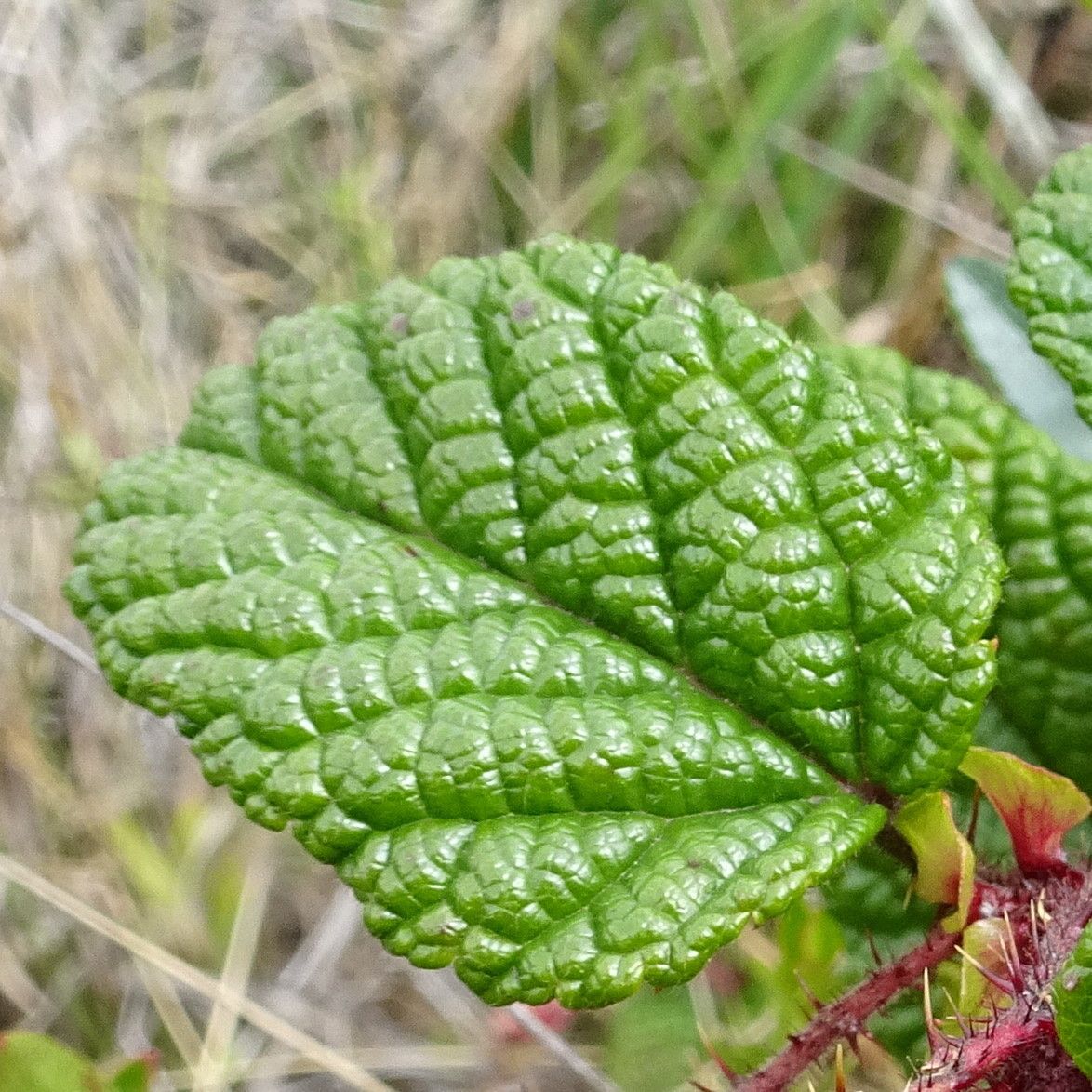
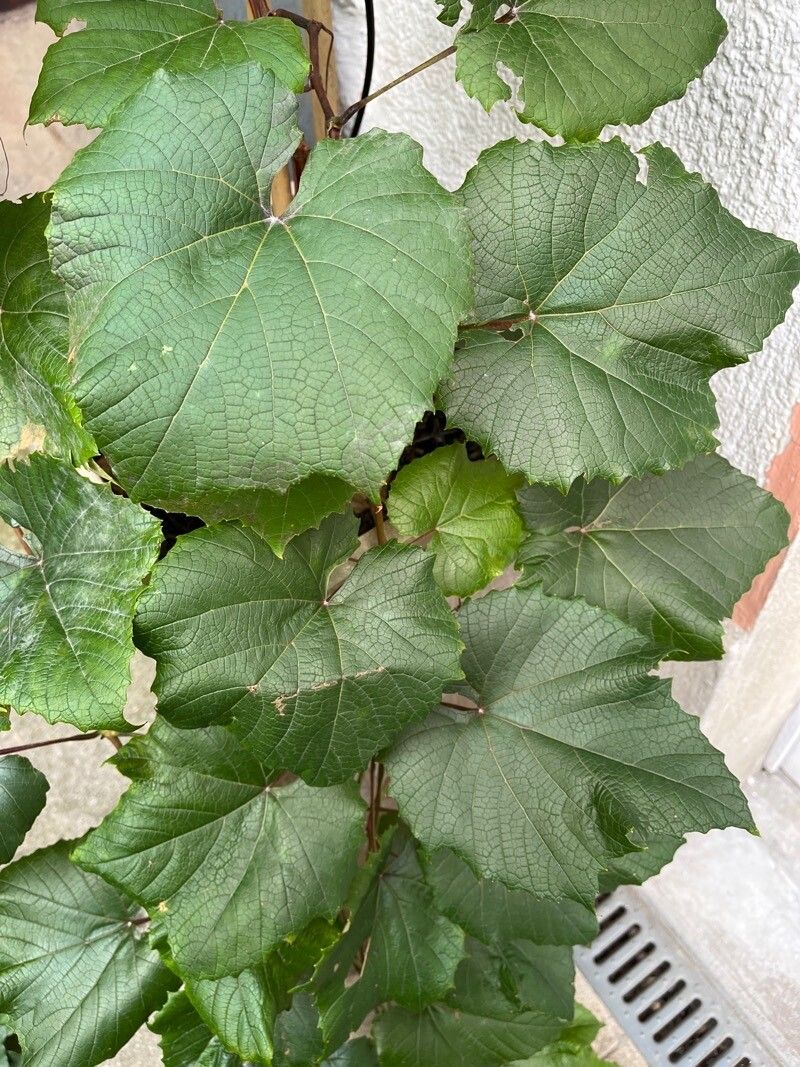
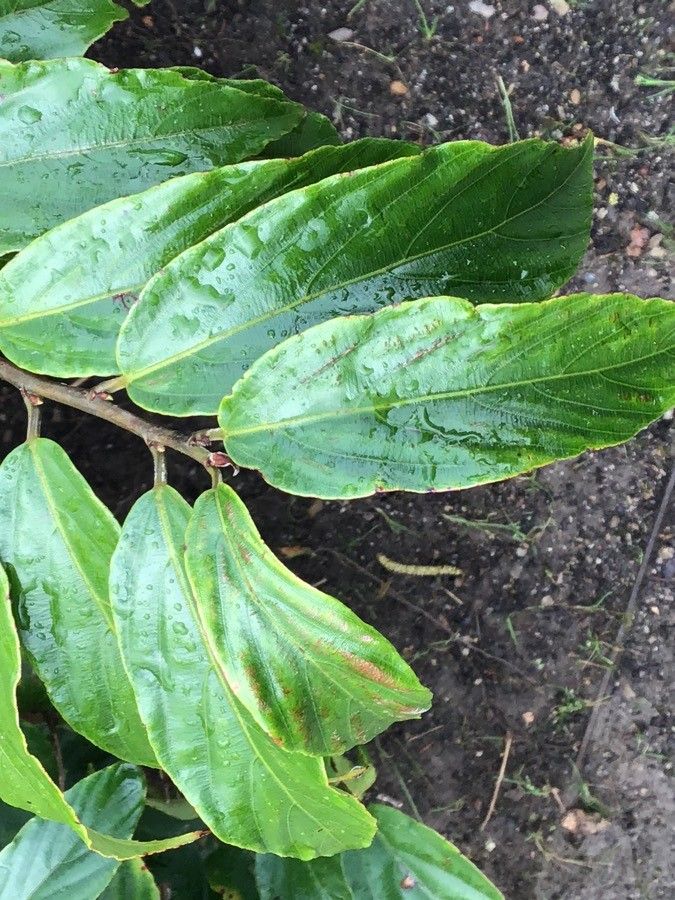
Rubus palmatus, also known as mayberry, is an ornamental bramble that has white flowers and yellow edible fruits that ripen in May. It is native to Korea and Japan.
The Palmleaf raspberry fruit is resistant to disease and is generally not susceptible to illnesses. Regarding care, this plant is fairly low-maintenance. Planted outdoors, it needs only minimal watering, and larger plants usually do not require pruning. Smaller plants, however, should be pruned after they have finished blooming. The Palmleaf raspberry fruit is suitable for anyone with outdoor space, such as a garden or a deck, and does not demand extensive gardening experience.
How to keep Rubus Palmatus.
Light
Palmleaf raspberry fruit typically does best with abundant sun. Still, it can tolerate reduced sunlight. Excessive shade can reduce its vigorous growth, while too much sun can cause stress. Originating from regions with plentiful sunlight, it adapts its growth stages to different light conditions.
Water
Rubus palmatus requires minimal maintenance once established. It needs about 1 inch (2.5 cm) of water each week. If you're growing it in a container, adjust the watering based on the soil's condition. Make sure to water deeply when the topsoil feels dry, and always maintain well-drained soil.
Temperature
Palmleaf raspberry fruit is fairly adaptable to temperature, capable of withstanding higher temperatures and substantial temperature fluctuations. In hot weather, care should be taken with watering and providing suitable shade to prevent sunburn. However, Palmleaf raspberry fruit is less tolerant of low temperatures. While it can endure some cold, overly cold conditions may cause frost damage.
Fertilizer
The Palmleaf raspberry fruit plant needs adequate nutrients to achieve the best fruit production. Apply fertilizer in early spring to encourage new growth and bloom development. Regular fertilization keeps the plant healthy, helps it produce more delicious fruit, and prevents nutrient-deficiency problems like yellowing leaves and poor fruit production.
Pruning
Pruning is crucial for cultivating Rubus palmatus. After harvesting, cut all the fruit-bearing canes down to the ground. Trim the first-year canes by 50% to encourage lateral growth. Remove suckers, overcrowded canes, and debris to prevent disease. Ensure that the canes in each patch do not touch each other.
Botanical profile.
- Plant Type
- Vine
- Life Cycle
- Perennial
- Genus
- Rubus
- Family
- Rosaceae
- Hardiness Zone
- 5-9
- Mature Height
- 1.52 m to 3.05 m
- Mature Spread
- 0.91 m to 1.52 m
- Leaf Color
- Green, Dark Green
- Leaf Type
- Deciduous
- Flower Color
- White, Pink
- Flower Size
- 2.54 cm to 4.06 cm
- Bloom Time
- Mid spring, Late spring
- Planting Time
- Spring, Summer, Autumn
- Harvest Time
- Summer
- Native Area
- Japan, China
Other names.