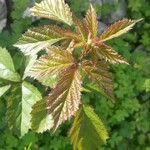
Rubus spectabilis
Salmonberry · Salmon Raspberry · Red Hairy Berry · Cloudberry
Description
Source: leafsnapRubus spectabilis, commonly known as salmonberry, is a deciduous shrub from the rose family. Native to the Pacific Northwest of North America, it thrives in moist forests, along streams and rivers, and in open meadows. The plant can grow up to 10 feet tall and features arching, thorn-covered stems. Its large, palmate leaves consist of three to five leaflets with serrated edges. In the spring, salmonberry produces showy pink flowers that resemble wild roses. These blossoms give way to edible berries that ripen from yellow-orange to bright red throughout the summer. The berries have a sweet-tart flavor, similar to raspberries or blackberries, and are often used for making jams or eaten fresh by wildlife such as birds and bears. Salmonberry is a vital food source for both humans and animals within its native range. It plays an essential role in maintaining healthy ecosystems by providing nourishment for pollinators like bees and offering habitat to various wildlife species. Birds and small mammals, such as squirrels, use its branches for nesting sites during the breeding season each year.
🌳 The vivid, conspicuous blooms of salmonberry do more than please human observers; they play an important role in supporting local ecosystems. They supply a valuable source of nectar for pollinators such as bees, butterflies, and hummingbirds. This ecological service contributes substantially to the preservation of biodiversity. Additionally, its dense thickets provide shelter and nesting sites for various bird species, reinforcing its position as a keystone species in its native habitat.
🎭 Sanctity, Contrition, Jealousy
Care Guide
💧 Water Every 7 days
Salmonberry thrives in humid conditions and needs consistent moisture without becoming waterlogged. Water the plant every 1 to 2 weeks, and provide extra irrigation during dry periods. In the spring and summer, keep the soil evenly moist to ensure optimal growth.
How should I water my Salmonberry plant to make it grow well?
To promote excellent root development, consider placing a garden hose at the base of each plant. Make sure to avoid directly spraying the leaves. If the plants are outdoors and exposed to direct sunlight, the leaves will need more watering. You can use bubblers or soaker hoses to moisten the roots, either individually for each plant or to cover the entire garden or bed when adding or removing plants. After watering, drain any excess water and allow the soil to dry before watering again. Watering at ground level can help prevent diseases. On a sunny day, it might be beneficial to spray the entire bush with water. Whether the plants are in pots or in the ground, remember that Salmonberry prefers deep watering rather than light sprinkling.
What should I do if I give Salmonberry too much or too little water?
If you overwater the Salmonberry plant, its leaves will turn yellow, drop off, and wilt. The plant will appear dull and unhealthy, with mushy stems. When you notice these signs, try adjusting your watering schedule. Wilting can also occur due to underwatering, which will cause the leaves to become crispy and dry. If the soil is dry and watering alone is not enough, give the plant a thorough watering. However, keep in mind that even with enough water, the Salmonberry may still have yellow, dry leaves for a few days due to damage to the root system. Once the plant returns to normal, the yellowing of the leaves should stop. When keeping the Salmonberry indoors, check the moisture levels in the pot and avoid overwatering. If you notice black spots, allow the soil to dry out for a few days before watering again. Overwatering can lead to root rot, so transfer the plant to a different pot if you see discolored and slimy roots. Take precautions to prevent root rot and avoid making the soil too soggy. When planting the Salmonberry outdoors, make sure the soil is not too dry by digging a little deeper with your fingers. Adequate watering is necessary for the plant to recover.
How often should I give water to my Salmonberry plant?
The Salmonberry plant prefers deep and infrequent watering, especially when planted in pots. The limited water storage in pots causes the soil to dry out quickly, so it's important to soak the plant with a gallon of water each time. In cold regions, watering should be done every 3 to 5 days. It is best to water in the early morning when the soil is dry both indoors and outdoors. To determine if watering is needed, you can check the soil. When the top 2-3 inches of soil are dry, it's time to give the plant a thorough watering. On hot days, check the moisture daily as the heat can quickly dry out the soil. If you have a garden, irrigating the soil is necessary. In hot climates, watering once a week is sufficient. Only water when you notice that about 2 to 3 inches of soil have become too dry. Take into consideration the amount of rainwater on the plant and avoid overwatering to prevent root rot. If there is a lot of rainfall, additional watering may not be necessary. Salmonberry plants typically grow during spring and fall, and when they are outdoors, adding a 3 to 4 inch layer of mulch helps conserve water. Sandy soil drains faster, so more frequent watering is needed. Clay soil, on the other hand, requires less frequent watering to prevent root rot. To keep track of watering, you can mark the dates on the calendar and pay attention to drooping leaves, which may indicate that watering is overdue.
How much water should I give my Salmonberry plant?
The Salmonberry plant generally needs one gallon of water on a regular basis. For potted plants, water them deeply until you see water dripping out of the bottom of the pot. Then, wait for the soil to dry before watering again. You can use a water calculator or moisture meter to figure out how much water your plant has received in a week. During the flowering period, provide plenty of water but allow the moisture to evaporate afterwards to prevent root rot. If the Salmonberry is planted outdoors where it gets enough rainfall, it may not need additional watering. However, when it is young or newly planted, make sure it receives 1-2 inches of rain per week. As the Salmonberry grows, it can rely solely on rainfall. Only in extremely hot weather or if there is no rainfall for 2-3 weeks, consider giving the Salmonberry a full watering during the cooler part of the day to prevent damage from high heat. Additional watering will be necessary during prolonged dry spells.
Should I water my Salmonberry plant more or less depending on the time of year or the weather?
The Salmonberry plant prefers outdoor conditions with consistent rain, but only needs to be watered during persistent dry periods. During the spring and fall, the soil should be kept moist but not waterlogged, with alternating dry and moist soil conditions being beneficial for growth. In the summer, hot weather can cause water to evaporate quickly, so additional watering may be necessary if there is a lack of rainfall. During winter, the Salmonberry needs less water as it goes dormant, and using well-draining soil can help with water evaporation. Once the plant starts to leaf out in spring, regular watering can be skipped as it can rely on fall and winter rains. Good drainage is important to prevent pooling water, especially during winter. When potted, the Salmonberry has limited root growth and will need consistent watering, avoiding cold and wet roots by providing adequate drainage. Deep soaking once or twice a week, depending on the weather, is recommended. Avoiding shallow sprinkles that only reach the leaves will minimize the growth of fungi and promote root health. Even during dormancy in fall and winter, the plant shouldn't be allowed to dry out completely. However, overwatering should be avoided to prevent the plant from sitting in water for too long, as this can lead to their demise in winter. Applying mulch can help reduce stress, conserve water, and promote healthy blooms.
☀️ Light Partial sun
Salmonberry performs well where light is diffused through a tree canopy, yet it can also tolerate spots saturated with sunlight. Native to woodland settings where dappled light is common, its growth can be slowed if kept in low light too long, while too much sun can cause the leaves to burn.
What type of sun exposure do salmonberry plants require?
Salmonberry plants need varying degrees of sunlight depending on their environment. They can thrive in partial sun, receiving about 3-6 hours of sunlight, or in full sun, with more than 6 hours of sunlight. It's important to observe how sunlight moves through your garden to find spots that offer a balance of light and shade, ensuring the plants remain healthy and happy.
Can salmonberry plants grow indoors and with artificial lighting?
Yes, salmonberry plants can grow indoors using artificial lighting when natural sunlight is insufficient, especially during winter or in less sunny spaces. Indoor plants benefit significantly from artificial lights, such as LEDs, which can be customized to provide specific light wavelengths. For healthy growth, full sun plants need 30-50W/sq ft, partial sun plants need 20-30W/sq ft, and full shade plants require 10-20W/sq ft of artificial light. The light source should be positioned 12-36 inches above the plant to mimic natural sunlight conditions, and most plants will need 8-12 hours of light per day.
What are the symptoms of insufficient or excessive sunlight in salmonberry plants?
Symptoms of insufficient sunlight in salmonberry plants include smaller new leaves, leggy or sparse growth, faster leaf drop, slower or halted growth, and lighter-colored new leaves due to a lack of chlorophyll. Excessive sunlight can cause chlorosis, where leaves lose their green color, sunscald with damaged plant tissue, leaf curling as a defense mechanism to reduce sunlight exposure, wilting from increased water loss, and leaf scorching with brown, dry edges. Noticing these symptoms early can help adjust your plant's light exposure for better health.
How can I address light-related issues in salmonberry plants?
To optimize growth for plants struggling with light, gradually increase their exposure to sunlight by relocating them to sunnier spots each week until they receive 3-6 hours of direct sunlight daily. For indoor or immovable plants, consider using artificial lighting, keeping a lamp on for at least 8 hours a day or investing in professional grow lights. If outdoor plants experience sudden light changes, move them gradually to prevent sunburn. To increase sunlight for ground-planted salmonberries, reduce obstructions like branches and consider transplanting smaller plants during their dormant period to more sunlit locations with good drainage. Although parts of the plant damaged by insufficient light may not recover, new growth should be healthy with proper light adjustments.
🌡️ Temperature 0–35°C
Salmonberry grows best in temperatures between 32 and 95 ℉ (0 to 35 ℃). It originates from cool, moist habitats and is commonly found in coastal areas. In summer it can tolerate temperatures up to 85 ℉ (29 ℃), though it may need extra water during hot, dry periods. In winter it can withstand temperatures as low as 14 ℉ (-10 ℃), but mulching can help protect its roots from freezing.
What are the ideal temperature conditions for growing a Salmonberry plant?
The Salmonberry plant thrives in temperatures ranging from 32 to 95°F (0 to 35°C), typical of its native cool, moist environments often found in coastal regions. During summer, it can endure up to 85°F (29°C) but might need extra watering in times of heat and drought. It has a strong tolerance to cold, managing winter temperatures down to 14°F (-10°C) with ease. For winters harsher than this, particularly below -35°C, protective measures like wrapping the trunk and branches with non-woven fabric might be necessary. Ample watering before the first freeze of autumn is recommended to keep the soil moist and prevent drought through winter into early spring.
How does low temperature affect Salmonberries and how can you protect them?
Salmonberries are notably cold-tolerant, performing well above 0°C and can withstand winters down to -30°C. If temperatures plummet below -35°C, though there may not be visible damage during winter, you may observe that the branches become brittle, dry out by spring, and fail to produce new shoots. To combat this, prune any dead branches in spring to encourage new growth and maintain the health of the plant.
What should be done if a Salmonberry plant experiences high temperatures?
During the summer season, it's crucial to ensure that Salmonberry temperatures stay below 35°C. Exposure to temperatures above 38°C can lead to discolored leaves, drying and withering at the tips, and an increased risk of sunburn. To mitigate these effects, remove sunburned or dried portions of the plant. Relocate the plant to a shadier area or use a shade cloth to protect it from intense midday and afternoon sun. Additionally, watering the plant in the morning and evening will help keep the soil moist and support the plant's health during hotter days.
💨 Humidity normal (40-60%)
This plant will thrive in moderate humidity, which is probably the level in your home. However, misting it a few times a week can be very beneficial. Make sure the room has good ventilation.
🪴 Soil 6-6
🌱 Fertilizer
The Salmonberry plant needs adequate nutrients to achieve optimal fruit production. Fertilize in early spring to encourage new growth and flowering. Regular fertilization keeps the plant healthy, results in more flavorful fruit, and prevents nutrient deficiency problems like yellow leaves and poor fruit yield.
Why should I put fertilizer on my Salmonberry plant?
Regular fertilization is important for plants, especially fast-growing types like Salmonberry, as they deplete the soil of nutrients. Providing extra nutrients through fertilization not only helps the plant stay healthy but also promotes the growth of delicious fruit. When plants lack fertilization for a long time, they may face various problems. Nutrient deficiency can lead to issues with the foliage, such as yellow leaves or reddish coloration. It can also cause deformities in leaf shape, withered tips, or dieback in large areas of the plant. Some nutrient deficiencies can even result in bark disorders, slow growth, poor shoot development, and a lack of fruit production.
When should I fertilize my Salmonberry?
The ideal time to fertilize Salmonberry is in early spring before the buds appear. When Salmonberry emerges from winter dormancy, it uses stored reserves to grow. To support bloom development, it is recommended to fertilize 2 to 4 weeks before the expected blooming period. This allows enough time for the nutrients to penetrate the soil and be absorbed by the plant. Additionally, you can continue feeding Salmonberry throughout spring. However, it is advised to avoid fertilizing in autumn as this can lead to excessive late-season foliage, increasing the risk of winter damage.
When is not a good time to put fertilizer on my Salmonberry plant?
When caring for Salmonberry plants, it is important to follow some guidelines regarding fertilization. In the first year of growth, it is best to avoid fertilizing altogether. Additionally, if fertilization is not necessary, it is advisable to be cautious about providing it. Another factor to consider is whether you pruned 20% or more of the plant the previous year - if so, fertilization should be avoided. It is also important to refrain from fertilizing plants that are diseased or damaged, as this can do more harm than good. Keep in mind that fertilizer is not a cure-all; it is important to address the underlying issue before considering fertilization. Furthermore, it is not recommended to fertilize Salmonberry plants after the peak of summer, as this can result in excessive growth just before winter. Similarly, during hot and dry times of the year, fertilization should be avoided because dry soil does not effectively deliver fertilizer and can stimulate growth that requires more water. It is best to apply fertilizer earlier in the season when temperatures are cooler. Lastly, it is worth noting that Salmonberry plants can absorb fertilizer from nearby plants or lawns. Therefore, it is important to be mindful of unintentionally providing plants with a double-dose of fertilizer.
What kind of fertilizer should I use for my Salmonberry plant?
Using fertilizer that contains a balance of nitrogen, phosphorus, and potassium can bring many benefits to plants. Nitrogen is important for leaf growth and chlorophyll production. Phosphorus helps support the root system and promotes the development of blossoms, fruits, and seeds. Potassium plays a role in photosynthesis and the movement of water and nutrients throughout the plant. When choosing a fertilizer, you can opt for a commercial one that is specifically designed for a particular type of tree. Alternatively, you can use organic sources of nitrogen such as manure, feather meal, or blood meal. To ensure you apply fertilizer accurately, conducting a soil test can give you a better understanding of the condition of your soil. For commercial fertilizers, if your soil lacks sufficient phosphorus and potassium according to the soil test, you can use a balanced granular fertilizer with a ratio of 10-10-10 or similar. In most cases, nitrogen in the soil is continuously depleted with rainfall. If your soil already has enough phosphorus and potassium, it would be more appropriate to use a high-nitrogen fertilizer with a ratio of 6-2-1 or 10-2-2.
How should I help my Salmonberry plant grow better?
When growing Salmonberry, it's important to follow the directions for the specific type of fertilizer and do some research on how to use it. Avoid over-fertilizing the Salmonberry by determining the correct amount to use, which is especially crucial for fruit trees. You can estimate the amount of fertilizer to use based on the age of the tree or the diameter of the trunk. A general rule of thumb is to use one-tenth of a pound of fertilizer per year or per inch of trunk, with a maximum of one pound. It's important to note that Salmonberry should not be fertilized in the first few years. To apply granular fertilizers or organic fertilizers like blood meal, sprinkle them around the base of the tree all the way to the drip line (the area beneath the farthest-reaching branches). Avoid letting the fertilizer come in contact with the trunk. Over time, the granules will break down and filter into the soil, where they can be absorbed by the roots. After fertilizing, spread a one-inch layer of compost around the base of the tree and water it thoroughly.
🪴 Pot & Repot 2-3 years
When repotting Salmonberry, choose a pot 1-2 inches (2.5–5.1 cm) larger with ample drainage. Use a well-draining potting mix. Repot in spring or fall, making sure the root ball sits slightly lower than the rim of the flower pot. Water thoroughly after repotting and place in a warm spot with indirect sunlight.
✂️ Pruning
To ensure that salmonberry plants thrive, prune them regularly from early to late winter. This encourages new growth and improves airflow. Remove any dead canes and cut back last season's fruit-bearing canes to the base. By timing your pruning correctly, you can enhance fruit production and maintain the plants' shape, leading to robust growth and a bountiful harvest.
🌿 Propagating
🐛 Diseases & pets
☠️ Toxicity
Characteristics
- Plant Type
- Shrub
- Life Cycle
- Perennial
- Genus
- Rubus
- Family
- Rosaceae
- Hardiness Zone
- 3-9
- Mature Height
- 0.91 m to 4.57 m
- Mature Spread
- 61 cm
- Leaf Color
- Green
- Leaf Type
- Deciduous
- Flower Color
- Pink, Purple, Red
- Flower Size
- 2.54 cm to 7.62 cm
- Bloom Time
- Mid spring, Late spring, Early summer
- Planting Time
- Autumn, Winter
- Harvest Time
- Early summer, Mid summer