Rubus tricolor
Creeping Bramble · Chinese bramble · Blackberry · Bramble
Description
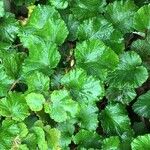
Source: leafsnapRubus tricolor () is an evergreen prostrate shrub, native to southwestern China. Leaves are dark green above, pale green below, and stems have red bristles. It has white flowers in summer and edible red fruit. It grows approximately 0.3 m (0.98 ft) high and usually forming a vigorously spreading, dense mat. In cultivation, it is mainly used as groundcover. Common names include Chinese bramble, groundcover bramble, creeping bramble, Korean raspberry, Himalayan bramble, and groundcover raspberry. In Chinese, it is called 三色莓 ("sān sè méi").
Care Guide
💧 Water
Once your Chinese bramble is established, it requires minimal care. It needs about 1 inch (2.5 cm) of water each week. If you are growing the plant in a container, adjust the watering according to the soil conditions. Water the plant thoroughly when the top layer of soil feels dry, and ensure the soil remains well-drained.
☀️ Light Partial sun
Chinese bramble is native to habitats like forest understories and rocky sites, where it grows in natural shade. It prefers partial sun but can tolerate full sun or full shade, showing its versatile and hardy nature.
What are the sunlight requirements for Chinese bramble (Rubus tricolor)?
Chinese bramble (Rubus tricolor) thrives in various sunlight conditions. For full sun exposure, it requires above 6 hours of sunlight daily, which is ideal for its optimal growth. For partial sun exposure, around 3-6 hours of sunlight daily is adequate. It's important to observe the way sunlight moves through your garden throughout the day to find spots that offer the right balance of light and shade. This careful placement ensures your Chinese bramble plants are happy and healthy by providing them with their ideal sunlight conditions.
🌡️ Temperature 10–35°C
The Chinese bramble is highly adaptable to a wide variety of climatic conditions, whether facing hot summers or cold winters. It still has a preferred temperature range for healthy growth. When temperatures climb too high, the plant can experience stress from heat and humidity, which may kill it. In areas where temperatures near the lower limit of its cold tolerance, providing insulation to protect the plant is important.
What is the Chinese bramble?
The Chinese bramble, also known by its botanical name Rubus tricolor, is a plant species. Unfortunately, additional details such as its essentials and symptoms are not provided in the available information.
💨 Humidity
🪴 Soil 6-7
🌱 Fertilizer
Getting the timing right is important for fertilizing Chinese bramble. Start fertilizing in early spring and continue once a month until early summer. Fertilizer promotes attractive blooms and supplies energy during both dormancy and periods of active growth.
🪴 Pot & Repot
✂️ Pruning
The Chinese bramble grows quickly and covers the ground effectively. To encourage new growth and improve air circulation, prune it in early spring. Thin out any dense patches and trim the trailing stems to maintain its shape. Regular pruning helps prevent diseases and promotes blooming, so always use sterilized tools to ensure clean cuts.
🌿 Propagating
🐛 Diseases & pets
☠️ Toxicity
Characteristics
- Plant Type
- Shrub, Vine
- Life Cycle
- Perennial
- Genus
- Rubus
- Family
- Rosaceae
- Hardiness Zone
- 6-9
- Mature Height
- 49 cm
- Mature Spread
- 2.44 m
- Leaf Color
- White, Green
- Leaf Type
- Semi-evergreen
- Flower Color
- White
- Flower Size
- 2.03 cm to 3.05 cm
- Bloom Time
- Early summer, Mid summer
- Planting Time
- Spring, Summer, Autumn
- Harvest Time
- Late summer, Early fall
- Native Area
- China