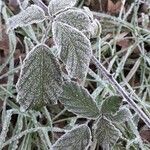
Rubus ulmifolius
تمشک، · تمشک برگ نارونی، · Elmleaf blackberry · Common Bramble · Elm-leaf blackberry
Description
Source: leafsnapRubus ulmifolius, commonly known as the elm-leaved blackberry, is a flowering plant in the rose family. Native to Europe and western Asia, it has been introduced to many other parts of the world. The plant typically grows in thickets or along forest edges, reaching heights of up to 3 meters. The leaves are deciduous with a distinctive elm-like shape and serrated edges. The flowers, which are white or pinkish with five petals, bloom from May to August. The fruit is a blackberry that ripens from July through September. Rubus ulmifolius has been used for medicinal purposes for centuries because of its high content of antioxidants, vitamins, minerals, and fiber. It has also served as a food source for both humans and wildlife. The plant thrives in moist soil conditions but can tolerate drought once established. It can be propagated through seeds or by rooting stem cuttings. Although Rubus ulmifolius can be invasive in some areas due to its ability to spread rapidly through underground rhizomes, it provides important habitat for wildlife, such as birds that feed on its fruit during migration periods. Overall, Rubus ulmifolius is significant both ecologically and culturally. Its medicinal properties and role as a food source have made it important for humans throughout history.
💡 The berries of the elmleaf blackberry are edible and similar to wild blackberries. You can use them to make jellies, desserts, or drinks. The dark fruit is also used to create a natural purple dye. Additionally, the berries are high in antioxidants and have shown fever-reducing benefits. Honey made from the nectar of the elmleaf blackberry exhibits similar health effects.
🌳 Elmleaf blackberry is more than a wild fruit producer; its dense thickets act as natural fencing and landscaping elements and are often used in ecological gardening and permaculture designs. Besides being an edible treat, they enhance the natural structure of public and private spaces, providing habitat for wildlife and a scenic green cover.
🎭 Jealousy
Care Guide
💧 Water Every 7 days
The Elmleaf blackberry thrives in temperate underbrush with moderate moisture conditions, needing watering only every three weeks. It is drought-tolerant and adapts well to cooler climates, effectively using natural rainfall. This makes it an ideal choice for growing outdoors in hedgerows and woodlands where regular precipitation occurs.
How do I water my Elmleaf blackberry plant in the most effective way?
To ensure excellent root development, consider placing a garden hose at the base of the plant. Avoid spraying the leaves directly and keep in mind that leaves may need more water if they are exposed to direct sunlight outdoors. A helpful approach is to use bubblers on each plant to moisten the roots, or use soaker hoses that can cover the entire garden or bed when planting or removing plants to encourage deep root growth. Make sure to drain any excess water and wait for the soil to dry before watering again. To prevent diseases, water at ground level rather than watering the leaves. On a sunny day, it can be beneficial to spray the entire bush with water. Whether your Elmleaf blackberry is in a pot or planted in the ground, remember that it prefers deep watering rather than light sprinkling.
What should I do if I give Elmleaf blackberries too much or too little water?
An overwatered Elmleaf blackberry will exhibit yellowing, dropping, and wilting of its leaves. In addition, the plant may appear dull and unhealthy, with mushy stems. When these signs begin to show, it is recommended to adjust your watering schedule. On the other hand, wilting can also be an indication of underwatering. Crispy and dry leaves suggest insufficient watering, while overwatered leaves will be soft and wilted. When the soil is dry and simple watering is not enough, provide a thorough watering in a timely manner. Sufficient water will help the Elmleaf blackberry recover, but the plant may still have dry and yellow leaves due to root damage for a few days. Once it returns to normal, the yellowing of the leaves will cease. When taking care of Elmleaf blackberries indoors, always check the moisture levels in the pot. Avoid overwatering and watch out for signs of black spots. If present, allow the soil in the pot to dry by refraining from watering for a few days. Overwatering can lead to root rot, so if you observe discolored and slimy roots, consider transferring the plant to a different pot. It is important to prevent root rot and avoid excessively soggy soil. When planting Elmleaf blackberries outdoors, ensure proper hydration by checking the soil with your fingers. If the soil feels too dry, it may indicate underwatering. Adequate watering is necessary for the plant's recovery.
How frequently should I water my Elmleaf blackberry?
The Elmleaf blackberry prefers deep and infrequent watering. If they are planted in pots, it is important to soak them in a gallon of water each time, as the soil can dry out quickly due to limited water storage in the pots. In colder regions, watering is needed every 3 to 5 days. It is best to water the plant early in the morning when the soil is dry, whether it is grown outdoors or indoors. To determine if watering is necessary, you can check the soil inside the pot. If the top 2-3 inches of soil is dry, it is time to give the plant a thorough watering. On hot days, the soil in the pot can dry out quickly, so it is advisable to check the moisture daily. If you have a garden, you will also need to irrigate the soil. In hot climates, watering once a week is sufficient, but only when you notice that the top 2-3 inches of soil are too dry. Be mindful of the amount of rainwater the plant receives to avoid overwatering and prevent root rot. If there is abundant rainfall, additional watering may not be necessary. Elmleaf blackberry plants typically grow during spring and fall. When grown outdoors, adding a layer of mulch about 3 to 4 inches deep can help conserve water. Sandy soil tends to drain faster and may require more frequent watering, while clay soil requires less frequent watering, possibly every 2-3 days, to avoid root rot. Keeping track of watering dates on a calendar can be helpful, and if you notice the leaves drooping, it may be a sign that watering is overdue.
How much water should I give my Elmleaf blackberry?
The Elmleaf blackberry typically requires about a gallon of water on a regular schedule. For potted plants, water them deeply until you see water dripping from the bottom of the pot. Then, allow the soil to dry before watering again. You can use a water calculator or moisture meter to determine how much water you've given the plant in a week. During the flowering period, provide plenty of water but allow the moisture to evaporate to prevent root rot. If the Elmleaf blackberry is planted outdoors and receives sufficient rainfall, additional watering may not be necessary. However, when the plant is young or newly planted, ensure it receives 1-2 inches of rain per week. As the Elmleaf blackberry matures, it can rely solely on rainfall for water. Only give it a full watering during cooler times of the day if there is excessive heat or no rainfall for 2-3 weeks to prevent damage. Additional watering will be needed in prolonged dry spells.
Should I water my Elmleaf blackberry more or less depending on the time of year or the weather?
The Elmleaf blackberry thrives outdoors and prefers rainwater, but can be watered during persistent dry weather. During the spring and fall, the soil should be kept moist but not soggy, alternating between dry and moist conditions. In the summer, hot weather can cause water to evaporate quickly, so extra watering may be necessary if there is a lack of rainfall. Less water is typically needed during the winter when the plant goes dormant. It is recommended to use well-draining soil and terracotta pots during this time to aid in evaporation. Once the plant begins to leaf out in the spring, watering can be skipped as the plant can rely on fall and winter rains to survive. Good drainage is important at all times, especially during the winter. When the plant is in a pot, it has limited root growth and should be kept well-watered, especially in the summer. Deep soaking the root system once or twice a week is preferable over shallow sprinkles that only reach the leaves. Avoid allowing the plants to dry out completely in the fall and winter, as this can harm them. Additionally, be careful not to overwater as the plants do not like sitting in water for extended periods. Applying mulch can help reduce stress, conserve water, and promote healthy blooms.
☀️ Light Full sun
The Elmleaf blackberry thrives in places with a generous amount of light, but it can also moderately adjust to environments with less light. This adaptation mirrors the high light levels in its natural habitat. Insufficient light could inhibit its growth, while too much might potentially damage the plant, highlighting the importance of maintaining a proper balance of sunlight exposure.
What are the sunlight requirements for Elmleaf blackberry?
Elmleaf blackberry, known botanically as Rubus ulmifolius, requires full sun exposure of above 6 hours of sunlight to thrive optimally. It can also tolerate partial sun conditions, which means about 3-6 hours of sunlight. It's crucial to observe how sunlight moves through your garden to ensure the plants receive a balance of light and shade for their health. Too much or too little light can affect the plant's growth, as ample light is essential for the plant's development, but excessive exposure can be detrimental.
Can Elmleaf blackberry grow with artificial lighting?
Yes, Elmleaf blackberry can grow under artificial lighting, which is beneficial when natural sunlight is insufficient, especially in winter or less sunny spaces. Indoor plants can achieve optimal growth with adequate artificial lighting. LED lights are recommended as they can be adjusted to provide the specific light wavelengths needed by the plants. The artificial light requirement varies based on the plant's natural sunlight needs: full sun plants need 30-50W/sq ft, partial sun 20-30W/sq ft, and full shade plants 10-20W/sq ft. The light source should be placed 12-36 inches above the plant, mimicking natural sunlight as closely as possible, with 8-12 hours of light per day being ideal.
What symptoms indicate Elmleaf blackberry is not getting enough light?
Elmleaf blackberry shows several symptoms when it lacks sufficient light, including small new leaves, leggy or sparse growth, faster leaf drop, slower or halted new growth, and leaves that are lighter in color or show irregular patterns. These symptoms reflect the plant's struggle to adapt to suboptimal lighting conditions, entering a survival mode to conserve resources, which ultimately affects its growth and health. Additionally, chlorosis, or the loss of green color in leaves, can occur, indicating a breakdown of chlorophyll, which is crucial for the plant's photosynthesis.
What are the effects of too much sunlight on Elmleaf blackberry?
Excessive sunlight exposure can harm Elmleaf blackberry, leading to symptoms such as sunscald, which appears as pale, bleached areas on the plant tissue; leaf curling as a defense mechanism to reduce surface area; wilting due to increased water loss; and leaf scorching, characterized by brown, crispy leaf edges. These symptoms reflect the stress and damage caused by intense sunlight exposure, potentially reducing the plant's overall health and ability to perform photosynthesis effectively.
How can I manage light exposure for Elmleaf blackberry?
Managing light exposure for Elmleaf blackberry involves gradually acclimating the plant to the desired level of sunlight, whether indoor or outdoor. For indoor plants, gradually move them to sunnier locations each week until they receive at least 6 hours of direct sunlight daily, utilizing south-facing windows for maximum exposure, and consider using artificial lights if the plant is large or immobile, ensuring at least 8 hours of light daily. Outdoor plants should also be moved gradually to prevent sunburn. Additionally, reducing obstructions such as pruning nearby trees to allow more sunlight through and transplanting smaller plants during their dormant period to sunnier locations with good drainage can improve light access.
🌡️ Temperature 5–32.2°C
The Elmleaf blackberry is indigenous to climates featuring moderate temperatures, best ranging from 41 to 90 °F (5 to 32 ℃). Colder winter seasons may stimulate flowering, however, you should avoid subjecting Elmleaf blackberry to frozen conditions. Regulate the watering in accordance with shifts in temperature.
What is the ideal temperature range for Elmleaf blackberry?
Elmleaf blackberry thrives best in moderate temperature environments, with an ideal range between 41 to 90 °F (5 to 32 °C). Cooler winters can help encourage blooming, but it's important to avoid exposing the plant to freezing conditions. As temperatures change, it's necessary to adjust watering accordingly. Despite being highly cold-tolerant and not requiring additional frost protection during winter, it is advisable to water the plant generously before the first freeze in autumn to keep the soil moist and prevent drought during winter and early spring.
How does Elmleaf blackberry react to low temperatures?
Elmleaf blackberry is extremely cold-tolerant and can withstand winter temperatures above -30°C. However, if temperatures fall below this threshold, you may not notice any immediate changes during the winter, but come spring, the branches might become brittle and dry, and no new shoots will emerge. To manage this, you should prune away any dead branches in the spring that have not produced new leaves.
What should be done if Elmleaf blackberry is exposed to high temperatures?
Elmleaf blackberry is not tolerant of high temperatures. Exposure to temperatures above 32°C can cause significant leaf drop and, in severe cases, the entire plant might wither and die. To help the plant recover from such conditions, you should trim away sunburned and dried-up parts and possibly move the plant to a location that offers shade during the midday and afternoon sun. Additionally, using a shade cloth can be beneficial. Ensure the soil remains moist by watering the plant in the morning and evening.
💨 Humidity normal (40-60%)
This plant will thrive in moderate humidity, which is probably the level in your home. However, misting it a few times a week can be very beneficial. Make sure the room has good ventilation.
🪴 Soil 6-7
🌱 Fertilizer
The Elmleaf blackberry plant necessitates adequate nutrients for the best fruit yield. Apply fertilizer in the initial phase of spring for fresh growth and flowering. Consistent fertilization assists the plant in staying robust, cultivating tastier fruit, and avoiding nutrient scarcity problems such as yellowing leaves and subpar fruit yield.
🪴 Pot & Repot Every 12 months
✂️ Pruning
To help the Elmleaf blackberry thrive, begin by pruning in early spring. Remove any weak canes to encourage growth and increase fruit yield. After the harvest, cut the flowering canes down to ground level and thin out any overcrowded stems to improve air circulation. Proper pruning not only enhances vigor and productivity but also requires the use of safety gear due to the presence of thorns.
🌿 Propagating
🐛 Diseases & pets
☠️ Toxicity
Blackberry leaves are edible and are sometimes dried for use as a tea ingredient.
Characteristics
- Plant Type
- Vine, Shrub
- Life Cycle
- Perennial
- Genus
- Rubus
- Family
- Rosaceae
- Hardiness Zone
- 4-7
- Mature Height
- 3.05 m to 4.88 m
- Mature Spread
- 2.44 m to 3.05 m
- Leaf Color
- Green, Yellow, White
- Leaf Type
- Deciduous
- Flower Color
- Pink, White
- Flower Size
- 0.51 cm to 1.27 cm
- Bloom Time
- Late spring, Early summer, Mid summer
- Planting Time
- Spring, Summer, Autumn
- Harvest Time
- Mid summer
- Native Area
- Libya, Egypt, Turkey, Tunisia, Croatia, Slovenia, Morocco, Lebanon, Germany, Italy, Spain, Switzerland, Netherlands, France, Ireland, United Kingdom, Algeria, Belgium, Portugal