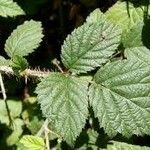
Rubus ursinus
Trailing blackberry · Pacific blackberry · Pacific dewberry · Douglas-berry · California blackberry
Description
Source: leafsnapRubus ursinus, commonly known as the California blackberry or Pacific blackberry, is a species of flowering plant in the rose family. Native to western North America, it can be found from British Columbia to California. This plant typically forms dense thickets and can grow up to 3 meters tall. The leaves of Rubus ursinus are dark green with a rough texture and serrated edges. Its flowers, which bloom from late spring to early summer, are white or pinkish-white and have five petals. The plant produces juicy blackberries that ripen in late summer. Rubus ursinus prefers moist soil but can tolerate drought once established. It thrives best in full sun but can also endure partial shade. Indigenous peoples have used this plant for medicinal purposes for centuries, such as treating inflammation and diarrhea. Ecologically, Rubus ursinus is significant as it provides food for wildlife, including birds, bears, deer, and small mammals. It also serves as a habitat for various insects, such as bees, which pollinate its flowers.
🌳 Although not widely recognized, the california blackberry is essential to native ecosystems. Its dense thickets offer shelter and nesting spots for birds, while its berries are an important food for many wild animals, increasing local biodiversity and supporting ecological stability.
🎭 Recovery, Funds, Safeguarding.
Care Guide
💧 Water Every 7 days
California blackberry, which originates from regions with varying moisture levels, is moderately drought-tolerant. While it thrives in temperate climates, it prefers consistent soil moisture and typically requires watering every 1-2 weeks. To maximize its lush, fruit-bearing potential, it's important to ensure careful hydration during its active growth season.
What's the best way to water my California blackberry plant?
To ensure excellent root development for your plants, there are a few things you can do. First, place a garden hose at the base of the plant instead of directly spraying the leaves. If your plants are outdoors in direct sunlight, the leaves may need more watering. One option is to use bubblers that can be attached to each plant to keep the roots moist. Another option is to use soaker hoses that cover the entire garden or bed, especially when adding or removing plants, as this helps the roots grow deep. Make sure to drain any excess water and allow the soil to dry before watering again. When watering, it's best to water at ground level to prevent diseases. On a sunny day, you can consider spraying the entire bush with water. Whether your plants are potted or in-ground, keep in mind that California blackberries prefer deep watering rather than light sprinkling.
What should I do if I give too much or too little water to my California blackberry?
An overwatered California blackberry may exhibit several signs of distress. The leaves may turn yellow, wilt, and eventually drop off. The plant's overall appearance may also become dull and unhealthy, possibly displaying mushy stems. It is important to adjust your watering schedule when these signs begin to appear. However, wilting can also be a sign of under watering. In this case, the leaves may become crispy and dry. To address this issue, check the soil for dryness and provide a thorough watering when necessary. Sufficient water will help the California blackberry recover, but keep in mind that the plant may still have dryness and yellow leaves for a few days due to damage to the root system. Once the plant returns to normal, the yellowing of leaves will cease. When caring for a California blackberry indoors, always monitor moisture levels and avoid overwatering. Black spots on the leaves may indicate a need for the soil to dry out in the pot, so refrain from watering for a few days. Overwatering can lead to root rot, so it's crucial to prevent this by not allowing the soil to become overly saturated. If root rot is present, consider moving the plant to a different pot, especially if you notice discolored and slimy roots. When planting your California blackberry outside, make sure to dig a little deeper. If the soil feels excessively dry when you check with your fingers, it may indicate under watering. Adequate watering is necessary to help the plant recover in this scenario.
How many times should I water my California blackberry?
The California blackberry prefers deep and infrequent watering. It is best to soak them with a gallon of water, especially if they are in pots. Potted plants can dry out quickly due to their limited water storage. In colder regions, watering is needed every 3 to 5 days. Water the plant early in the morning when the soil is dry, whether it is indoors or outdoors. To determine if watering is necessary, check the soil inside the pot. If the top 2-3 inches of soil are dry, it's time to water the plant fully. During hot days, check the moisture daily, as the heat can quickly dry out the soil in the pot. For garden plants, irrigation of the soil is necessary. In hot climates, watering once a week is recommended. Only water when you notice that about 2 to 3 inches of soil have become too dry, both indoors and outdoors. Take into consideration the amount of rainfall and avoid overwatering to prevent root rot. If there is sufficient rainfall, additional watering may not be needed. California blackberries generally grow during spring and fall. When they are planted outdoors, it is beneficial to add mulch about 3 to 4 inches deep to retain more water. Sandy soil needs more frequent watering as it drains faster, while clay soil requires less frequent watering to avoid root rot, allowing the plant to dry for 2-3 days. Keep track of your watering schedule by marking it on the calendar and pay attention to drooping leaves, which could indicate a need for water.
How much water should I give my California blackberry plant?
The California blackberry generally needs about a gallon of water on a regular schedule. For potted plants, water them deeply until you see water dripping from the bottom of the pot. Then, wait for the soil to dry before watering again. You can use a water calculator or moisture meter to determine the amount of water you've given the plant in a week. During the flowering period, provide plenty of water but allow the moisture to evaporate afterward to prevent root rot. If the California blackberry is planted outdoors and receives sufficient rainfall, additional watering may not be necessary. However, when the plant is young or newly planted, ensure it receives 1-2 inches of rain per week. As the California blackberry grows, it can rely solely on rainfall. Only during extremely hot weather or a lack of rainfall for 2-3 weeks should you consider fully watering the plant during cooler parts of the day to prevent heat damage. Additional watering will be needed during extended dry periods.
Do I need to change how often I water my California blackberry depending on the time of year or the weather?
The California blackberry requires outdoor conditions with rain, but can be watered during dry weather. During spring and fall, the soil should be kept moist but not soggy, with alternating dry and moist soil conditions being ideal. In the summer, hot weather can cause water to evaporate quickly, so more frequent watering is necessary if there is a lack of rainfall. In winter, the California blackberry needs less water as it goes dormant and drops its leaves. Using a well-draining but moisture-retentive soil mixture like terracotta can help with evaporation. Once the plant starts leafing out, watering can be skipped as it relies on fall and winter rains. Good drainage is crucial, especially during the winter. When planted in pots, the plant has limited root growth and should be well-watered, especially in summer. Deep soaking the entire root system once or twice a week is recommended instead of shallow sprinkles. Avoid allowing the California blackberry to dry out completely, even during dormancy. Proper drainage is essential to prevent waterlogged roots and potential winter damage. Applying mulch helps reduce stress, conserve water, and promote healthy blooms.
☀️ Light Full sun
The california blackberry does best in places where sunlight is unobstructed for most of the day. It can tolerate locations with somewhat reduced light, but fewer hours in the sun may impede its optimal health and growth. Both excessive and insufficient light can cause stunted growth and poor health. Its original habitat provides the light conditions it prefers.
What are the sunlight requirements for the California blackberry?
The California blackberry needs substantial sunlight during the day to thrive optimally. It prefers full sun, which means it should receive more than 6 hours of direct sunlight per day. However, it can also grow in partial sun, receiving about 3-6 hours of sunlight. It's crucial to observe the movement of sunlight in your garden to find the ideal balance of light and shade, ensuring your plants are happy and healthy.
How do artificial lights support the growth of indoor California blackberry plants?
For indoor California blackberry plants or in situations where there is insufficient natural sunlight, artificial lighting can be a critical solution. Using the right type of artificial light, such as LED lights, can promote faster and healthier growth by providing the specific wavelengths of light that plants need. The requirements vary by the amount of light needed: full sun plants need 30-50W/sq ft, partial sun plants 20-30W/sq ft, and full shade plants 10-20W/sq ft. Additionally, the light source should be placed 12-36 inches above the plant to mimic natural sunlight effectively, and plants usually require 8-12 hours of light per day, depending on the species.
What are the signs of insufficient or excessive sunlight in California blackberry plants?
California blackberry plants exhibit several symptoms when they receive insufficient or excessive sunlight. Signs of inadequate light include small leaves, leggy or sparse growth, accelerated leaf dropping, slower or stopped growth, and lighter-colored or chlorotic leaves indicating a lack of chlorophyll. Excessive sunlight exposure symptoms include chlorosis, sunscald, leaf curling, wilting, and leaf scorching. These signs reflect the plant's struggle with inappropriate light levels, affecting its health and growth.
What solutions are available for managing light exposure for California blackberry plants?
To manage light exposure for California blackberry plants, gradual relocation to sunnier spots can be beneficial, ensuring they receive at least 6 hours of direct sunlight daily. For indoor plants or those not easily moved, artificial lighting such as desk lamps or professional grow lights can supplement sunlight for at least 8 hours daily. Outdoors, moving plants gradually to prevent sunburn and choosing spots with better sunlight can help. If obstructions block sunlight, consider pruning or transplanting to a location with more sunlight and good drainage. Remember, though, that parts of the plant damaged by insufficient light may not recover, but new growth will be healthier with improved light conditions.
🌡️ Temperature 10–37.8°C
The california blackberry prefers a temperature range of 50 to 100 ℉ (10 to 38 ℃) and is found in its native growth environment within California's temperate climate. It adapts well to temperature changes across the seasons and doesn't require significant adjustments.
What temperature conditions are ideal for the California blackberry?
The California blackberry thrives in a temperature range of 50 to 100°F (10 to 38°C), adjusting well to temperature changes throughout the seasons without requiring significant adjustments. It is native to California's temperate climate and exhibits strong cold resistance, generally not needing special frost protection measures during winter. However, in winter temperatures dropping below -25°C, cold protection by wrapping the trunk and branches with materials like non-woven fabric or cloth is recommended. Additionally, watering the plant abundantly before the first freeze in autumn helps keep the soil moist, preventing drought and water scarcity during winter and early spring.
How should you care for a California blackberry during low temperatures?
California blackberry is cold-tolerant and performs best when temperatures remain above 10°C. It should be protected when winter temperatures are expected to fall below -15°C. Although it may not show noticeable changes when temperatures drop below -25°C in winter, the branches can become brittle and dry by springtime, preventing new shoots from emerging. To address this, prune away any dead branches in spring that have failed to produce new leaves.
What are the signs and solutions for a California blackberry exposed to high temperatures?
During summer, it's best to keep the California blackberry below 38°C to avoid heat stress. Exposure to temperatures above 43°C can result in the leaves lightening in color, tips becoming dry and withered, and an increased risk of sunburn. To mitigate damage from high temperatures, trim away sunburned and dried-up parts of the plant. Moving the plant to a shaded area or using a shade cloth can protect it from midday and afternoon sun. Additionally, watering the plant in the morning and evening helps maintain soil moisture.
💨 Humidity
🪴 Soil 6-6
🌱 Fertilizer
Fertilize your California blackberry in early spring to encourage healthy growth. Regular feeding improves overall health, leading to vigorous growth, increased tolerance of harsh conditions, and enhanced resistance to pests and diseases. Keep a consistent fertilization schedule for your California blackberry to preserve vibrant, deep-colored foliage and a lush appearance.
Why should I put fertilizer on my California blackberry?
No matter the type of California blackberry you have, regular fertilization is essential for promoting its overall health. Providing the right nutrients helps the plant grow stronger and become more resistant to challenging growing conditions, diseases, and pests. Preserving the attractive foliage of your California blackberry is also crucial. To achieve this, it is important to establish and stick to a fertilization schedule that caters specifically to your blackberry variety. By doing so, your California blackberry will develop vibrant, lush leaves with a deep color.
What is the best time to put fertilizer on my California blackberry plant?
To ensure healthy growth, the first time to fertilize your California blackberry is in late winter or early spring. This provides the necessary nutrients when the weather becomes warmer. Additionally, if you live in a warm climate region, it is beneficial to give an extra fertilizer feeding in early fall. This not only adds nutrients for the upcoming growing season but also helps the blackberry plant tolerate the winter cold without damaging its foliage. Fertilizing earlier will also allow the new branches to strengthen and withstand the chilly winter.
When shouldn't I add fertilizer to my California blackberry?
There are a few times when you should avoid fertilizing your California blackberry. The first is during the early and mid-winter when the plant is dormant and does not require any feeding. It is also not recommended to fertilize during the late spring and summer when the weather is hot and dry. Fertilizing during this time can have a negative impact on the plant. To prevent any problems, it is advisable to stick to a fertilization schedule that only includes feeding in early spring and early fall.
Which fertilizer should I use for my California blackberry plant?
Nitrogen is the most important nutrient for California blackberries, but that doesn't mean phosphorus and potassium are not important. In fact, your blackberry plant needs all three nutrients in decent amounts, which is why a balanced fertilizer like 10-10-10 can be effective. However, a more specific nutrient ratio often leads to optimal growth. Blackberries tend to benefit from higher levels of nitrogen, so a ratio like 10-6-4 can be beneficial. When fertilizing, you have the option of using granular or liquid-based fertilizers.
How can I give my California blackberry plant the nutrients it needs to grow?
To fertilize your California blackberry, you have two options: granular fertilizer or liquid fertilizer. If using granular fertilizer, simply sprinkle it on the soil at the appropriate time. This type of fertilizer releases nutrients slowly over time, so it's effective for long-term nourishment. Before applying the fertilizer, it's recommended to lightly water your blackberry. Alternatively, you can use liquid fertilizer, although this is less common. To do this, mix the fertilizer with water and pour it onto the soil around the base of your blackberry plant. In some cases, it may be beneficial to perform a soil test before fertilizing. This will help determine if any adjustments need to be made to the soil's pH levels.
🪴 Pot & Repot Every 12 months
✂️ Pruning
Pruning California blackberry plants in early spring is essential for promoting healthy growth. Remove dead canes and those that produced fruit the previous year to encourage the development of new shoots. Regular thinning improves air circulation, reduces the risk of disease, and can increase fruit production. This aligns with the growth cycle of California blackberries for optimal results.
🌿 Propagating
🐛 Diseases & pets
☠️ Toxicity
Pacific blackberries are safe for consumption.
Characteristics
- Plant Type
- Shrub
- Life Cycle
- Perennial
- Genus
- Rubus
- Family
- Rosaceae
- Hardiness Zone
- 6-11
- Mature Height
- 0.61 m to 1.52 m
- Mature Spread
- 4.57 m
- Leaf Color
- Green
- Leaf Type
- Deciduous
- Flower Color
- White
- Flower Size
- 2.54 cm
- Bloom Time
- Late spring, Early summer
- Planting Time
- Autumn
- Harvest Time
- Mid summer
- Native Area
- North America