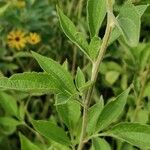
Rudbeckia subtomentosa
Sweet coneflower
Description
Source: leafsnapRudbeckia subtomentosa, the sweet coneflower, is a flowering plant in the family Asteraceae and is found in the central United States.
🌳 Sweet Coneflower is more than just pleasing to the eye; it is also an important ally for pollinators. Gardeners frequently plant sweet Coneflower to provide a welcoming habitat for beneficial insects such as bees and butterflies, thereby supporting local ecosystems. In addition, these plants are used to form natural borders and enhance the visual appeal of home gardens, demonstrating their versatility beyond mere ornamentation.
Care Guide
💧 Water Every 7 days
Sweet Coneflower thrives in moist meadows and light woodlands, where it prefers consistent hydration but can tolerate short droughts thanks to its robust root system. Watering it weekly helps maintain its vitality. To aid in moisture retention, applying mulch outdoors can reduce the need for frequent watering, while also supporting lush foliage and vibrant blooms.
How should I water my Sweet Coneflower?
To ensure the health of the Sweet Coneflower, it is recommended to water it with filtered water at room temperature. Tap water may contain harmful particles, so filtered water is a better choice. Since the Sweet Coneflower is native to warm environments, it is important to avoid using cold water as it can shock the plant. Additionally, overhead watering should be avoided as it can cause problems with the foliage. Instead, it is best to water the plant by applying filtered room temperature water directly to the soil until it is fully soaked. This helps to moisten the roots and allows them to spread through the soil and absorb the nutrients they need.
What should I do if I give my Sweet Coneflower too much or too little water?
Overwatering is a more common issue than underwatering for Sweet Coneflowers. When overwatered, the stems and leaves may wilt and turn yellow. Overwatering for a long time can lead to diseases like root rot, mold, and mildew that could kill the plant. On the other hand, underwatering is less common due to the plant's drought tolerance, but it can still happen, causing brittle and brown leaves. It's important to notice signs of overwatering early because some diseases like root rot can't be fixed if left too long. If you see these signs, reduce watering and check if the soil drains well. If it doesn't, replace it with a loose, well-draining potting mix. If the signs indicate underwatering, water the plant regularly until the signs go away.
How often do I need to water my Sweet Coneflower?
If your Sweet Coneflower is planted in a pot, the most accurate way to determine if it needs watering is to check the soil by sticking your finger into it. If the top two to three inches of soil feel dry, it's time to water. If your Sweet Coneflower is planted outdoors in the ground, you can use a similar method to test the soil. Once the top few inches of soil have dried out, it's time to give it some water. Typically, you'll need to water this plant about once a week during spring and early fall using this method. However, during extremely hot weather, you may need to increase the watering frequency to about twice a week or more. It's worth noting that mature, well-established Sweet Coneflowers can tolerate drought conditions well.
How much water does my Sweet Coneflower require?
To properly water your Sweet Coneflower, don't be afraid to give it a generous amount. Make sure the top few inches of soil are dry before watering, and then thoroughly soak the soil. The water should be enough to flow out of the drainage holes in the pot. If the excess water doesn't drain, you may not have given enough water. However, be careful not to let water build up in the soil, as this can harm the plant. Additionally, if water doesn't drain easily from the pot, it could indicate a problem with the soil's drainage, which is not good for the plant. If the plant is outside, about 1 inch of rain per week should be adequate.
How should I water my Sweet Coneflower as it grows?
The water needs of the Sweet Coneflower can vary depending on its growth stages. When the plant is in its early years or has just been transplanted, it requires more water than usual. During these stages, the Sweet Coneflower focuses on developing new roots, which need additional moisture to support future growth. However, as the plant matures over a few seasons, it will require less water. Another growth stage that may require increased watering is during the bloom period. Flower development consumes a significant amount of moisture, so additional watering may be necessary during this time.
☀️ Light Full sun
Sweet Coneflower does best in settings with strong daily sunlight. It can tolerate periods of reduced light. However, prolonged lack of light may stunt its growth and result in poorly formed flowers. Native to places with abundant sunshine, this plant clearly prefers a sunlit habitat.
What kind of sunlight does Sweet Coneflower need?
Sweet Coneflower requires at least six hours of full sun per day to maintain its leaves, roots, and blooms in a healthy state. Similarly, Orange Daylily and Giant Coreopsis are other perennial plants that can survive on as little as three hours of direct sunlight each day. However, it's important to note that these plants will not flourish as well as they would in sunnier conditions.
Can sunlight harm Sweet Coneflower? How can Sweet Coneflower be shielded from the sun and heat damage?
In warm climates, some Perennial Flowering Plants may struggle with excessive heat and suffer from sun damage. They can wilt, dry out, or even experience growth problems if they are consistently exposed to the intense afternoon sun. However, not all plants require protection from the light afternoon sun. For those that are harmed by intense afternoon exposure, it is recommended to provide them with some shade in warmer climates. Gardeners can achieve this by planting these plants in areas that do not receive direct heat during the afternoon, such as under trees or behind bushes.
Should I make sure Sweet Coneflower doesn't get too much sun?
Certain perennial plants require ample sunlight to reach their maximum bloom. However, in warmer climates, some of these plants actually benefit from less sun. For instance, individuals residing in hotter regions might find it beneficial to shade their flowering perennials during the intense afternoon sun, especially during summer months. Although many perennial flowering plants prefer partial shade in the hottest climates, there are exceptions. Take the Giant Coreopsis, for example, as it is not bothered by excessive sun exposure. These plants can flourish even when placed in the full sun during scorching weather.
If Sweet Coneflower doesn't get enough sunlight, what will happen?
If your Sweet Coneflower plants aren't getting enough sunlight, you'll see signs that they're not getting what they need. In general, plants won't produce as many blooms without full sun exposure. Some plants may have dry spots on their leaves, but they can still bloom with inadequate sun. However, these blooms will be smaller and less full.
Does Sweet Coneflower require specific sunlight care at different stages of growth?
Sweet Coneflower is a fantastic flower for gardens, and it blooms best when it receives at least six hours of sunlight each day. However, it's important to note that sometimes, flowers last longer if they're partially shaded during the hottest parts of the day. When Sweet Coneflower is still young, gardeners should make sure these plants receive ample sunlight but are protected from intense afternoon heat. On the other hand, if you have a fully mature plant, make sure to give it plenty of sun to support its growth effectively.
🌡️ Temperature 5–35°C
Sweet Coneflower is a plant native to areas that experience seasonal temperature shifts and prefers a temperature range of 41 to 95 °F (5 to 35 ℃). It is important to adjust its environment as the seasons change to replicate its natural growing conditions.
What are the essential growing conditions for Sweet Coneflower?
Sweet Coneflower thrives in environments that experience seasonal temperature variations, preferring temperatures between 41 to 95 °F (5 to 35 °C). To simulate its native conditions, it's crucial to adapt the plant's surroundings with the changing seasons. Despite its strong resistance to cold, where winter temperatures drop below -30°C, protective measures should be taken, such as covering the plant with soil or straw. It's also advised to water the plant abundantly before the first freeze of autumn to ensure the soil remains moist, which helps prevent drought and water scarcity during the winter and early spring.
How does Sweet Coneflower react to low temperatures, and what are the solutions?
Sweet Coneflower is highly cold-tolerant and performs best when the temperature stays above 5°C. However, during winters, it's suggested to keep temperatures above -25°C. If temperatures plunge below -30°C, while there might not be noticeable changes during the winter, a decline in sprouting, or complete lack of it, might occur in spring. The solution for this issue is to remove any parts of the plant that fail to sprout in the spring.
What should be done when Sweet Coneflower is exposed to high temperatures?
During the summer months, it's ideal to keep Sweet Coneflower below 35°C to avoid stress from high temperatures. When the temperature exceeds 38°C, the plant's leaves may lighten in color, become prone to curling, susceptible to sunburn, and the whole plant could potentially wilt and dry up. To mitigate these effects, it's recommended to trim away sunburned and dried parts. Moving the plant to a shady location during the midday and afternoon or covering it with a shade cloth can offer protection. Ensuring the plant is watered in the morning and evening will help keep the soil moist and alleviate stress from high temperatures.
💨 Humidity
🪴 Soil 6-7
🌱 Fertilizer
The best time to fertilize a Sweet Coneflower is in early spring, as it emerges from dormancy and starts active growth. Fertilization supplies essential nutrients for healthy development. Although Sweet Coneflower has relatively low fertilizer requirements, an annual application can improve its survival and encourage better, longer-lasting blooms.
Why should I put fertilizer on my Sweet Coneflower?
Fertilization is important for the Sweet Coneflower because it provides essential nutrients for the plant's growth. Although the Sweet Coneflower has low overall fertilization needs and can sometimes survive without it, annual fertilization is highly beneficial. It helps the plant stay healthy, promotes the growth of better and longer-lasting flowers, and improves the plant's overall appearance. Therefore, those who want their Sweet Coneflower to thrive should regularly fertilize it.
When should I fertilize my Sweet Coneflower for the best results?
The best time to fertilize a Sweet Coneflower is in late winter to early spring when it is coming out of its dormant phase and starting to grow actively. Fertilizing at this time promotes healthy growth and helps the plant start the season off well. While spring is generally the most advantageous time to fertilize, it is also acceptable to fertilize in the fall. However, it is not recommended to feed the Sweet Coneflower during summer or winter.
When is it not a good idea to put fertilizer on my Sweet Coneflower?
To avoid overfertilization and its complications, it is best to only fertilize your Sweet Coneflower in late winter and early spring. This plant has low fertilization needs and a single annual feeding is enough. Fertilizing during spring, summer, and fall should be avoided, with the exception of fall fertilization if you missed fertilizing in spring. During winter, when the plant is in a dormant phase with no new growth, fertilization is not recommended.
What kind of fertilizer does my Sweet Coneflower plant need?
The right kind of fertilizer is important for growing a healthy Sweet Coneflower. Generally, any fertilizer with a balanced amount of the three main plant nutrients will work well. However, there are specific nutrient blends that can be even better. Many gardeners suggest using a fertilizer with higher levels of phosphorus, as it can lead to stronger roots and better flowers. It doesn't matter if the fertilizer is in granular or liquid form, as long as it contains plenty of nutrients. Organic methods, like using compost and manure, can also help improve the soil for your Sweet Coneflower.
How can I add plant food to my Sweet Coneflower?
To fertilize a Sweet Coneflower, the most common method is to use granular or pellet fertilizer. It is important to fertilize when the plant is transitioning from its dormant phase to active growth, typically in early spring when shoots emerge from the soil. If you prefer, you can use liquid fertilizer instead of granular. However, make sure to dilute the liquid fertilizer with water before applying. Regardless of the type of fertilizer used, it is crucial to moisten the soil before, during, and after applying the fertilizer.
🪴 Pot & Repot
✂️ Pruning
Sweet Coneflower is a perennial plant known for its vibrant yellow blooms. To keep it thriving, it's beneficial to prune it annually between late winter and early spring. By cutting back spent stems and removing overcrowded foliage, you encourage new growth, improve air circulation, and maintain the plant's shape. This practice not only enhances flowering but also reduces the risk of disease.
🌿 Propagating
🐛 Diseases & pets
☠️ Toxicity
Characteristics
- Plant Type
- Herb
- Life Cycle
- Perennial
- Genus
- Rudbeckia
- Family
- Asteraceae
- Hardiness Zone
- 4-9
- Mature Height
- 0.91 m to 1.52 m
- Mature Spread
- 30 cm to 61 cm
- Leaf Color
- Green
- Leaf Type
- Evergreen, Deciduous
- Flower Color
- Gold
- Flower Size
- 2.54 cm to 7.62 cm
- Bloom Time
- Early summer, Mid summer
- Planting Time
- Spring
- Harvest Time
- Mid summer, Late summer