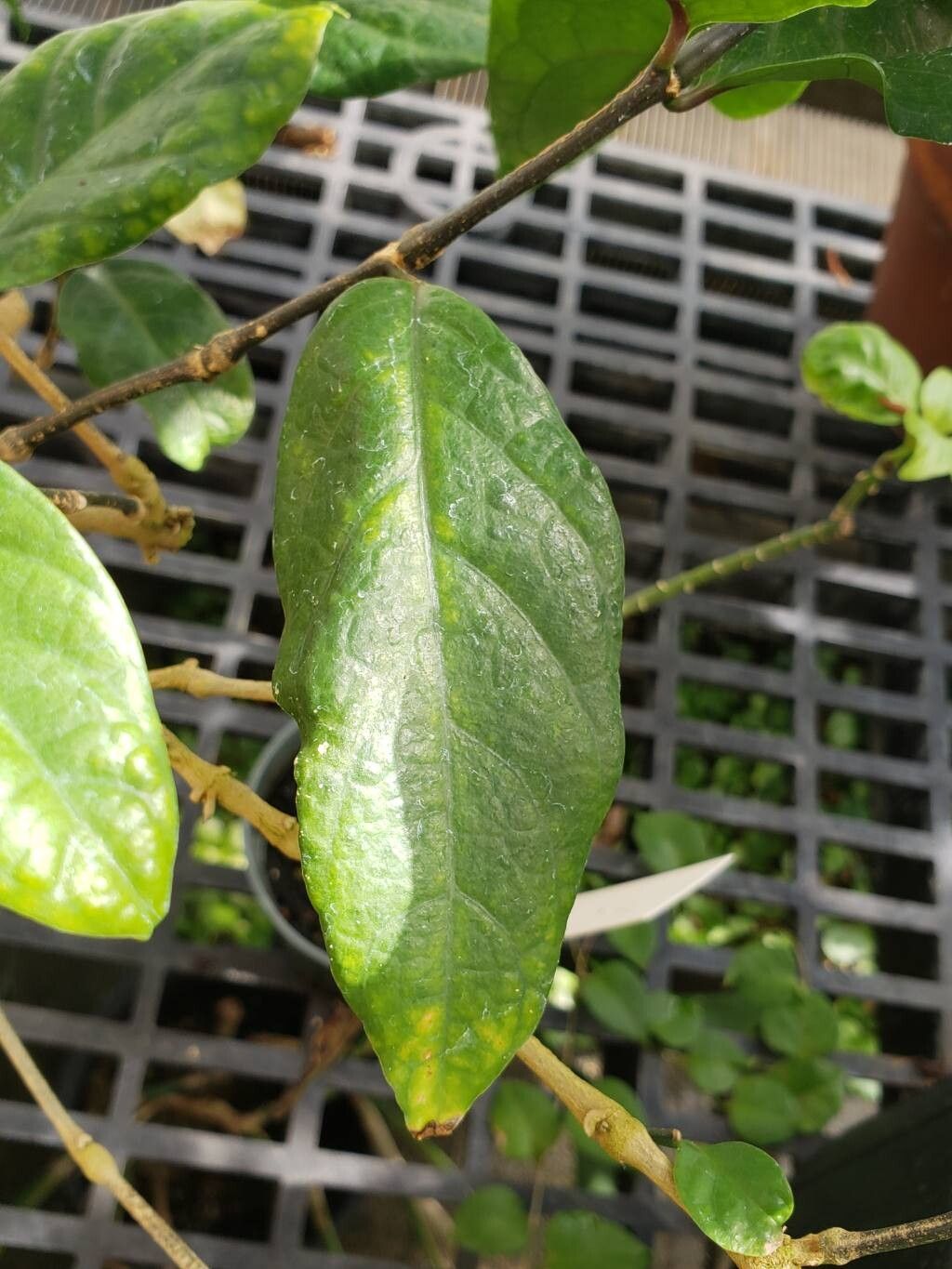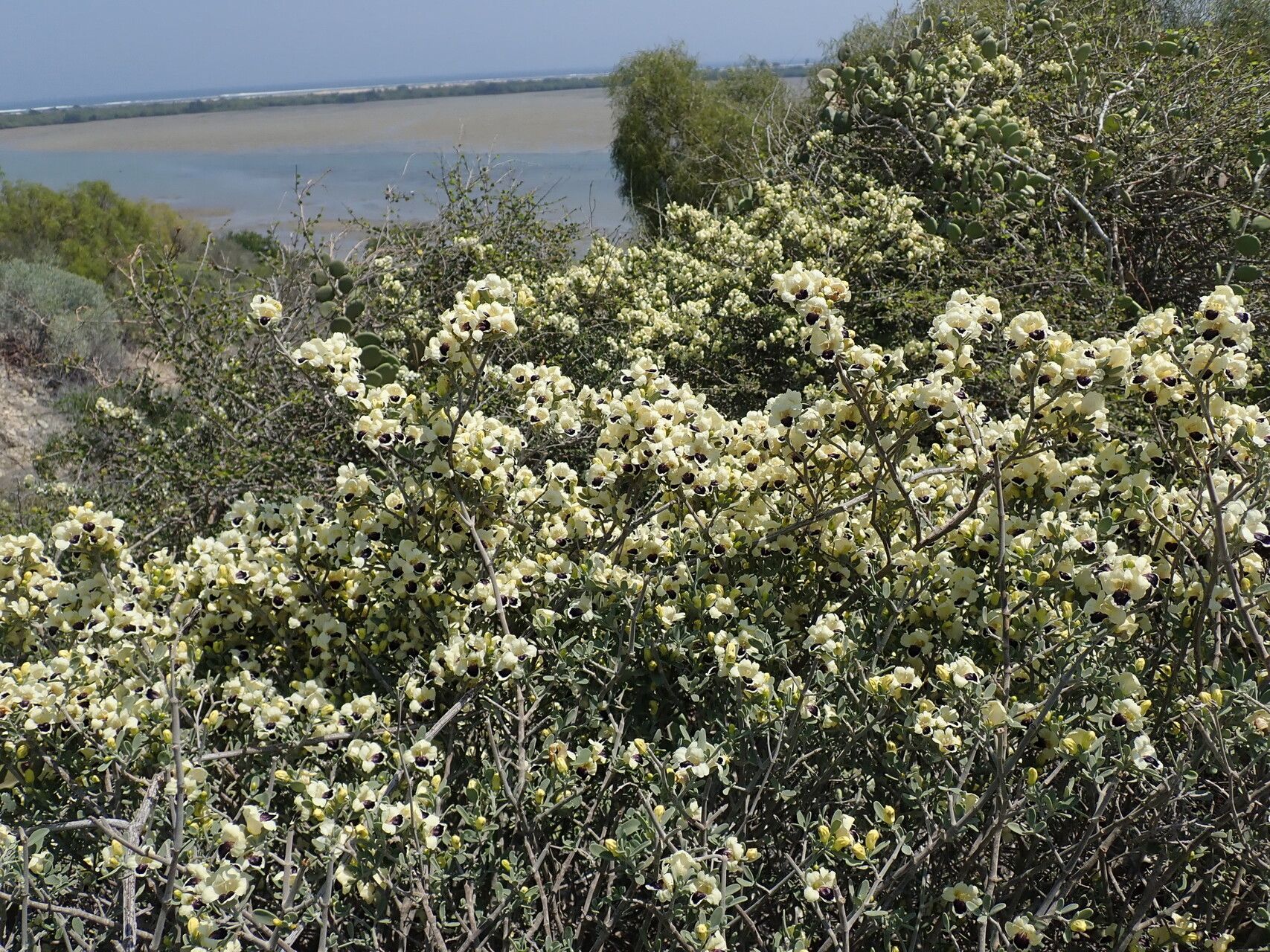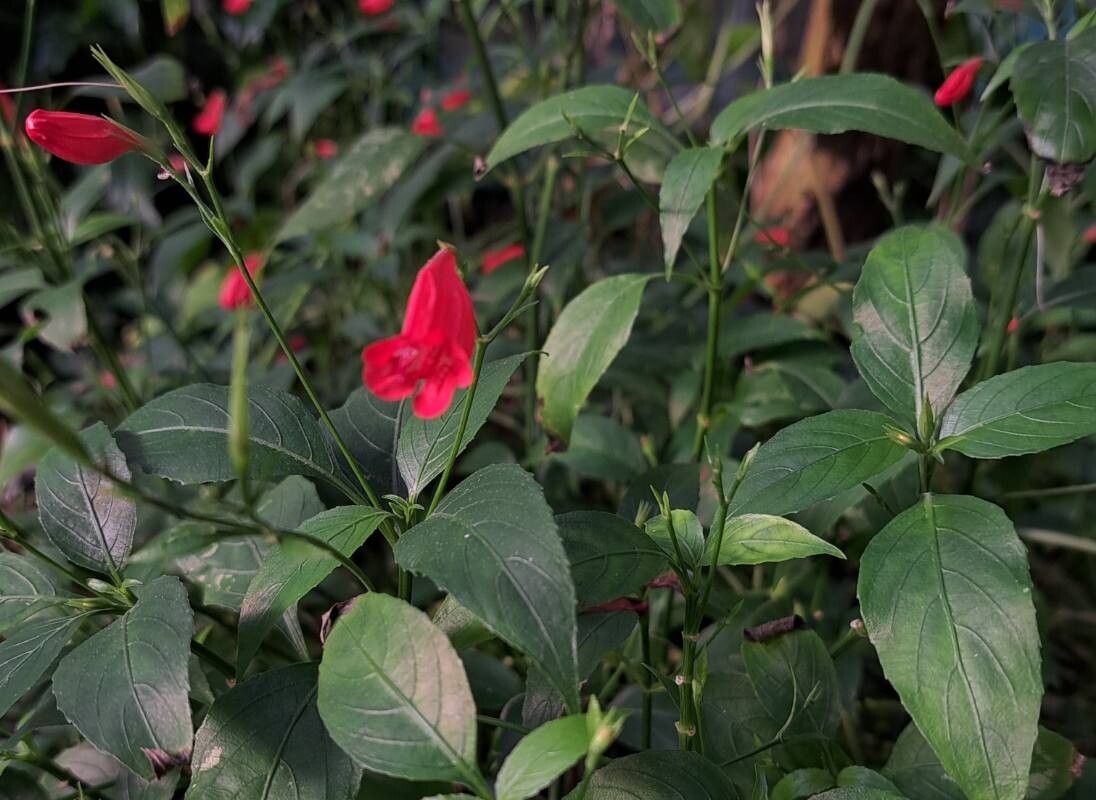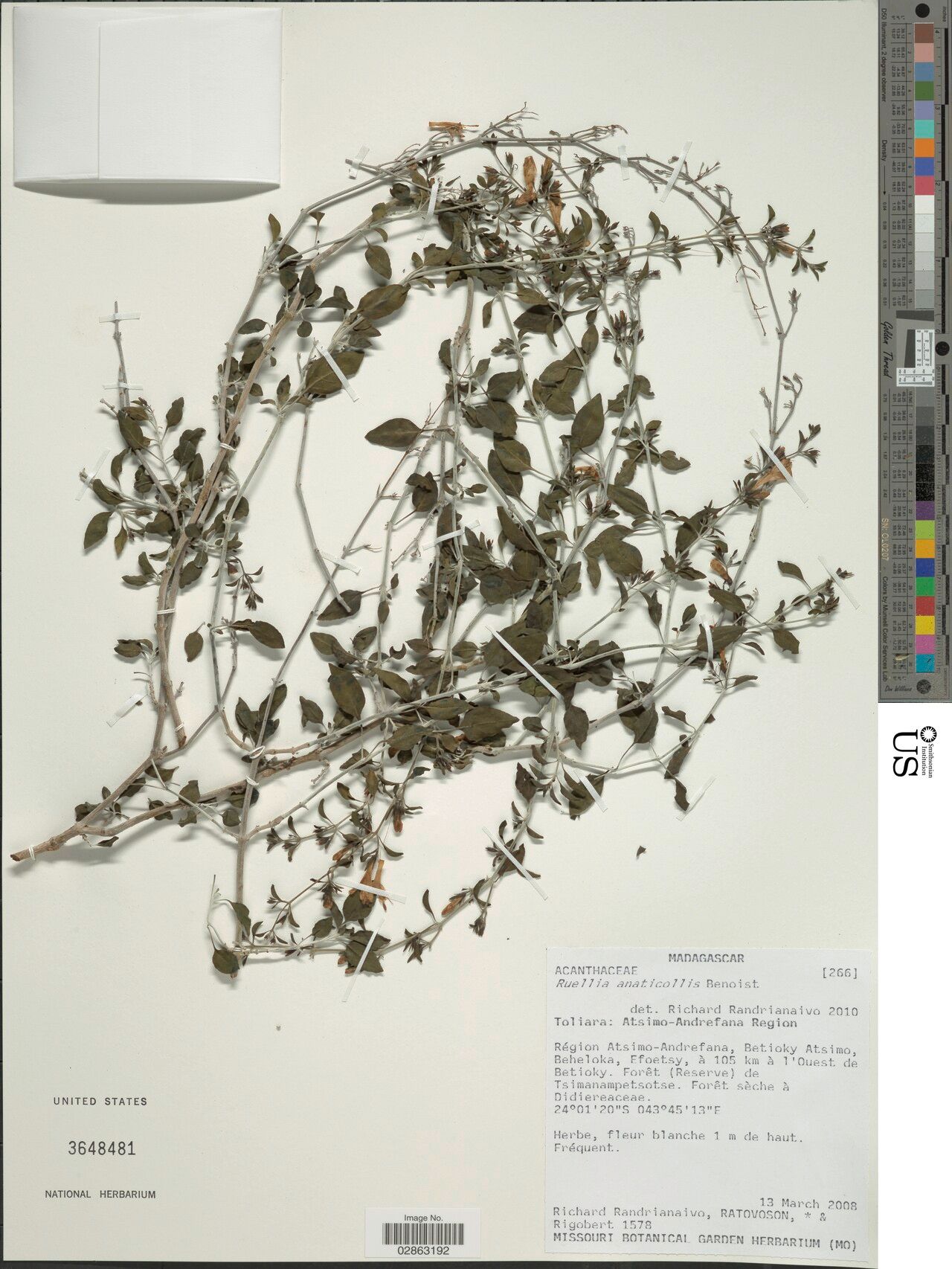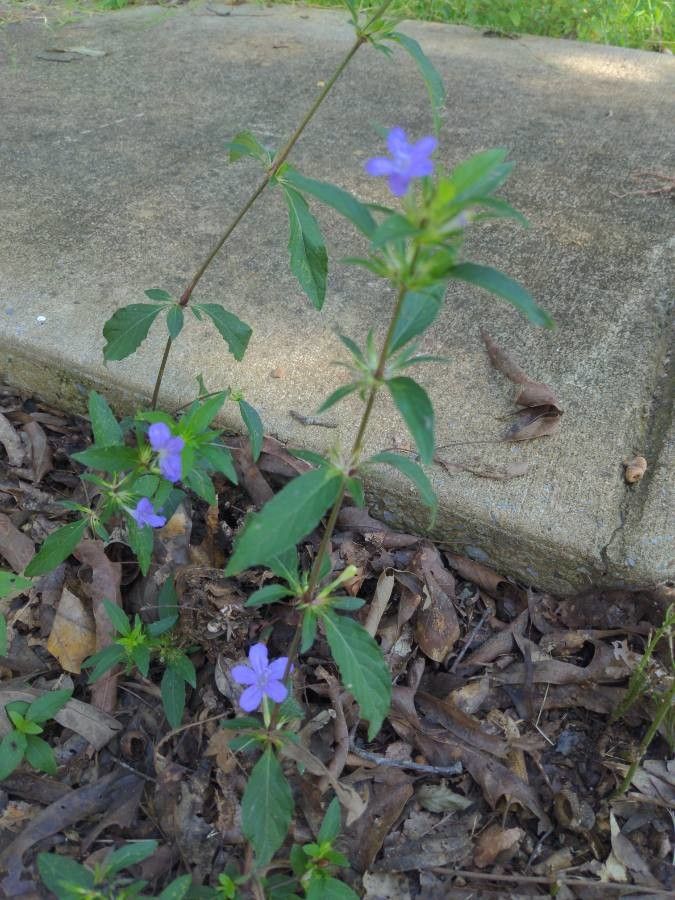
Ruellia drummondiana, also known as Drummond's wild petunia, is a flowering plant endemic to central Texas in the United States. It was first collected by naturalist Thomas Drummond and first described in 1847. R. drummondiana stands up to 3' with an herbaceous dark green ridged stem and purple flowers. Unlike the majority of Ruellia in the United States, R. drummondiana produces fruit with only 2–4 seeds, as opposed to 6–20 as is common throughout the genus.
How to keep Ruellia Drummondiana.
Water
Drummond's wild petunia flourishes in high humidity and needs regular watering, particularly during hot, dry weather—ideally every day. Water the plant only when the soil surface feels dry, and try to avoid watering in the afternoon to minimize evaporation. In winter, reduce watering to once a week. It's also important to keep the water pH between 5.5 and 7.8.
Pruning
Drummond's wild petunia showcases vibrant, tubular flowers and lush foliage. To promote bushiness and enhance air circulation, prune the plant in early spring. Avoid heavy pruning during blooming periods. Be sure to use clean, sharp tools for precise cuts to maintain the plant's health and appearance.
Botanical profile.
- Plant Type
- Herb
- Genus
- Ruellia
- Family
- Acanthaceae
- Mature Height
- 30 cm to 91 cm
Other names.
Reader questions.
What are the sunlight requirements for Drummond's wild petunia?
Drummond's wild petunia (Ruellia drummondiana) thrives in conditions where it can receive full sun, which means it should be exposed to more than 6 hours of sunlight daily. It can also grow in partial sun, requiring about 3-6 hours of sunlight. It's important to observe the movement of sunlight through your garden to find the ideal spots that offer a harmonious balance of light and shade. This ensures your Drummond's wild petunia, along with other plants, maintains its health and happiness.