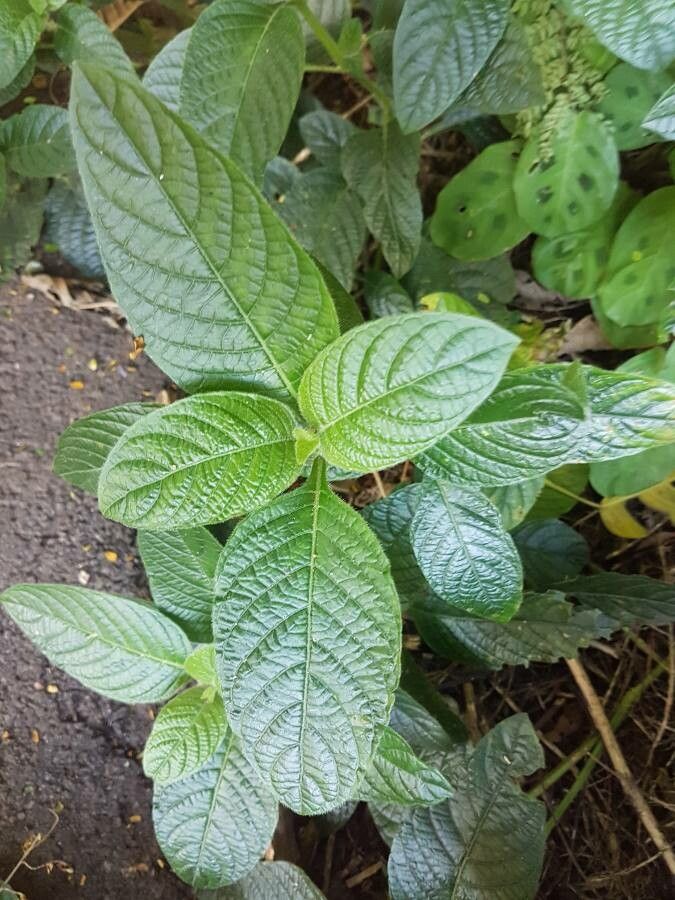
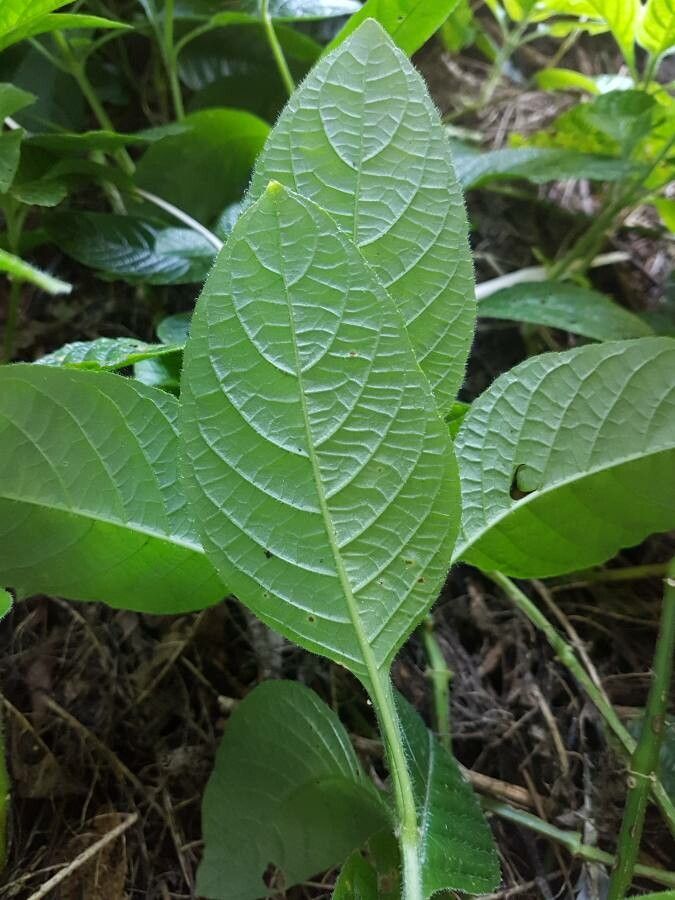
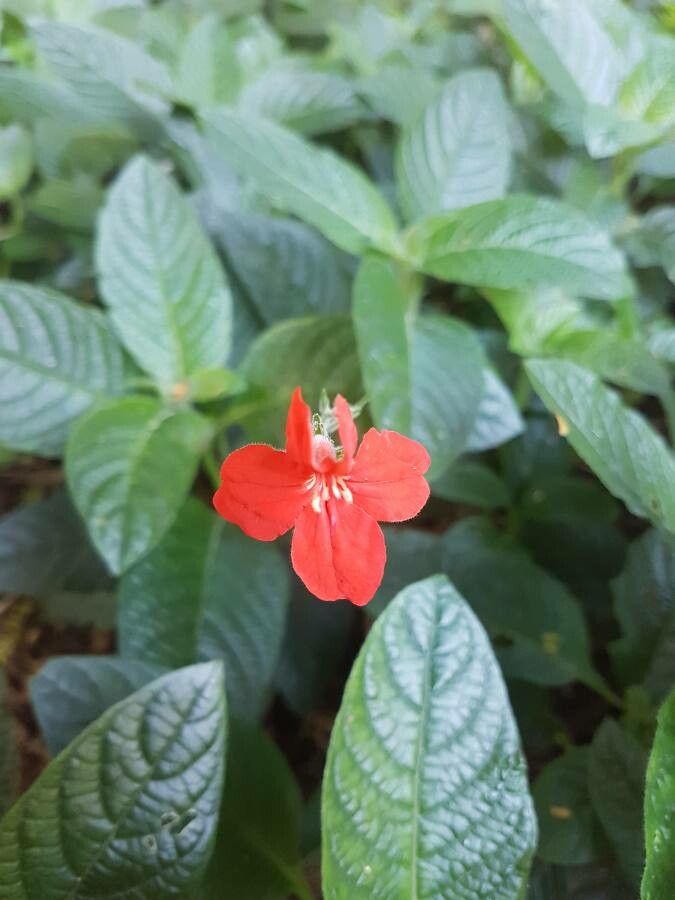
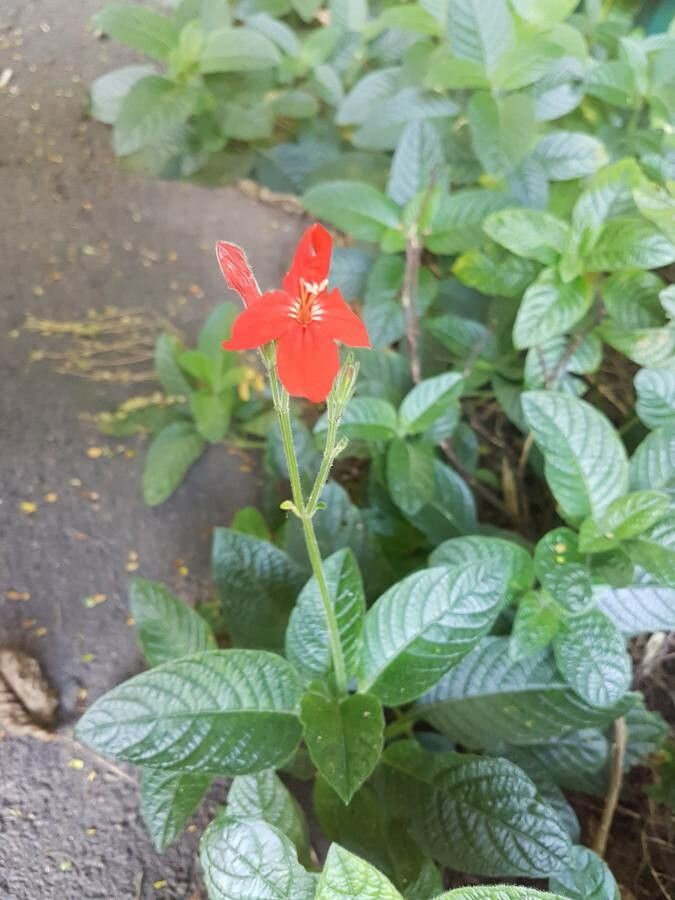
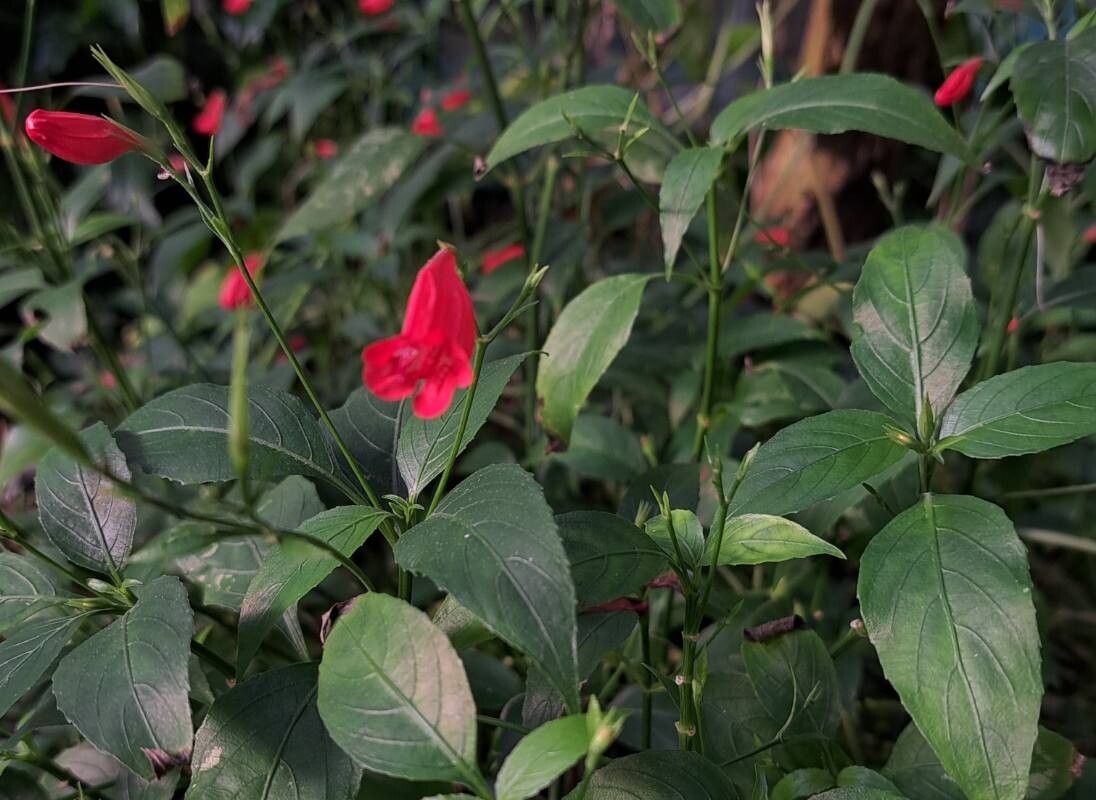
Ruellia elegans is a species of flowering plant in the family Acanthaceae. It is a subshrub native to eastern and southern Brazil, where it grows in the Cerrado ecoregion.
Red ruellia is fairly disease-resistant and typically does not suffer from many illnesses. Still, it can be affected by pests and diseases present in its environment. When infections do occur, they are generally mild. Carewise, this plant needs moderate maintenance. It should be pruned regularly to preserve a neat appearance and encourage healthy growth. Applying fertilizer can also help increase flowering. Red ruellia is well suited for people with outdoor areas like a garden or patio and does not demand extensive gardening experience. It can need more attention if kept indoors.
How to keep Ruellia Elegans.
Light
Red ruellia needs a balance of shade and sun to grow best. In its native habitat it prospers beneath taller plants while still getting sufficient sunlight. It can tolerate direct sun, but that exposure is not necessary and can cause sunburn or reduced growth. Conversely, too little light can slow its growth and result in poor flowering.
Water
Red ruellia flourishes in humid, tropical environments and needs weekly watering to grow optimally. Although it can tolerate brief dry spells, it is best suited for warm climates. To retain soil moisture and reduce the frequency of watering, it's recommended to cultivate it outdoors with a layer of mulch.
Temperature
Red ruellia originates from tropical and subtropical regions, so it does best at temperatures between 68 and 100 °F (20 and 38 ℃). In colder seasons, consider cultivating it indoors or using a greenhouse to maintain ideal temperature conditions.
Fertilizer
When most of Red ruellia's blooms have opened to full size, resume fertilizing. Around the peak bloom period, fertilize once every three to four weeks, weather permitting. Then, when Red ruellia begins producing fewer new blooms, stop fertilizing; there's no need to fertilize when the plant can no longer produce more blooms.
Pruning
The red ruellia showcases striking, red tubular flowers and thrives in well-drained soil. To encourage bushy growth and eliminate weak stems, prune from early to late spring. Regular trimming helps maintain its shape and promotes blooming, but be careful not to prune too heavily, as it can cause stress to the plant. Remove spent blooms and leggy growth for optimal health.
Botanical profile.
- Plant Type
- Herb
- Life Cycle
- Annual, Perennial
- Genus
- Ruellia
- Family
- Acanthaceae
- Hardiness Zone
- 8-11
- Mature Height
- 0.3 m to 1.22 m
- Mature Spread
- 30 cm to 91 cm
- Leaf Color
- Green
- Leaf Type
- Semi-evergreen
- Flower Color
- Red
- Flower Size
- 2.54 cm to 7.62 cm
- Bloom Time
- Late spring, Summer, Fall
- Planting Time
- Spring, Summer
- Harvest Time
- Mid summer, Late summer, Fall, Early winter, Mid winter
- Native Area
- Brazil
Reader questions.
What are the sunlight requirements for Red Ruellia?
Red ruellia thrives under a mix of shade and sun and is ideally suited to environments where it can enjoy partial to full sunlight. Full sun entails over 6 hours of sunlight per day, while partial sun is about 3-6 hours. It's essential to observe the movement of sunlight in your garden to find spots that ensure a balance of light and shade, fostering the plant's growth and happiness.
What is the ideal temperature range for growing Red Ruellia?
Red ruellia thrives in tropical and subtropical climates, preferring temperatures between 68 to 100 °F (20 to 38 °C). It has some cold tolerance but generally does not require special measures if the temperature remains above 0°C. However, if temperatures are expected to drop below freezing, it's necessary to use temporary protection such as plastic film or fabric wraps. Once warmer temperatures resume, these protections should be removed.
How does Red Ruellia adapt to its natural environment?
In its native habitat, Red Ruellia grows optimally under the cover of larger plants, which provides it with a blend of shade and sufficient sunlight. While it can endure daylight, excessive exposure might lead to sunburn or stunted growth, and insufficient light can slow down its growth rate and negatively affect flowering.
What should I do if the temperature drops below 0°C?
If the temperature is forecasted to drop below 0°C, you should take steps to protect your Red ruellia plants. Temporary measures such as wrapping the plants with plastic film, fabric, or other materials can help shield them from the cold. It's important to remove these protective coverings once the temperature rises again to prevent overheating or suffocation of the plant.
Can artificial lighting be used for Red Ruellia?
Yes, artificial lighting is an effective solution for providing adequate light to Red Ruellia, especially when natural sunlight is not enough. This is particularly useful in winter or in spaces that do not receive ample sunlight. LED lights are recommended as they can be tailored to the plant's needs. Full sun plants require 30-50W/sq ft, partial sun plants need 20-30W/sq ft, and full shade plants need 10-20W/sq ft of artificial light. The light source should be placed 12-36 inches above the plant, simulating natural sunlight for 8-12 hours per day.
How does Red Ruellia respond to low temperatures, and what are the solutions?
Red ruellia has a moderate tolerance to low temperatures and thrives above 20°C. It should be kept above 0°C during winter. At temperatures below -10°C, the leaves might begin to droop, and they can recover from mild cases but will wilt and fall off in severe cases. To protect the plant in cold weather, frost-damaged parts should be trimmed off, and the plant should be wrapped with non-woven fabric or cloth. Constructing a wind barrier can also protect against cold winds.
What symptoms indicate inadequate lighting for Red Ruellia?
Inadequate lighting can manifest through several symptoms in Red Ruellia, such as smaller new leaves, leggy or sparse growth, faster leaf drop, slower or halted new growth, lighter-colored new leaves, chlorosis, sunscald, leaf curling, wilting, and leaf scorching. Each of these symptoms signifies that the plant is not receiving an optimal amount of light, whether it's too little or too much.
How does Red Ruellia cope with high temperatures, and what should I do?
In summer, Red ruellia should be kept below 38°C to avoid stress from high temperatures. Temperatures exceeding 43°C can cause leaf discoloration, dry and withered leaf tips, leaf curling, and an increased risk of sunburn. To mitigate these issues, trim away sunburned and dried-up parts, move the plant to a shaded location during the midday and afternoon sun, or use a shade cloth. Additionally, keeping the soil moist with watering in the morning and evening can help the plant cope with high temperatures.
How can I address lighting issues for Red Ruellia?
To optimize Red Ruellia's growth, gradually introduce it to sunnier spots until it receives 3-6 hours of sunlight daily. If moving the plant is not feasible, consider providing additional light using desk, ceiling, or professional grow lights for at least 8 hours daily. Outdoors, move your plants to sunnier locations progressively to avoid sudden light intensity changes. Minimize sunlight obstructions by pruning nearby trees and consider transplanting smaller plants to sunnier spots during their dormant period.
What is the botanical name of Red Ruellia?
The botanical name for Red Ruellia is Ruellia elegans.