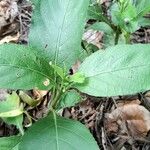
Ruellia tuberosa
Minnieroot · Sheep potato · Bluebell · Spearpod · Fever root
Description
Source: leafsnapRuellia tuberosa, commonly known as Minnieroot or Fever Root, is a perennial herbaceous plant belonging to the Acanthaceae family. Native to the tropical regions of the Americas, it thrives in various habitats, including forests, savannas, and disturbed areas. The plant can grow up to 1 meter in height and features a tuberous root system that stores nutrients during drought periods. Its leaves are simple, opposite, and ovate, with a smooth texture. The flowers are funnel-shaped with five petals and come in colors ranging from white to pink or purple. Traditionally, Ruellia tuberosa has been used for its medicinal properties, such as treating fever, inflammation, and respiratory problems. It contains various bioactive compounds, including alkaloids, which have been shown to possess anti-inflammatory effects. Additionally, the plant is valued for ornamental purposes due to its attractive flowers, which bloom year-round under favorable conditions. It can be propagated through seeds or stem cuttings but requires well-drained soil and moderate watering. Overall, Ruellia tuberosa is an interesting plant due to both its medicinal properties and ornamental value, making it important for traditional medicine practitioners and horticulturists alike.
Care Guide
💧 Water Every 7 days
Minnieroot flourishes in tropical climates, where it needs consistent moisture and high humidity. To replicate its natural habitat, water it once a week, as it is adapted to rain cycles that promote its growth. Although it prefers regular watering, minnieroot can tolerate brief periods of dryness.
How should I water my Minnieroot plant?
To properly water the Minnieroot, it is recommended to use filtered water at room temperature. Tap water may contain harmful particles, so filtered water is preferred. It is important to avoid using cold water as the Minnieroot is accustomed to a warm environment and cold water can be a shock to its system. Additionally, overhead watering should be avoided to prevent foliage issues. Instead, apply the filtered room temperature water directly to the soil until it is completely soaked. This will benefit the plant by keeping the roots moist and allowing them to spread through the soil to gather essential nutrients.
What should I do if I give my Minnieroot plant too much or too little water?
Overwatering is a common issue for the health of Minnieroot plants, causing wilting, yellowing leaves, and potentially deadly diseases like root rot, mold, and mildew. Underwatering is less likely, but can still happen, resulting in brittle, brown leaves. It's important to recognize the signs of overwatering early, as some diseases are irreversible if not addressed promptly. If you notice overwatering, reduce watering immediately and check the soil's drainage. If it drains poorly, replace it with a well-draining potting mix. If you see signs of underwatering, increase watering until the signs improve.
How often should I give water to my Minnieroot?
If your Minnieroot plant is in a pot, you can determine if it needs water by sticking your finger into the soil. If the top couple inches of soil are dry, it's time to water it. The same method can be used if you're growing the Minnieroot plant outdoors in the ground. During spring and early fall, this method usually leads to watering once a week. In extremely hot weather, you may need to water it twice a week or more. However, mature and well-established Minnieroot plants have the ability to withstand drought.
How much water does my Minnieroot plant need?
To properly water your Minnieroot plant, you should generously water it when the top two to three inches of soil are dry. Make sure to thoroughly soak the soil by adding enough water to allow excess water to flow through the pot's drainage holes. If you do not see water draining from the pot, you may have not added enough water. However, be cautious not to let water accumulate in the soil as it can harm the plant. Additionally, if the water does not drain well from the pot, it could indicate poor soil drainage, which should be avoided. If the plant is outside, about 1 inch of rain per week will be sufficient.
How should I water my Minnieroot as it grows?
The water needs of the Minnieroot can vary throughout its growth stages. For instance, when your Minnieroot is young or recently transplanted, it requires more water. During these stages, the plant invests energy in developing new roots to support future growth, which requires increased moisture. However, as the Minnieroot matures, its water requirements decrease. Additionally, the bloom period is another growth stage where the plant may need additional water. Flower development utilizes significant moisture, so providing extra water during this time is beneficial.
☀️ Light Full sun
Minnieroot grows best when given plenty of daytime sunlight, which supports healthy development. In its native environments the plant is usually exposed to abundant daily light. Both intense, glaring light and too little illumination can impair its growth and overall health.
What are the sunlight requirements for Minnieroot?
Minnieroot requires full sun, which means it needs more than 6 hours of sunlight daily, to thrive. Alternatively, it can also grow in partial sun, receiving about 3-6 hours of sunlight. It's essential to watch how sunlight moves through your garden to ensure your plants get a balance of light and shade, contributing to their health and happiness.
What are the essentials for growing Minnieroot successfully?
For successful growth, Minnieroot needs ample exposure to sunlight throughout the day. It flourishes in environments that mimic its native, sun-rich habitats. When natural sunlight is insufficient, especially indoor during winter or in less sunny areas, artificial lighting can be a vital solution. Indoor plants benefit from LED lights, which can be customized to provide necessary wavelengths. Full sun plants require 30-50W/sq ft of artificial light, partial sun plants need 20-30W/sq ft, and full shade plants should have 10-20W/sq ft. The light source should be placed 12-36 inches above the plant, and most plants need 8-12 hours of light per day.
What are the symptoms of inadequate lighting for Minnieroot?
Minnieroot shows several symptoms when receiving insufficient light, including smaller new leaves, leggy or sparse growth, faster leaf drop, and halted new growth indicating poor light conditions. Additionally, lighter-colored new leaves and conditions like chlorosis, sunscald, leaf curling, wilting, and leaf scorching can occur due to either insufficient or excessive sunlight exposure.
How can I address sunlight-related issues for Minnieroot?
To address sunlight-related issues in Minnieroot, gradually move them to sunnier spots, achieving at least 6 hours of direct sunlight daily, and use south-facing windows or artificial lighting as needed. For outdoor plants, ensure a gradual transition to prevent sunburn. Obstructions to sunlight can be minimized by pruning trees or relocating plants to sunnier spots. Remember, parts of the plant that suffered from insufficient sunlight may not recover, but new growth should be healthy with proper light exposure.
🌡️ Temperature 20–41.1°C
Minnieroot comes from tropical areas, where the climate is generally warm and humid. Consequently, it is well adapted to high heat and moisture. It is sensitive to sudden temperature shifts and prefers a steady thermal environment, so avoiding temperature swings indoors is important. It typically does not tolerate cold and needs warmer temperatures to grow. If the surrounding temperature falls too low, the plant may stop growing or even perish.
What is Minnieroot?
Minnieroot, scientifically known as Ruellia tuberosa, is a plant species recognized by its unique name but without specific details provided regarding its characteristics, uses, or habitat within the given information.
💨 Humidity
🪴 Soil 6-7
🌱 Fertilizer
Proper fertilization is vital for Minnieroot's health and appearance. Fertilize Minnieroot in summer, repeating the application monthly throughout the season. The nutrients provide energy for growth and help maintain the plant's parts. Fertilization enhances Minnieroot's flower display, ensuring the best blooms.
Why should I put fertilizer on my Minnieroot?
Fertilization is important for the Minnieroot and other plants as it provides essential nutrients for growth. While Minnieroots have relatively low fertility requirements, annual fertilization can greatly benefit the plant. It helps ensure the plant's survival and may also promote the development of longer-lasting flowers. If you want your Minnieroot to look its best, it's recommended to fertilize it annually.
When should I add fertilizer to my Minnieroot?
The best time to fertilize a Minnieroot is in late winter to early spring when the plant is coming out of its dormant phase and beginning active growth. Fertilizing during this time helps promote healthy growth and sets the plant up for a successful season. Fertilizing in the early spring is generally the most beneficial, but it is also acceptable to fertilize in the fall. However, it is not recommended to fertilize during the summer or winter.
When should I not put fertilizer on my Minnieroot?
To avoid overfertilization and its complications, it is recommended to only feed your Minnieroot plant once a year during late winter and early spring. Fertilizing during spring, summer, and fall can easily lead to overfertilization. The exception is if you didn't fertilize in the spring, in which case it is acceptable to fertilize in the fall. Additionally, it is not necessary to fertilize the Minnieroot plant during the winter as it is in a dormant growth phase and does not produce new growth.
What kind of fertilizer should I use for my Minnieroot?
When it comes to fertilizing a Minnieroot, any general-purpose fertilizer with a balanced amount of the three main plant nutrients will work. However, there are certain nutrient blends that are even more beneficial for this plant. Some gardeners believe that higher levels of phosphorus can lead to stronger roots and better flowers, making a phosphorus-rich fertilizer a good choice for Minnieroot. Whether you choose a granular or liquid fertilizer, just make sure it has plenty of nutrients. In addition to manufactured fertilizers, you can also improve the soil for your Minnieroot using more organic methods. Compost, manure, and similar materials can greatly enhance the quality of the soil for this plant.
How do I make my Minnieroot plant grow better?
The most common way to fertilize a Minnieroot plant is by applying granular or pellet fertilizer to the soil surrounding the plant. It is important to fertilize the plant as it transitions from its winter dormant phase to active growth. In the early spring, wait until the plant starts sending shoots up through the soil, then apply the fertilizer. Alternatively, some people prefer using liquid fertilizer, which should be diluted with water before application. Whether using granular or liquid fertilizer, always ensure the soil is moist before, during, and after fertilizing.
🪴 Pot & Repot
✂️ Pruning
Minnieroot benefits from pruning during the early to late spring, which encourages healthy growth and blooming. To enhance air circulation and minimize the risk of disease, trim away dead stems and overgrown branches. For the best results, refer to trusted horticultural sources for effective pruning techniques.
🌿 Propagating
🐛 Diseases & pets
☠️ Toxicity
Characteristics
- Plant Type
- Herb
- Life Cycle
- Perennial, Biennial
- Genus
- Ruellia
- Family
- Acanthaceae
- Hardiness Zone
- 9-12
- Mature Height
- 20 cm to 30 cm
- Mature Spread
- 30 cm to 46 cm
- Leaf Color
- Green, Dark Green
- Leaf Type
- Deciduous
- Flower Color
- Purple, Violet
- Flower Size
- 2.54 cm to 5.08 cm
- Bloom Time
- Late spring, Summer
- Planting Time
- Spring, Summer, Autumn
- Harvest Time
- Summer, Early fall
- Native Area
- Colombia, Bahamas, Cuba, Haiti, Mexico, Honduras, Guatemala, Venezuela, Peru, Guyana, Dominican Republic, Suriname, Jamaica