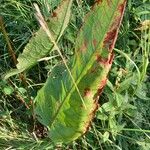
Rumex aquaticus
Water dock · Scottish dock · Western dock · Water sorrel · Trossachs dock
Description
Source: leafsnapRumex aquaticus is a flowering plant in the knotweed family, Polygonaceae. It is native to temperate Eurasia. It is commonly known as the Western Dock found in aquatic environments.
Care Guide
💧 Water
Scottish dock thrives in consistently moist environments and requires weekly watering to stay healthy. It grows best outdoors, as this allows it to mimic its natural habitat. While the plant prefers damp soil, it's essential to avoid waterlogging. During its active growth cycles, Scottish dock is sensitive to drought and needs careful attention to irrigation.
How should I water my Scottish dock plant?
When watering the Scottish dock, it is recommended to use filtered water at room temperature. This is because tap water may contain harmful particles for the plant's health. Since the Scottish dock is native to warm climates, it is important to use water that is at room temperature or slightly warmer to avoid shocking its system. Additionally, it is advised to avoid overhead watering, as it can cause issues with the foliage. Instead, simply apply filtered room temperature water to the soil until it is completely soaked. This method is beneficial as it helps to moisturize the roots and support their spread in the soil to collect the necessary nutrients.
What should I do if I give my Scottish dock too much or too little water?
Overwatering can be harmful to your Scottish dock and is a more common issue compared to underwatering. Excess water can cause wilting and yellowing of the stems and leaves, as well as diseases like root rot, mold, and mildew that could kill the plant. On the other hand, underwatering is less likely to occur for Scottish dock due to its tolerance for drought. However, when it does happen, you may notice brittle and brown leaves. It is important to recognize the signs of overwatering early on. Some diseases caused by overwatering, like root rot, may not be reversible if not addressed promptly. In such cases, reduce your watering schedule and consider the soil's drainage quality. If the soil drains poorly, replace it with a loose, well-draining potting mix. If you observe signs of underwatering, simply water more regularly until the signs improve.
How often do I need to water my Scottish dock?
If your Scottish dock plant is in a pot, the best way to determine if it needs watering is to stick your finger into the soil. If the top two to three inches of soil are dry, it's time to water it. If you have your Scottish dock plant planted outdoors in the ground, you can use a similar method to test the soil. Again, if the top few inches of soil are dry, it's time to water it. Typically, during the spring and early fall, you'll need to water this plant about once a week using this method. However, during extremely hot weather, you may need to water it about twice or more per week. It's worth noting that mature, well-established Scottish dock plants can handle drought well.
How much water does my dock in Scotland need?
When watering your Scottish dock, don't be afraid to give it plenty of water. Make sure the first two to three inches of soil are dry before watering. Water the plant thoroughly until the soil is completely soaked. This should cause excess water to flow through the drainage holes at the bottom of the pot. If you don't see excess water draining, you may not have given enough water. However, be careful not to let water accumulate in the soil, as this can harm the plant. On the other hand, if water isn't draining properly, it could be a sign of poorly draining soil, which is not good for the plant's health. If the plant is outside, one inch of rain per week should be enough.
How should I give water to my Scottish dock as it grows?
The water needs of the Scottish dock can vary depending on its growth stages. When the plant is young or has recently been transplanted, it requires more water because it is focused on developing new roots. These roots need extra moisture to support future growth. As the Scottish dock matures over a few seasons, it will require less water. Another growth stage that calls for increased water is when the plant is blooming. During this period, the flower development uses up a substantial amount of moisture, so you may need to provide additional water to the Scottish dock.
☀️ Light Partial sun
Scottish dock naturally occurs in habitats like forest understories or rocky areas, where it grows under natural shade. It prefers partial sun but can adapt to full sun or full shade, illustrating its versatile and hardy nature.
🌡️ Temperature 0–21.1°C
Scottish dock grows best in cold regions and at high altitudes. It prefers cool temperatures, good ventilation, and a moist environment. In summer, various measures should be taken to keep it cool, since it is extremely sensitive to heat and can easily die from it. Dry conditions can also harm the plant. In winter, no particular cold protection is required, but maintaining soil moisture is important.
What are the essential care tips for Scottish dock?
Scottish dock, known botanically as Rumex aquaticus, thrives in cold regions and high-altitude areas. It flourishes in environments that offer cool temperatures, ample ventilation, and moist conditions. During hot summer months, it's crucial to employ cooling measures for the plant, as it is highly susceptible to heat and may perish from excessive warmth. Dry environments are also detrimental. In contrast, during winter, Scottish dock requires no special cold protection steps other than ensuring the soil remains moist. It is significantly cold-tolerant and doesn't need additional frost protection. However, watering the plant generously before the first autumn freeze can help keep the soil moist through winter, aiding the plant in preventing drought and water scarcity.
How does low temperature affect Scottish dock and how can it be managed?
Scottish dock can tolerate extremely low temperatures, but it's vital that winter temperatures stay above -40°C to prevent adverse effects. If temperatures dip below this threshold, you might not notice an immediate impact during winter; however, a noticeable decrease in sprouting, or in some cases, no sprouting at all, may occur in the spring. To manage issues arising from overly low temperatures, it's recommended to remove any parts of the plant that fail to sprout in the spring, thereby promoting healthier growth and recovery.
What should be done if Scottish dock experiences high temperatures?
Scottish dock struggles with high temperatures, showing growth cessation and a heightened susceptibility to rot when temperatures rise above 21°C. To counteract damage from excessive heat, it's advised to trim away any sunburned or dried-up parts of the plant. Relocating the plant to a shadier spot or using a shade cloth to protect it from midday and afternoon sun can help. Additionally, watering the plant in the morning and evening helps maintain soil moisture, thereby alleviating stress from high temperatures and promoting overall plant health.
💨 Humidity
🪴 Soil 6-8
🌱 Fertilizer
One application of fertilizer in spring is generally adequate for Scottish dock, though repeated feedings can maximize growth. Apply fertilizer at intervals of about one to one and a half months. Fertilization improves the leaves’ appearance and function, helping maintain even color and a healthy texture. It also promotes root development and nutrient uptake, supporting the plant’s long-term health.
🪴 Pot & Repot
✂️ Pruning
Scottish dock is a hardy perennial that flourishes in moist environments. To manage its growth, promote new shoots, and remove dead material, prune it in early to mid-spring. Be sure to use clean tools for pruning, and think about applying mulch to retain moisture and reduce weeds, which will support healthier growth.
🌿 Propagating
🐛 Diseases & pets
☠️ Toxicity
Characteristics
- Plant Type
- Herb
- Life Cycle
- Perennial
- Genus
- Rumex
- Family
- Polygonaceae
- Hardiness Zone
- 2
- Mature Height
- 0.76 m to 1.52 m
- Mature Spread
- 49 cm to 91 cm
- Leaf Color
- Dark Green
- Leaf Type
- Deciduous
- Flower Color
- Green
- Flower Size
- 0.25 cm to 0.51 cm
- Bloom Time
- Early summer, Mid summer
- Planting Time
- Spring, Summer, Autumn
- Harvest Time
- Late summer, Early fall
- Native Area
- Sweden, Austria, Slovakia, Montenegro, Slovenia, Croatia, Belarus, Uzbekistan, Russia, Germany, Estonia, Koppen, Romania, Latvia, Belgium, Netherlands, France, Czech Republic, Bulgaria, Armenia, Poland, Greece, Ukraine, China, Lithuania, Norway, Kyrgyzstan, Kazakhstan, Italy, Switzerland, Denmark, Japan, Mongolia, Finland, Azerbaijan, United Kingdom, Hungary