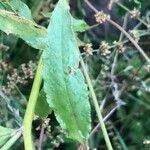
Rumex conglomeratus
Green dock · Sharp dock · Clustered dock · Clustered green dock · Smaller Green Dock
Description
Source: leafsnapRumex conglomeratus, commonly known as clustered dock or sharp dock, is a perennial herbaceous plant belonging to the family Polygonaceae. Native to Europe and western Asia, it has been introduced and naturalized in many parts of the world. This plant can grow up to 1 meter tall and forms a basal rosette of long, narrow leaves with wavy edges. Its erect and branched stem is reddish-brown. The flowers are small and greenish-red, arranged in long spikes that emerge from the stem. Rumex conglomeratus prefers moist soils, thriving on riverbanks and wet meadows, but it can also grow in drier conditions such as roadsides and disturbed areas. It is adaptable to various soil types, including clay, loam, sand, and gravel. For centuries, this plant has been used medicinally due to its high tannin content, which has anti-inflammatory properties. It has also served as a food source because of its high vitamin C content. However, in some areas, Rumex conglomeratus is considered an invasive species. It can outcompete native vegetation by rapidly growing from seedlings, even under unfavorable conditions. Overall, Rumex conglomeratus is an intriguing plant with both medicinal benefits and ecological impacts. Its dual nature makes it a significant subject for further study by botanists worldwide.
Care Guide
💧 Water Every 7 days
Clustered dock thrives in moist environments, often growing near water sources. To stay healthy, it needs regular watering, ideally once a week, but it can also withstand moderate drought. The type of soil is important for retaining water and ensuring the plant's overall well-being, especially since clustered dock is usually found outdoors as a herbaceous plant.
How should I water my Clustered dock plant?
To properly care for the Clustered dock plant, it is important to use filtered water that is at room temperature or slightly warmer. Tap water may contain harmful particles, so using filtered water is recommended. The plant is accustomed to warm environments, so cold water can be a shock to its system. It is best to avoid overhead watering, as it can lead to leaf problems. Instead, pour the filtered room temperature water directly onto the soil until it is thoroughly soaked. This will benefit the plant by moisturizing the roots and aiding them in spreading through the soil to absorb nutrients.
What do I do if I give my Clustered dock too much or too little water?
It's important to be aware of the effects of both overwatering and underwatering on your Clustered dock plant. Overwatering is more common and can cause the stems and leaves to wilt and turn yellow. Over time, it can also lead to diseases like root rot, mold, and mildew which can be fatal for your plant. Underwatering is less likely but still a possibility, resulting in brittle and brown leaves. To prevent irreversible damage from overwatering, it's crucial to recognize the signs early and reduce watering immediately. Assessing the soil's drainage is also important; replace any poorly draining soil with a loose, well-draining potting mix. If you notice signs of underwatering, simply increase your watering frequency until the signs disappear.
How often should I water my Clustered dock plant?
If your Clustered dock plant is in a pot, the most precise way to determine if it needs water is to stick your finger into the soil. If the top two to three inches of soil are dry, it's time to water it. For Clustered dock plants growing outdoors in the ground, you can use a similar method to test the soil. Once the top few inches of soil are dry, it's time to water. Usually, during spring and early fall, watering once a week is sufficient. However, in extremely hot weather, you may need to water it two or more times per week. It's worth noting that mature and well-established Clustered dock plants have a remarkable ability to tolerate drought.
How much water does my Clustered dock require?
To properly water your Clustered dock, don't hold back on the amount of water you give it. Wait until the top two to three inches of soil are dry, then give it a long and thorough watering. Make sure the water soaks the entire soil. You should add enough water that it flows out of the drainage holes at the bottom of the pot. If you don't see any excess water draining, it means you haven't given enough water. However, be careful not to let the water collect inside the soil, as it can harm the plant. On the other hand, if water doesn't drain properly, it could mean the soil is not well-draining, which is bad for the plant's health. If the plant is outside, one inch of rain per week should be enough.
How do I water my Clustered dock at different growth stages?
The water needs of the Clustered dock can vary depending on different growth stages. In the first few years of its life or when the plant has been recently transplanted, it requires more water than usual. During these stages, the plant focuses on developing new roots, which need extra moisture to support future growth. As the Clustered dock matures, it requires less water. Additionally, during the bloom period, the plant may need increased watering due to the high moisture demand for flowering.
☀️ Light Full sun
Clustered dock does best with steady sun exposure during the day, though it can still grow when light is somewhat reduced. Too little light hampers growth and can produce a weak, spindly plant. In its native habitat it received abundant light, reflecting its consistent need for sun.
What are the sunlight requirements for Clustered Dock?
Clustered Dock requires full sun exposure of above 6 hours of sunlight to thrive optimally but can also grow in partial sun, which is about 3-6 hours of sunlight. It's crucial to observe how sunlight moves through your garden to ensure you're choosing spots that offer an ideal balance of light and shade. This mindfulness in positioning will greatly contribute to the plant's health and happiness.
How does insufficient sunlight affect Clustered Dock?
Insufficient sunlight can lead to several adverse effects on Clustered Dock, impacting its growth and overall health. Symptoms of light deficiency include smaller new leaves, leggy or sparse growth, faster leaf drop, slower or ceased new growth, lighter-colored new leaves, and conditions such as chlorosis, sunscald, leaf curling, wilting, and leaf scorching. These symptoms indicate the plant's struggle to adapt to inadequate light conditions, which can compromise its vitality and aesthetic appeal.
Can artificial lighting be used for Clustered Dock and how?
Yes, artificial lighting can be a beneficial solution for Clustered Dock, especially when natural sunlight is insufficient. Indoor plants require adequate lighting for optimal growth. LED lights are recommended due to their ability to be customized to specific wavelengths needed by plants. Full sun plants need 30-50W/sq ft, partial sun plants 20-30W/sq ft, and full shade plants need 10-20W/sq ft of artificial light. The light source should be placed 12-36 inches above the plant to mimic natural sunlight, and the duration should mimic natural daylight hours, typically 8-12 hours per day.
What strategies can be employed to address insufficient sunlight for Clustered Dock?
To counter insufficient sunlight for Clustered Dock, a multi-faceted approach can be beneficial. For indoor plants, gradually increase exposure to sunlight by moving them closer to a south-facing window or use artificial light sources, like desk or ceiling lamps or grow lights, for at least 8 hours daily. For outdoor plants, find the optimal spot for sunlight and gradually move plants to sunnier locations each week, avoiding sudden changes to prevent sunburn. Reducing obstructions is key for both indoor and outdoor plants—prune surrounding foliage to allow more sunlight to reach the plants and consider transplanting smaller plants to sunnier spots, ideally during their dormant periods.
🌡️ Temperature 15–32.2°C
Clustered dock performs best in its native habitat, where temperatures fall between 59 and 89.6 °F (15 to 32 °C). The plant prefers warmer conditions. It is important to modify temperatures with seasonal changes to maintain optimal growth.
What is the ideal growth temperature for Clustered dock?
Clustered dock, with its scientific name Rumex conglomeratus, thrives best within a temperature range of 59 to 89.6 °F (15 to 32 °C). This makes it quite clear that the plant prefers warmer climates for optimal growth. As the seasons change, it's crucial to adjust the temperature accordingly to maintain conditions that are most conducive to its health. Even though Clustered dock is noted for its strong resistance to cold temperatures, which typically eliminates the need for special frost protection measures in winter, there are extra steps to consider if temperatures are expected to drop below -10°C. During such cold spells, protecting the plant by covering it with soil or straw can be beneficial. It's also recommended to water the plant abundantly before the first freeze of autumn to ensure the soil remains moist and enters a frozen state. This strategy helps in preventing drought and water scarcity issues for the plant during the colder months and into the early spring.
How does low temperature affect Clustered dock and what are the solutions?
Clustered dock exhibits a high tolerance to cold temperatures and generally thrives when kept above 15°C. During the winter months, the plant should be maintained above -5°C. However, if temperatures fall below -10°C, Clustered dock may not show immediate adverse reactions during the winter, but there could be a noticeable decline in its ability to sprout, or it may not sprout at all come springtime. To address this, the recommended solution is to closely inspect the plant as spring arrives and remove any parts that have failed to sprout. This action helps to rejuvenate the plant's growth and ensures its continued vitality despite the cold setback.
What should be done when Clustered dock is exposed to high temperatures?
Clustered dock needs to be kept below 32°C during the summer months to avoid heat stress. If temperatures soar above 35°C, the plant may exhibit signs of distress such as leaves turning lighter in color, curling, becoming prone to sunburn, and in severe cases, the whole plant may wilt and dry out. The solutions for these high-temperature challenges involve firstly trimming away any sunburned or dried-up parts of the plant. Next, it's beneficial to move the plant to a location where it can enjoy some shade, especially during the harsh midday and afternoon sun, or alternatively, create some shade using a cloth. Additionally, watering the plant in the morning and evening helps keep the soil moist and provides some relief from the heat.
💨 Humidity
🪴 Soil 6-6
🌱 Fertilizer
One application of fertilizer in spring is typically enough for Clustered dock, though multiple feedings can maximize growth. Feed every month to a month and a half. Fertilization improves leaf appearance and function, maintaining uniform color and a healthy texture. It also promotes root growth and nutrient uptake for long-term plant health.
🪴 Pot & Repot
✂️ Pruning
Clustered dock features rosette leaves and tall flower spikes. To manage its height and shape, prune the plant from early to late spring. Be sure to remove any dead stems to encourage healthier growth. Thinning the plant also improves air circulation and reduces the risk of disease. Always use sharp, clean tools when pruning to prevent infections.
🌿 Propagating
🐛 Diseases & pets
☠️ Toxicity
Characteristics
- Plant Type
- Herb
- Life Cycle
- Perennial
- Genus
- Rumex
- Family
- Polygonaceae
- Hardiness Zone
- 8
- Mature Height
- 91 cm
- Mature Spread
- 30 cm to 61 cm
- Leaf Color
- Green, Dark Green
- Leaf Type
- Semi-evergreen
- Flower Color
- Yellow, Green, Red
- Flower Size
- 0.20 cm to 0.25 cm
- Bloom Time
- Summer
- Planting Time
- Spring, Summer
- Harvest Time
- Late summer, Early fall, Mid fall
- Native Area
- Libya, Turkey, Sweden, Austria, Slovakia, Montenegro, Slovenia, Morocco, Croatia, Belarus, Uzbekistan, Russia, Iraq, Germany, Oman, Romania, Belgium, Portugal, Netherlands, Saudi Arabia, France, Tajikistan, Tunisia, Czech Republic, South Africa, Cyprus, Bulgaria, Poland, Armenia, Greece, Ukraine, Serbia, Lebanon, Norway, Afghanistan, Syria, Kyrgyzstan, Kazakhstan, Italy, Spain, Switzerland, Denmark, Finland, Israel, Iran, Albania, Ireland, United Kingdom, Hungary, Algeria, Azerbaijan, Turkmenistan