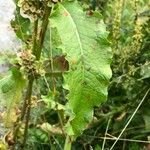
Rumex longifolius
Longleaf dock · Northern dock · Dooryard dock · Door-Yard Dock · Long-leaved Dock
Description
Source: leafsnapRumex longifolius, commonly known as the dooryard dock or northern dock, is a perennial species of plant in the genus Rumex. A variety has been described: Rumex longifolius var. nanus
Care Guide
💧 Water
Northern dock flourishes with consistent moisture, requiring regular hydration—ideally, it should be watered weekly. While it can withstand short periods of dryness, it thrives better outdoors where it can benefit from natural rainfall and experience seasonal temperature variations, both of which influence its growth cycles.
How should I water my Northern dock?
To properly water the Northern dock, here are some key guidelines to follow. Firstly, it's best to use filtered water at room temperature or slightly warmer. This is because tap water may contain harmful particles that can affect the plant's health. Additionally, the Northern dock prefers warm environments, so cold water can be a shock to its system. Secondly, avoid overhead watering as this can lead to issues with the foliage. Instead, focus on applying the filtered room temperature water directly to the soil until it is completely soaked. This approach benefits the plant by moisturizing the roots and aiding in their spread throughout the soil, which helps in nutrient absorption.
What should I do if I give my Northern dock plant too much or too little water?
Both overwatering and underwatering can harm the health of your Northern dock plant, but overwatering is more common. When the plant gets too much water, the stems and leaves may wilt and turn yellow. Overwatering for a long time can also cause diseases like root rot, mold, and mildew, which can be fatal for the plant. Underwatering is less likely because the Northern dock has good drought tolerance. However, there is still a chance of underwatering, which can cause the leaves to become brittle and brown. It's important to catch the signs of overwatering early. Some diseases caused by overwatering, like root rot, can't be fixed if you wait too long. If you notice early signs, reduce watering immediately. Check the soil quality where the plant grows. If it drains poorly, replace it with a loose, well-draining potting mix. If you see signs of underwatering, simply water more regularly until the signs go away.
How often should I give water to my Northern dock plant?
If your plant is in a pot, the best way to determine if your Northern dock needs water is to check the soil. Stick your finger into the soil and if the top two to three inches are dry, then it's time to water it. If you're growing the Northern dock outdoors in the ground, you can use the same method. When the top few inches of soil have dried out, it's time to water. Typically, during spring and early fall, you'll need to water this plant about once per week. However, in extremely hot weather, you may need to water it twice or more per week. Nevertheless, mature and well-established Northern dock plants can handle drought well.
How much water does my dock in the North need?
When watering your Northern dock, don't hold back on the amount of water you give. Make sure the first two to three inches of soil are dry before watering, and then give it a good, thorough soaking. You want to add enough water to completely saturate the soil and make excess water flow out through the drainage holes at the bottom of the pot. If you don't see any excess water draining out, it means you haven't watered enough. However, be careful not to let water accumulate in the soil, as that can harm the plant. On the other hand, if water doesn't drain through the pot, it could be a sign of poorly draining soil, which is bad for the plant's health and should be avoided. If the plant is outside, it should receive about 1 inch of rain per week, which will be enough.
How do I water my Northern dock at different stages of growth?
The water needs of the Northern dock can vary depending on its growth stages. When the dock is in the early years or has been recently transplanted, it requires more water than usual. During these stages, the dock focuses on growing new roots to support future growth, so providing extra moisture is important for optimal root development. As the dock matures, it will require less water. Additionally, during the blooming period, the plant may need additional water as the flowers utilize a significant amount of moisture.
☀️ Light Full sun
Northern dock does well in locations with plenty of sunlight, although it can tolerate places with reduced sun exposure. Coming from environments with abundant daylight, it needs sufficient light for healthy development. Both too little and too much sun can harm it, impacting its growth and vigor.
What are the sunlight requirements for Northern Dock (Rumex longifolius)?
Northern Dock thrives in locations that offer abundant sunlight, ideally thriving in full sun conditions which mean the plant requires above 6 hours of sunlight daily. However, it can also withstand partial sun exposure, about 3-6 hours of sunlight per day. It's important to observe how sunlight moves through your garden to select spots that provide the perfect balance for your plants. This ensures they receive the right amount of light and shade necessary for their growth and happiness.
What are the essentials for growing Northern Dock indoors and outdoors?
Northern Dock requires ample light for healthy growth, originating from habitats where daylight is profuse. When natural sunlight is insufficient, especially indoors, artificial lighting can offer a solution. LED lights are popular for indoor plants, providing the specific wavelengths needed for growth. For full sun plants, 30-50W/sq ft of artificial light is recommended, 20-30W/sq ft for partial sun plants, and 10-20W/sq ft for full shade plants. The artificial light should be placed 12-36 inches above the plant to mimic natural sunlight, and most plants need 8-12 hours of light per day.
What symptoms indicate Northern Dock is receiving inadequate light?
Symptoms of inadequate light in Northern Dock include smaller new leaves, leggy or sparse growth, faster leaf drop, slower or no new growth, paler new leaves, and conditions such as chlorosis (leaves turning yellow), sunscald, leaf curling, wilting, and leaf scorching. These symptoms suggest the plant is not receiving enough light, negatively affecting its growth, vitality, and ability to photosynthesize.
How can I address light deficiency issues in Northern Dock?
To address light deficiency in Northern Dock, gradually move the plant to a sunnier location, ensuring at least 6 hours of direct sunlight daily. Use south-facing windows for indoor plants and keep curtains open during the day. Artificial lighting, like desk lamps or professional grow lights, can supplement natural light, especially if the plant is large or not easily movable. For outdoor plants, avoid sudden changes in light intensity to prevent sunburn. If shadowed by trees, consider pruning to improve sunlight access. For smaller plants, transplanting during their dormant period to a sunny spot with good drainage can be beneficial. Remember, damaged parts of the plant might not recover, but new growth should be healthier with improved light exposure.
🌡️ Temperature 5–32.2°C
Northern dock prefers moderate temperatures, roughly the same range people usually find comfortable. It does best in conditions that are neither too hot nor too cold. The main problem with high temperatures is the risk of sunburn, so providing some shade in summer is recommended to prevent excessive heat. When temperatures fall, Northern dock goes dormant. If you want it to keep growing continuously, you need to keep temperatures higher during winter. Frost can damage the plant and should be avoided.
What is the botanical name of Northern dock?
The botanical name of Northern dock is Rumex longifolius.
💨 Humidity
🪴 Soil 6-7
🌱 Fertilizer
To maximize Northern dock’s yield and taste, provide enough nitrogen for the entire growing period, including before planting and up to harvest. Plants that are regularly watered and fertilized develop plentiful, healthy leaves and are less bitter. Before planting, improve the soil with organic matter such as compost or manure, ideally 2 to 8 weeks ahead.
🪴 Pot & Repot
✂️ Pruning
The health and growth of Northern dock benefit greatly from regular pruning. In early spring, trim away any dead or damaged leaves, and later in the season, shape any overgrown stems. To control the plant's spread, encourage new growth, and improve air circulation, be sure to remove flowering stalks. Always use sanitized tools and adhere to local guidelines to ensure optimal care.
🌿 Propagating
🐛 Diseases & pets
☠️ Toxicity
Characteristics
- Plant Type
- Herb
- Life Cycle
- Perennial
- Genus
- Rumex
- Family
- Polygonaceae
- Hardiness Zone
- 4-8
- Mature Height
- 0.61 m to 1.22 m
- Mature Spread
- 30 cm to 61 cm
- Leaf Color
- Dark Green
- Leaf Type
- Semi-evergreen
- Flower Color
- Green
- Flower Size
- 0.20 cm to 0.25 cm
- Bloom Time
- Early summer, Mid summer
- Planting Time
- Spring, Autumn
- Harvest Time
- Mid summer, Late summer, Early fall
- Native Area
- India, Sweden, Croatia, Belarus, Russia, Germany, Iceland, Koppen, South Korea, France, Ukraine, China, Norway, Italy, Kazakhstan, Spain, Denmark, Japan, Finland, United Kingdom