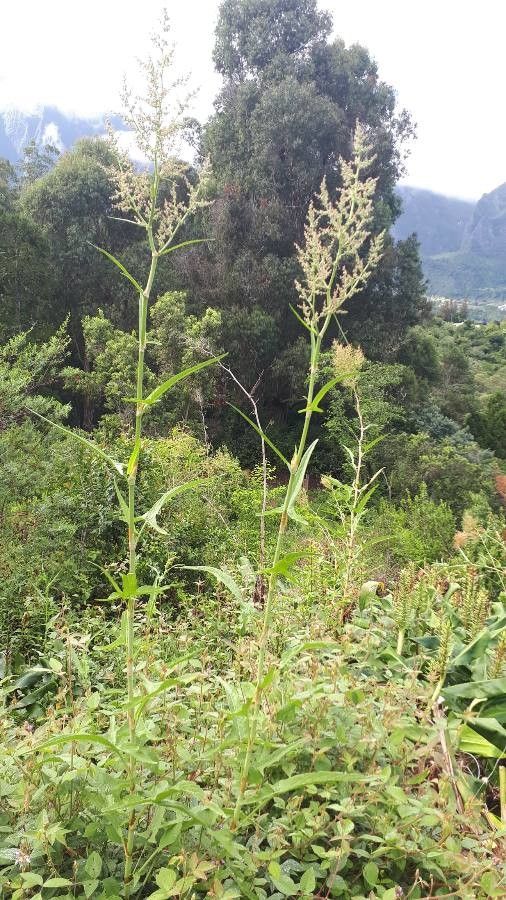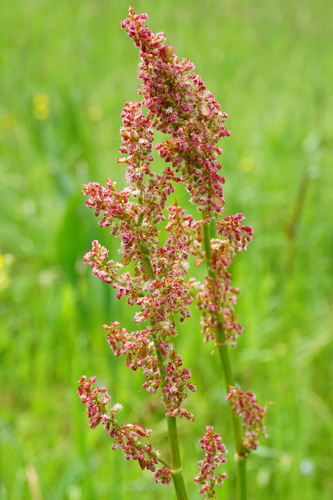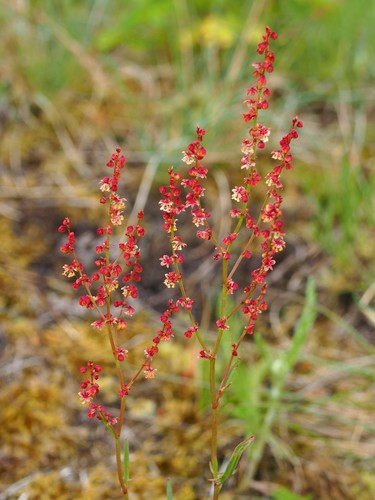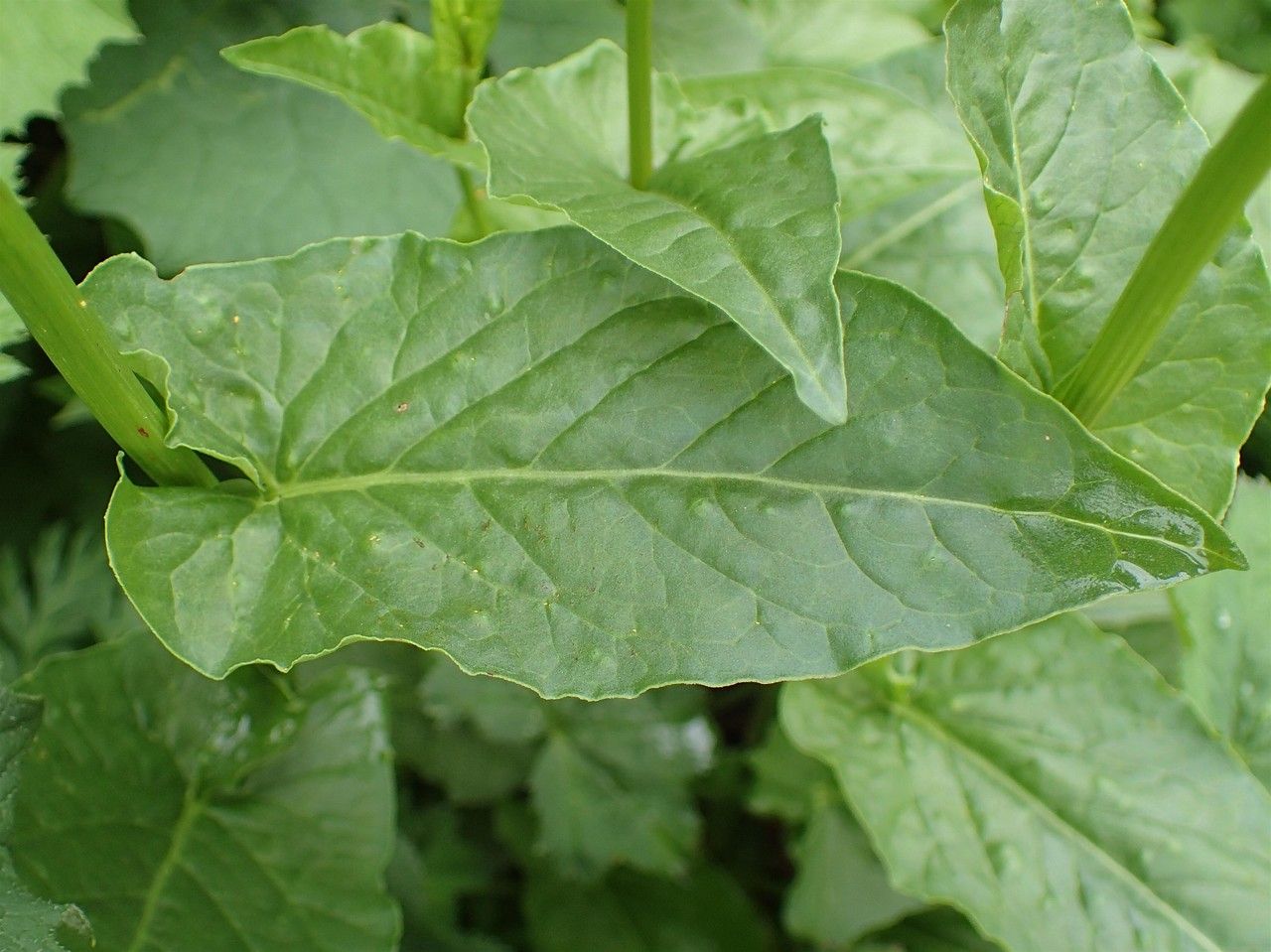
Rumex paucifolius, commonly known as the Alpine Dock or Few-leaved Dock, is a perennial herbaceous plant in the Polygonaceae family. Native to Europe and Asia, it thrives in alpine meadows, rocky slopes, and open woodlands. The plant typically grows up to 30 cm tall, featuring a basal rosette of lance-shaped or oblong leaves with wavy edges. Its slender, erect stem has few leaves.
From June to August, the Alpine Dock produces small greenish-white flowers arranged in clusters on long stalks. These flowers are followed by small, triangular seeds enclosed in a papery sheath.
For centuries, the plant has been used medicinally due to its high tannin content, which has anti-inflammatory properties. It has traditionally been an herbal remedy for conditions like diarrhea, dysentery, hemorrhoids, skin irritations, and wounds.
Additionally, Rumex paucifolius serves as a vital food source for wildlife, such as deer, during winter months when other food is scarce.
In summary, Rumex paucifolius is an intriguing alpine herbaceous perennial with both medicinal properties and ecological significance, providing crucial winter forage for wildlife.
Alpine sheep sorrel is fairly resistant to disease and is generally not very susceptible. Nevertheless, it can be affected by pests and diseases present in its environment. Such infections are typically mild. Regarding care, the plant needs moderate maintenance. Regular pruning is required to keep a neat appearance and support healthy growth. Fertilizing can also help encourage flowering. Alpine sheep sorrel is appropriate for anyone with outdoor space, like a garden or patio, and does not demand extensive gardening experience. It may need more attention if grown indoors.
How to keep Rumex Paucifolius.
Light
Alpine sheep sorrel is a perennial, herbaceous plant that favors sunny sites and is native to open habitats, commonly flourishing in meadows and grasslands. It prefers full sun but can also tolerate partial sun.
Water
Alpine sheep sorrel originates from mountainous regions and thrives in environments with a balance of moisture and good drainage, displaying moderate drought tolerance. To mimic its natural rainfall and ensure efficient water use during its growing season, it's beneficial to water it weekly. This practice also helps the plant adapt to different climate conditions.
Fertilizer
Usually one fertilizer application in spring will suffice for Alpine sheep sorrel, though repeated feedings can boost growth. Treat it every month to a month and a half. Fertilizing improves the leaves’ appearance and function, helping maintain even color and a healthy texture. It also promotes root development and nutrient uptake for the plant’s long-term health.
Pruning
Alpine sheep sorrel, a plant known for its reddish stems and clustered leaves, benefits greatly from pruning in early spring. To ensure healthy growth, it's important to remove dead leaves and thin out crowded areas, which improves air circulation. Pruning while the plant is dormant enhances its vigor, encourages flowering, and helps prevent disease, leading to a stronger plant overall. For detailed advice tailored to your area, refer to local horticultural resources.
Botanical profile.
- Plant Type
- Herb
- Life Cycle
- Perennial
- Genus
- Rumex
- Family
- Polygonaceae