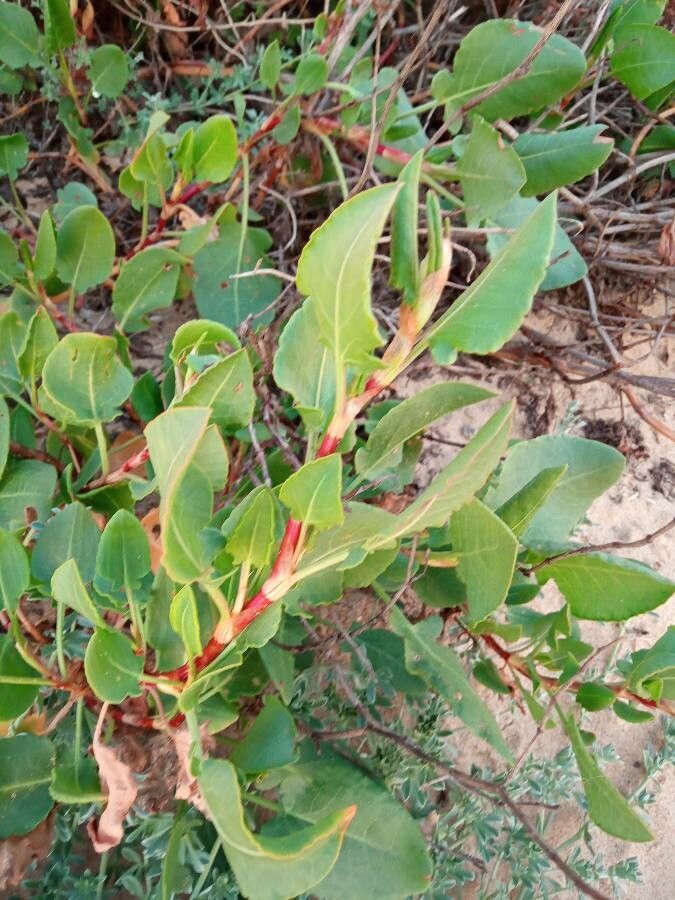
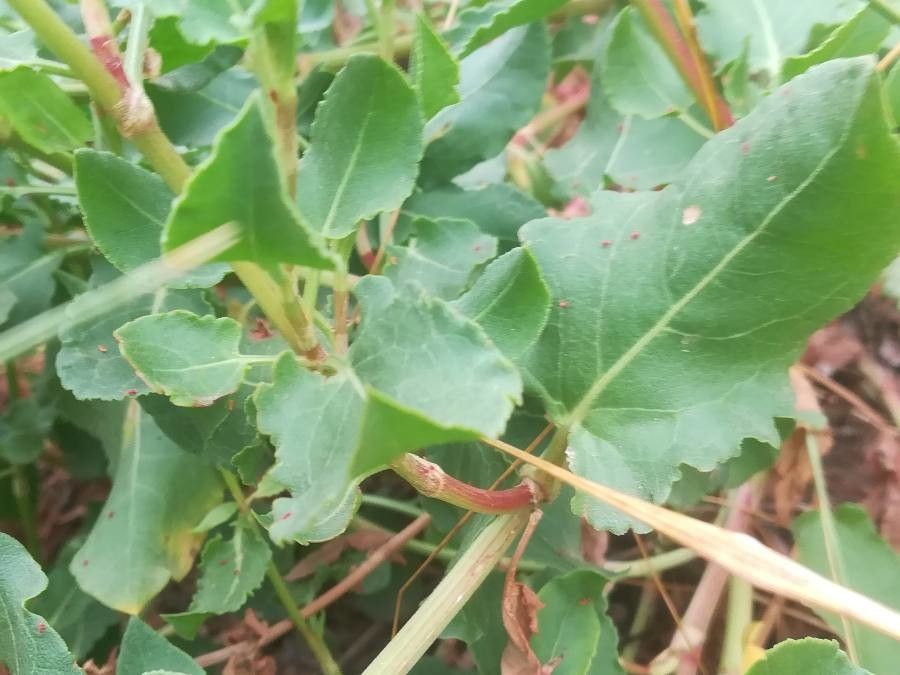
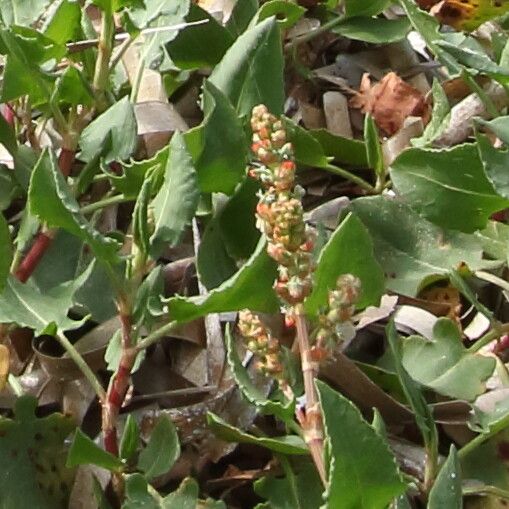
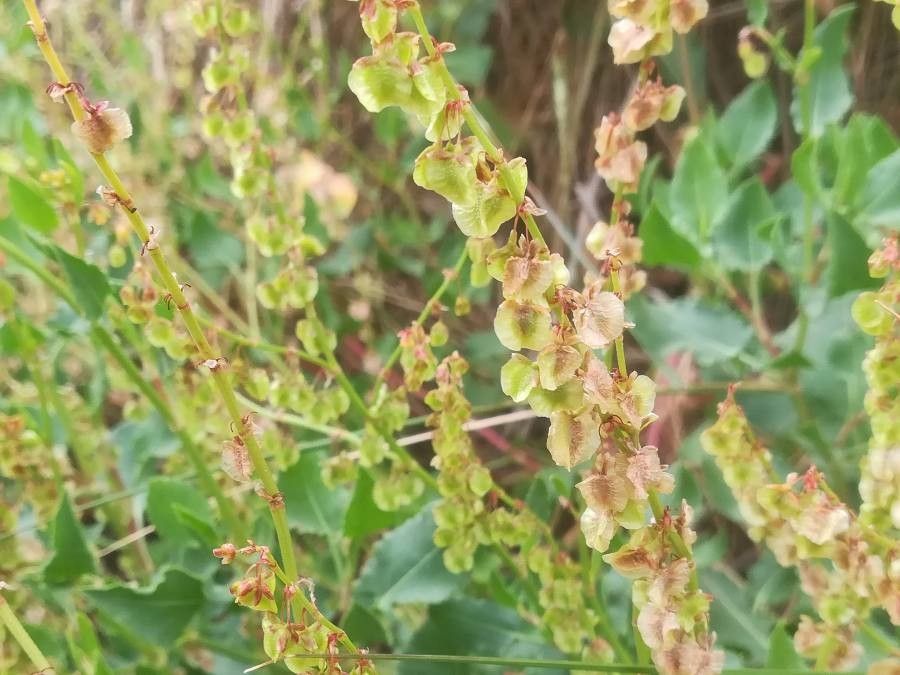
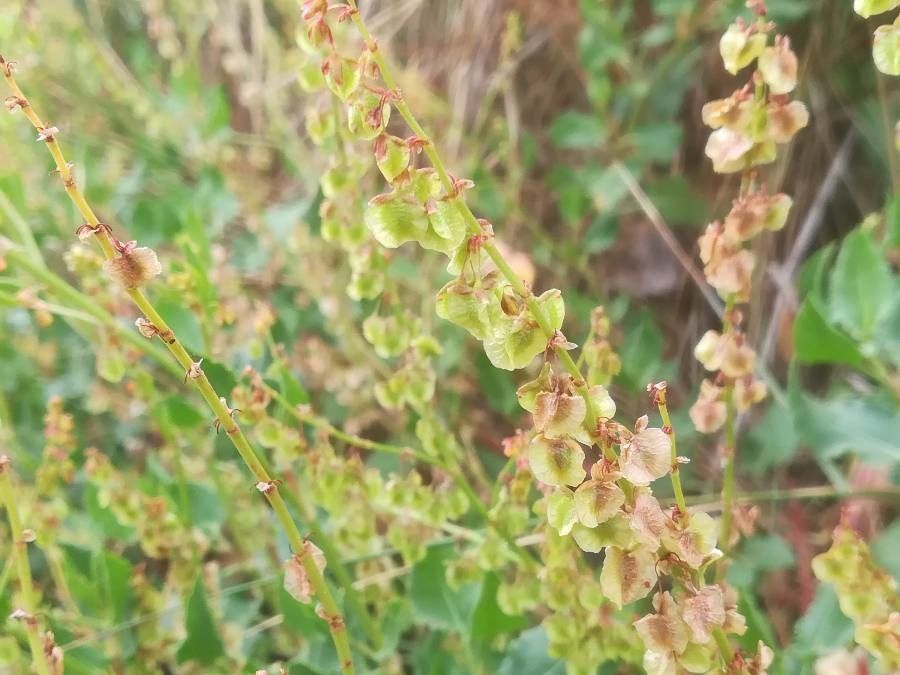
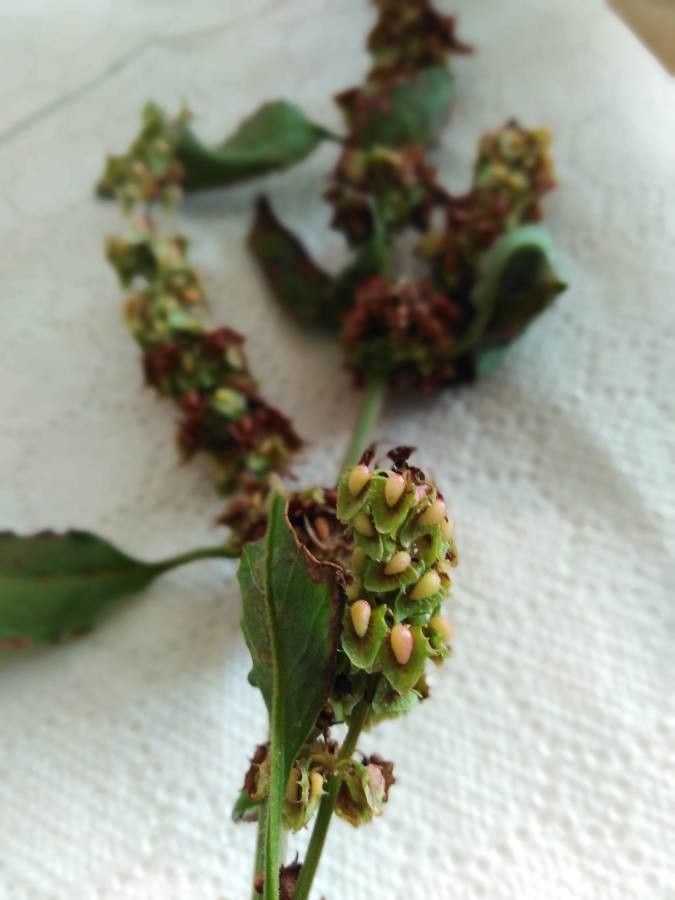
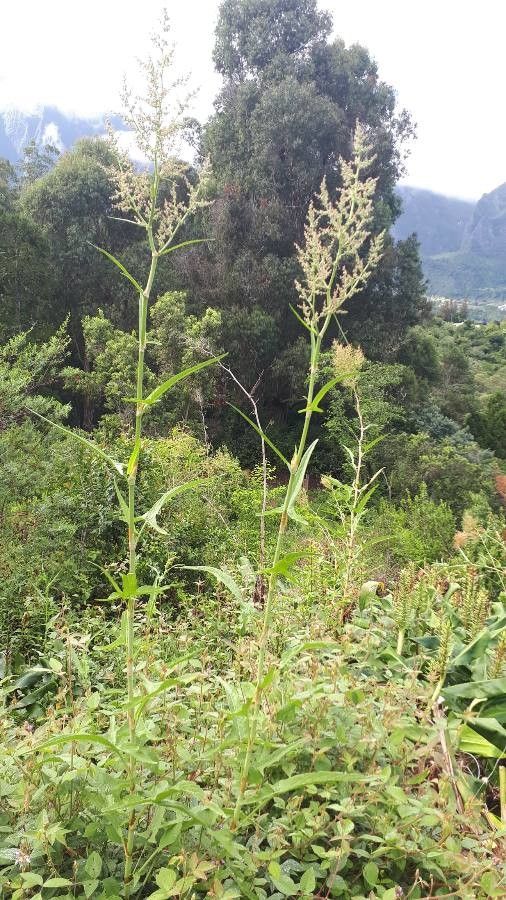
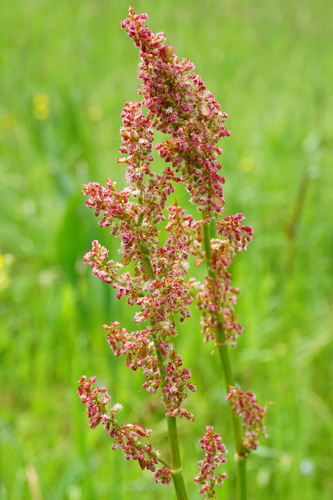
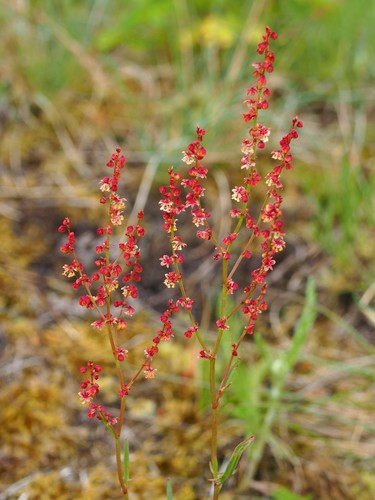
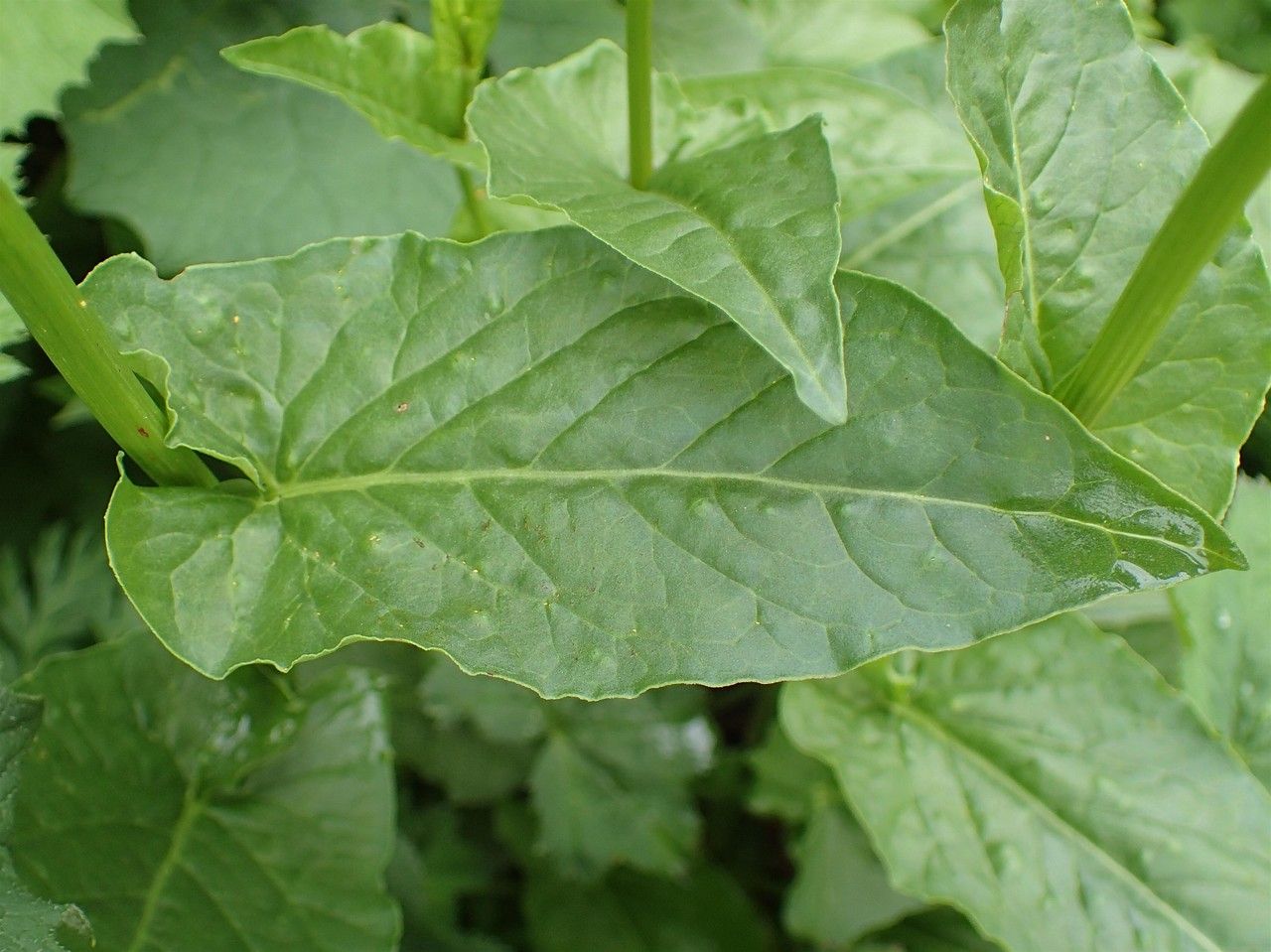
Pink sorrel is fairly disease-resistant and typically does not suffer from many illnesses. However, it can be vulnerable to pests and pathogens present in its surroundings. These problems are usually mild. In terms of care, the plant requires a moderate level of maintenance. Regular pruning is needed to keep it looking tidy and to encourage healthy growth. Fertilizing can also help stimulate flowering. Pink sorrel is a good choice for anyone with outdoor space, such as a garden or patio, and does not demand much gardening experience. It may need more attention when grown indoors.
How to keep Rumex Roseus.
Light
Pink sorrel comes from sunny, open habitats and performs best in full sun. It can handle some partial shade but favors direct sunlight for optimal growth. This plant, which can be annual or biennial, is noted for its sun-loving character.
Water
Pink sorrel, native to moist environments, thrives with regular watering and can withstand some drought. It prefers soil that is kept consistently moist, so it should be watered once a week. In temperate zones where it is grown outdoors, the natural rainfall helps promote healthy growth throughout the season.
Temperature
Pink sorrel is fairly adaptable to temperature, tolerating high heat and wide temperature fluctuations. In hot conditions, be careful with watering and give appropriate shade to prevent sunburn. However, pink sorrel is relatively sensitive to low temperatures; it can handle some cold, but very low temperatures may cause frost damage.
Fertilizer
Pink sorrel benefits from regular, light applications of fertilizer to encourage healthy leaf development. Fertilize Pink sorrel roughly once a month during the summer. Nitrogen is important for foliage, so providing nitrogen-rich sources helps Pink sorrel thrive.
Pruning
Pink sorrel is a perennial plant celebrated for its vibrant pink flowers. To encourage healthy growth, pruning should be done from early to late spring. This helps by removing dead or damaged stems, which improves the plant's shape and air circulation while reducing the risk of disease. As a result, the plant becomes healthier and more attractive.
Botanical profile.
- Plant Type
- Herb
- Life Cycle
- Annual
- Genus
- Rumex
- Family
- Polygonaceae
- Hardiness Zone
- 7-10
- Mature Height
- 30 cm to 61 cm
- Mature Spread
- 20 cm to 40 cm
- Leaf Color
- Green, Light Green
- Leaf Type
- Deciduous
- Flower Color
- Pink
- Flower Size
- 0.20 cm to 0.25 cm
- Bloom Time
- Mid spring, Late spring, Early summer
- Planting Time
- Spring, Summer, Autumn
- Harvest Time
- Summer
- Native Area
- Libya, Tunisia, Spain, France, Algeria, Morocco, Portugal
Reader questions.
How should I water my Pink sorrel?
To water Pink sorrel, there are various tools you can use such as a garden hose with a spray nozzle or a watering can. They are not very particular about the type of water they receive - rainwater, tap water, or filtered water will do just fine. However, it's important to avoid watering the plant from above as this can harm the leaves and flowers and potentially cause disease. A drip irrigation system is often the best way to water Pink sorrel, as it ensures even and direct watering of the soil. For a Pink sorrel in a container, you can use a similar approach but with different tools like a cup or watering can to water the soil directly.
What are the sunlight requirements for Pink Sorrel?
Pink sorrel, known botanically as Rumex roseus, flourishes in environments that offer full sun, which means they require more than 6 hours of sunlight daily. However, it can also tolerate partial sun, receiving about 3-6 hours of sunlight. It's crucial to monitor the movement of sunlight in your garden to identify spots that provide an ideal mix of light and shade, ensuring the plants' well-being. This careful observation helps in making informed decisions about plant placement, fostering optimal growth.
What should I do if I give too much or too little water to my Pink sorrel?
If you notice that your Pink sorrel lacks moisture, the remedy is simple: water it more regularly. However, overwatering can be a serious problem if not caught early. It can lead to diseases that may cause the plant to decline and die. To prevent this, choose a growing location with plenty of sunlight to dry out the soil and good drainage to prevent water from pooling. If you overwater your potted Pink sorrel, consider changing it to a pot with better drainage and adding loose soil.
How does artificial lighting benefit indoor Pink Sorrel plants?
Indoor Pink sorrel plants benefit significantly from artificial lighting, especially when natural sunlight is insufficient. This is common during winter or in spaces that do not receive enough sunlight. Artificial lights, such as LEDs, which can be tailored to provide specific wavelengths, promote faster and healthier growth. For full sun plants, 30-50W/sq ft of artificial light is recommended, whereas partial sun plants need 20-30W/sq ft, and full shade plants require 10-20W/sq ft. The light source should be placed 12-36 inches above the plant to replicate natural sunlight and should remain on for 8-12 hours per day to mimic the length of natural daylight hours appropriate for the plant species.
How frequently do I need to water my Pink sorrel?
To keep your Pink sorrel healthy, it's important to know when and how much to water it. During the growing season, which starts in spring, you should water the plant once a week. However, as the season progresses and gets hotter, you may need to increase the frequency to two or three times per week. Be careful not to exceed this rate as it can harm the plant. Regardless of how often you water, make sure the soil remains moist but not wet. When it comes to watering Pink sorrel in a pot, there are some differences. Since pot soil can dry out faster than ground soil, you'll need to water container-grown Pink sorrel more frequently. In most cases, plan on watering it a few times per week, compared to just once per week for an in-ground plant.
What are some common symptoms of insufficient light in Pink Sorrel?
When Pink sorrel is grown indoors or under conditions of inadequate light, several symptoms may appear. These include smaller new leaves, which are a sign of the plant struggling to grow under limited light; leggy or sparse growth, indicating an attempt to reach towards the light source; and faster leaf drop, as the plant tries to conserve resources. Additionally, slower or no new growth, lighter-colored new leaves, and chlorosis can occur, all of which signal a deficiency in light. Excessive sunlight, however, can lead to sunscald, leaf curling, wilting, and leaf scorching.
How much water does my Pink sorrel plant need?
Determining the appropriate amount of water for your Pink sorrel can be approached in a few ways. Some gardeners prefer to feel the soil for moisture and water until the top six inches feel wet. Another option is to use a set measurement, such as around two gallons per week, taking into consideration the temperature and how quickly the soil dries. However, strictly adhering to these guidelines may cause overwatering if your plant requires less water. When growing Pink sorrel in a container, it's necessary to adjust the watering method. In this case, ensure that all layers of soil are moistened by using the finger test or allowing a small amount of excess water to drain from the pot's holes.
How can I address light deficiency in Pink Sorrel?
To counteract light deficiency in Pink Sorrel, progressively relocate your plants to sunnier spots, ensuring they receive at least 6 hours of direct sunlight daily. For indoor plants, this may mean placing them near a south-facing window or supplementing with artificial light for at least 8 hours per day. For outdoor plants, it's vital to move them gradually to avoid sunburn. If natural sunlight is blocked, consider pruning obstructions or transplanting the plant to a brighter location with proper drainage, ideally during its dormant period.
How can I know if I'm giving enough water to my Pink sorrel?
Avoiding overwatering your Pink sorrel can be a bit tricky. These plants have deep roots that need to be watered weekly, but they are also highly prone to root rot and browning if you overwater them. Underwatering is generally not a problem for Pink sorrel as they can survive without much watering. However, if you neglect to water them for too long, they may start to wilt and develop dry leaves.
How do I water my Pink sorrel different times of the year?
As the seasons change, the water needs of your Pink sorrel will increase. In spring, you should water once per week. However, as the summer heat comes, you may need to water your Pink sorrel more frequently, up to three times per week. This is especially important for Pink sorrel in containers, as the soil can dry out faster in warm weather. In autumn, when the temperature drops and the sun is not as strong, your Pink sorrel may require less water while still in bloom.
How should I water my Pink sorrel when it is small, medium, and large?
Throughout the year, Pink sorrel goes through various growth stages, each with its own water requirements. To begin, when starting Pink sorrel from a seed, it is recommended to give it more water than it will need later on. This involves watering frequently to maintain consistent soil moisture while the seed germinates. After a few weeks, when the Pink sorrel has grown above the soil, it will require slightly less water compared to the seedling phase. Once the plant is fully mature, a regular watering frequency of about once per week can be implemented. However, during flower development, it may be necessary to provide slightly more water to support the process.
How is watering Pink sorrel different when it's inside compared to when it's outside?
Most Pink sorrel plants prefer to grow outdoors for a few reasons. Firstly, these plants tend to grow quite tall, making it more suitable for outdoor spaces. Additionally, Pink sorrel requires more sunlight than most indoor locations can offer. If you do decide to grow Pink sorrel indoors, it's important to note that you may need to water it more frequently compared to outdoor growth. This is due to the drier conditions typically found indoors, such as with HVAC units, as well as the faster drying of soil in containers compared to soil in the ground.