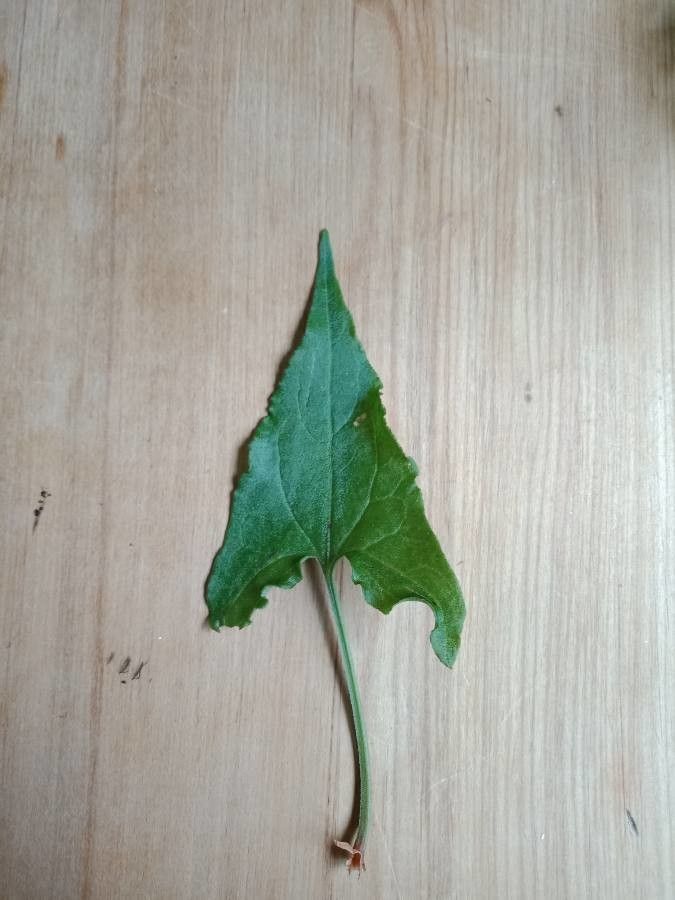
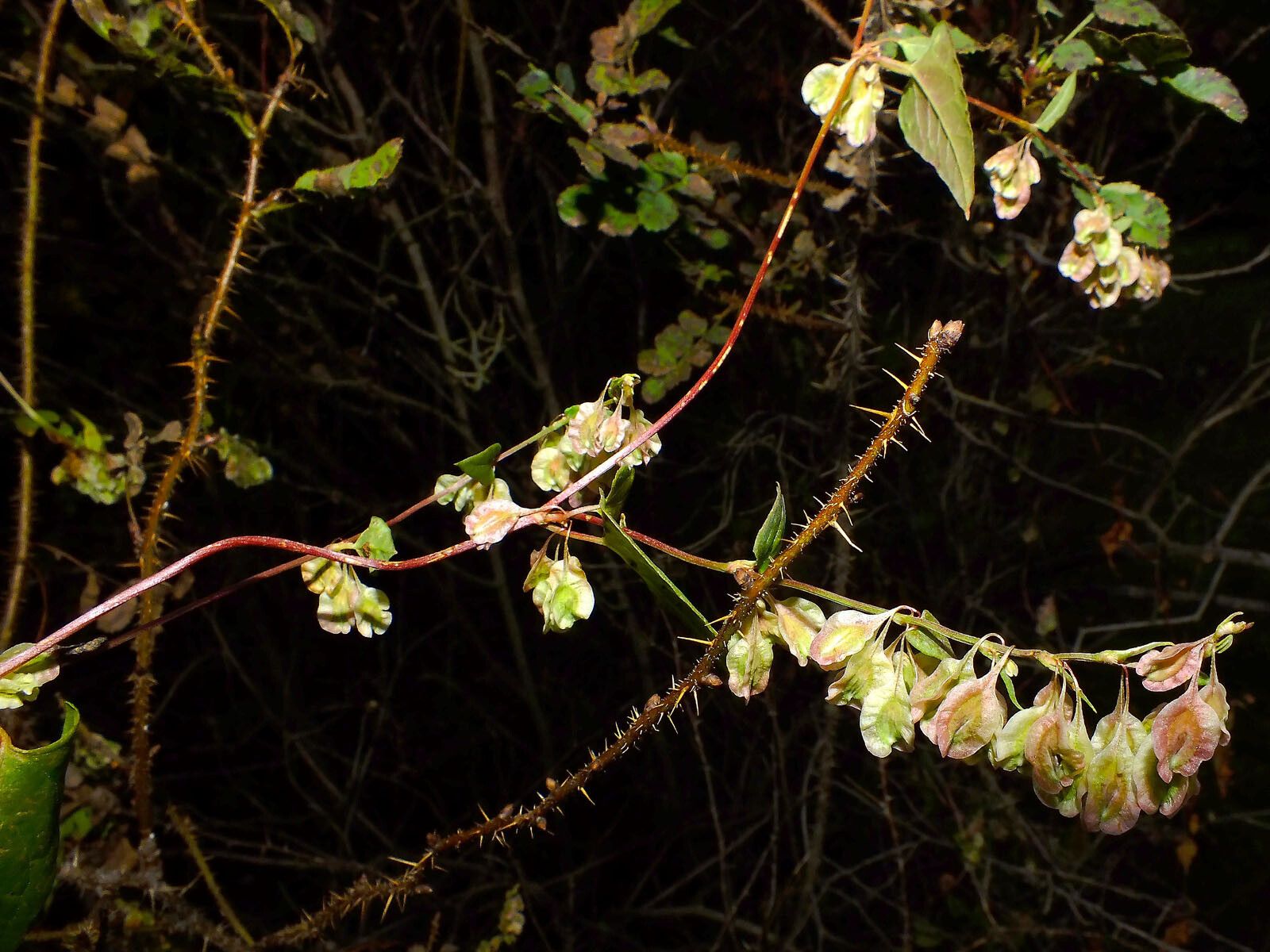
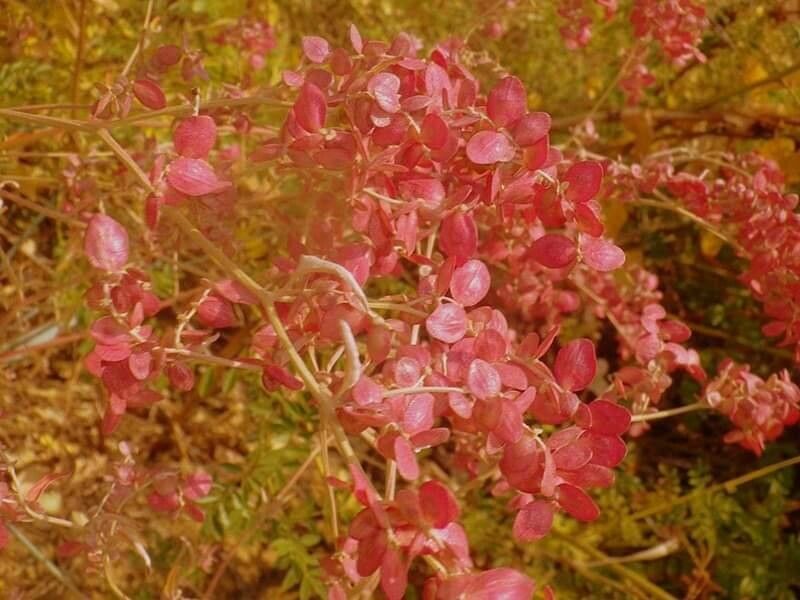
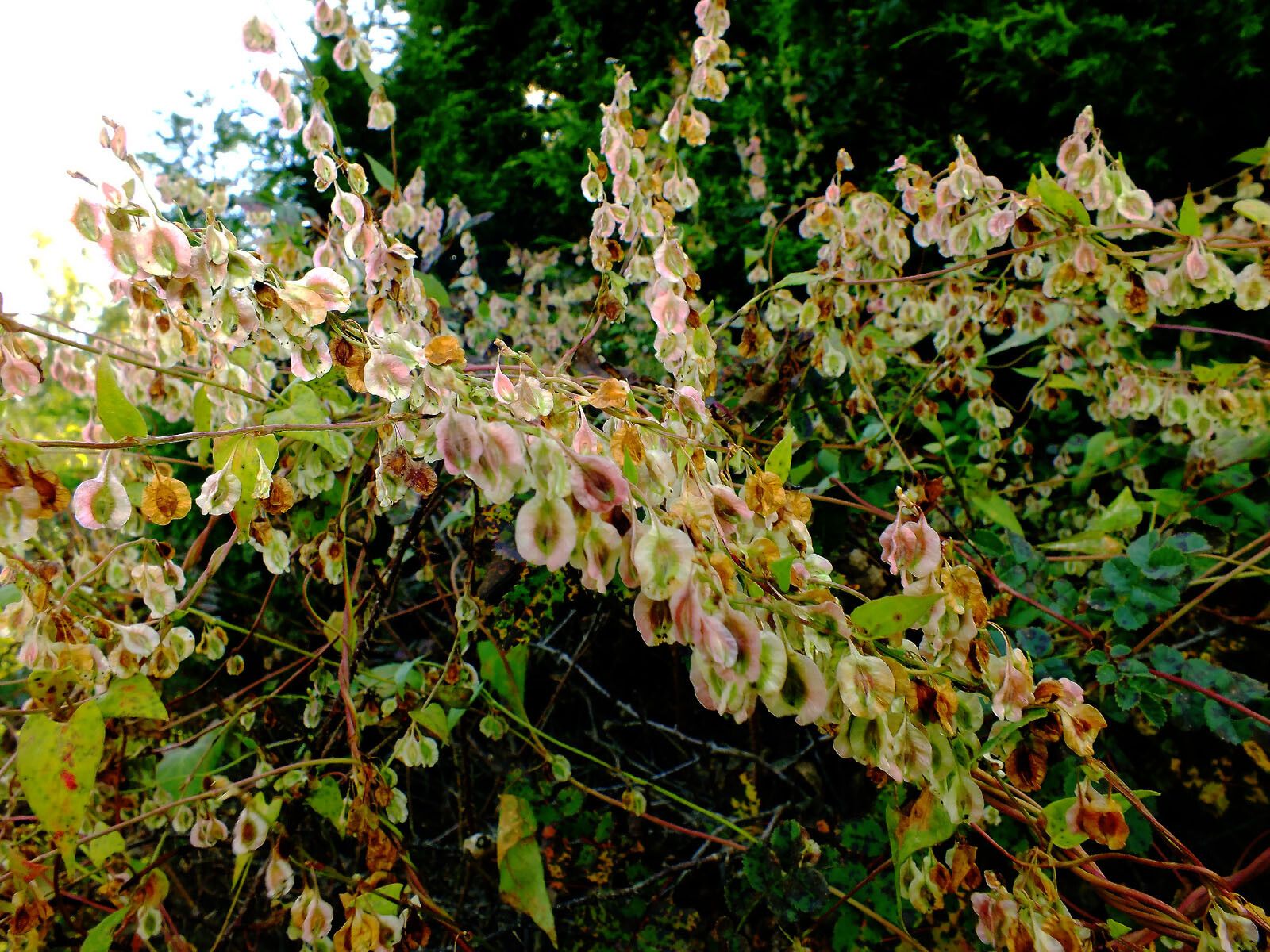
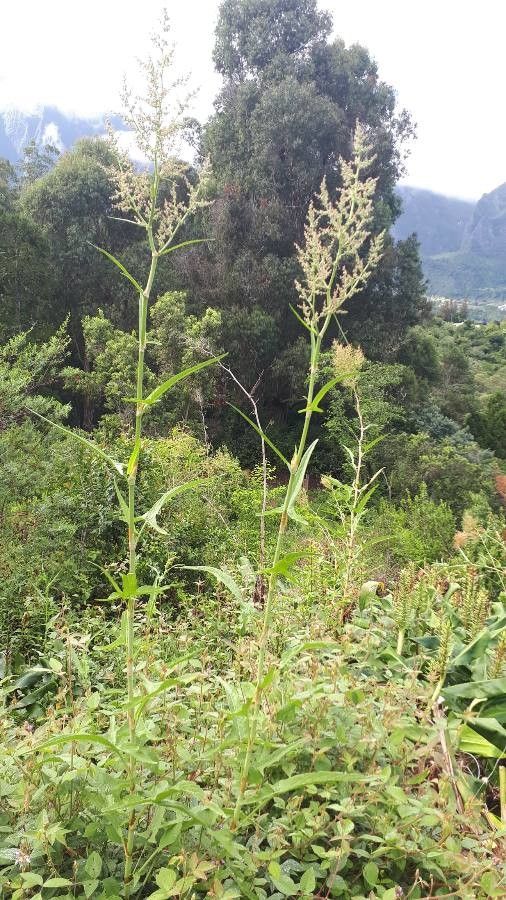
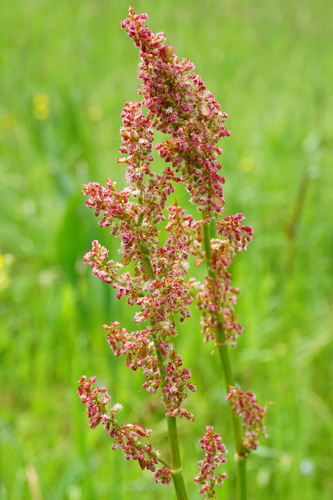
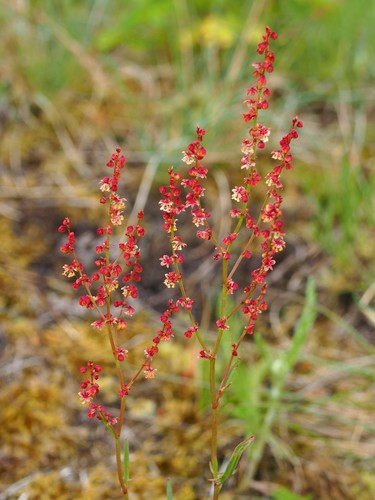
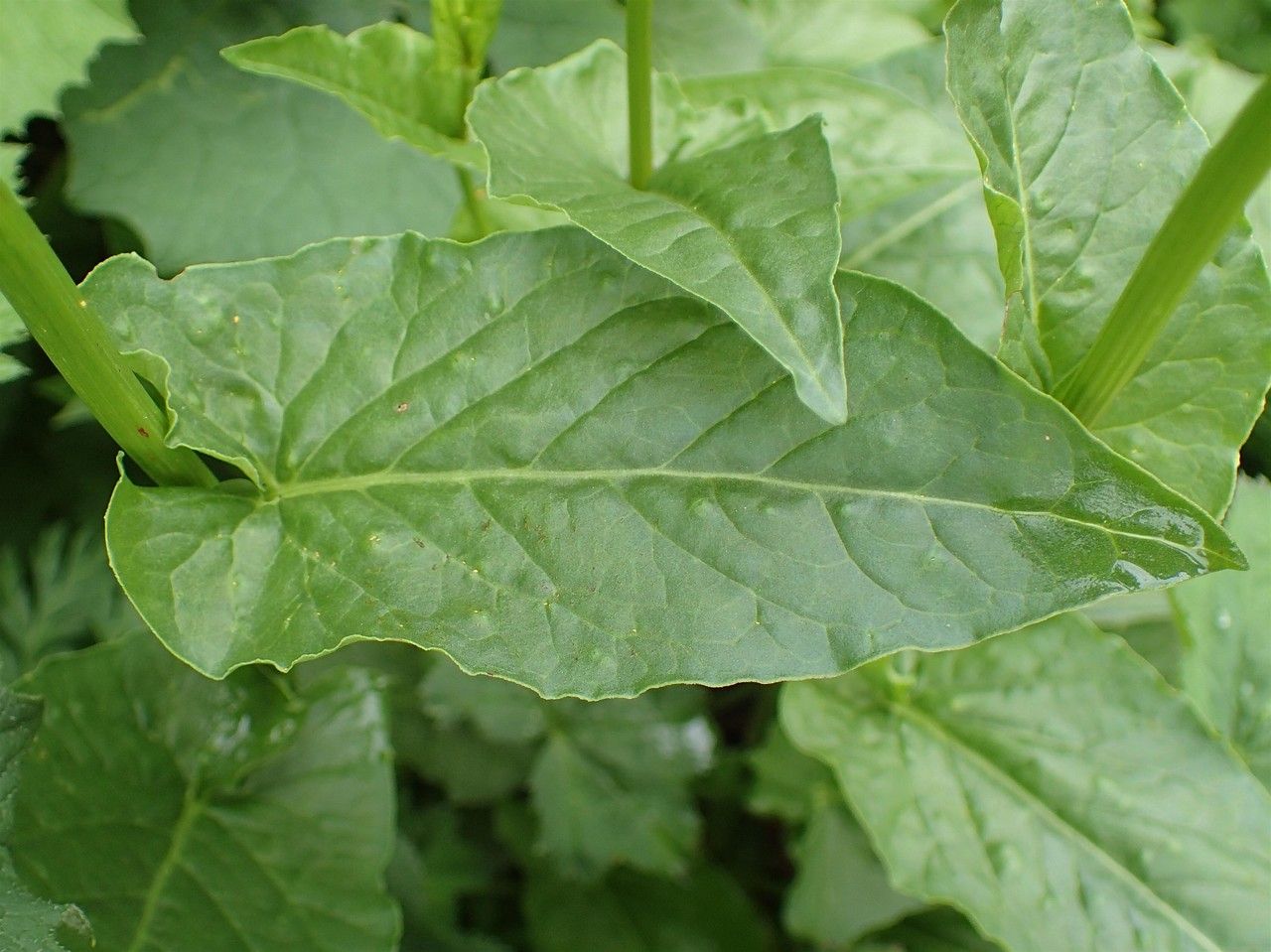
Rumex sagittatus, synonym Acetosa sagittata, commonly known as turkey rhubarb or rambling dock or potato vine, is a herbaceous perennial plant native to southern Africa, which has become a weed in Australia and New Zealand.
Turkey rhubarb is largely resistant to disease and typically does not suffer from many ailments. In terms of care, the plant is fairly low-maintenance. When grown outdoors it needs only minimal watering, and larger specimens generally do not require pruning. Smaller plants, however, should be pruned after they finish blooming. Turkey rhubarb is suitable for anyone with an outdoor space, such as a garden or a deck, and does not demand extensive care experience.
How to keep Rumex Sagittatus.
Light
Turkey rhubarb naturally grows in habitats such as forest understories and rocky areas, where it occurs in natural shade. It prefers partial sun but can adapt to full sun or full shade, demonstrating its versatility and hardiness.
Water
Turkey rhubarb thrives in environments that are moderately moist, with balanced periods of wet and dry conditions. While it is tolerant of drought, it benefits from being watered consistently, ideally twice a week. Typically cultivated outdoors, turkey rhubarb is adaptable to various climates, especially in temperate regions with favorable rainfall patterns.
Temperature
Turkey rhubarb is fairly adaptable to temperature, able to withstand heat and wide temperature fluctuations. In hot conditions, care should be taken to water properly and provide suitable shade to avoid sunburn. Its resistance to low temperatures is limited; although it can tolerate mild cold, excessively low temperatures may cause frost damage.
Fertilizer
Fertilize Turkey rhubarb in early spring to encourage healthy growth. Regular feeding boosts overall health, producing vigorous growth, greater tolerance of challenging conditions, and improved resistance to pests and diseases. Follow a consistent fertilization schedule for your Turkey rhubarb to maintain vivid, deeply colored foliage and a lush appearance.
Pruning
Turkey rhubarb is a rapidly growing, creeping perennial with heart-shaped leaves. For best results, prune it in early spring to encourage growth, remove dead stems, and improve air circulation. Regular pruning helps prevent it from becoming invasive and promotes overall plant health, ensuring a vigorous growth season. For detailed techniques, refer to horticultural guides.
Botanical profile.
- Plant Type
- Vine
- Life Cycle
- Perennial
- Genus
- Rumex
- Family
- Polygonaceae
- Hardiness Zone
- 8-11
- Mature Height
- 0.91 m to 1.22 m
- Mature Spread
- 49 cm to 91 cm
- Leaf Color
- Green
- Leaf Type
- Deciduous
- Flower Color
- Green
- Flower Size
- 0.20 cm to 0.25 cm
- Bloom Time
- Mid spring, Late spring, Early summer
- Planting Time
- Spring, Summer, Autumn
- Harvest Time
- Summer
- Native Area
- Malawi, Lesotho, Mozambique, South Africa, Zambia, Eswatini, Namibia, Botswana, Zimbabwe
Other names.
Reader questions.
What is Turkey rhubarb?
Turkey rhubarb, scientifically known as Rumex sagittatus, is a plant recognized for its distinct characteristics and properties. The specific details about its essential uses, symptoms it addresses, or additional information were not provided, pointing toward a need for deeper research into this particular species. Recognizing the importance of Turkey rhubarb requires understanding its botanic name and potential applications in various fields.