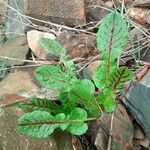
Rumex sanguineus
Wood Dock · Red Veined Sorrel · Redvein dock · Bloodwort dock · Red-veined dock
Description
Source: leafsnapRumex sanguineus, commonly known as wood dock, bloody dock or red-veined dock, is a perennial flowering plant species in the family Polygonaceae. Rumex sanguineus is a dicot and can be observed in Europe with at least two varieties.
🌳 Although it appears modest, redvein dock draws interest because of its reddish veins, which add a distinctive touch to garden foliage and floral arrangements. Also, in some cultures the leaves are used as a spice, prized for a slightly bitter, tangy flavor comparable to sorrel. Redvein dock's uncharted potential in the culinary world may yet reveal a new spice staple for adventurous chefs and gourmands alike.
Care Guide
💧 Water Every week
Redvein dock thrives in consistently moist soil and benefits from regular watering, ideally once a week. Although it can endure short dry periods, rainwater is particularly beneficial because it provides an ideal pH balance and essential nutrients for its growth as an herbaceous perennial.
How should I water my Redvein dock plant?
The Redvein dock has specific preferences for its water supply, including how much water it receives and how it is provided. If you don't use the right watering technique, it could harm your tomatoes. The recommended method for watering Redvein dock is to apply water directly to the soil in a slow and gentle manner. Avoid pouring all the water at once or doing overhead watering for your Redvein dock. While watering slowly, make sure to water deeply to ensure adequate moisture throughout the soil your Redvein dock is growing in.
What do I do if I give my Redvein dock too much or too little water?
If you realize that you have given too much water to your Redvein dock and are worried about the risk of disease, it's important to take immediate action. Typically, the best solution for an overwatered Redvein dock is to remove it from its current spot. Once you have taken the plant out of the ground, you can let its roots dry out a little before planting it in a new location. Make sure the new spot has soil that drains well. If you are growing the plant in pots, you might also consider switching it to a pot with better drainage by having more or larger holes. On the other hand, if you have been underwatering your plant, all you need to do is water it more frequently.
How regularly do I need to water my Redvein dock plant?
Redvein dock needs a lot of water during the growing season. To meet this need, you should water it frequently in the spring and summer. Start by watering once or twice a week early in the season, and increase the frequency as the season progresses. In summer, you may need to water it twice a day or more, depending on the weather. Once your Redvein dock has completed its major growth phases, you can reduce watering to once a week until the end of the growing season.
How much water does my Redvein dock require?
Redvein dock plants are highly popular among both professional and amateur gardeners, so we have gathered a lot of knowledge about caring for them. One important aspect is their water requirements. On average, a Redvein dock plant should receive about 1 - 1.5 inches of water per week, which should be evenly spread out during your weekly watering sessions. As the weather gets warmer, you may need to increase the amount of water to around two inches per week, but in general, that is a good baseline to follow.
How will I know if I am giving enough water to my Redvein dock?
Both underwatering and overwatering can be problems for your Redvein dock, and they can show similar symptoms. Discoloration and wilting of the foliage can result from either overwatering or underwatering. When the Redvein dock is underwatered, its leaves will initially curl and droop, and gradually become less vigorous. Stunted growth and poor development can also occur because this plant requires a high amount of water. On the other hand, overwatering can lead to diseases like rot and emit unpleasant smells from the soil. The symptoms of underwatering will appear faster than those of overwatering. If you notice a lot of standing water or waterlogged soils, it is likely that overwatering is taking place.
☀️ Light Full sun
Redvein dock does best in full sun and can tolerate locations with moderate sunlight. Native to brightly lit habitats, it depends on sunlight for healthy growth. However, excessive or insufficient sun exposure can adversely affect its growth.
What are the sunlight requirements for Redvein dock?
Redvein dock requires full sun exposure, characterized by more than 6 hours of sunlight daily, to thrive best. It can also endure in partial sun, which is about 3-6 hours of sunlight. Observing the movement of sunlight through your garden is crucial to find the perfect spots that offer the right balance of light and shade, ensuring the plant's growth and happiness.
How does artificial lighting benefit indoor Redvein dock plants?
Artificial lighting is essential for Redvein dock plants growing indoors, especially when natural sunlight is insufficient. During winter or in spaces that receive less sunlight, artificial lights, such as LED, can be customized to provide specific wavelengths needed by plants, promoting faster, healthier growth. Full sun plants need 30-50W/sq ft, partial sun plants 20-30W/sq ft, and full shade plants 10-20W/sq ft of artificial light. The light source should be placed 12-36 inches above the plant, mimicking natural sunlight for about 8-12 hours per day to ensure optimal growth.
What are the symptoms of insufficient light in Redvein dock?
When Redvein dock is grown indoors or under insufficient light, it may exhibit symptoms such as smaller new leaves, leggy or sparse growth, faster leaf drop, halted or no new growth, lighter-colored new leaves, and issues such as chlorosis, sunscald, leaf curling, wilting, and leaf scorching. These symptoms can indicate a need for increased sunlight exposure or the use of artificial lighting to meet the plant's light requirements.
How can I address the light needs of an indoor or outdoor Redvein dock plant?
To ensure your Redvein dock receives adequate light indoors, gradually move it to a sunnier location each week until it gets at least 6 hours of direct sunlight daily. A south-facing window is ideal. If the plant is large or not easily movable, consider using artificial light, keeping a desk or ceiling lamp on for at least 8 hours daily, or investing in professional plant grow lights. For outdoor plants, avoid sudden changes in light intensity to prevent sunburn. Gradually moving plants to sunnier spots and minimizing obstructions like trees by pruning can increase sunlight exposure. If necessary, transplant smaller plants to sunlit locations with good drainage during their dormant period.
🌡️ Temperature 5–35°C
Redvein dock is native to moderate climates and does best in conditions where temperatures range from 68 to 95 °F (20 to 35 ℃). For optimal growth, make seasonal temperature adjustments as needed to keep it within that range.
What is the native climate for Redvein dock?
Redvein dock, scientifically known as Rumex sanguineus, is native to moderate climates. It thrives in environments with temperatures ranging between 68 to 95 °F (20 to 35 °C). This plant prefers relatively warm temperatures and for optimum growth, it's crucial to maintain the temperature within this range. Adjustments may be necessary seasonally to ensure the temperature stays within the optimal range, especially to keep it above 20°C during colder months. It's important to prevent the temperature from dropping below freezing to avoid damage to the plant. In regions where the outdoor temperature approaches -5°C (25°F) during winter, it's advisable to bring Redvein dock indoors or provide protection with a temporary greenhouse or through wrapping the plant with plastic film or fabric.
How does low temperature affect Redvein dock and what are the solutions?
Redvein dock has a moderate tolerance to low temperatures, thriving best when temperatures are between 20°C and 35°C, and it should be kept above 0°C during winter. Exposure to temperatures below -30°C can cause the leaves to darken and in severe cases lead to water-soaked necrosis, wilting, and drooping, with the leaves gradually turning brown. To mitigate frost damage, trim away frost-damaged parts and immediately move the plant to a warm environment or set up a makeshift greenhouse for protection. If the plant is moved indoors, it should be placed near a south-facing window to ensure it receives ample sunlight, or supplemental lighting can be used if natural light is insufficient.
What are the impacts of high temperature on Redvein dock and how can they be addressed?
During summer, it's essential to ensure that temperatures do not exceed 35°C for Redvein dock. Exposure to temperatures above 38°C slows down the plant's growth, lightens the color of its leaves, and increases susceptibility to sunburn. To address issues of high temperature, sunburned and dried-up parts should be trimmed away. Moving the plant to a shaded location, especially away from the harsh afternoon sun, along with watering the plant in the morning and evening can help maintain soil moisture and protect the plant from heat stress.
💨 Humidity
🪴 Soil 5-7
🌱 Fertilizer
To maximize the yield and flavor of Redvein dock, provide plenty of nitrogen throughout the entire growth period, from pre-planting through harvest. Well-watered, well-fertilized plants develop abundant, healthy leaves and have reduced bitterness. Before planting, improve the soil with organic matter such as compost or manure, ideally 2 to 8 weeks ahead of time.
Why should I use fertilizer on my Redvein dock plant?
Redvein dock, grown for its edible leaves, has specific nutrient requirements, just like any other plant. The essential nutrients for plants, such as nitrogen, phosphorus, and potassium, serve various important functions. In the case of foliage, nitrogen is especially crucial. However, it is challenging for Redvein dock to obtain sufficient nitrogen from the soil alone to produce a bountiful harvest. This is why many gardeners choose to supplement by providing the plant with additional nitrogen through feeding.
When should I fertilize my Redvein dock plant?
To ensure optimal growth for your Redvein dock, there are several key moments throughout the growing season when you should apply fertilizer. The first application should take place when you're preparing the soil for planting, ideally 2 to 8 weeks beforehand. It's crucial to thoroughly amend the soil during this step, using nutrient-rich organic materials like compost or manure. You'll want to repeat this soil amendment process again at the time of planting, following the same method. Once your seedlings have emerged and reached approximately 2 inches in height, it's time for the next round of fertilizer. From there, you can continue to regularly feed your Redvein dock with either rich organic matter or commercial fertilizer until it's time to harvest. It's generally recommended to fertilize every two to three weeks. Additionally, applying a layer of compost or manure around the plant can provide a continuous supply of nutrients.
When is the best time to not fertilize my Redvein dock?
When using nitrogen-rich fertilizers, be cautious about using them near vegetable plants that need energy for fruiting instead of foliage growth. Applying nitrogen-rich fertilizers near these plants can result in excessive leaf production and fewer vegetables. To prevent damage, avoid allowing any type of fertilizer to come into contact with or splash onto the leaves of your Redvein dock. Instead, apply the fertilizer a few inches away from the plant's base. If your Redvein dock is already unhealthy due to disease, pests, drought, or other factors, it is advisable to resolve those issues before fertilizing. While fertilizer can benefit healthy plants, it can actually harm plants that are already in poor condition.
What kind of fertilizer does my Redvein dock require?
To determine the best fertilizer for Redvein dock, several factors must be considered, including the specific plant type, environmental conditions, and soil composition. Generally, Redvein dock thrives with high nitrogen levels, making high-nitrogen fertilizers a reliable choice. At the start of the growing season, amend the soil with manure or compost, and then use dry or liquid fertilizers for the remainder of the season. During the seedling stage, lightly feed the plant, gradually increasing the amount as it matures. While organic fertilizers often result in tastier vegetables, both organic and chemical fertilizers can be used. Popular high-nitrogen organic options include fish emulsion, soil meal, compost tea, alfalfa meal, blood meal, and chicken manure. When opting for chemical fertilizers, check the NPK number, which indicates the proportion of nitrogen, phosphorus, and potassium. For a high-nitrogen option, choose a fertilizer with a higher first number, such as 13-2-5 or even one exclusively containing nitrogen, like 16-0-0.
How do I give nutrients to my Redvein dock?
When fertilizing your Redvein dock, the method you choose will depend on the type of fertilizer you have. If you are amending the soil, dig at least 6 inches (preferably deeper) and mix the amendment material with the soil at a 2:1 ratio. Spread granular or powdered fertilizers around the base of the plant according to the retailer's recommendations, and mix it into the top layer of soil to prevent it from being washed or blown away. Keep the fertilizer about 2 to 3 inches away from the plant to prevent damage. After adding dry fertilizer to the soil, be sure to water thoroughly. If using water soluble chemical fertilizers, dissolve them in water and use the diluted mixture to water the plants. Note that this method is only suitable if you water your Redvein dock from a container, not through irrigation or other methods.
🪴 Pot & Repot 2-3 years
When repotting Redvein dock, choose a pot 1-2 inches (2.5–5.1 cm) larger with ample drainage. Use a well-draining potting mix. Repot in spring or fall, making sure the root ball sits slightly below the rim of the flower pot. Water thoroughly after repotting and place in a warm spot with indirect sunlight.
✂️ Pruning
Redvein dock features striking veined leaves that add beauty to any garden. To ensure healthy growth and prevent legginess, it's best to prune the plant from early to late spring. Regularly trim any damaged leaves and spent flower stalks to encourage more blooms. Following these practices will help maintain a healthy and attractive redvein dock.
🌿 Propagating
🐛 Diseases & pets
☠️ Toxicity
Characteristics
- Plant Type
- Herb
- Life Cycle
- Perennial, Annual
- Genus
- Rumex
- Family
- Polygonaceae
- Hardiness Zone
- 4-9
- Mature Height
- 30 cm to 46 cm
- Mature Spread
- 30 cm to 46 cm
- Leaf Color
- Green, Red
- Leaf Type
- Deciduous
- Flower Color
- Green, Red
- Flower Size
- 2.54 cm
- Bloom Time
- Late spring, Early summer, Mid summer
- Planting Time
- Spring
- Harvest Time
- Mid summer
- Native Area
- Turkey, Sweden, Austria, Slovakia, Montenegro, Croatia, Slovenia, Belarus, Russia, Germany, Romania, Belgium, Netherlands, France, Czech Republic, Bulgaria, Armenia, Poland, Greece, Ukraine, Serbia, Norway, Italy, Spain, Switzerland, Denmark, Iran, Albania, Ireland, United Kingdom, Hungary, Azerbaijan