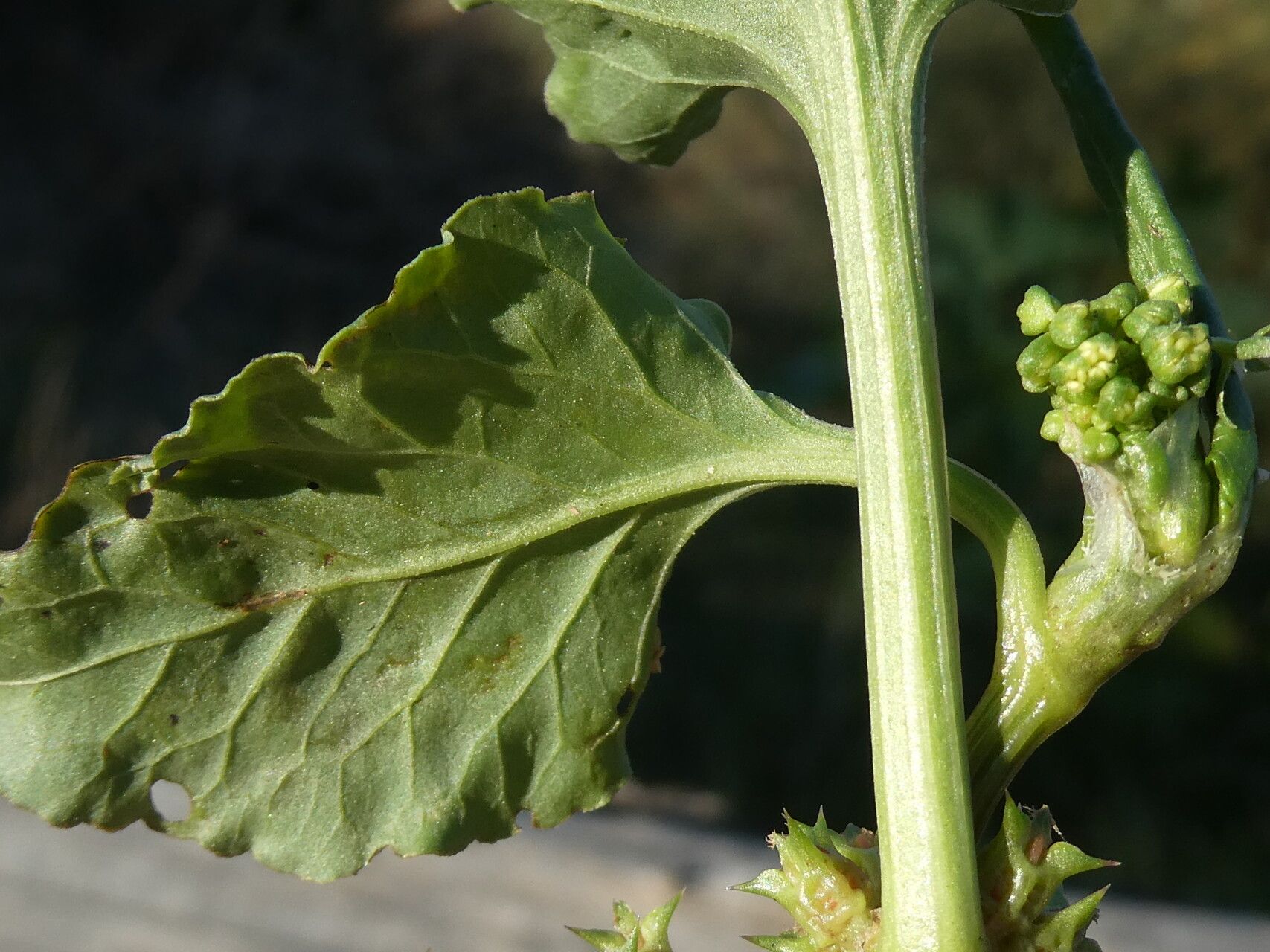
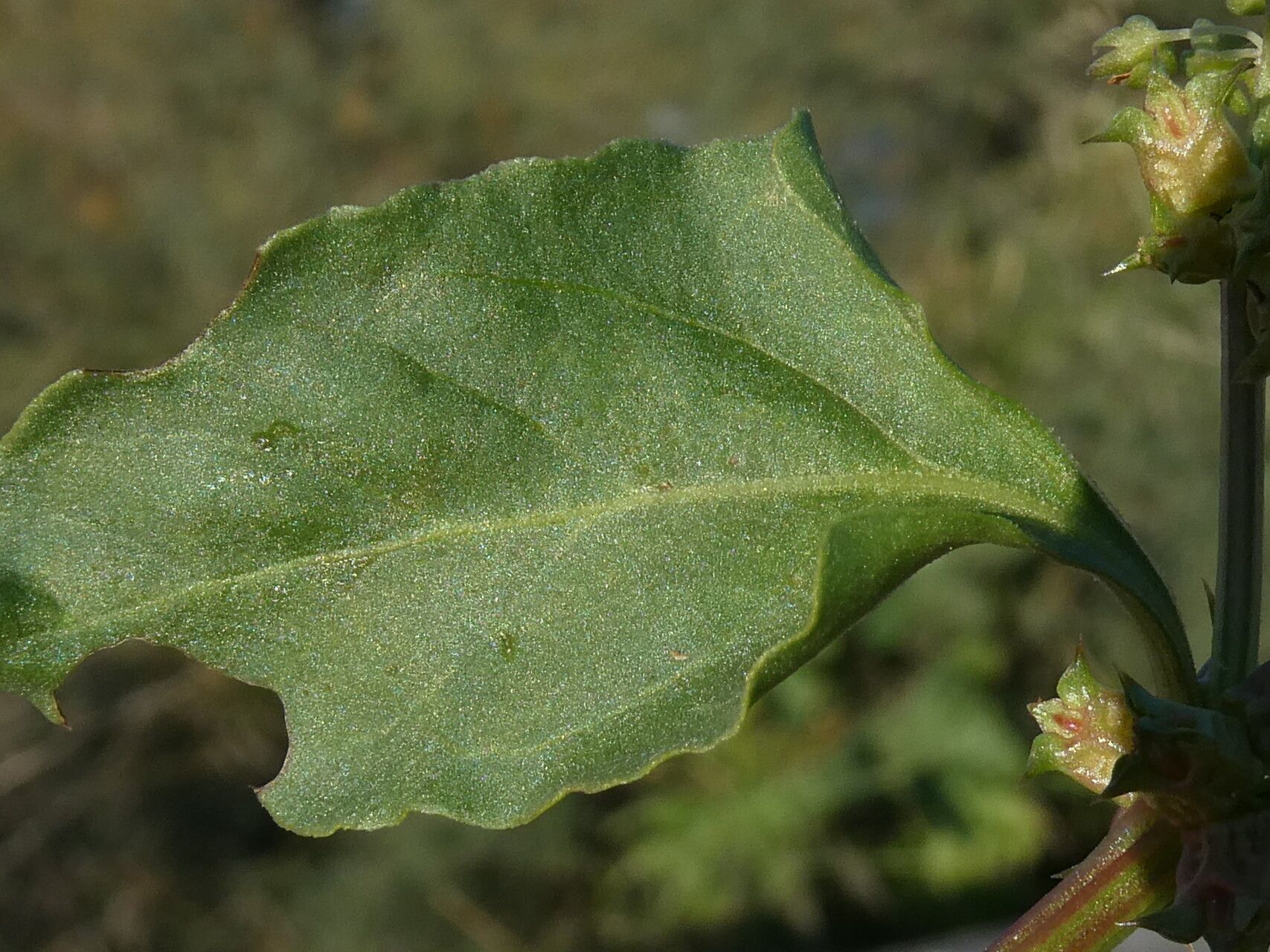
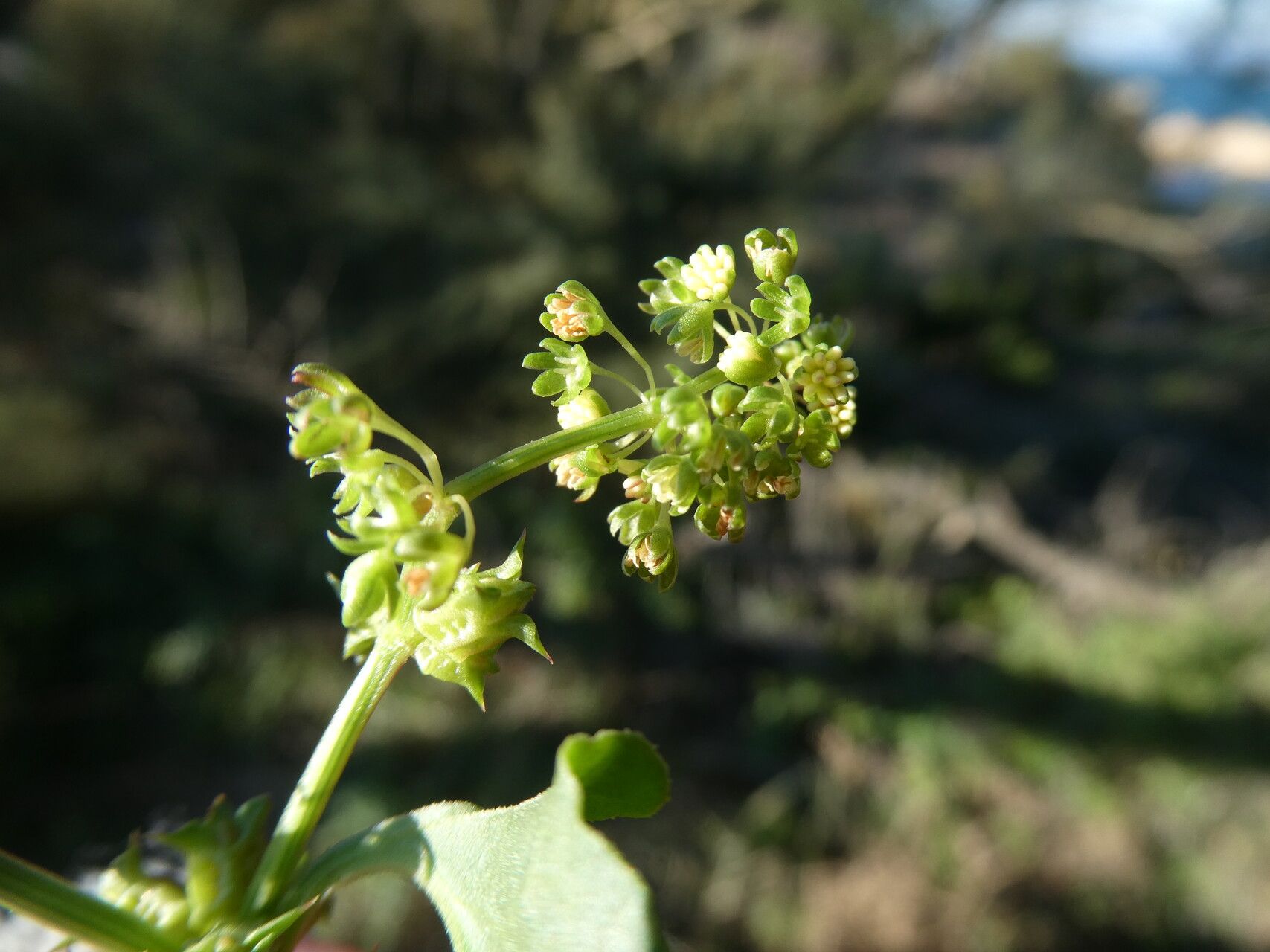
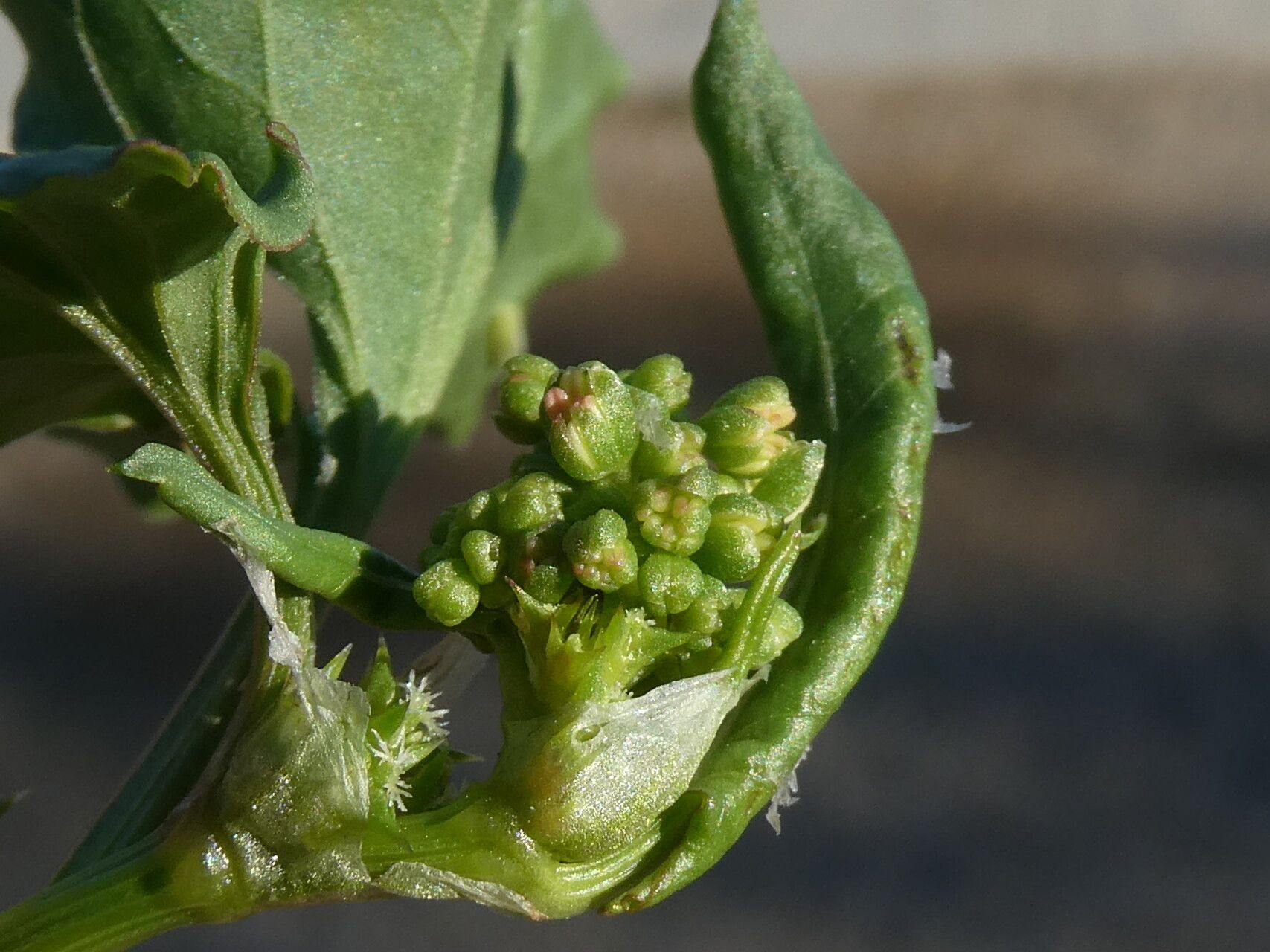
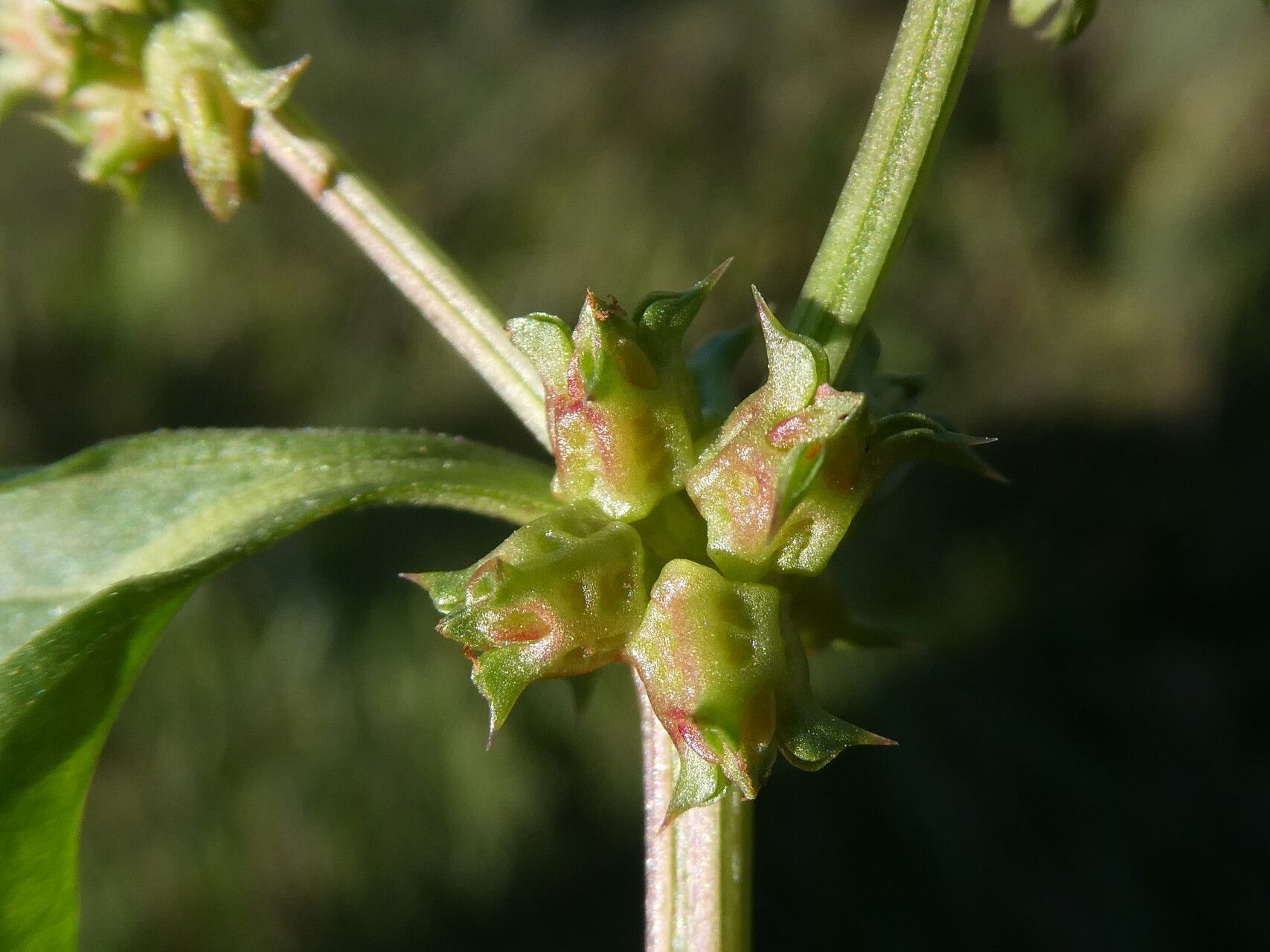
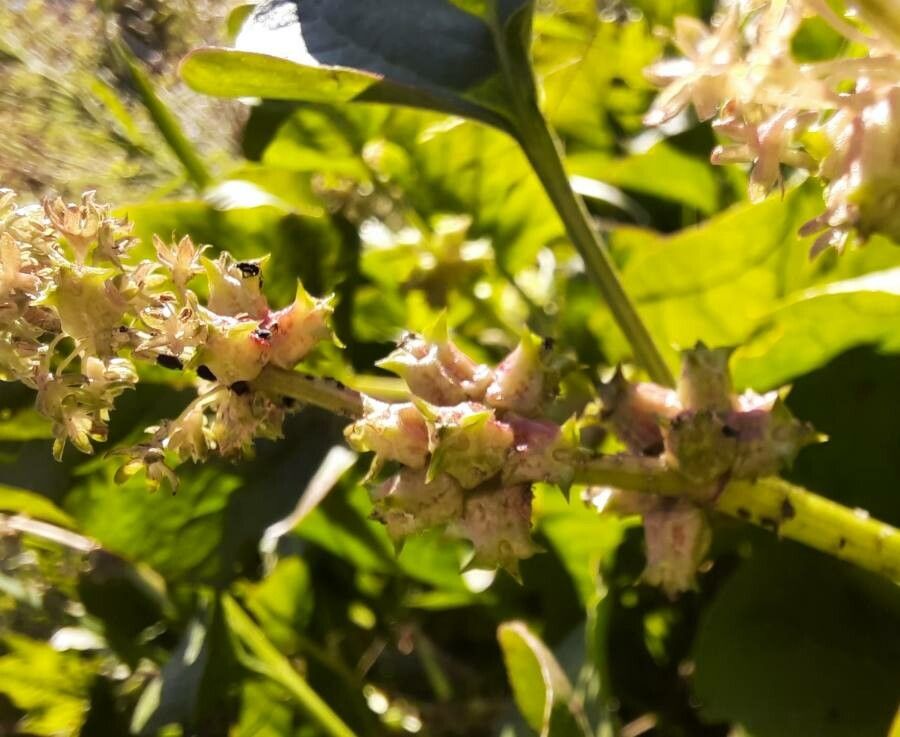
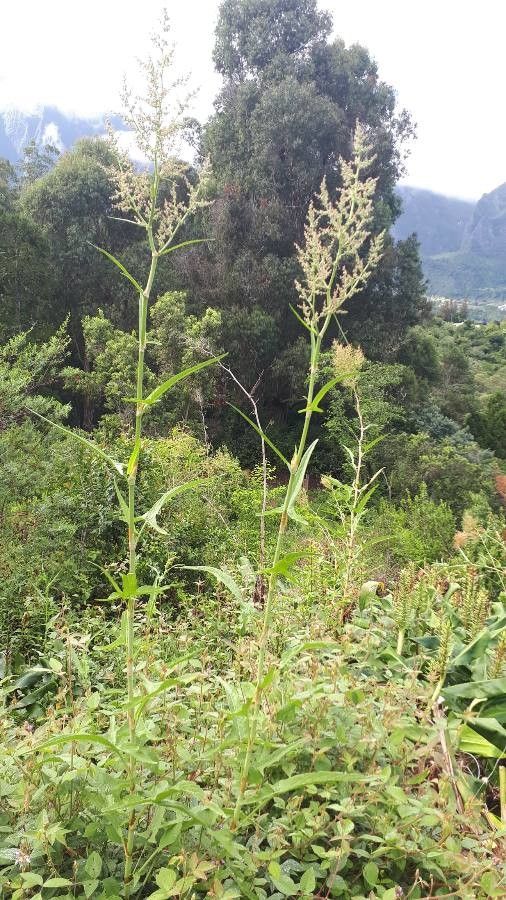
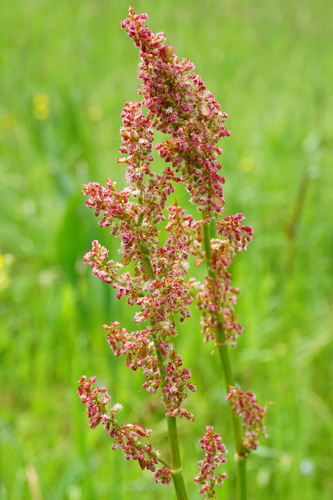
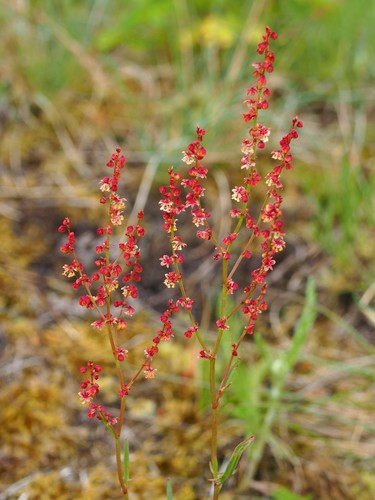
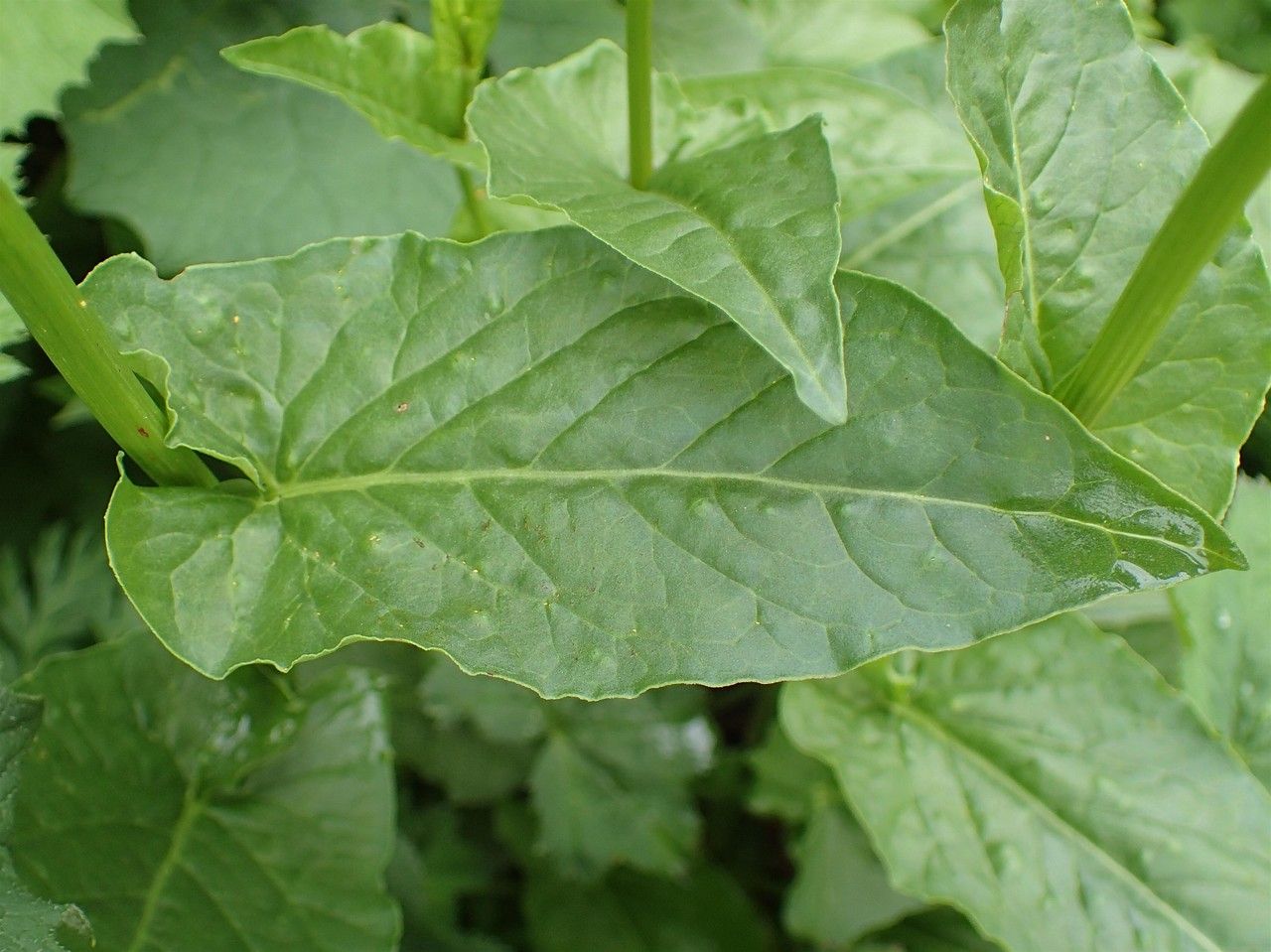
Rumex spinosus, commonly known as devil's thorn, spiny dock, or lesser jack, is an annual herbaceous plant of the Polygonaceae. It originates in the warmer parts of the Old World, but now has spread with humans to other places. It is common in disturbed areas, especially in sandy soils. It has shown some weedy behaviour in restricted areas within southern Australia.
Devil's thorn is fairly resistant to disease and typically does not suffer from many illnesses. Still, it can be affected by pests and local diseases present in its environment. Such infections are generally mild. Regarding upkeep, the plant needs moderate care. Regular pruning is necessary to preserve an attractive appearance and healthy growth. Applying fertilizer can also encourage more blooms. Devil's thorn is a good choice for anyone who has outdoor space, like a garden or patio, and does not demand extensive gardening experience. It can need extra attention when cultivated indoors.
How to keep Rumex Spinosus.
Light
Devil's thorn comes from sunny, open habitats and does best in full sun. It will tolerate some shade but favors direct sunlight for optimal growth. This plant, which can be annual or biennial, is known for its sun-loving nature.
Water
Devil's thorn is a drought-tolerant plant native to arid regions, and it thrives in dry conditions. It requires very little water, with watering recommended only twice a week. This makes it an excellent choice for xeriscaping. Capable of enduring extreme temperatures, devil's thorn is well-suited for outdoor environments such as open fields.
Temperature
Devil's thorn hails from tropical areas characterized by warm and humid weather. This is why it is naturally suited to hot temperatures and high humidity. Dramatic temperature alterations are not favorable to it and it thrives best in conditions with a consistent temperature, thus indoor temperature variations should be evaded. The plant is typically sensitive to cold weather and necessitates higher temperature levels to grow. A significant decrease in environmental temperature could lead to growth cessation or potentially the plant's death.
Fertilizer
Devil's thorn responds well to regular, dilute applications of fertilizer to encourage healthy leaf development. You should apply fertilizer about once a month during the summer. Nitrogen is important for foliage, and supplying nitrogen-rich sources helps Devil's thorn thrive.
Pruning
To ensure a healthy and vibrant devil's thorn plant, prune it from early to late spring. Start by removing dead stems and thinning out crowded areas to improve air circulation and reduce the risk of disease. Regular pruning not only maintains the plant’s size but also encourages vigorous flowering. Always use clean, sharp tools to prevent infection, and prepare the devil's thorn for the upcoming growing season.
Botanical profile.
- Plant Type
- Herb
- Life Cycle
- Annual
- Genus
- Rumex
- Family
- Polygonaceae
- Hardiness Zone
- 7-10
- Mature Height
- 46 cm to 61 cm
- Mature Spread
- 49 cm
- Leaf Color
- Green
- Leaf Type
- Deciduous
- Flower Color
- Yellow, Red, Green
- Flower Size
- 2.54 cm
- Bloom Time
- Mid spring, Late spring
- Planting Time
- Spring, Summer
- Harvest Time
- Early summer, Mid summer
- Native Area
- Libya, Somalia, Egypt, Turkey, India, United Arab Emirates, Eritrea, Morocco, Yemen, Niger, Mali, Iraq, Oman, Ethiopia, Qatar, Portugal, France, Saudi Arabia, Tunisia, Sudan, Mauritania, Cyprus, Greece, Lebanon, Chad, Syria, Italy, Spain, Israel, Iran, Algeria, Kuwait
Other names.